$33.90
Free delivery · 7–14 days
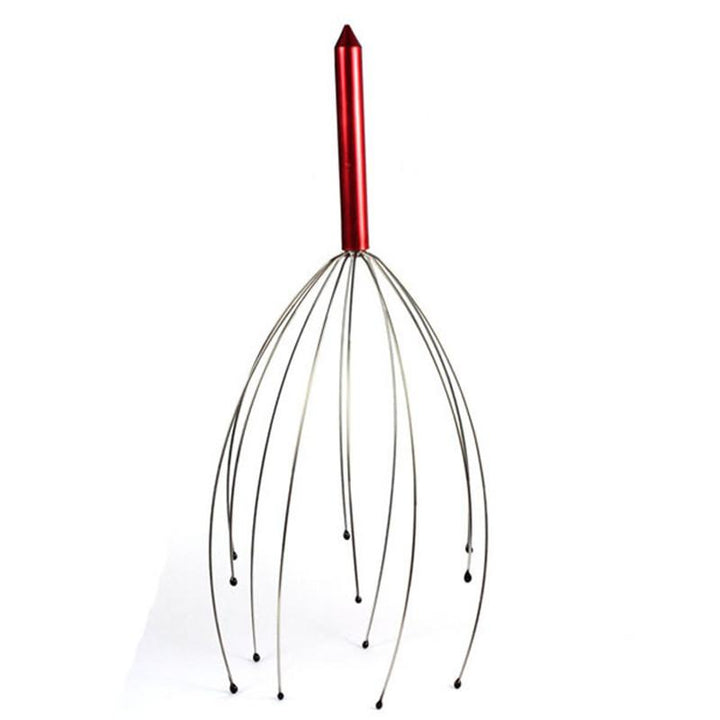
Scalp Massager — Instant Stress Relief & Scalp Tingling


Find practical scalp care treatments for flaking, visible dryness, seborrheic dermatitis concerns, and an itchy-feeling scalp. This range includes massage tools, topical creams, and a nutritional supplement, so compare how each product fits your routine before buying.
Start by identifying what you want to manage: scalp comfort, product buildup, visible flakes, dryness, or general hair and scalp care. A scalp massager or air-cushion massage comb can help distribute shampoo and provide a soothing massage without adding a topical product. A seborrheic dermatitis cream is designed for targeted application to areas needing extra care, while a scalp supplement is taken as part of a broader hair-care routine. Check each product's directions, ingredients, and intended use before combining items. If your scalp is persistently sore, cracked, swollen, or unusually irritated, seek advice from a qualified healthcare professional rather than relying only on cosmetic products.
The products in this category fall into three useful groups. Massage tools include the scalp massager and air-cushion detangling comb; they are reusable options for gentle stimulation, shampoo distribution, and relaxing care. Topical creams are applied directly to the scalp according to their labels and may suit shoppers focused on visible flaking or seborrheic dermatitis-related care. The nourishing scalp growth supplement is an oral capsule rather than a leave-on treatment, so it fits a different routine and should be checked for ingredient suitability before use. These options are not interchangeable: tools support physical care, creams provide targeted topical care, and supplements are intended for dietary use.
Look for a product that matches your scalp concern and is easy to use consistently. For massage tools, consider flexible tips, a comfortable grip, and a shape that can move through wet or dry hair without pulling. For creams, read the ingredient list, application instructions, and any cautions about sensitive skin or contact with the eyes. A supplement should have clear serving directions, a complete ingredient list, and storage guidance. If you want to put something on your scalp daily, confirm that the label allows that frequency instead of assuming more product will work better. Choose simple routines you can maintain, and avoid buying several new products at once if you cannot tell which one affects your scalp.
Use a massage tool gently on the scalp, working in small sections and avoiding forceful scratching. During washing, a scalp massager can help spread shampoo; rinse thoroughly and clean the tool after use. Apply a scalp cream only as directed, using the recommended amount on the intended areas and washing your hands afterward if the label advises it. Take a nourishing scalp supplement according to its package directions, and check with a healthcare professional or pharmacist if you take medicines, are pregnant, or have dietary restrictions. A straightforward routine usually includes regular cleansing, gentle handling, and avoiding products that leave your scalp feeling tight or irritated.
Avoid scratching intensely, using a massage tool with excessive pressure, or dragging a comb through tangled hair. Do not apply a cream more often or in larger amounts than its label recommends, and avoid layering several leave-on products before checking their directions. Sharing scalp tools can be unhygienic, so clean and dry them between uses. Another common mistake is treating every flake as the same issue; dryness, product residue, and seborrheic dermatitis concerns may require different care. Stop using a product if it causes marked discomfort or a new reaction. Persistent or worsening symptoms, open skin, or significant pain warrant professional guidance.
These products suit adults looking to add targeted scalp care, gentle massage, or a simple hair-care accessory to their routine. A scalp massager may appeal to shoppers seeking instant stress relief and a tingling massage, while the air-cushion comb is useful for detangling and everyday scalp care. Topical creams may suit people seeking focused care for visible flakes or seborrheic dermatitis-related concerns, provided the label matches their needs. The supplement is for shoppers who prefer an oral product and can safely use its listed ingredients. Always follow age guidance and label warnings, and ask a healthcare professional before use when managing a diagnosed scalp condition or taking other treatments.
An itchy scalp can have several possible causes, including dryness, product buildup, sensitivity, or seborrheic dermatitis-related flaking. Avoid aggressive scratching and review recently added shampoos, creams, and styling products. If itching is persistent, severe, or accompanied by sores, swelling, or significant flaking, consult a healthcare professional.
The best choice depends on what you want to address. Massage tools support gentle cleansing and relaxing scalp care, while topical creams are intended for targeted use according to their labels. Read directions carefully, introduce products gradually, and seek professional advice for ongoing or worsening symptoms.
There is no single best option for every aging scalp. Focus on gentle cleansing, avoiding harsh scratching, keeping the scalp comfortable, and choosing products that match dryness, flaking, or sensitivity concerns. A massage tool, targeted cream, or supplement may fit different routines, but persistent changes should be discussed with a healthcare professional.
A practical routine includes regular cleansing, gentle handling, careful detangling, and following topical product directions. Use a scalp massager lightly during washing if it feels comfortable, clean the tool afterward, and apply cream only as directed. Keep the routine consistent and avoid adding multiple new products at the same time.
Only use a leave-on product daily when its label specifically supports that frequency. A topical scalp cream may have its own application schedule, while massage tools do not leave ingredients on the scalp. Check the directions and stop if you notice increased irritation, discomfort, or a new reaction.
The two essentials are gentle handling and a routine suited to your scalp's needs. Cleanse without aggressive scratching, use tools with light pressure, and choose creams or other products according to their instructions. If symptoms continue or become more intense, professional guidance is more appropriate than adding more products.