$43.90
Free delivery · 7–14 days
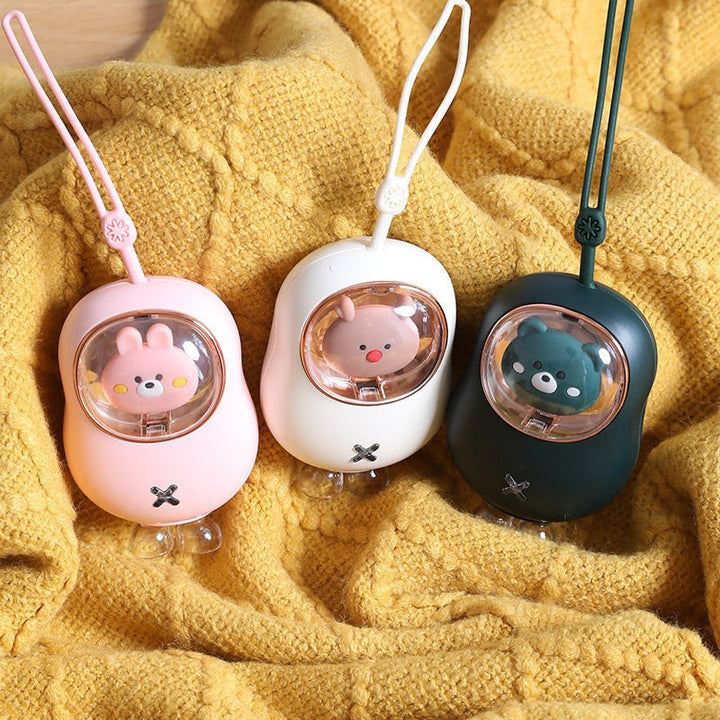
USB Hand Warmer with Kawaii Animal — Portable Desk Warmth


Sauna blankets are portable heating systems designed for at-home relaxation and heat sessions while you lie down. This guide focuses on far infrared sauna blankets and explains how to compare features, use one more comfortably, and decide whether this format suits your routine.
Start by matching the blanket to how and where you plan to use it. A far infrared sauna blanket should have a heat range that feels adjustable, clear controls, and enough coverage for your body when fully enclosed. Check the blanket’s folded size, storage requirements, and whether the surface is easy to wipe clean after use. A timer is useful when you want a defined session rather than monitoring the clock. Also review the product dimensions against your height and sleeping or lounge space. Shoppers comparing the best sauna blankets often focus on heat control, comfort, materials, timer settings, and cleaning as much as maximum temperature. If you are comparing a salon-grade detox and beauty blanket with smaller heating products, remember that a sauna blanket is designed for full-body use, while a waist belt or knee pad targets a smaller area.
Most sauna blankets in this category are full-body far infrared models that wrap around you while you rest. They differ in construction, control layout, heat settings, dimensions, and outer materials rather than being interchangeable with ordinary electric heating pads. A heating waist belt is more compact and intended for localized warmth around the midsection; it does not provide the same full-body enclosure. A heated knee brace or infrared knee pad is designed for the knee area and is better suited to targeted use. A USB hand warmer provides portable warmth for your hands or desk setup, not a sauna-style session. When comparing infrared sauna blankets, look for a full-length design, adjustable controls, and a timer. Terms such as “higher dose sauna blanket” may describe a retailer’s positioning, so compare the actual specifications and instructions instead of relying on the phrase alone.
Focus on practical specifications you can verify before buying. Adjustable heat levels let you begin gently and change the setting for comfort. A built-in timer helps you set a consistent session and avoid leaving the blanket running unattended. Look for a controller that is simple to read and operate while lying down. The inner surface should be comfortable against clothing or a towel, and the exterior should be straightforward to wipe according to the care instructions. Consider the power connection, cord length, folded dimensions, and storage method if you live in a small space. A portable IR sauna blanket can be useful for occasional home use because it folds away more easily than a sauna cabin. Do not assume every infrared sauna blanket has identical controls, coverage, or heat behavior; read the listed specifications and included instructions carefully.
Before your first session, read the product instructions, place the blanket on a stable, heat-safe surface, and inspect the controller and cord for damage. Wear light clothing or use a towel layer if recommended by the manufacturer, then start at a lower setting so you can judge how the heat feels. Set the timer before settling in, keep water nearby, and stop if you feel unwell, dizzy, overheated, or uncomfortable. Allow the blanket to cool before folding it, and wipe the interior as directed. Keep the controller and electrical connections dry, and do not use the blanket while sleeping or unattended. Session length should follow the manufacturer’s guidance rather than a universal rule. If you are pregnant, have a condition affected by heat, take medication that changes heat tolerance, or are unsure about use, ask a qualified healthcare professional first.
The main drawbacks are heat intolerance, sweating, cleaning, and the need to remain inside the blanket for the duration of a session. Some users may find the enclosed design restrictive or uncomfortable, especially if they prefer to move around. The blanket also requires access to a suitable power outlet and storage space, even though it is more portable than a sauna room. Heat can affect people differently, so a higher setting is not automatically better. You must also follow care instructions because moisture, folding, or spills around electrical components can damage the product. A sauna blanket is not a substitute for medical care, and marketing language about detox, cortisol, or calorie effects should not replace realistic expectations. If you mainly want warmth for your hands, waist, or knees, a smaller heating product may be more convenient than a full-body blanket.
Sauna blankets may suit adults who want a convenient, at-home heat and relaxation routine without installing a sauna cabin. They are especially practical for shoppers who value portability, adjustable settings, and compact storage. A full-body far infrared model is the better fit when you want coverage from shoulders to legs while lying down. Choose a waist belt, heated knee brace, or electric knee pad instead if your priority is localized warmth and you do not need full-body coverage. A USB hand warmer is more appropriate for desk use or carrying in a bag. No sauna blanket should be treated as a guaranteed way to flush out cortisol, treat a condition, or deliver a fixed equivalent to exercise. Review the instructions and consider professional advice before use if heat may be unsuitable for you.
Sauna blankets generate heat and can make you sweat while you lie inside them, so they work as portable heat devices. Their comfort, coverage, and results as part of a personal routine vary by person and product. They should not be presented as a guaranteed treatment or as a replacement for medical care.
Possible disadvantages include feeling overheated or restricted, managing sweat and cleaning, and needing a suitable place to use and store the blanket. Electrical products also require careful handling and should not be used unattended. People who do not tolerate heat well may prefer a smaller, lower-coverage heating product.
Follow the session guidance supplied with your specific sauna blanket and begin conservatively, especially if you are new to the product. Use the timer, keep water nearby, and stop if you feel dizzy, unwell, or excessively hot. Ask a qualified healthcare professional before use if you have a health concern or take medication that may affect heat tolerance.
There is no reliable basis for promising that a sauna blanket will reduce cortisol for every user. Heat may feel relaxing, but individual responses vary and a blanket is not a treatment for stress or a hormone-related condition. For concerns about cortisol or persistent stress symptoms, speak with a qualified healthcare professional.
There is no universal or medically established conversion between 30 minutes in a sauna blanket and exercise, calorie expenditure, or another activity. The experience depends on the blanket’s settings, the environment, and your individual response to heat. Avoid using a fixed equivalence as a reason to extend a session or replace regular activity.
Cortisol is a hormone regulated by the body, and there is no safe sauna-blanket shortcut for quickly flushing it out. Relaxation, sleep, regular activity, and professional support may be relevant to overall wellbeing, but individual needs differ. If you are concerned about cortisol levels or symptoms, consult a qualified healthcare professional rather than increasing heat exposure.