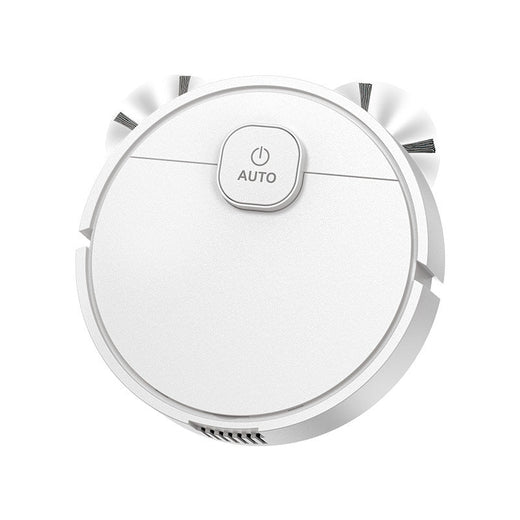
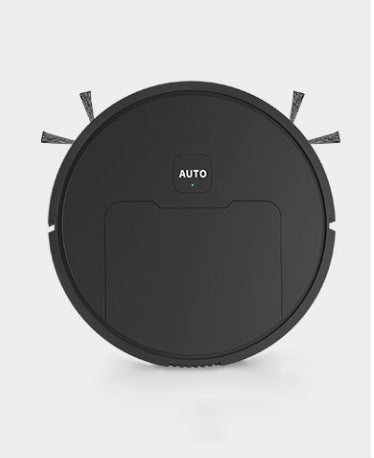
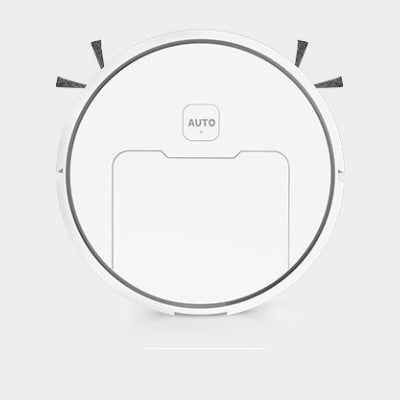
Robot Cleaners: Best Robot Vacuum & Mop for Floors
5 products
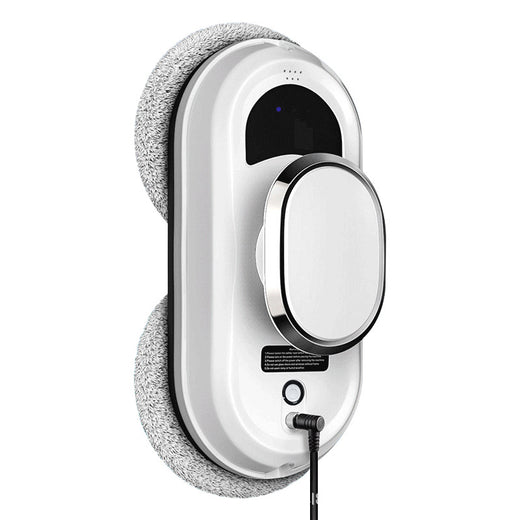
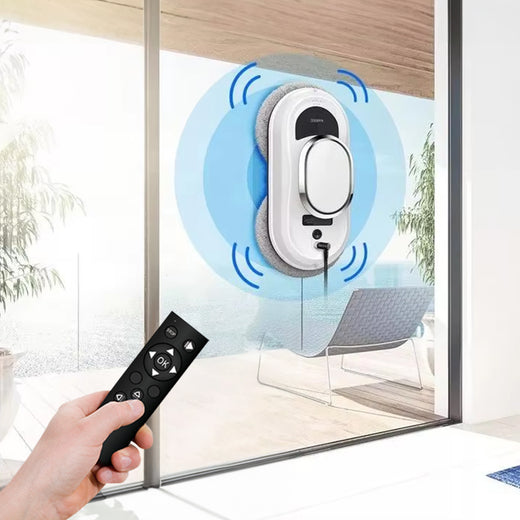
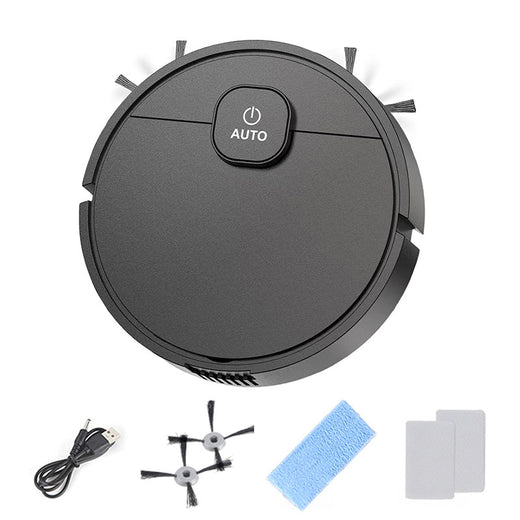
Robot cleaners can handle everyday floor care with less manual effort, from vacuuming pet hair to mopping hard floors and reaching beneath furniture. This category includes smart floor-cleaning robots and a dedicated window cleaning robot, so compare navigation, surfaces, clearance, and cleaning tasks before choosing.
How to choose the best robot cleaner for your home
Start with your floor types, room layout, and the messes you deal with most often. For several rooms or a larger open plan, the 3-in-1 Robot Vacuum & Mop with Li-DAR Smart Navigation is a practical choice because mapping can help it plan routes around the home. If pet hair is your main concern, the 3-in-1 Robot Vacuum with 1000Pa auto-cleaning is designed for routine hair and dust pickup. Choose the Slim Robot Vacuum & Mop when low furniture clearance matters. A window cleaning robot is a separate solution for smooth glass surfaces, not a replacement for a floor vacuum. If you are comparing a robot vacuum and mop combo, check whether its cleaning modes match your flooring before focusing on extra features.
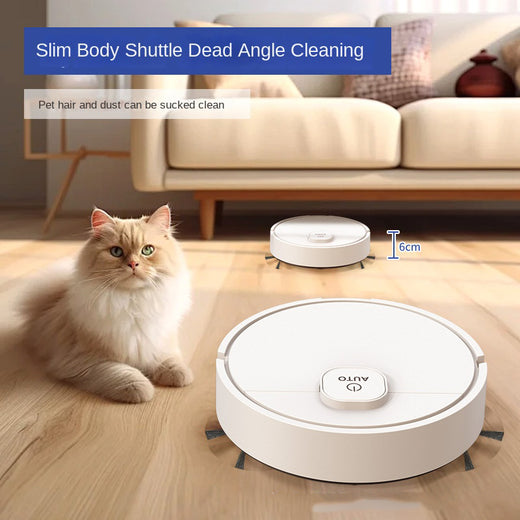
Robot vacuum and mop types compared
Robot cleaners generally fall into three useful groups. Vacuum-and-mop models combine floor pickup with damp cleaning, making them suited to hard floors and regular maintenance. The Li-DAR model adds smart navigation for homes where route planning and room coverage are priorities, while the slim model is better for getting under sofas, beds, and cabinets. A pet-focused vacuum model is aimed at everyday fur, crumbs, and dust, with auto-cleaning intended to reduce hands-on upkeep. Window cleaning robots work differently: they attach to compatible glass and clean windows rather than floors. Before buying, decide whether you need a dedicated robot vacuum, a best robot vacuum and mop combo, or a separate window tool.
What to look for in a robot cleaner
Look beyond suction claims and match the specification to your rooms. Navigation is important if you want a robot to cover multiple spaces without repeatedly missing areas; Li-DAR smart navigation can be useful for this type of layout. For pet owners, consider how the brush and dust-handling design will fit your cleaning routine, especially during shedding seasons. A slim body can make a bigger difference than extra power in homes with low-clearance furniture. For mopping, check that the model is intended for your hard-floor surfaces and follow its water and pad instructions. Also consider noise, charging space, bin capacity, controls, and replacement consumables. Search terms such as robot vacuum for pet hair or robot vacuum v8 pro can help research, but the actual product specifications should guide your decision.
How to use a robot vacuum and mop effectively
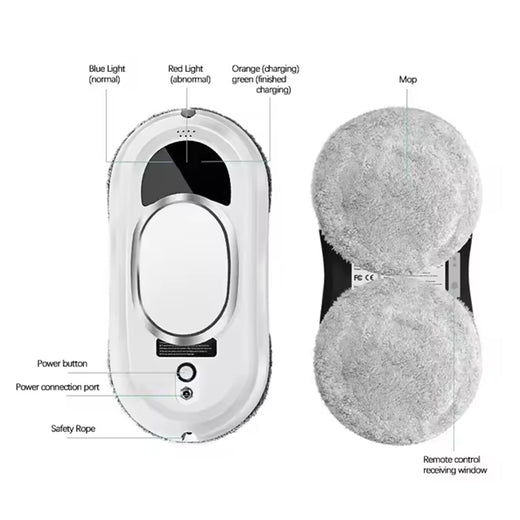
Prepare the room before the first cleaning run. Remove loose cables, clothing, small toys, and other objects that could obstruct wheels or brushes, then keep the charging area accessible. For a vacuum-and-mop model, use the correct water amount and attach the mop pad as instructed; avoid treating carpets with a wet pad unless the product specifically supports that use. Empty the dust container regularly, clean the brush and sensors, and wash or replace mop pads according to their condition. Let the robot map or learn the space when its navigation system supports that function. For a window cleaning robot, use only compatible smooth glass, secure the safety equipment, and supervise the first run so you can confirm reliable contact.
What are the common robot vacuum mistakes?
A common mistake is expecting a robot cleaner to replace every deep-cleaning task. These products are best for regular maintenance, while built-up dirt, stairs, upholstery, and tight corners may still need manual cleaning. Another mistake is buying a mop model for a home dominated by carpet without checking its floor modes. Leaving cables, socks, pet toys, or liquids in the robot's path can interrupt a run or cause damage. Do not ignore maintenance: hair around the brush, a blocked filter, dirty sensors, or a full bin can reduce performance. Finally, do not assume every window cleaning robot suits every pane; check surface compatibility, edges, frames, and safety requirements before use.
Who should buy a robot cleaner?
Robot cleaners suit households that want frequent, automated floor maintenance rather than a single intensive clean. They can be especially useful in homes with hard floors, open layouts, pets, or furniture that is difficult to clean beneath. The pet-hair model is a sensible starting point for routine fur and dust, while the slim vacuum and mop is suited to low-clearance rooms. Choose the Li-DAR model when planned navigation across several rooms is a priority. A window cleaning robot suits people who want help with compatible glass surfaces, but it serves a different purpose from a floor robot. If you need stairs, detailed edge work, or complete control over every pass, keep a conventional vacuum or mop as a companion.
Frequently asked questions
Which is the best robot cleaner?
The best choice depends on the surfaces, layout, and cleaning task. Choose the Li-DAR vacuum and mop for mapped multi-room cleaning, the pet-hair model for everyday fur and dust, or the slim model for low furniture. For glass, choose the dedicated window cleaning robot instead of a floor cleaner.
Do cleaning robots actually work?
Yes, robot cleaners can handle recurring dust, crumbs, pet hair, and routine mopping when the room is prepared and the product matches the surface. They still need emptying, brush and sensor cleaning, and occasional manual cleaning in corners, stairs, and heavily soiled areas.
What's the best robot cleaner on the market?
There is no single best model for every home. A useful comparison starts with navigation, floor compatibility, clearance, pet-hair handling, mop design, and maintenance needs rather than brand or headline features.
What is the best robot cleaner for home?
For a typical home, a robot vacuum and mop can provide versatile maintenance on suitable hard floors. Select Li-DAR navigation for more structured multi-room coverage, a slim body for low furniture, or the pet-hair model when fur and daily debris are the main priorities.
What are the downsides of a robot vacuum?
Robot vacuums require clear paths and regular maintenance, and they may not clean stairs, tight corners, upholstery, or deeply soiled areas as well as manual tools. Mop functions also depend on suitable floors and correct pad and water care.
Which robot vacuum cleaner is the best in 2026?
The right 2026 choice still depends on your home rather than the year alone. Compare current features with your needs: Li-DAR navigation for multi-room planning, a slim design for low spaces, pet-hair handling for fur, and combined vacuuming and mopping for suitable hard floors.