Skip to content

Stainless Steel Cleaners & Polish for Cookware and Stoves

19 products

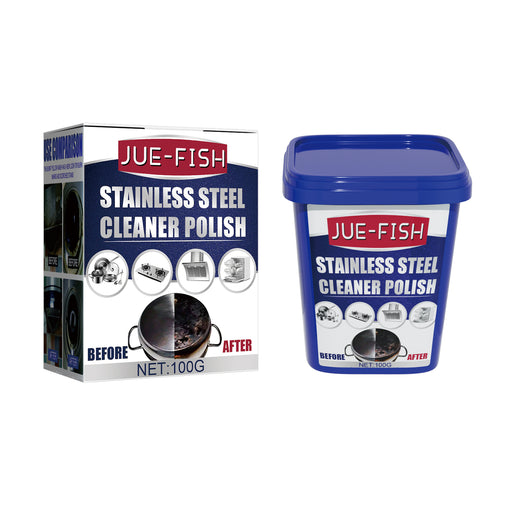
Stainless steel cleaners help remove grease, burnt-on residue, rust marks, water scale, and fingerprints from cookware, stoves, sinks, and appliances. Choose a cream, powder, foam, or spray based on the mess and the finish you want, then use a soft cloth or suitable stainless steel cleaning pad to protect the surface.

How to choose stainless steel cleaners for appliances and cookware

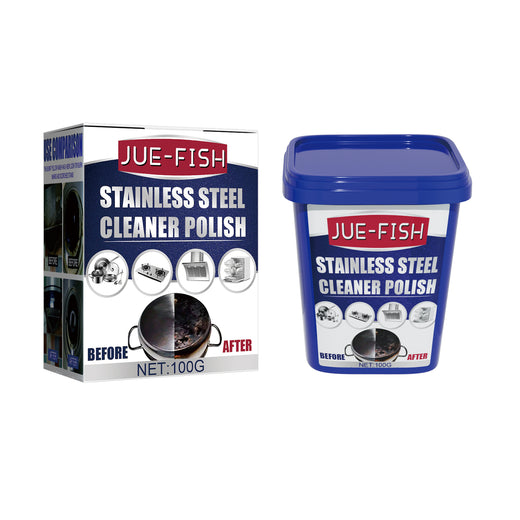
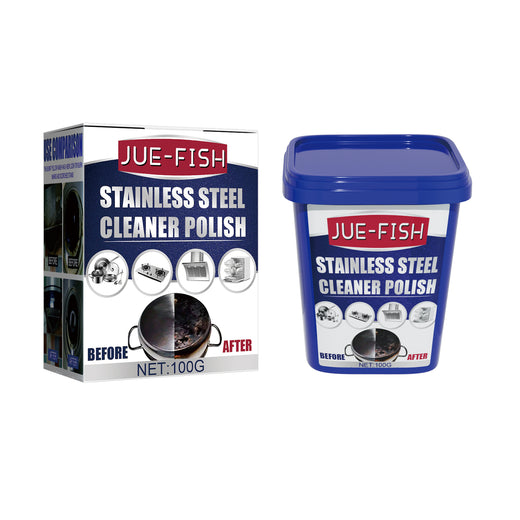
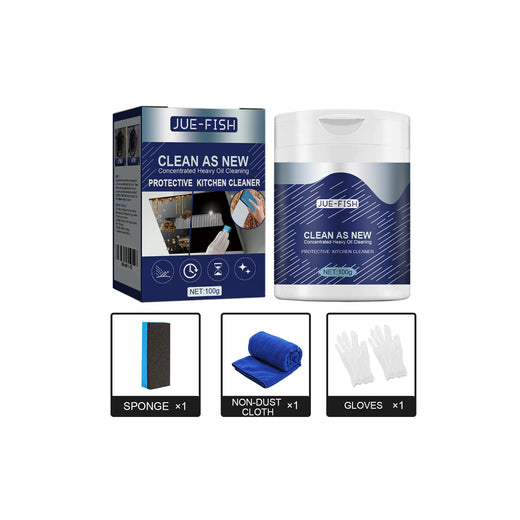
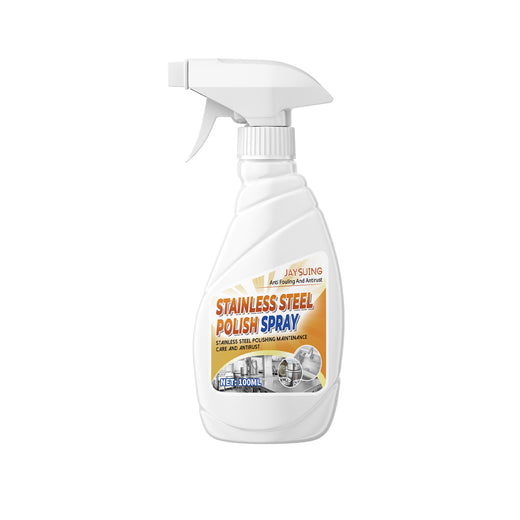
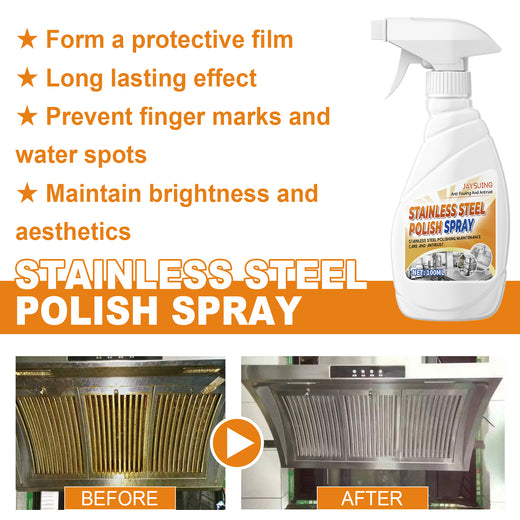
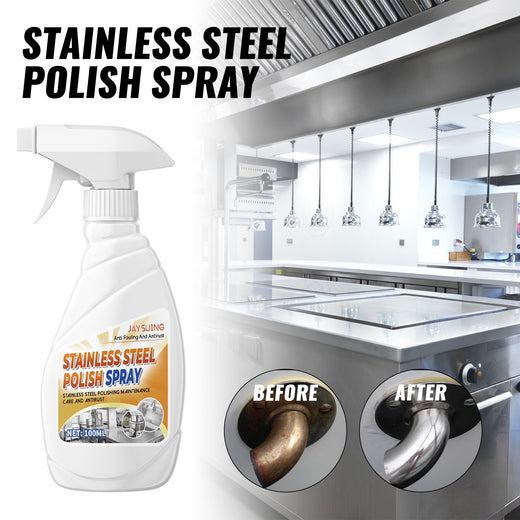
Start by identifying the surface and the type of residue. A stainless steel cleaner spray is convenient for fingerprints, light grease, and water marks on appliance doors and stove panels. Cream cleaners are better suited to stubborn spots, burnt residue, and some rust marks on cookware, while a kitchen cleaning powder kit can help tackle heavier grease when used according to its instructions. If you want one product for routine cleaning and presentation, look for a stainless steel cleaner and polish that removes smudges while leaving a more even shine. Always check the label for compatible surfaces, especially if your appliance has a brushed, coated, or decorative finish.

Stainless steel cleaner types compared

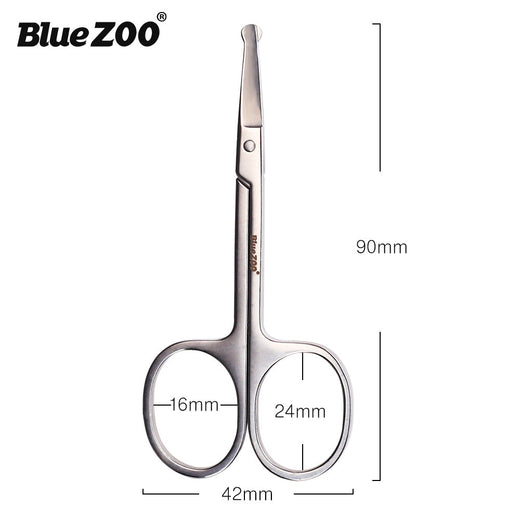
Sprays spread quickly across large appliance surfaces and are useful for everyday fingerprints, grease, and scale. Cream formulas give you more control over concentrated marks, including burnt-on deposits and rust-colored residue on cookware; apply gently rather than scrubbing aggressively. Powders can be useful for heavy kitchen grease, but they should be dissolved or applied as directed to avoid leaving gritty particles behind. Cleaning foams cling to vertical surfaces and can reduce dripping while you work. A stainless steel cleaning pad may help with difficult residue, but choose one designed for stainless steel and test it in an inconspicuous area first. Polish-focused formulas prioritize a clean, uniform finish after soil is removed.

What to look for in a heavy duty stainless steel cleaner

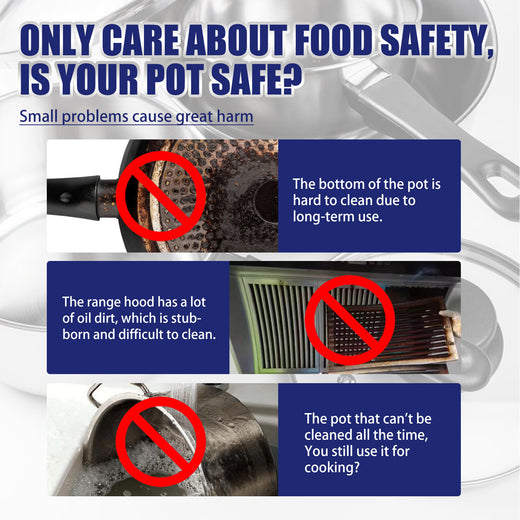
For heavy-duty cleaning, look for a formula clearly described for grease, burnt residue, rust, or mineral scale rather than a product intended only for polishing. A useful label should explain whether the cleaner is suitable for cookware, stovetops, appliance exteriors, or only particular stainless steel finishes. Consider the application method too: sprays are convenient for broad areas, creams target small problem spots, and foams can cling to upright surfaces. Check whether wiping, rinsing, or buffing is required after use. If fingerprints are your main concern, choose a cleaner and polish designed for a low-streak finish. For cookware, prioritize surface compatibility and thorough rinsing over fragrance or extra shine.

How to use stainless steel cleaner and polish

Remove loose crumbs and let hot cookware cool before cleaning. Apply a small amount of the selected cleaner to the surface or cloth as directed, then work with the grain of brushed stainless steel rather than using random circular motions. Allow the product to loosen grease or residue for the stated time, but do not let it dry unless the instructions specifically say to do so. Wipe away the cleaner with a clean, damp cloth when required, then dry the surface to reduce water marks. For a polish finish, use a separate dry microfiber cloth and buff lightly. Test any stainless steel cleaner spray, cream, or pad on a hidden area before treating the full surface.

What should not be used to clean stainless steel

Avoid abrasive powders, harsh scouring tools, and steel wool unless the product instructions specifically approve them for that surface. These can leave scratches, dull the finish, or create marks that are especially visible on brushed appliance panels. Do not mix cleaning products, and keep cleaners away from controls, openings, seals, and electrical components. Chlorine-based products and strong acids may be unsuitable for stainless steel, so read the label before use and follow the appliance or cookware maker’s care guidance. Salt, food residue, and cleaner left on the surface can also contribute to marks, so rinse cookware thoroughly and dry it after cleaning. When uncertain, begin with mild dish soap, water, and a soft cloth.

Who benefits from stainless steel cleaners and polish

These products suit anyone maintaining stainless steel refrigerators, ovens, range hoods, sinks, cookware, or stove surfaces. A spray is a practical choice for households that regularly deal with fingerprints and light splashes on appliances. A cream or powder kit is more appropriate for cooks facing burnt grease, stuck-on residue, rust-colored marks, or scale on pots and pans. A foam can be convenient for frequent kitchen cleaning and vertical surfaces, while a polish helps refresh the appearance after soil has been removed. If your kitchen has mixed finishes, choose a product with clear compatibility guidance and keep a soft cloth available. The category is especially useful when ordinary soap cleans the surface but does not provide the desired even, polished finish.

Frequently asked questions

What is best to clean stainless steel with?

For routine cleaning, use a product made for stainless steel with a soft cloth or microfiber cloth. Choose a spray for light fingerprints and grease, or a cream or powder formula for tougher cookware residue. Follow the label and wipe with the grain when cleaning brushed surfaces.

How to make stainless steel look new again?

First remove grease, burnt residue, rust marks, or water scale with a compatible stainless steel cleaner. Wipe away residue, rinse when directed, dry thoroughly, and then buff lightly with a clean cloth. A cleaner and polish can help create a more even finish, but it will not remove permanent scratches or damage.

What should not be used to clean stainless steel?

Avoid steel wool, harsh abrasives, and unapproved scouring pads because they can scratch or dull the finish. Do not mix cleaning products, and check labels before using chlorine-based or acidic formulas. Appliance and cookware care instructions should take priority.

What is the number one stainless steel cleaner?

There is no single best choice for every stainless steel surface or mess. A spray works well for fingerprints and everyday appliance cleaning, while a cream or heavy-duty formula is better for burnt grease, rust marks, or scale on cookware. Select based on the residue, finish, and instructions for the item you are cleaning.

Can Dawn soap clean stainless steel?

Mild dish soap can remove everyday grease and food residue from many stainless steel surfaces when diluted with water. Use a soft cloth, rinse away soap residue, and dry the surface to help prevent streaks or water marks. For burnt deposits, rust marks, or a polished appliance finish, a dedicated stainless steel cleaner may be more suitable.

How to make stainless steel shine like chrome?

Clean away grease and residue first, then dry the surface completely. Apply a compatible stainless steel cleaner and polish as directed and buff gently with a clean, dry microfiber cloth, following the grain where visible. Stainless steel can look brighter and more uniform, but its final appearance depends on the original finish and surface condition.