Cookware Cleaner for Stainless Steel & Non-Stick Pans
13 products
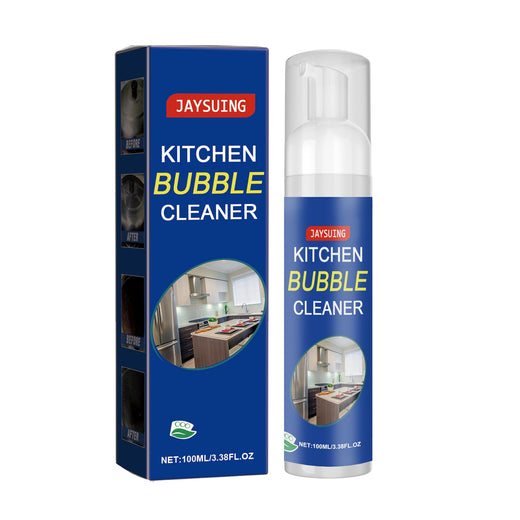
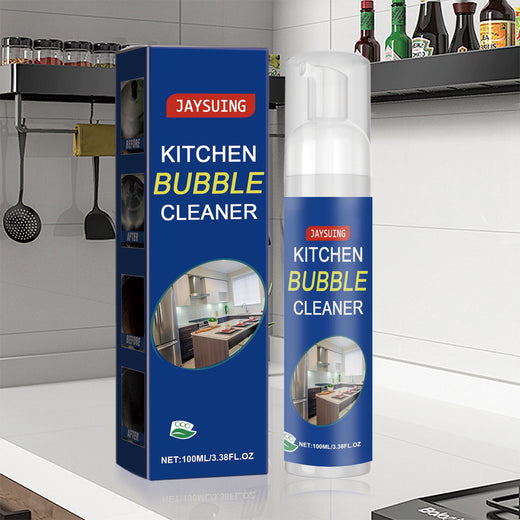
Find a cookware cleaner matched to the mess, finish, and pan material. This category includes powders, creams, foam, sprays, and practical accessories for removing grease, burn marks, rust, scale, and fingerprints from stainless steel cookware while helping you clean non-stick pans more gently.
How do I choose the best cookware cleaner?
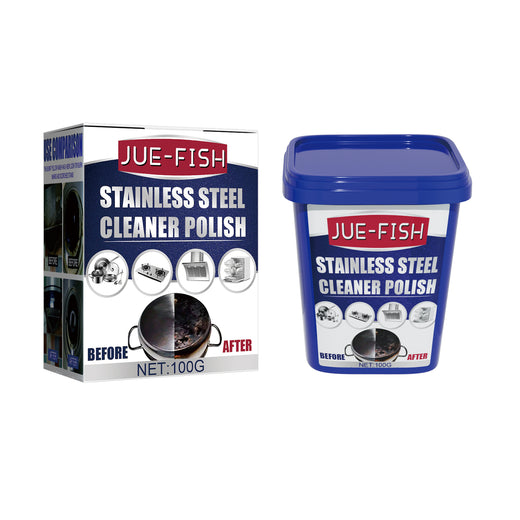
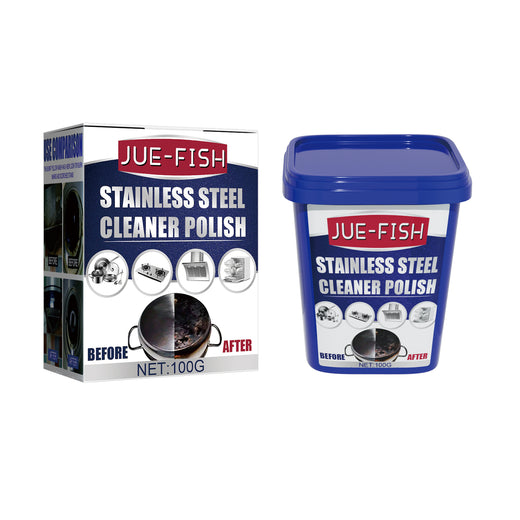
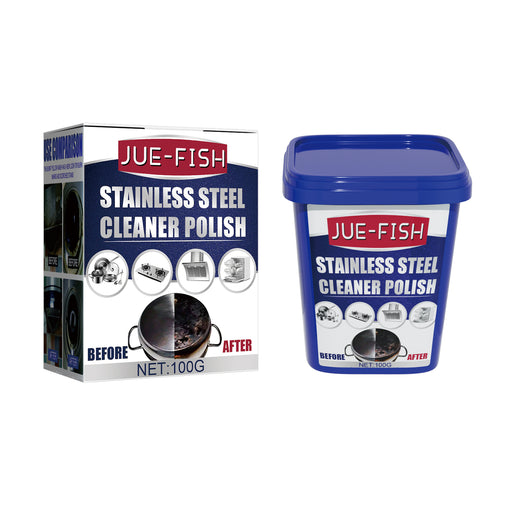
Start with the surface and the type of residue. For stainless steel pots and pans with heavy grease, baked-on food, or brown discoloration, a cleaning powder or cream provides more targeted scrubbing power. Choose a stainless steel cookware cleaner and polish when you want to remove marks and improve the surface finish. Sprays are convenient for rust, scale, and routine cleaning, while foam is useful for spreading over greasy areas before wiping. For non-stick pans, use a gentle cleaner, a soft cloth or sponge, and light pressure. Avoid treating every surface the same: a product designed for stainless steel may be too abrasive for a coated interior.
What types of cookware cleaner are available?
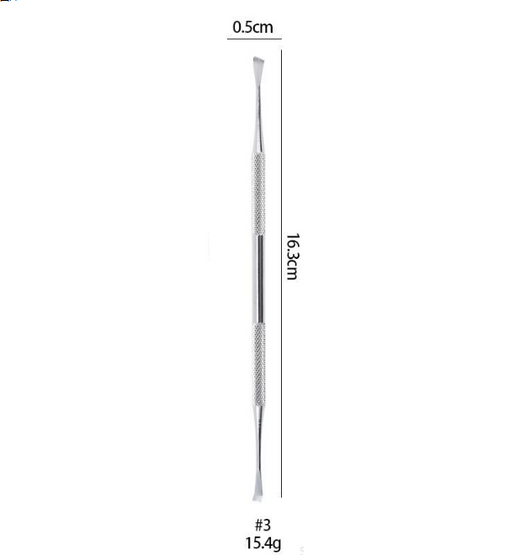
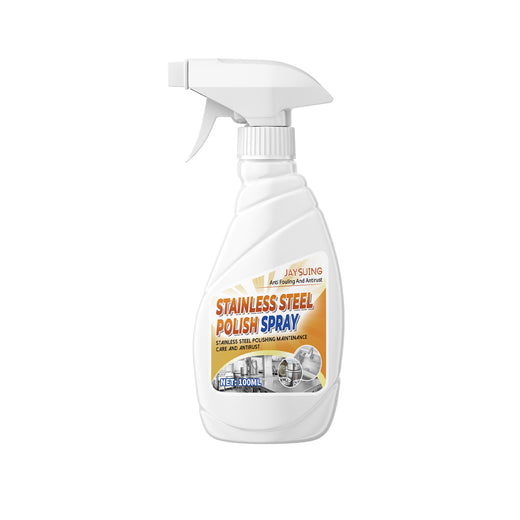
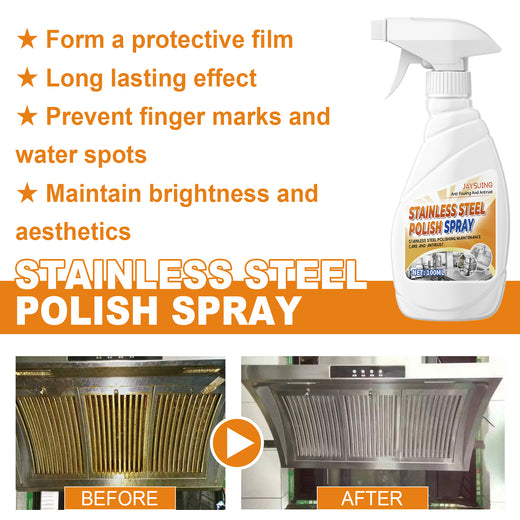
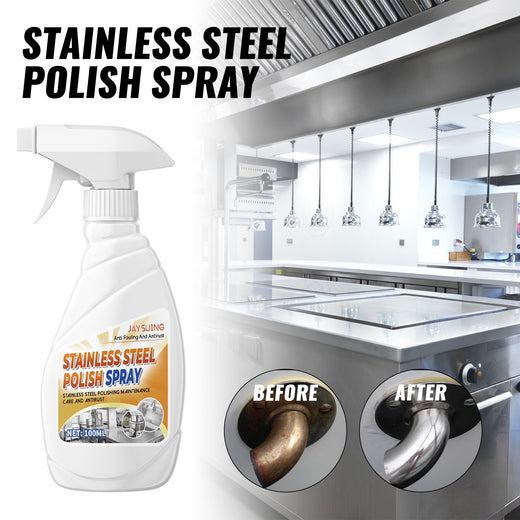
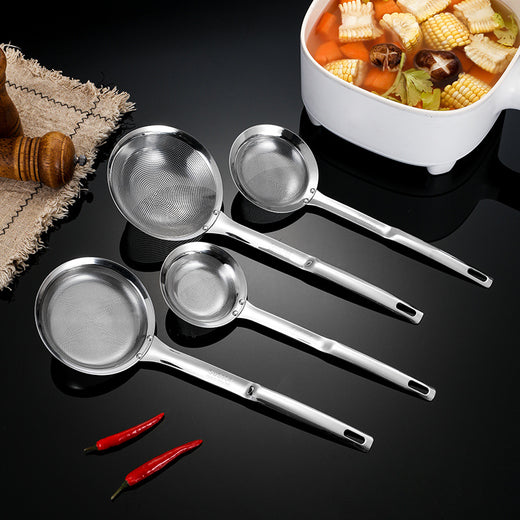
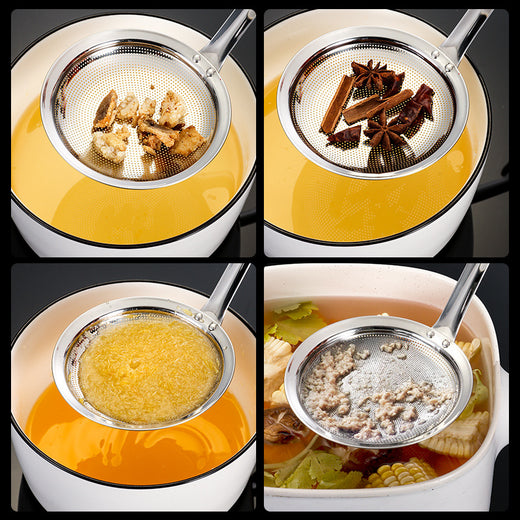
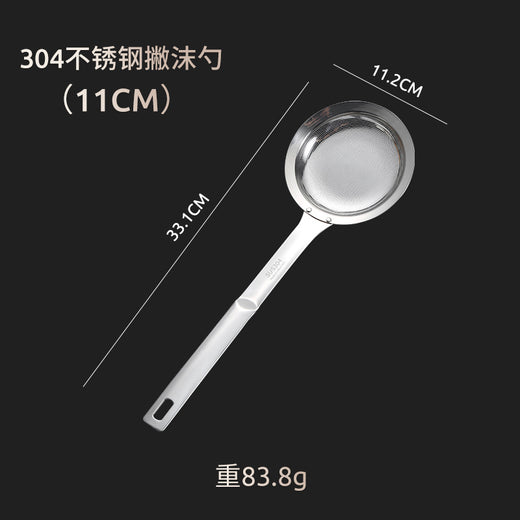
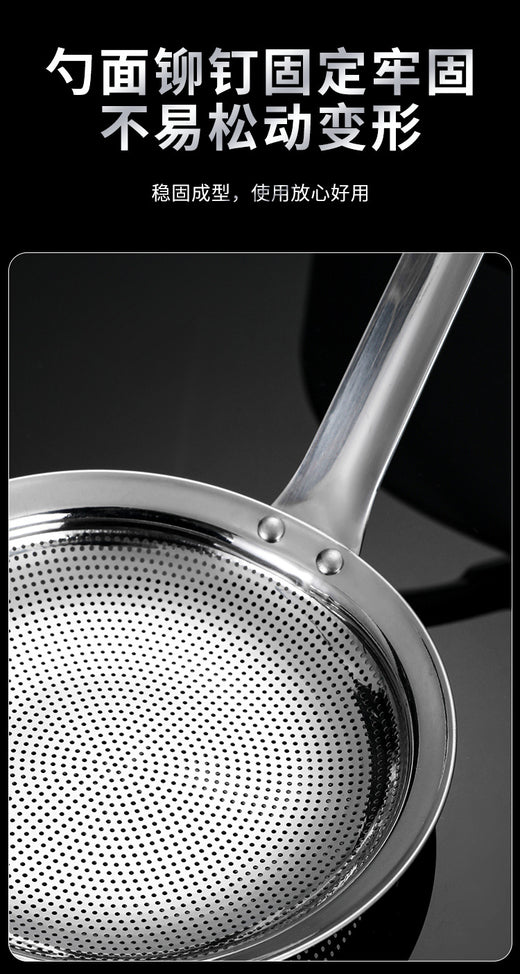
Powder cleaners are suited to heavy grease and stuck-on residue because you can apply a small amount directly where it is needed. Cream cleaners work well for burnt areas, rust, and visible marks while giving you control over the amount used. Foam is convenient for broad greasy surfaces and quick wipe-downs. A stainless steel cleaner spray is a practical choice for rust, mineral scale, and everyday cleaning, especially on exterior surfaces. A separate cleaner and polish can help reduce fingerprints and restore a brighter-looking finish after washing. Accessories also have a role: a stainless steel skimmer set helps remove foam and surface impurities during cooking, reducing what later needs to be scrubbed from a pot.
What should I look for in a stainless steel cookware cleaner?
Look for a formula that clearly matches stainless steel and the residue you need to remove. Burnt and rust removers are more relevant for discolored cookware than a polish intended mainly for fingerprints. If appearance matters, choose a stainless steel cleaning cream or cleaner-and-polish product that can address marks while leaving a cleaner-looking finish. For frequent kitchen use, consider the application method: powder is easy to portion, cream stays where you apply it, foam covers a larger area, and spray is quick for light or targeted cleaning. Check the care directions before using any product on non-stick interiors, brushed finishes, painted surfaces, or aluminum. A soft sponge, microfiber cloth, and thorough rinsing are useful additions.
How do I use cookware cleaner on burnt pans?
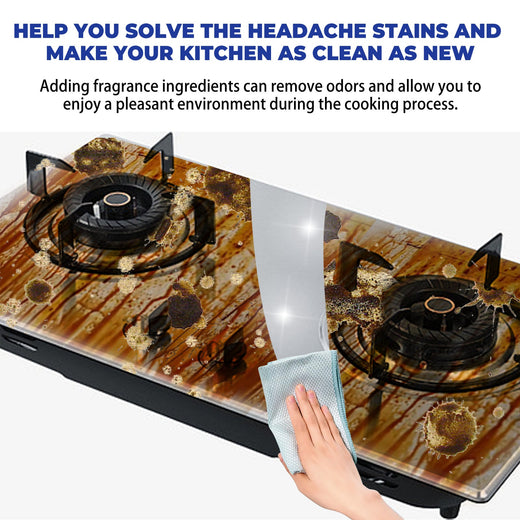
Let the pan cool completely, then remove loose food and rinse away surface grease. Apply the cleaner to the stained area according to its directions; use a small amount first rather than coating the entire pan. Work a cream or powder with a damp, non-abrasive sponge, using steady pressure on stainless steel. For stubborn brown marks on the bottom or sides, repeat the application instead of switching immediately to a harsh scrubber. Rinse thoroughly and dry to check the result. Use extra care with non-stick cookware: avoid abrasive powders, metal tools, and aggressive scrubbing unless the product specifically states that the coating is compatible. For routine cleaning, a foam or gentle wipe-down may be enough.
What should you not clean stainless steel with?
Do not assume that a rough abrasive pad is safe for every stainless steel finish. It can leave visible scratches, especially on polished or brushed surfaces. Avoid bleach-based products, steel wool, and cleaners not intended for cookware unless the manufacturer’s care guidance approves them. Do not leave cleaner residue sitting on the surface, and avoid mixing cleaning products. Scrub with the grain when the cookware has a directional brushed finish, then rinse and dry fully to reduce streaks and water spots. For non-stick pans, use a soft sponge and avoid metal utensils or abrasive cleaners that can damage the coating. Always test an unfamiliar product on a small, less visible area first.
Who needs a cookware cleaner and polish?
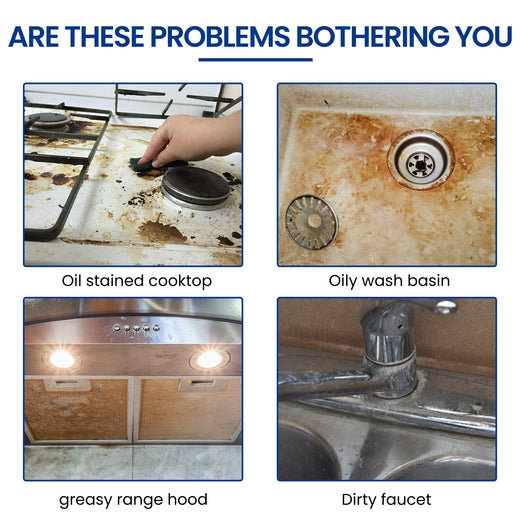
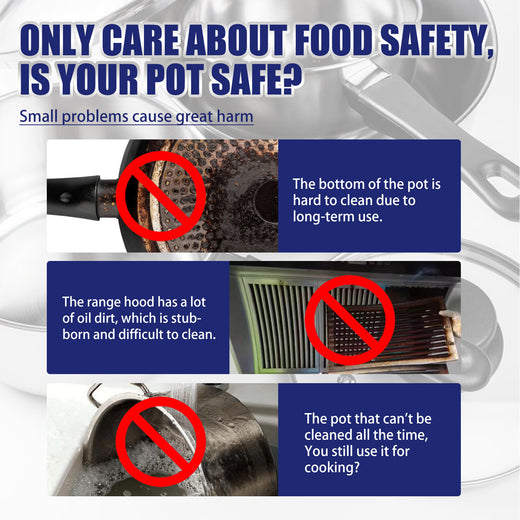
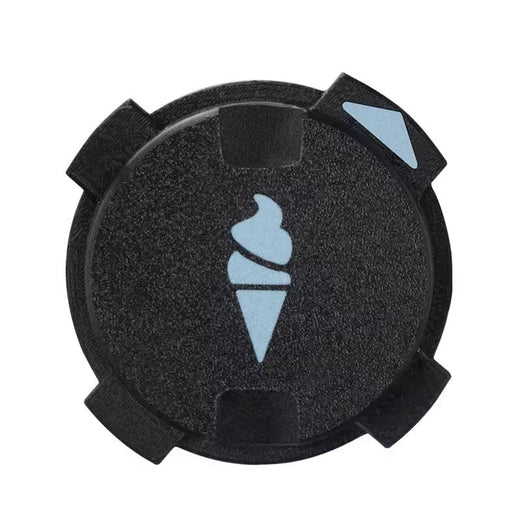
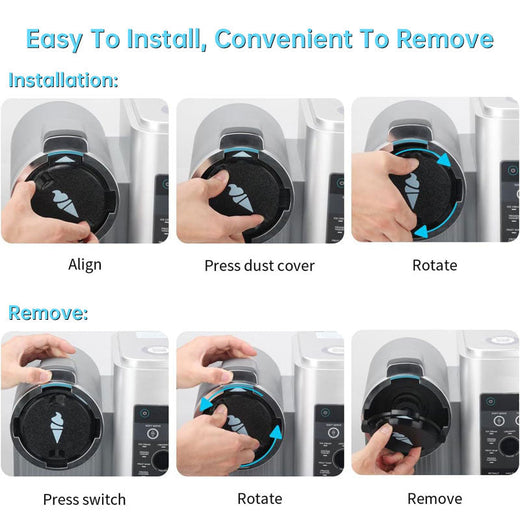
A dedicated cookware cleaner suits home cooks dealing with burnt-on food, brown pan bottoms, grease buildup, rust, limescale, or fingerprints that ordinary dish soap does not remove. Stainless steel cookware owners will get the most options from this category, including heavy-duty powder, burn-mark cream, rust-removing cream, cleaner spray, and anti-fingerprint polish. Cooks who clean several pans at once may prefer foam for faster coverage, while occasional users may want a compact cream or spray for targeted jobs. Non-stick cookware owners should focus on compatible, non-abrasive cleaning methods rather than maximum scrubbing strength. The skimmer set is useful for reducing foam during cooking, and the snap-on dustproof cover is suited to protecting compatible Ninja cookware between uses.
Frequently asked questions
What is the best cleaner for cookware?
The best choice depends on the pan material and residue. For stainless steel with heavy grease, burnt food, rust, or brown marks, choose a suitable powder or cleaning cream; for fingerprints and routine appearance care, use a stainless steel cleaner and polish. Non-stick pans generally need a gentle, non-abrasive cleaner and soft sponge.
How do I get the brown off the bottom of my pans?
For stainless steel, apply a cookware cleaning cream or powder to the cooled, damp surface and work it with a non-abrasive sponge. Rinse thoroughly and repeat if needed rather than using steel wool or a metal scraper. Check the product directions before applying anything to a non-stick coating.
What is the best cleaner for stainless steel pots and pans?
Choose a stainless steel cleaner based on the mark: a cream or powder for burnt food and heavy grease, a rust-removing cream or spray for rust and scale, and a cleaner-and-polish product for fingerprints and general finish care. Use a soft sponge, follow the grain where visible, rinse well, and dry the cookware.
What is the best thing to clean pots and pans with?
For everyday soil, warm water, dish soap, and a soft sponge are usually a good starting point. When that is not enough, use a cookware cleaner matched to the surface: powder or cream for stainless steel buildup, foam for broad grease, or spray for targeted rust and scale. Avoid abrasive tools on non-stick cookware.
What do chefs use to clean pans?
Professional kitchens typically match the cleaning method to the cookware and residue rather than using one product for everything. A suitable degreaser or cookware cleaner, a non-abrasive sponge, thorough rinsing, and prompt drying are practical choices for stainless steel. Coated pans require gentler handling to help protect the non-stick surface.
What should you not clean stainless steel with?
Avoid steel wool, harsh abrasive pads, bleach-based products, and unapproved cleaners that may scratch or discolor the finish. Do not mix cleaning products or leave residue on the pan. For non-stick interiors, also avoid abrasive powders and metal tools unless the cookware and cleaner instructions specifically allow them.