$49.90
Free delivery · 7–14 days
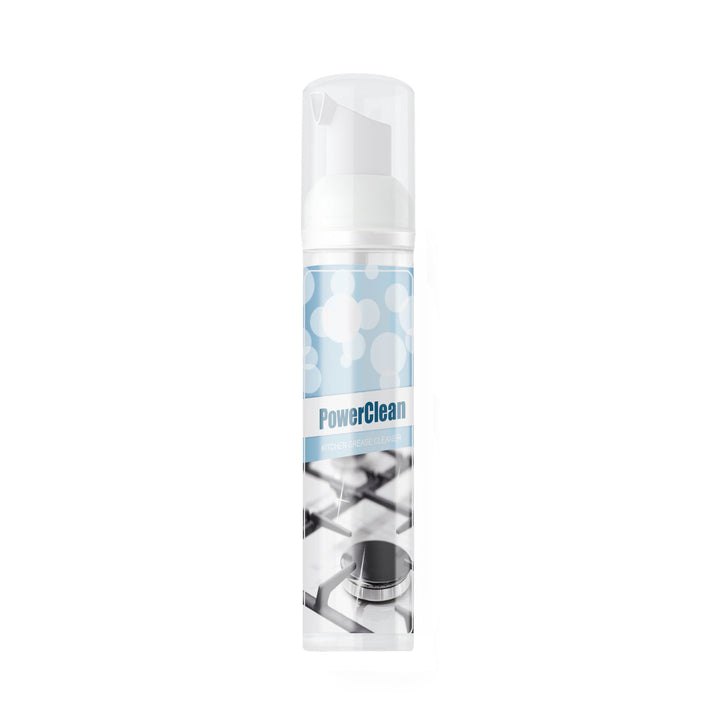
Heavy Oil Foam Cleaner — Kitchen Grease Remover Spray


Choose a grease cleaner based on the surface, the age of the buildup, and how quickly you need to work. This category includes sprays, gels, and powders for range hoods, filters, stovetops, ovens, and other greasy kitchen surfaces, with options suited to everyday cooking residue or heavier baked-on grime.
Start by identifying the surface and the type of residue. A spray is convenient for stovetops, hood exteriors, splashbacks, and other broad surfaces, while a gel can stay in contact with vertical areas and hardened grease. Powder is useful when you want to prepare a cleaning solution for range hood filters or heavier cleaning tasks. For a stove or oven, check the product directions before use and avoid applying cleaner to hot surfaces. If you are removing years of baked grease, look for a formula described for heavy-duty, baked-on, or set-in grime rather than a general surface cleaner. Always test an inconspicuous area first, especially on painted, coated, aluminum, or delicate finishes.
Foam sprays spread across a surface and make it easy to see where cleaner has been applied. They are practical for cooking grease on hood panels, stovetops, oven doors, and splash areas. Gel cleaners are suited to stuck-on deposits because the thicker texture can remain on the target area while you work. Powder cleaners can be useful for soaking or cleaning removable range hood filters, and some shoppers prefer them for combining with water to match the task. A heavy grease cleaner is not automatically suitable for every material, so match the product to the surface and follow its instructions. For grease cleaner commercial or professional grease cleaner searches, focus on dwell time, surface compatibility, and the size of the cleaning job.
For heavy cooking grease, look for clear directions covering baked-on grime, range hoods, filters, ovens, or stovetops. A useful product should explain whether it is ready to use, needs dilution, or is intended for soaking. Packaging should also state where it should not be used, such as certain metals, painted surfaces, natural stone, or sensitive coatings. Sprays are convenient for routine cleaning and large exposed areas; a gel may be easier to control on vertical or concentrated buildup; and powder can suit removable parts and soak cleaning. If you are comparing a cooking grease cleaner with a grease cleaner for cars, do not assume they are interchangeable. Kitchen formulas are selected for kitchen surfaces, while automotive components may require a separate product and different handling instructions.
Turn off the appliance and let all surfaces cool before cleaning. Remove loose grease and debris, then apply the spray or gel as directed; for a powder, prepare the solution according to the label. Give the cleaner time to work without allowing it to dry on the surface unless the instructions specifically permit this. Agitate stubborn areas with a suitable non-scratch brush or cloth, then wipe or rinse thoroughly. Removable range hood filters may be cleaned separately by soaking if the product directions allow it. Repeat the process for thick, old buildup instead of scraping aggressively. Ventilate the area, protect nearby surfaces, and wear the protective equipment recommended on the packaging. Always rinse food-contact areas thoroughly before use.
Do not apply grease cleaner to a hot stove, oven, hood, or filter, and do not mix it with bleach, acids, or other cleaning products. Avoid leaving a formula on longer than directed, particularly on aluminum, painted panels, printed controls, or coated surfaces. Scrubbing too hard can damage finishes even when the grease is stubborn, so soften the residue first and use a non-abrasive tool. Do not skip a small compatibility test when cleaning an unfamiliar surface. For old set-in grease stains, several controlled applications are usually safer than one aggressive attempt. Keep cleaner away from electrical components, fan motors, switches, and openings. Rinse or wipe away residue completely, especially around food preparation areas.
These products suit home cooks, landlords, cleaning teams, and food-service users who regularly deal with oil film or baked-on kitchen residue. A foam or spray is a practical choice for routine hood, stovetop, and oven cleaning, while gel is useful for localized deposits that need more controlled application. Powder may suit shoppers cleaning removable filters or tackling a larger soaking job. If you are searching for a grease cleaner machine, remember that these products are cleaners rather than machines; they can be used with manual wiping, brushing, or soaking as directed. For commercial kitchens, compare pack size, application method, surface compatibility, and cleaning frequency before choosing. Anyone with delicate finishes should prioritize clear instructions and patch testing.
For kitchen grease, use a cleaner designed for the specific surface and level of buildup. A spray is convenient for fresh residue and broad areas, while a gel or powder may be better suited to concentrated, baked-on grease or removable filters. Follow the product directions and test first on an inconspicuous spot.
The best option depends on where the grease is and how old it is. Choose a kitchen grease cleaner labelled for the relevant surface, such as a range hood, filter, stovetop, or oven, and select a heavy-duty formula for set-in deposits. Do not assume a cleaner for cars or industrial equipment is suitable for kitchen surfaces.
A purpose-made heavy grease cleaner can soften hardened cooking residue when applied as directed and left for the recommended contact time. Gel can help keep cleaner in place, while powder may be useful for soaking removable filters. Several gentle applications are safer than aggressive scraping, and the surface should be rinsed or wiped thoroughly afterward.
Remove loose debris, apply a suitable kitchen grease cleaner, and allow it to work for the time stated on the label. Use a non-scratch brush or cloth, wipe away the softened residue, and repeat if necessary. Work in sections and check compatibility first, especially on aluminum, painted, or coated surfaces.
Start with a cleaner intended for heavy or baked-on kitchen grease and apply it only to a cool, compatible surface. Let it work as directed, agitate gently, then rinse or wipe thoroughly. Avoid mixing products or using abrasive tools that could mark the finish.
Let the oven cool completely and remove loose crumbs or residue. Apply a suitable oven or kitchen grease cleaner according to its instructions, keep it away from heating elements and electrical parts, then wipe and rinse thoroughly. Stubborn black buildup may need repeated applications rather than forceful scraping.