Heavy Duty Degreaser to Cut Tough Grease, Grime and Oily Build-Up
6 products
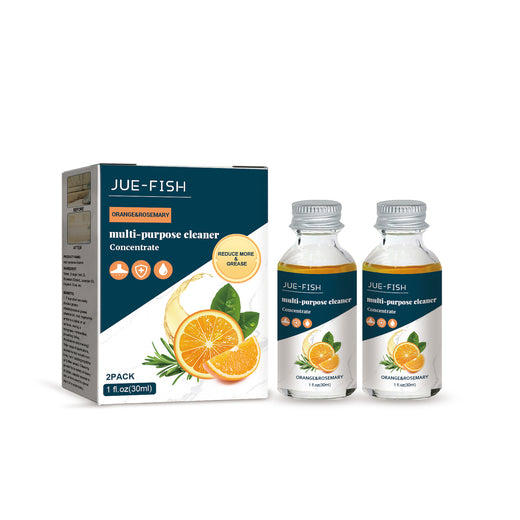
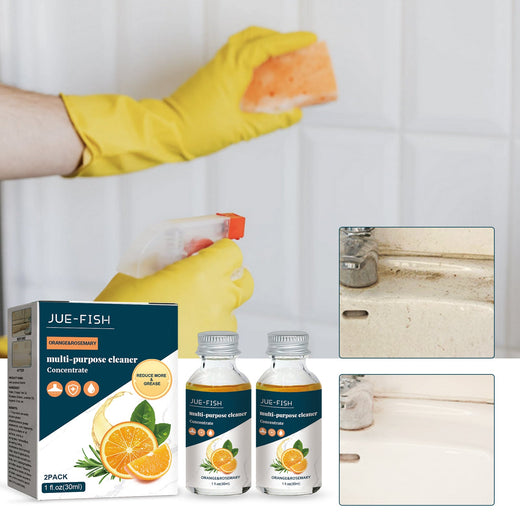
Choose a degreaser based on the grease, surface and cleaning method you need. This category includes ready-to-use sprays, a powder, a foam cleaner and an orange-powered concentrate for kitchen, automotive and general heavy-duty cleaning.
How to choose the best degreaser for tough grease
Start with the surface and the type of build-up. For stovetops, range hoods, backsplashes and other kitchen surfaces, choose a kitchen degreaser spray, foam cleaner or powder that is intended for grease and grime. For vehicle parts and exterior automotive surfaces, the car all-purpose degreaser is the more relevant option. A concentrate can suit larger cleaning jobs when you want to dilute the product according to the label. Ready-to-use degreaser spray is convenient for spot cleaning and quick wipe-downs. If you prefer a citrus-style cleaner, the orange-powered concentrate is an option to consider. Always check the product directions and test an inconspicuous area first.
What types of degreasers are there?
Degreasers in this category differ mainly by format and intended use. A spray is ready to apply and works well for targeted cleaning on kitchen surfaces or general grime. Foam cleaner clings to surfaces, which can help keep the product in place during cleaning. Kitchen cleaning powder is useful when you want a dry format for heavy grease and grime, while a concentrate is suited to preparing different cleaning strengths as directed. The car all-purpose degreaser is made for heavy-duty automotive cleaning tasks rather than routine dishwashing. For fast everyday kitchen cleanups, use a kitchen degreaser spray. For larger or more stubborn jobs, compare the powder, foam and concentrate formats.
What should you look for in a heavy-duty degreaser?
Look for a product that matches both the surface and the cleaning task. A heavy-duty degreaser should clearly state whether it is intended for kitchens, vehicles, general cleaning or specific materials. Consider whether you need a degreaser spray for convenience, foam for longer surface contact, powder for concentrated scrubbing or a concentrate for flexible dilution. Check the application instructions, required dwell time, wiping or rinsing steps and any surface warnings before buying. If fragrance matters, an orange-powered option may be preferable to an unscented or standard formula. Also consider pack size and frequency of use: a two-pack concentrate can be practical for repeated cleaning, while a ready-to-use bottle suits occasional spot treatment.
How do you use a degreaser safely and effectively?
Remove loose food, dirt or debris first so the degreaser can contact the oily build-up. Apply the spray, foam or diluted concentrate as directed, allowing the recommended contact time without letting the product dry on the surface. Wipe with a suitable cloth or scrub pad, then rinse or wipe again when the instructions call for it. For powder, follow the label guidance for applying and removing the product rather than guessing the amount of water. Wear the protective equipment specified on the label and keep the area ventilated. Never mix degreaser with bleach, acids, ammonia or other cleaners. Test a hidden spot, especially on painted, coated, delicate or finished surfaces.
What should you not use degreaser on?
Do not assume a kitchen or automotive degreaser is suitable for every material. Avoid using a product on surfaces excluded by its label, including delicate finishes, unsealed materials, natural stone, painted surfaces, plastics or coatings unless the directions specifically allow it. Do not use automotive degreaser on food-contact surfaces unless the product instructions clearly identify that use and provide the required rinsing steps. Keep degreaser away from skin, eyes and fabrics unless the label says otherwise, and avoid applying it to hot surfaces. If you are unsure, test an inconspicuous area first and stop if the finish changes, becomes dull or feels sticky.
Who is a heavy-duty degreaser best suited for?
A heavy-duty degreaser suits households, food-preparation areas and vehicle owners dealing with more than light daily soil. Choose a kitchen degreaser for cooker hoods, splashbacks, work surfaces and other areas where cooking oil accumulates. A car degreaser is better suited to automotive cleaning tasks such as oily exterior or mechanical grime when used according to its directions. Commercial users may prefer a concentrate, powder or multi-bottle format for repeated cleaning, while occasional users may find a ready-to-use degreaser spray easier to store and apply. These products are for cleaning jobs that need a dedicated grease-cutting formula, not a substitute for a surface-specific cleaner when the label recommends one.
Frequently asked questions
What can be used as a degreaser?
A purpose-made degreaser spray, foam, powder or concentrate can be used to break down grease and oily build-up when it is suitable for the surface. Some dish soaps and general cleaners can handle light grease, but tougher deposits may need a dedicated kitchen or automotive degreaser. Follow the product label and rinse when directed.
Is Dawn dish soap just a degreaser?
Dish soap is designed to clean dishes and can remove light food grease from washable surfaces. It is not necessarily the same as a heavy-duty kitchen or automotive degreaser, which may be formulated for more concentrated oily grime. Use each product only for the surfaces and applications listed on its label.
What is the best cleaning degreaser?
The best option depends on the surface, grease level and preferred format. Choose a kitchen spray for convenient spot cleaning, foam for cling, powder for heavy kitchen grime, a concentrate for repeated or larger jobs, or a car all-purpose degreaser for automotive cleaning. Compare the label directions and surface compatibility before buying.
What is the best type of degreaser?
Ready-to-use spray is often the simplest choice for quick, targeted cleaning. Concentrate can be more flexible for larger jobs, while powder and foam offer different approaches to heavy kitchen grease. The best type is the one specifically intended for your surface and cleaning task.
What is the most powerful degreaser?
There is no single strongest degreaser for every surface or type of grime. Heavy-duty powders, foams, concentrates and automotive formulas may suit different stubborn deposits, but strength must be balanced with surface compatibility. Choose based on the label instructions rather than using a stronger product where it is not approved.
What not to use degreaser on?
Do not use degreaser on surfaces excluded by the label, such as delicate finishes, unsealed materials, natural stone, painted surfaces or coatings unless specifically approved. Avoid using an automotive formula on food-contact areas without clear instructions for that use. Never mix degreaser with bleach, acids, ammonia or other cleaning chemicals.