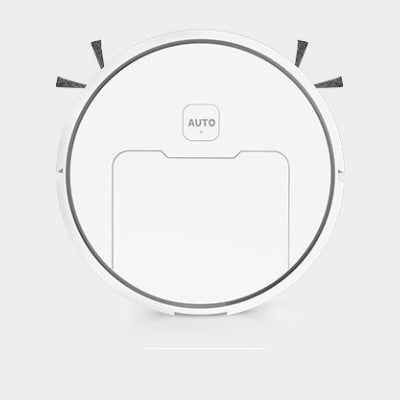
Robot Vacuums: Best Automatic Vacuum & Mop Robots for Home
4 products
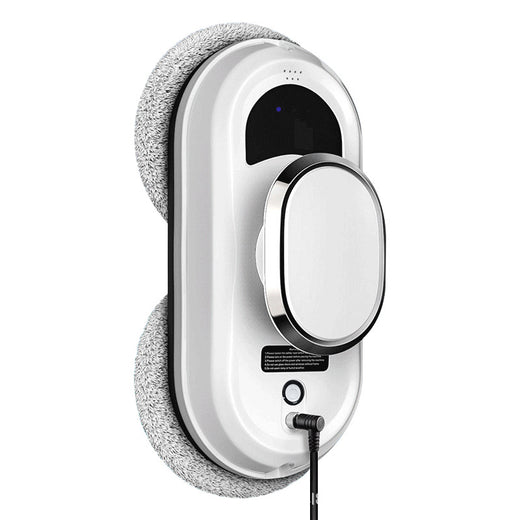
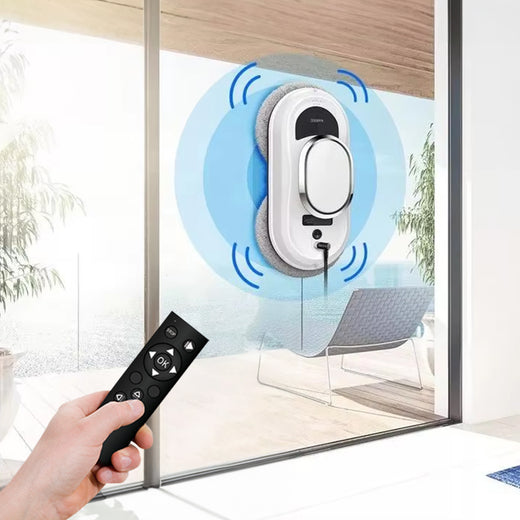
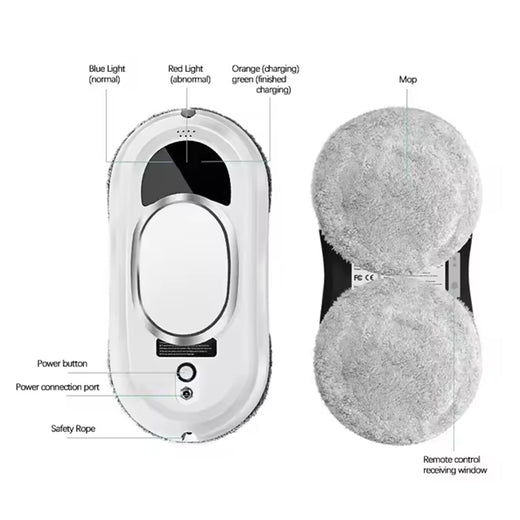
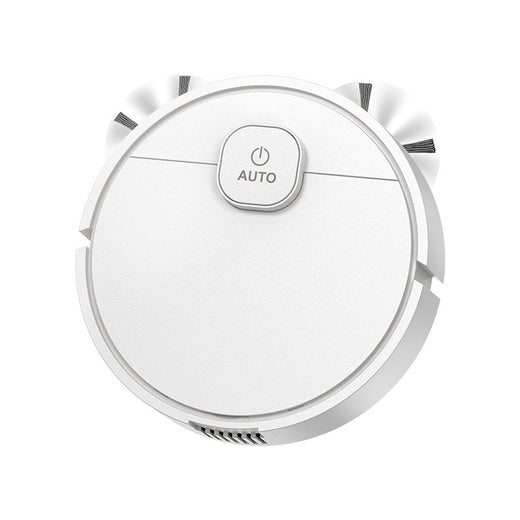
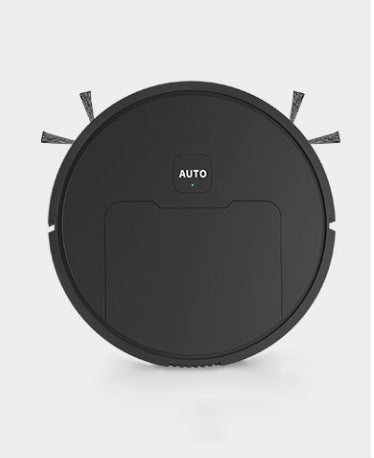
Robot vacuums automate routine floor cleaning, with selected models also mopping hard floors or navigating beneath furniture. This category includes a LiDAR-equipped vacuum and mop, a pet-hair model with 1000Pa suction, a slim vacuum and mop, and a 5600Pa window-cleaning robot for glass surfaces.
How to choose the best robot vacuum for your home
Start with your floor types, room layout, and cleaning priorities. For mixed hard floors and carpets, a robot vacuum with smart navigation can map rooms and follow more predictable routes. If you have pets, the 3-in-1 1000Pa auto-clean model is designed around routine pet-hair pickup. Choose a vacuum and mop if you want one device for dry debris and light hard-floor mopping; select the slim vacuum and mop when low furniture clearance matters. A window cleaning robot is a separate category for glass and should not be used as a floor cleaner. Consider whether you need app controls, scheduled cleaning, edge coverage, and easy access to brushes, filters, and the dustbin before deciding.
Robot vacuum and mop types compared
A standard robot vacuum focuses on collecting dust, crumbs, and hair, making it a practical choice for homes that mainly need dry floor cleaning. Robot vacuum and mop combinations add a water tank and mopping pad for hard floors, so they suit households seeking a single cleaning routine for everyday messes. The 3-in-1 model with LiDAR smart navigation is suited to more structured room-to-room cleaning, while the slim combination model is useful for reaching under sofas and cabinets. The 1000Pa auto-clean model targets pet-hair maintenance. For glass, the 5600Pa window cleaning robot uses a different design entirely. Compare these formats rather than treating every automatic cleaner as interchangeable.
What features should a robot vacuum have?
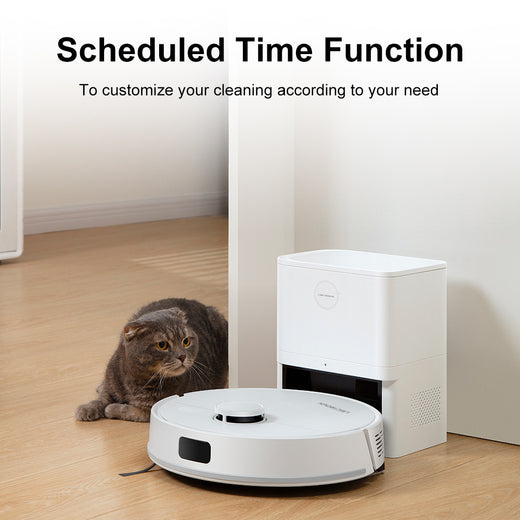
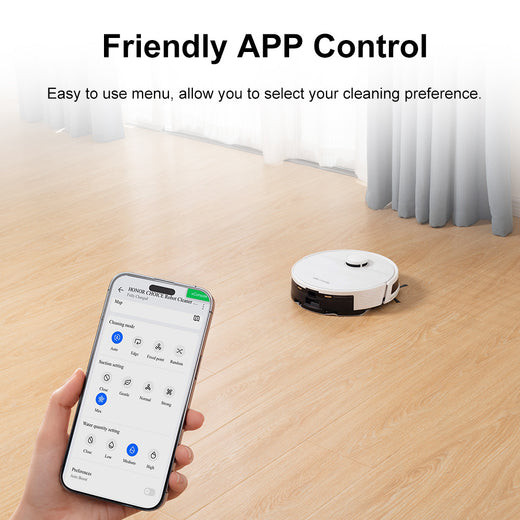
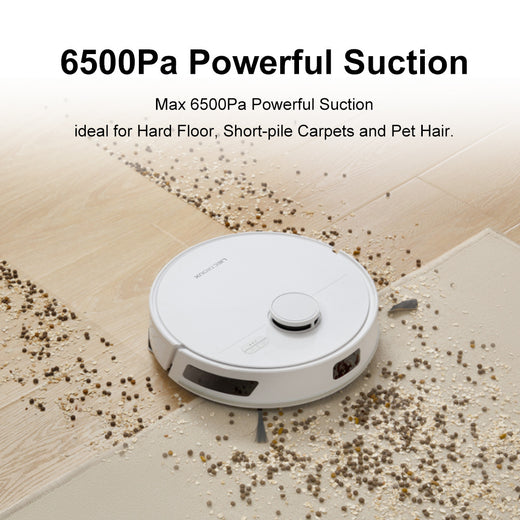
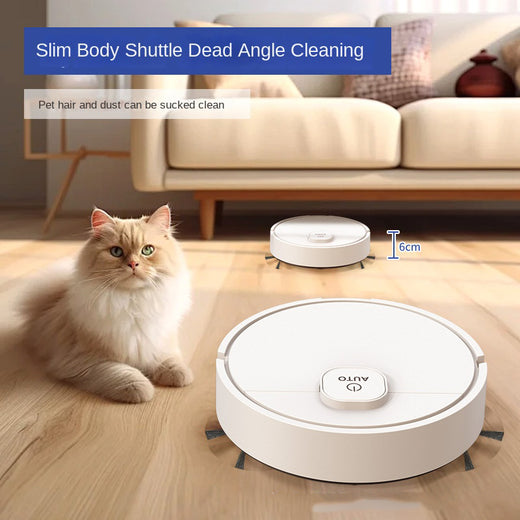
Navigation is one of the most important differences between models. LiDAR smart navigation can help a robot identify room layouts and plan routes, while simpler models may be better for straightforward spaces and basic scheduled cleaning. Check the stated suction level, especially if you need to collect pet hair or larger crumbs, but also look at brush design and how easily hair can be removed. For mopping, confirm that the model is intended for hard floors and check how the water tank and pad are maintained. A slim profile helps with low furniture. Also review control options, charging behavior, obstacle handling, replacement parts, and whether the dustbin, filter, brush, and mop pad are easy to clean.
How to use a robot vacuum and mop correctly
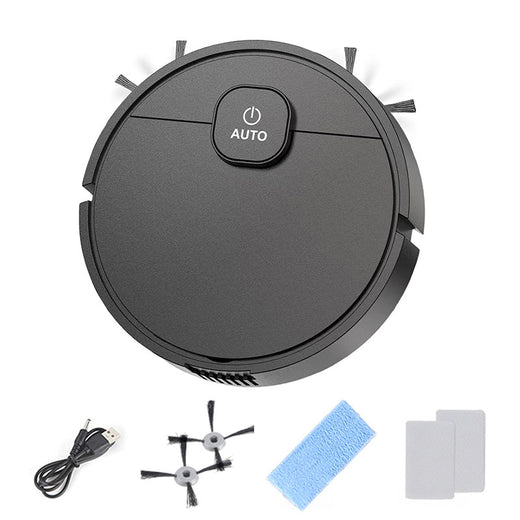
Before the first run, remove cables, loose clothing, small toys, and other items that could obstruct the robot. Give the device a clear path to its charging station and, where applicable, allow it to map the home before relying on room-specific schedules. Use the vacuum mode for carpets and mixed surfaces unless the instructions state otherwise. Fill the water tank only as directed, attach the mopping pad correctly, and keep the mopping route on suitable hard flooring. Empty the dustbin regularly, clean the filter and brush, and rinse or replace the mop pad as recommended. If using the window cleaning robot, prepare the glass and follow its safety and tether instructions; it is not a substitute for a floor robot.
Common robot vacuum mistakes to avoid
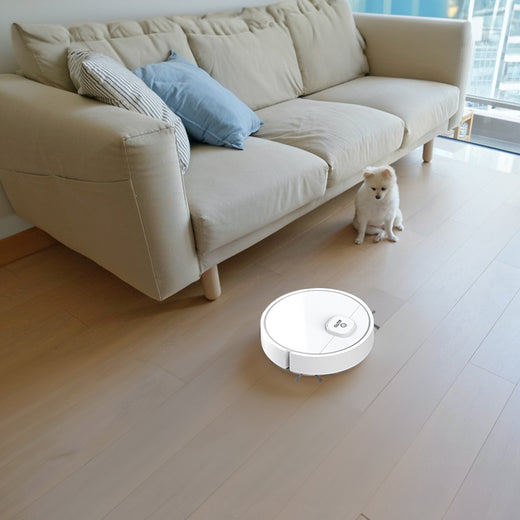
One common mistake is buying a mop combination when most of your home has carpet or when you do not want to maintain a water tank and pad. Another is overlooking clearance: a full-featured robot may not fit beneath low furniture, while a slim model may be a better match. Do not expect a robot to remove every stuck-on spill or replace occasional deep cleaning. Keep floors reasonably tidy so brushes do not catch cords or small objects, and do not block the charging station. Avoid using unsuitable cleaning solutions in the water tank, overfilling it, or leaving a damp mop pad attached for extended periods. Finally, check consumables and maintenance needs before choosing the cheapest option.
Who are robot vacuums best suited to?
Robot vacuums suit people who want frequent, automatic maintenance between deeper cleaning sessions. They can be useful in homes with open floor plans, hard floors, pets, or furniture that leaves enough clearance for a robot to pass. The pet-hair model is a practical starting point for routine hair and debris pickup, while the LiDAR vacuum and mop is better for shoppers who value planned navigation across several rooms. Choose the slim model if under-furniture access is a priority. They may be less suitable if your floors are heavily cluttered, your rooms have many thresholds, or you expect hands-off removal of deep stains. If glass cleaning is the goal, choose the dedicated window robot rather than a floor-cleaning model.
Frequently asked questions
What brand of robot vacuum is best?
The best choice depends more on your floor plan and cleaning needs than on a single brand name. Compare navigation, suction, brush maintenance, mopping features, clearance, controls, and replacement parts. In this range, choose LiDAR navigation for mapped cleaning, the pet-hair model for routine hair pickup, or the slim model for low furniture.
Which is the best rated robot vacuum?
Ratings can vary by household, floor type, and expectations, so there is no universal winner. A model with LiDAR smart navigation may be the better fit for multi-room homes, while the 1000Pa model is more focused on everyday pet-hair cleaning. Check reviews for performance on your surfaces, noise, app usability, and maintenance.
Which robot vacuum is the best?
The best robot vacuum is the one that matches your home. Choose a vacuum and mop for hard-floor cleaning plus light mopping, a slim model for reaching beneath furniture, or the pet-hair model for routine dry cleaning. For more structured navigation across rooms, consider the 3-in-1 LiDAR model.
Are robot vacuums actually worth it?
They can be worthwhile if you value frequent automated cleaning and are willing to perform basic maintenance. A robot can reduce the need for manual day-to-day vacuuming, but it still needs a clear route, an emptied dustbin, cleaned brushes, and occasional deeper cleaning. It is best viewed as a maintenance tool rather than a complete replacement for every cleaning task.
What are the downsides of a robot vacuum?
Robot vacuums need floor preparation, regular maintenance, and space around the charging station. They may struggle with clutter, tight gaps, thresholds, cables, or spills that need immediate manual attention. Vacuum-and-mop models also require water-tank and mop-pad care, while navigation features and larger designs may not suit every room.
What is the lifespan of a robot vacuum?
Lifespan varies with use, floor conditions, maintenance, battery wear, and replacement-part availability. Regularly cleaning the filter, brush, sensors, wheels, dustbin, and mop components can help keep the robot operating as intended. Follow the product instructions and replace worn consumables rather than continuing to use damaged parts.