
$63.90
Free delivery · 7–14 days
Baby Silicone Corner Protectors for Safer Furniture


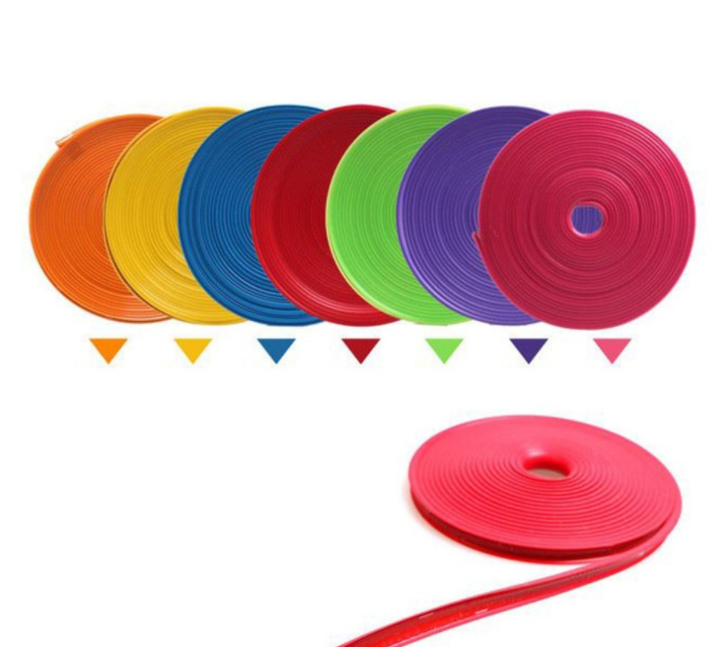
Rim protectors help shield the outer edge of a wheel from kerb contact, fitting marks and everyday scuffs. This guide compares wheel rim protector strips with rim-care products, explains how to choose a suitable option for your car, and covers installation, use and maintenance.
Start by checking the wheel design, rim-lip shape and the product’s stated compatibility. A wheel rim protector strip is intended to cover the exposed outer edge, while wheel rust remover spray is a cleaning product rather than a physical guard. Check whether the strip is supplied for one wheel or a complete set; the Wheel Rim Protector Strip listed here covers all 4 wheels in 7. Measure or inspect the rim edge before buying, especially if the wheel has a pronounced lip, unusual profile or existing damage. Consider how you use the car, including tight parking spaces, frequent kerbside parking and seasonal wheel changes. If you are searching for the best wheel rim protectors, prioritize a suitable fit, secure installation and clear care instructions over appearance alone.
The main option in this category is a flexible wheel rim protector strip that sits around the wheel’s outer edge. It is designed for ongoing protection against light contact and cosmetic scuffs, rather than repairing dents, cracks or severely damaged alloy. A rim protector for changing tires is different: it is usually a temporary fitting tool placed between a tire lever and the rim during tire removal or installation. Motorcycle rim protectors are also often shaped for motorcycle wheels and may not suit car alloys. Cleaning products, such as wheel rust remover spray, can help maintain the wheel’s appearance but do not replace a guard. Compare permanent-looking edge strips with temporary tire-changing protectors based on the job you need to do.
Look for a strip with enough flexibility to follow the wheel’s circumference without lifting at bends. The edge should sit neatly against the rim and leave the tire bead, valve area and wheel fasteners unobstructed. Review the installation method, adhesive or fixing system, surface-preparation instructions and any limits for wheel finishes. A complete set can be more convenient than buying separate pieces, particularly when protecting all four wheels at once. Choose a color and profile that work with your alloy design if visibility matters. Avoid relying on the phrase “best” alone: the most suitable rim protectors are the ones that match your wheel profile and driving conditions. If the rim is already loose, cracked or heavily corroded, address that condition before fitting a decorative or protective strip.
Clean the wheel edge thoroughly and allow it to dry before fitting a wheel rim protector strip. Remove loose dirt, brake dust and residue so the strip can make consistent contact; follow the product instructions for any approved cleaner and preparation steps. Work gradually around the rim rather than stretching the strip aggressively, keeping the edge aligned and pressing it down firmly as you go. Check the join, corners and valve area for lifted sections. After installation, inspect the protector before driving and again after the first few trips. Do not use an edge strip as a rim protector for changing tires unless the instructions specifically say it is suitable for that task. Tire removal tools can pull, cut or dislodge a strip.
Rim protectors can reduce direct contact between a wheel edge and minor kerb scrapes when they are correctly matched, installed and maintained. They cannot guarantee that an alloy will stay undamaged, and they are not a substitute for careful parking or professional repair after a hard impact. Service life depends on road use, contact with kerbs, weather, cleaning products, wheel temperature and how securely the strip remains attached. Inspect regularly for peeling, cuts, gaps, flattened sections or trapped dirt. Replace a damaged or loose protector rather than continuing to rely on it. Cleaning the wheel with a suitable product can support appearance and maintenance, but harsh tools or unsuitable chemicals may affect the strip or wheel finish.
Rim protectors for cars suit drivers who want an extra cosmetic barrier around alloy wheel edges, particularly those parking close to kerbs or using low-profile tires. They can also appeal to owners of recently refurbished wheels who want to help preserve the finish during everyday use. Motorcycle rim protectors should be selected separately because motorcycle wheel shapes, tire sizes and fitting conditions differ from car wheels. Drivers who only need protection while fitting or removing a tire should look for a dedicated rim protector for changing tires instead of a permanent edge strip. These products are less suitable when the wheel has structural damage, severe corrosion, a badly bent lip or an edge that cannot provide a clean fitting surface.
They can help reduce cosmetic damage from light kerb contact when the protector fits the wheel correctly and is installed securely. They do not prevent every type of wheel damage and cannot repair dents, cracks or severe corrosion.
The best option is one that matches your wheel profile, covers the intended rim edge and has clear fitting instructions. For a car, check whether a complete four-wheel strip set is more convenient than individual pieces, and do not confuse a permanent edge strip with a temporary tire-changing protector.
There is no single lifespan because wear depends on kerb contact, weather, cleaning and installation quality. Check for lifting, cuts, gaps or other damage regularly, and replace the strip if it no longer stays securely attached.
Choose a protector specifically described as suitable for car wheels and compare its dimensions and fitting method with your rim edge. Wheels with unusual profiles, heavy corrosion or structural damage may not provide a suitable surface for an edge strip.
They are optional protective accessories, not essential equipment for every driver. They may be useful if your wheels are vulnerable to kerb scuffs, but careful parking and regular wheel inspection remain important.
There is no universal best choice because wheel shapes, finishes and driving conditions vary. The strongest choice for your vehicle is a well-fitting product with secure installation instructions and a design intended for car wheel edges.