
$64.90
Free delivery · 7–14 days
Portable Wristband for Daily Comfort & Outdoor Wear


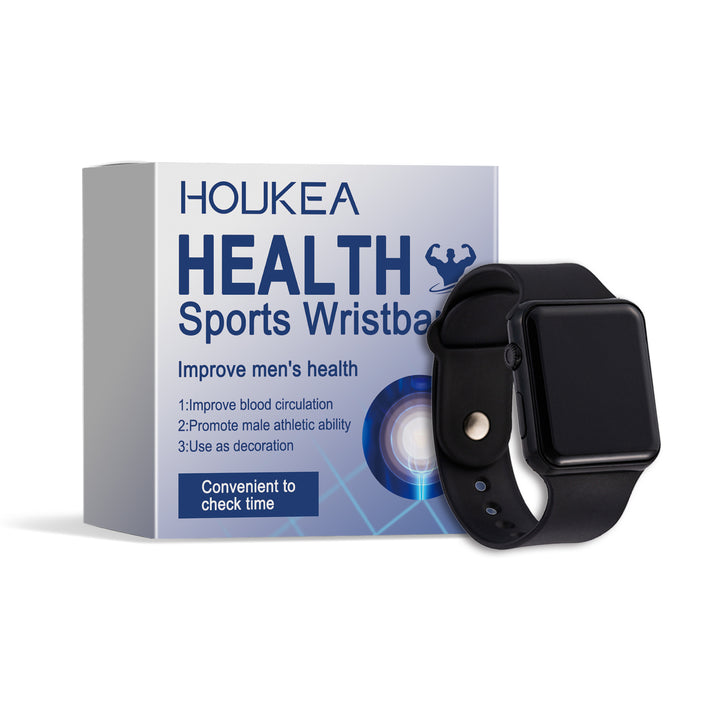


Reflective gear helps you become easier for drivers, cyclists, and other pedestrians to notice in low light. This category includes a reflective spray for night cycling plus wearable accessories and training items that can complement a visibility-focused routine.
Start with the activity, route, and amount of low light you expect. For walking near roads, look for reflective details that can be seen from the front, back, and side, rather than relying on one small patch. A wristband or headband can add movement and help outline you, but check the product description to confirm whether it is reflective or simply a comfort accessory. For cycling, reflective spray may be useful on suitable surfaces when applied exactly as directed; it should complement, not replace, required lights and reflectors. If you are comparing the best reflective gear for walking at night, prioritize coverage, secure fit, visibility from multiple angles, and ease of cleaning over appearance alone.
Reflective gear for runners commonly includes vests, bands, jackets, hats, and shoe or ankle details. Pieces that move with the arms and legs can make your position easier to judge, while a vest usually provides broader upper-body coverage. For cyclists, combine reflective clothing or spray with front and rear lights, legally required reflectors, and bright daytime clothing where appropriate. The listed portable wristband and sports headband may help organize a nighttime kit, but they are not automatically reflective; verify their materials and finish before treating them as visibility equipment. A sports watch can help you track time, while insoles and socks are comfort-focused accessories rather than reflective products.
Check whether the product uses reflective material, fluorescent color, LED lighting, or a combination. These features work differently: reflective surfaces need a light source pointed toward them, while fluorescent colors are generally more useful in daylight or dull conditions. Look for coverage on the torso, limbs, and sides, plus closures that stay secure while walking, running, or riding. With reflective spray, read the surface-compatibility, preparation, drying, and reapplication instructions before use. Avoid assuming that every sports accessory is reflective. A men's or women's wristband, headband, watch, sock, or insole may support training comfort, but only a product explicitly described as reflective should be selected for visibility.
Wear reflective items where approaching road users can see them without the material being covered by a coat, backpack, or loose hair. Add a light source when walking or cycling in genuinely dark areas, and face traffic according to local pedestrian and cycling rules. Before each outing, check that straps, fasteners, and wristbands are secure and that reflective surfaces are clean and undamaged. Apply reflective spray only according to its instructions, in a suitable ventilated area, and allow the treated item to dry fully before wearing or riding. Reflective gear improves visibility but does not guarantee that others will notice you, so use lit routes, stay alert, and avoid relying on headphones or phone screens near traffic.
A common mistake is choosing a bright item and assuming it is reflective. Bright or fluorescent fabric can look noticeable in a shop yet provide little reflection at night unless it includes a reflective component. Another mistake is selecting one small accessory when a route requires visibility from several directions. Do not cover reflective panels with a backpack, and do not use reflective spray on a surface unless the instructions allow it. Shoppers also sometimes treat running insoles, odor spray, stretch socks, or a digital sports watch as visibility products; these items may support comfort or training but are not substitutes for reflective clothing, lights, or required bike equipment. Check fit, care instructions, and product specifications before purchasing.
Reflective gear suits people who walk, run, commute, cycle, or walk a dog during dawn, dusk, or nighttime conditions. It can be especially practical for routes beside roads, shared paths, car parks, and poorly lit crossings. For dog walking, consider visibility for both you and your dog; reflective clothing for the handler does not make the dog visible, so use a suitable reflective or illuminated dog accessory separately. If you search for reflective gear near me, compare local stock by checking the actual reflective features, coverage, and fit rather than relying on a product title. Accessories such as wristbands, headbands, watches, socks, and insoles can complete an outdoor kit, but choose them for their stated function.
The best choice depends on your route and clothing layers, but a reflective vest or top with visible details on the front, back, and sides is a practical starting point. Add reflective bands or suitable accessories for moving limbs, and use a light when conditions are dark. Confirm that each item is genuinely reflective rather than only brightly colored.
Choose gear that provides visibility from multiple directions and remains visible when worn over your normal layers. A reflective vest can offer broad coverage, while wrist or ankle accessories can add movement. Pair reflective items with a torch or other light on unlit routes, and keep reflective surfaces clean and unobstructed.
A strong cycling setup combines front and rear lights, legally required reflectors, and reflective clothing or accessories. Reflective spray may be useful for suitable items when its instructions permit application, but it should supplement—not replace—bike lighting and reflectors. Select gear that remains visible from the front, rear, and side without interfering with movement or controls.
They may be described as reflective clothing, high-visibility clothing, visibility wear, reflective apparel, or reflective safety gear. These terms are not always interchangeable, so check the product details for reflective panels, trims, or fabric. Fluorescent clothing can improve daytime visibility but is not necessarily reflective at night.
Reflective clothing usually includes a reflective trim, tape, print, or coated material that returns light toward its source. Ordinary bright fabric is not automatically reflective, and fluorescent fabric is mainly intended for daytime visibility. Check the specification and care instructions rather than judging by color or appearance.
Yes, reflective clothing can make pedestrians, runners, and cyclists easier to notice in low light. It works best when worn where it is visible from several angles and combined with appropriate lights, safe routes, and attentive behavior. Reflective clothing improves visibility but cannot guarantee that drivers or other road users will see you.