
$64.90
Free delivery · 7–14 days
Pet Ear Cleaner for Gentle Earwax and Odor Relief



Pet ear care products can help remove surface dirt, excess wax, and everyday odor from a cat or dog's outer ear area. This guide compares ear washes, wipes, pads, and visual tools so you can choose an option that matches your pet's routine while recognizing when professional veterinary advice is needed.
Start by considering your pet's size, temperament, and ear-cleaning routine. A pet ear wash can suit owners who prefer a liquid applied with cotton or a soft pad, while ear wipes and finger wipes offer a controlled option for quick surface cleaning. Pads may be useful when you want a larger, pre-moistened surface for the outer ear. For nervous pets, a finger wipe can provide more direct handling than pouring in a solution. Check the product directions for species and use instructions before buying. Avoid choosing a homemade dog ear cleaning solution simply because it is convenient; household ingredients may irritate the ear or make it harder to assess a problem. If your dog has pain, discharge, swelling, strong odor, or persistent scratching, ask a veterinarian before cleaning.
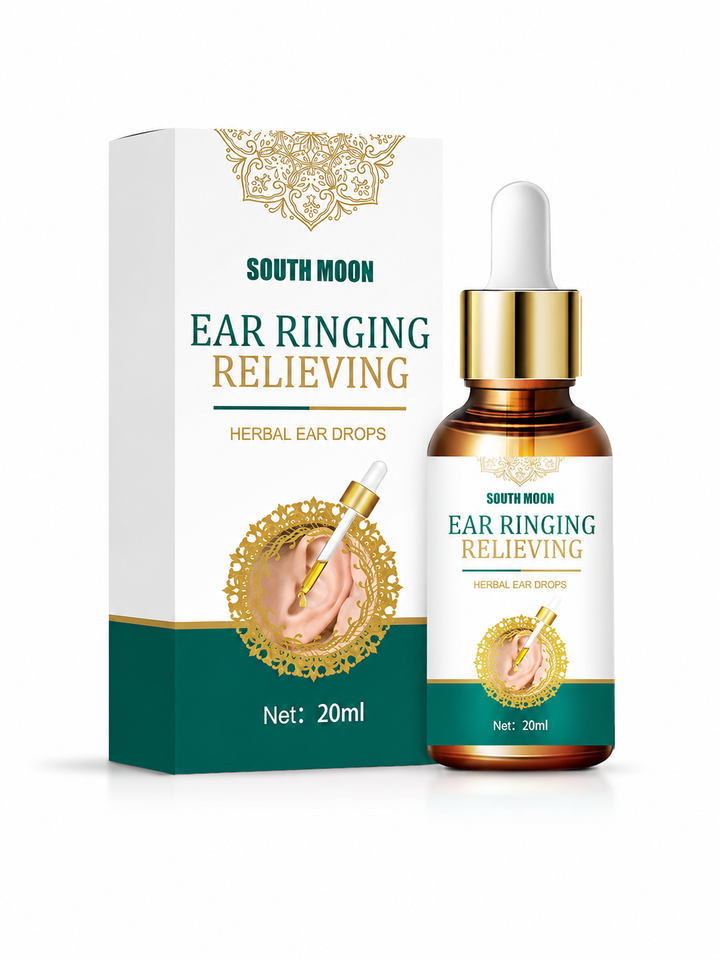
Ear washes, pads, wipes, and visual inspection tools serve different purposes. A liquid pet ear wash is suited to a planned cleaning session and can help loosen surface debris when used as directed. Pet ear cleaning pads and dog ear wipes are ready to use and reduce measuring or pouring. Finger wipes fit over a finger, making it easier to reach the visible folds of the outer ear without inserting a tool deeply. A USB endoscope can help you view the ear area, but it is not a substitute for examination or treatment and should not be pushed into the canal. Products marketed for human tinnitus or itchy ears are not automatically suitable for pets. Choose an item clearly intended for cats or dogs and follow its label.
Look for clear directions, a stated cat or dog use case, and instructions explaining where the product should be applied. For routine pet ear care, convenient packaging matters: a 60-piece jar can work for repeated pad use, while individually handled wipes may suit travel or occasional cleaning. Consider whether your pet tolerates liquid, a pad, or a finger covering. Odor-removal language describes freshness and cleaning, not a diagnosis or cure. Be cautious with products that make broad promises about healing an infection, stopping itching, or replacing veterinary care. Also check storage guidance, expiry information, and whether the product is intended for the outer ear only. Never assume a human ear product, herbal drop, or homemade mixture is appropriate for an animal.
Choose a calm location and let your dog inspect the unopened wipe, pad, or bottle first. Follow the product directions, gently lift the ear flap, and clean only the visible outer folds and entrance of the ear. Use a fresh section or new wipe for each pass, and stop if your pet shows pain or becomes distressed. Do not insert cotton swabs, endoscopes, fingers, or other objects deep into the canal, and do not force liquid into an ear that looks swollen or painful. A natural approach to cleaning dog ears at home is not necessarily safer; water, vinegar, oils, and other kitchen ingredients can cause irritation. Dry the outer ear if directed, reward cooperation, and keep the session brief.
Cleaning too often can irritate the skin, while cleaning too rarely may allow visible debris or odor to build up. There is no single schedule for every pet, so follow product directions and any veterinary recommendation rather than using a fixed routine for an infected ear. Other mistakes include sharing one dirty wipe between both ears, inserting objects into the canal, using products made for people, and masking odor without checking for discomfort or discharge. Do not try to heal a dog's ear infection at home with unapproved drops or homemade solutions. If head shaking, scratching, redness, odor, discharge, or sensitivity continues, pause routine cleaning and contact a veterinarian. Ear flushing surgery cost questions also belong with a veterinary clinic, since the need and price depend on examination findings.
Pet ear wash suits owners who want a liquid format for planned cleaning and are comfortable following application instructions. Cleaning pads work well for wiping the outer ear with a broad, ready-to-use surface, while finger wipes can suit pets that resist bottles or owners who want close control. Standard ear wipes are convenient for quick maintenance at home or while traveling. A USB endoscope may interest careful owners who want to view the visible ear area, but it should be used only as directed and never as a deep-cleaning instrument. These products are for routine care, not for diagnosing or treating every ear problem. Pets with recurring symptoms, pain, injury, heavy discharge, or suspected infection should be assessed by a veterinarian before product selection.
Use a cat- or dog-specific ear wash, cleaning pad, or ear wipe according to its directions. Clean only the visible outer ear and avoid cotton swabs or other objects inserted into the canal. If the ear is painful, swollen, bleeding, or producing discharge, contact a veterinarian before cleaning.
Do not rely on home cleaning to heal a suspected infection. Ear symptoms can have different causes, and the appropriate treatment requires veterinary assessment. You can keep the outer ear clean only if your dog is comfortable and the product directions allow it, but stop if symptoms worsen.
A suspected ear infection should not be treated with homemade mixtures or human ear drops without veterinary guidance. Persistent odor, discharge, redness, pain, head shaking, or scratching warrants professional advice. A veterinarian can determine whether cleaning is appropriate and recommend the next step.
Avoid scratching, probing, or applying oils, vinegar, alcohol, or unapproved drops. Keep the outer ear dry and seek veterinary advice, especially if the irritation is painful, swollen, hot, or accompanied by discharge. A pet ear wipe should be used only when the label permits it and your dog tolerates gentle handling.
Stop inserting anything into the ear and arrange a veterinary assessment, particularly if the behavior is frequent or sudden. Repeated head shaking and scratching can occur with several ear problems, and cleaning alone may not address the cause. Do not use a homemade solution or human ear product while waiting for guidance.
Use only a product specifically labeled for dogs and suitable for the symptoms, and follow veterinary or product instructions. Do not put human tinnitus drops, essential oils, vinegar, alcohol, or other homemade remedies in the ear. If itching persists or occurs with odor, discharge, redness, or pain, contact a veterinarian.
Browse related: Shop all Pet Skin Care: Mange, Ringworm & Mite Treatment for Dogs & Cats · explore pet flea & tick treatment - fast-acting spray for cats & dogs.