Joint Care Drops: Joint Flex Support for Movement & Flexibility5 items

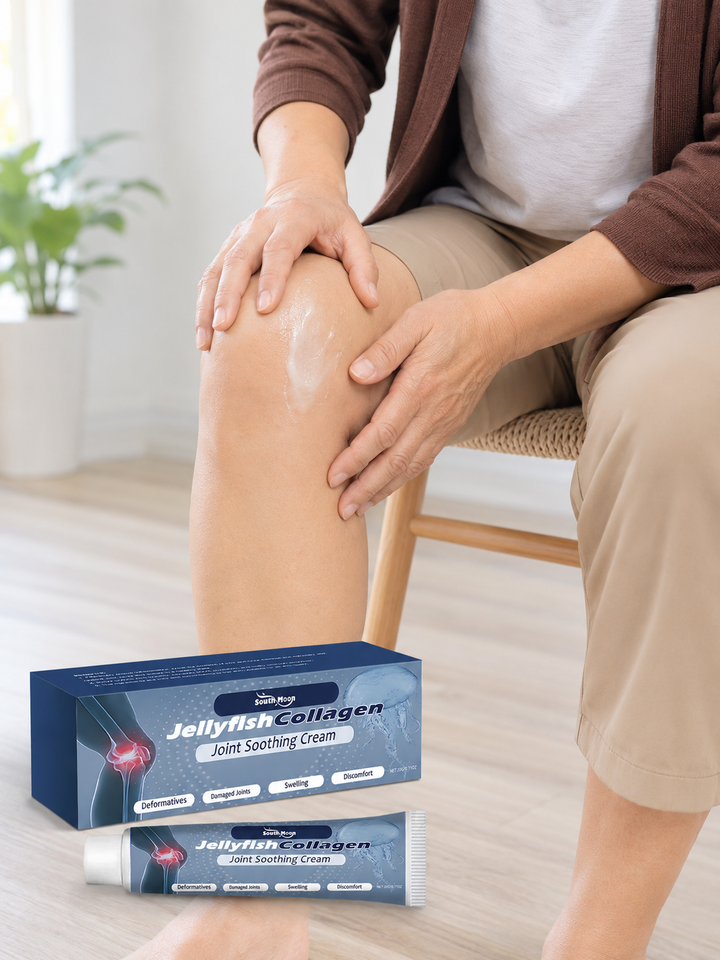
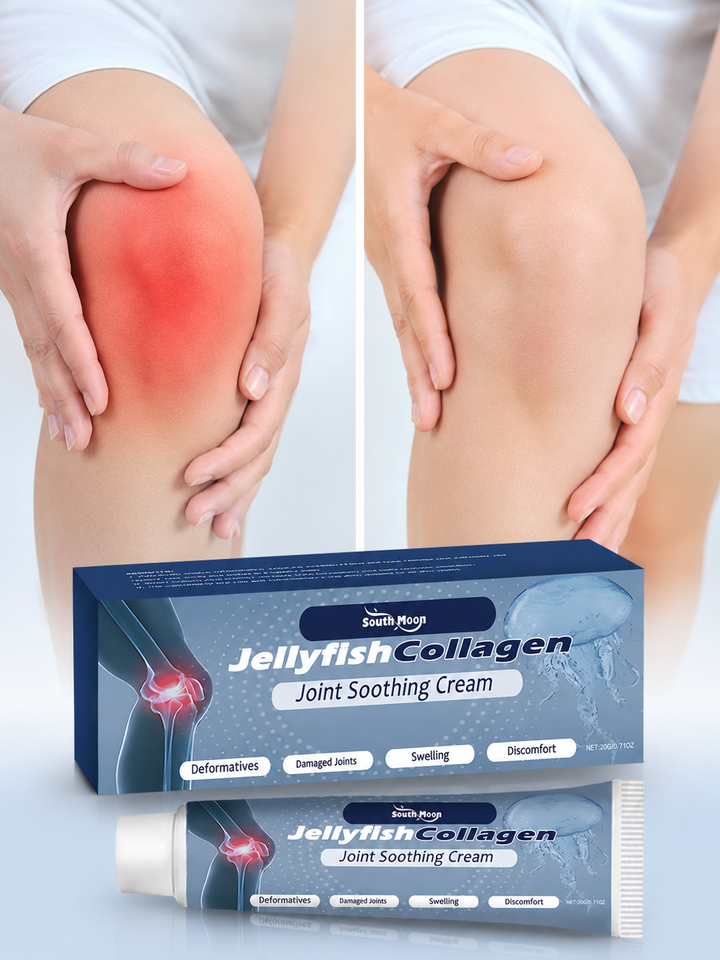



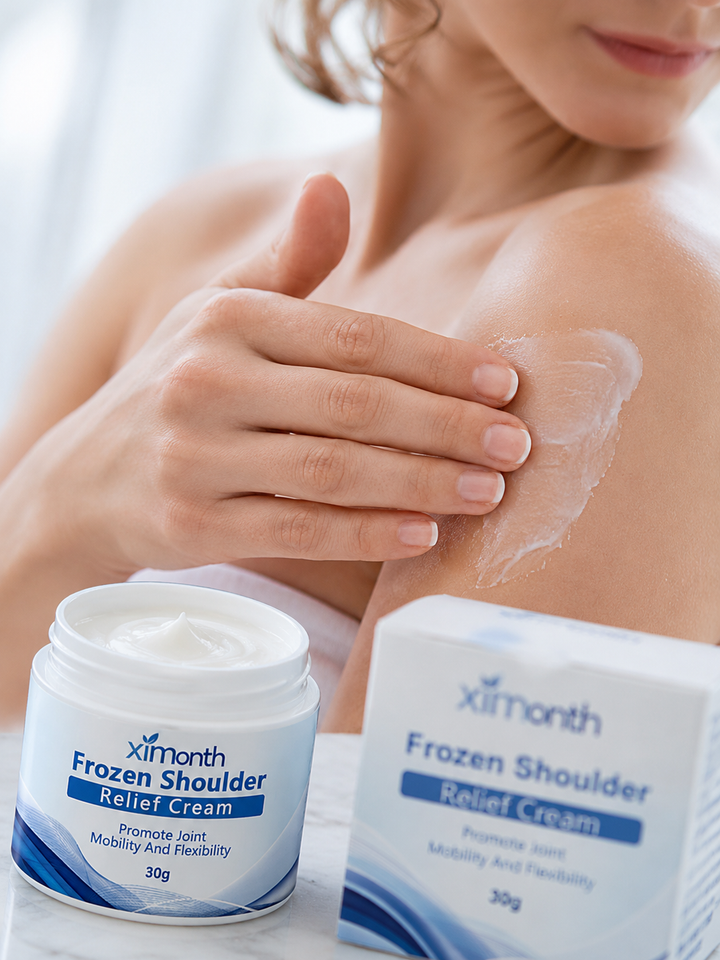
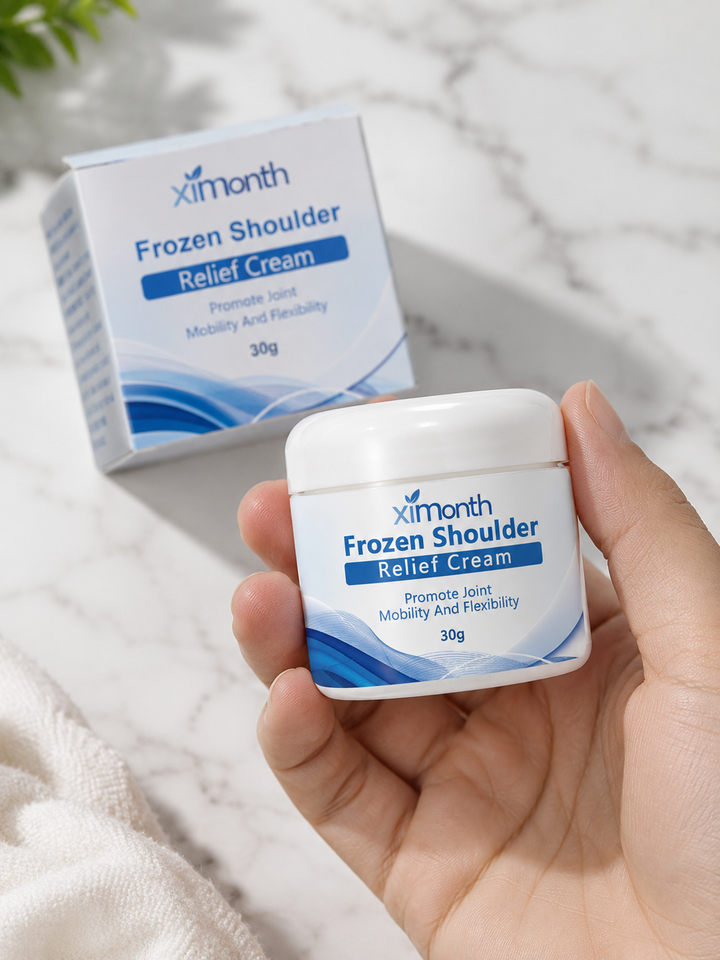



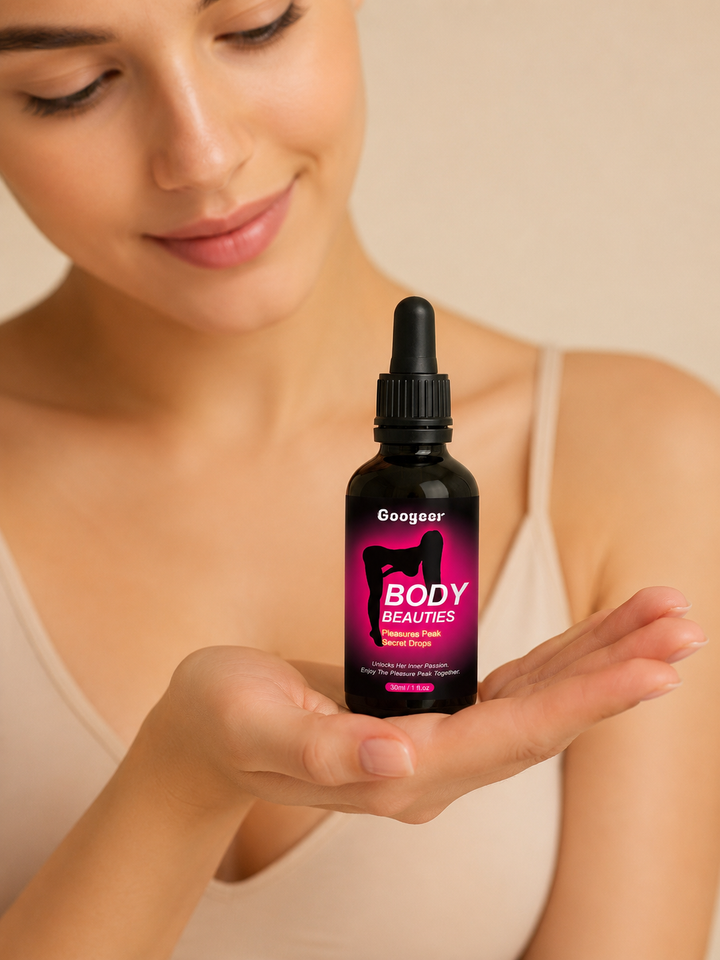

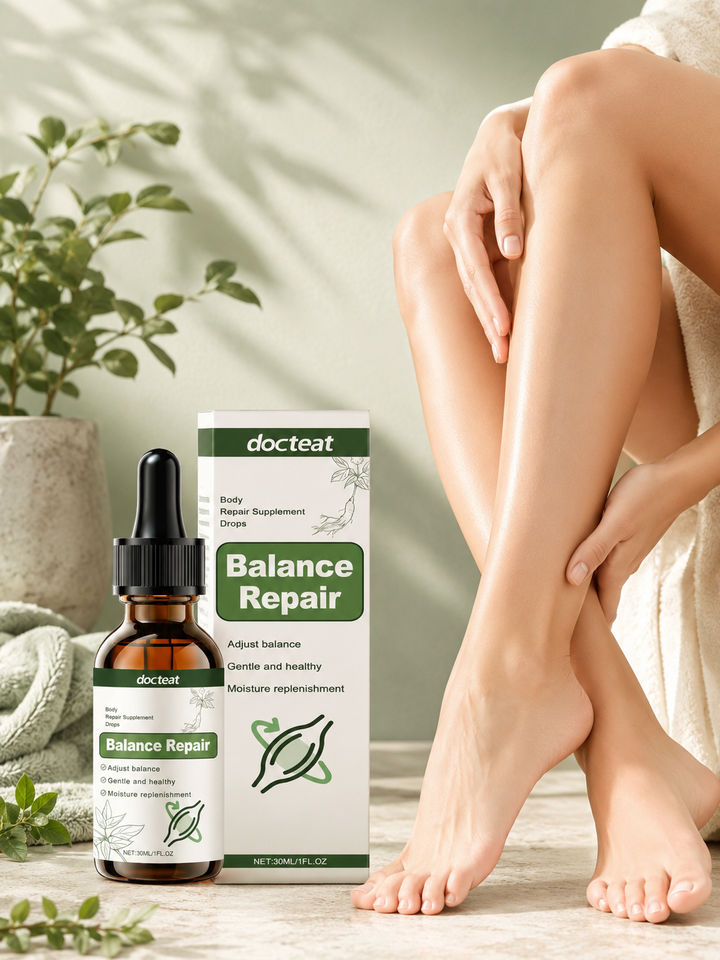

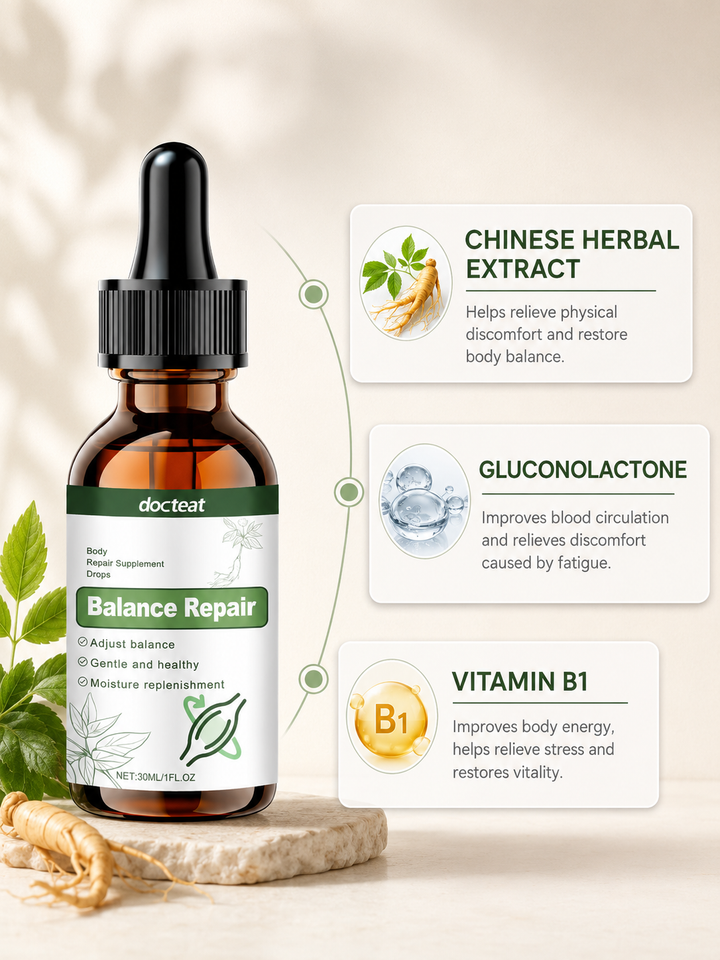


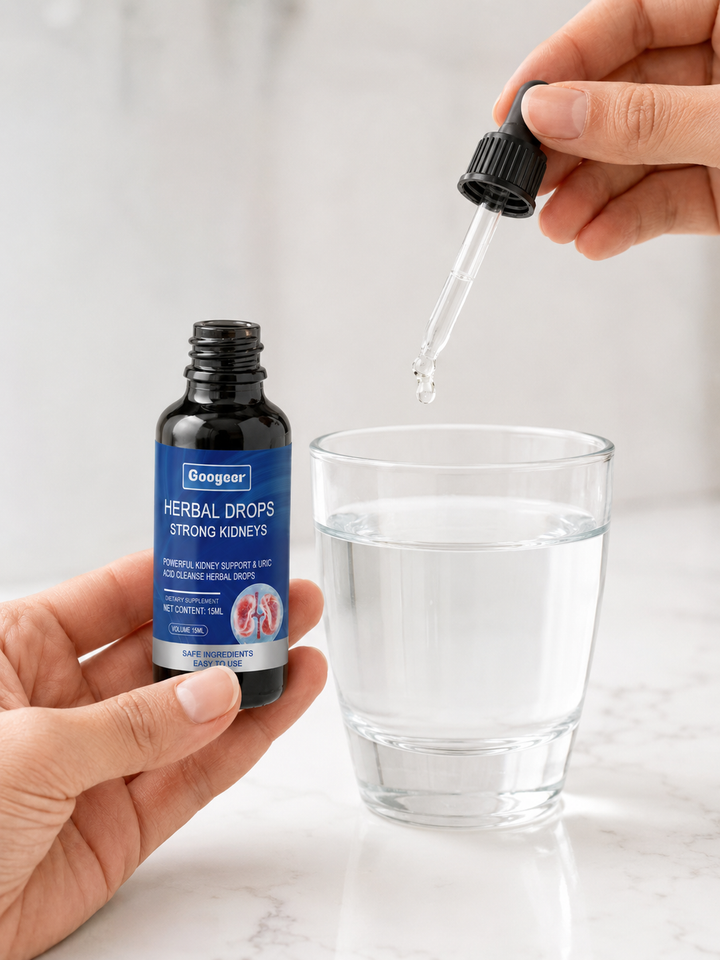

Joint care drops and related products are designed for shoppers seeking support for comfortable movement, flexibility, or areas that feel tired after activity. This category also includes topical creams and herbal drops, so compare the format, intended use, ingredients, and directions before choosing.
How to choose joint care drops for your routine
Start by deciding whether you want an oral-style liquid drop, a topical cream, or a product intended for legs and muscles. Joint care drops may suit shoppers who prefer a small liquid format and want to follow the product label for joint or uric acid support. Creams are applied directly to the skin around an area, while leg and muscle drops are positioned for post-activity or fatigue-focused routines. Check the ingredient list for anything you avoid, read the directions carefully, and consider whether the product is intended for occasional or regular use. If your main concern is knee comfort, stiffness, or flexibility, choose wording and directions that match that goal rather than assuming every drop or cream works the same way.
What types of joint support products are available
The products in this category cover several formats. Herbal joint-support drops are liquid products designed to be used according to their label, including options described for uric acid and joint support. Topical joint creams are massaged onto the skin and include formulas described as deep-penetrating or soothing, with one option featuring jellyfish collagen. Herbal leg and muscle fatigue drops are aimed at shoppers whose routine centers on tired legs or muscles rather than a specific joint. A feminine-care desire product is also listed, but it is not a joint-support product and should not be chosen for movement or flexibility concerns. Comparing format and intended use helps answer whether a supplement that actually works for you should be an oral-style product or a topical option.
What to look for in joint care drops
Look for clear labeling that identifies the product format, intended area, ingredients, directions, and storage guidance. For liquid drops, check whether the label explains how to measure and take them, and whether the product is described as joint support, uric acid support, or general herbal support. For creams, confirm that the directions specify external use and explain where and how to apply the product. Shoppers comparing the best supplement to lubricate joints should remember that product descriptions may use support language rather than promise lubrication or treatment. Also check the package for warnings, allergens, and suitability information. If you take medicines, are pregnant or breastfeeding, or have a diagnosed condition, ask a qualified healthcare professional before using a supplement or herbal product.
How to use joint care drops and creams
Follow the package directions rather than combining products or increasing the amount because an area feels uncomfortable. For drops, use the stated serving and measuring method, and keep the container stored as directed. Do not place oral-style drops on the skin unless the label specifically says they are topical. For creams, apply only as directed to clean, intact skin, keep the product away from eyes and sensitive areas, and wash your hands afterward unless the instructions say otherwise. Avoid covering the area or using heat unless the label permits it. Give each product enough time to fit your routine, and stop using it if you develop irritation or another unexpected reaction. Seek professional advice for persistent or worsening symptoms.
Common mistakes when buying joint support
A common mistake is treating every product in this category as interchangeable. A topical cream is not the same as an oral-style drop, and a leg-and-muscle product may not match a shopper looking specifically for knee or joint support. Another mistake is choosing based only on phrases such as quick relief, deep penetrating, or best joint pain relief without checking the full directions and intended use. Do not assume a vitamin or herbal ingredient will correct a deficiency or suit your medicines. Questions such as what vitamin you are lacking if your joints hurt cannot be answered safely from symptoms alone. Check the ingredient list, follow the label, and ask a healthcare professional about persistent pain, swelling, injury, or symptoms that affect normal movement.
Who are joint care drops and creams suitable for
These products may suit adults who want a clearly labeled addition to a movement, flexibility, recovery, or topical self-care routine. Drops can appeal to shoppers who prefer a liquid format, while creams may suit those who want to massage a product onto a particular area. They are not automatically suitable for everyone. Older adults, including people over 70, should ask a healthcare professional before choosing a product for knee pain, especially when taking regular medicines or managing an ongoing condition. Children, pregnant or breastfeeding shoppers, and people with allergies should check the label and seek appropriate advice first. If pain follows an injury, limits movement, or keeps returning, do not rely on a supplement or cream as a substitute for evaluation.
Frequently asked questions
Is there a joint supplement that actually works?
Results can vary by product, ingredients, and individual circumstances, so no single supplement can be guaranteed to work for everyone. Compare the label, intended use, directions, and safety information, and speak with a healthcare professional if you have ongoing symptoms or take medicines.
What is the best supplement to lubricate your joints?
There is no universally best supplement that can be confirmed to lubricate joints. Choose a product with clear ingredients and directions that match your goal, and avoid treating marketing language as a promise of a specific physiological effect.
What is the most effective joint pain relief?
The most suitable approach depends on the cause, location, duration, and severity of the discomfort. A topical cream or joint-support drop may fit some self-care routines, but persistent, severe, worsening, or injury-related pain should be discussed with a healthcare professional.
What is the best vitamin for knees and joints?
There is no single vitamin that is best for every knee or joint concern. A healthcare professional can assess your symptoms and, when appropriate, discuss diet, medicines, or testing rather than assuming a vitamin deficiency.
What is the best medicine for knee pain in people over 70?
The safest choice depends on medical history, kidney and stomach health, current medicines, and the reason for the pain. People over 70 should ask a doctor or pharmacist before using medicine, supplements, or topical products for knee discomfort.
What vitamin are you lacking if your joints are hurting?
Joint discomfort alone cannot identify a vitamin deficiency. Several causes are possible, so ask a healthcare professional for an assessment instead of starting high-dose vitamins based only on symptoms.