Joint Relief Drops: Natural Pain Remedies & Collagen6 items






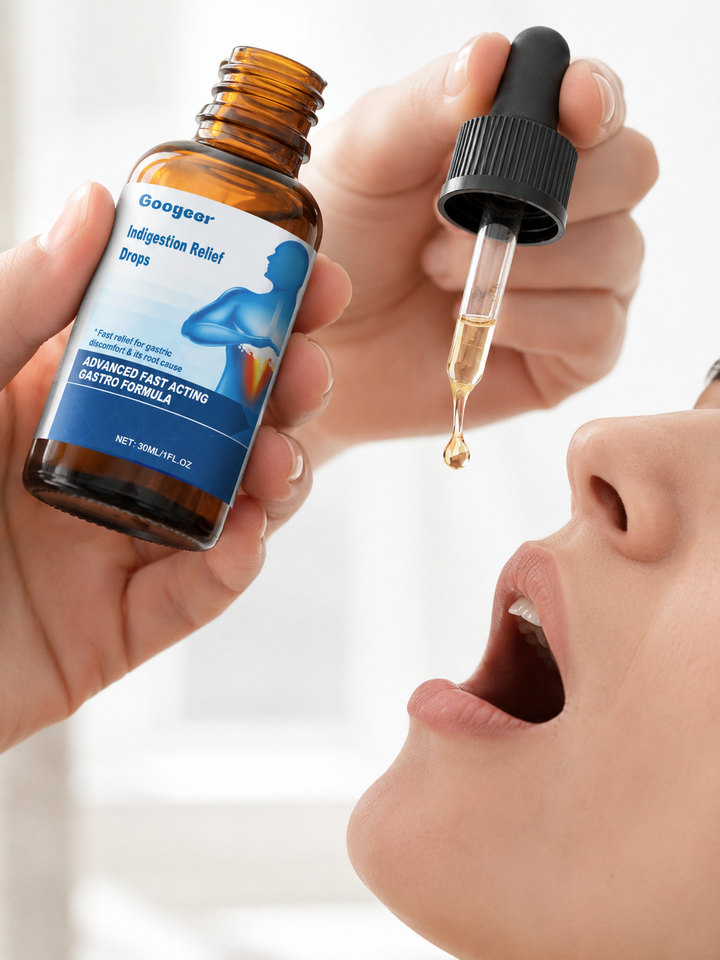
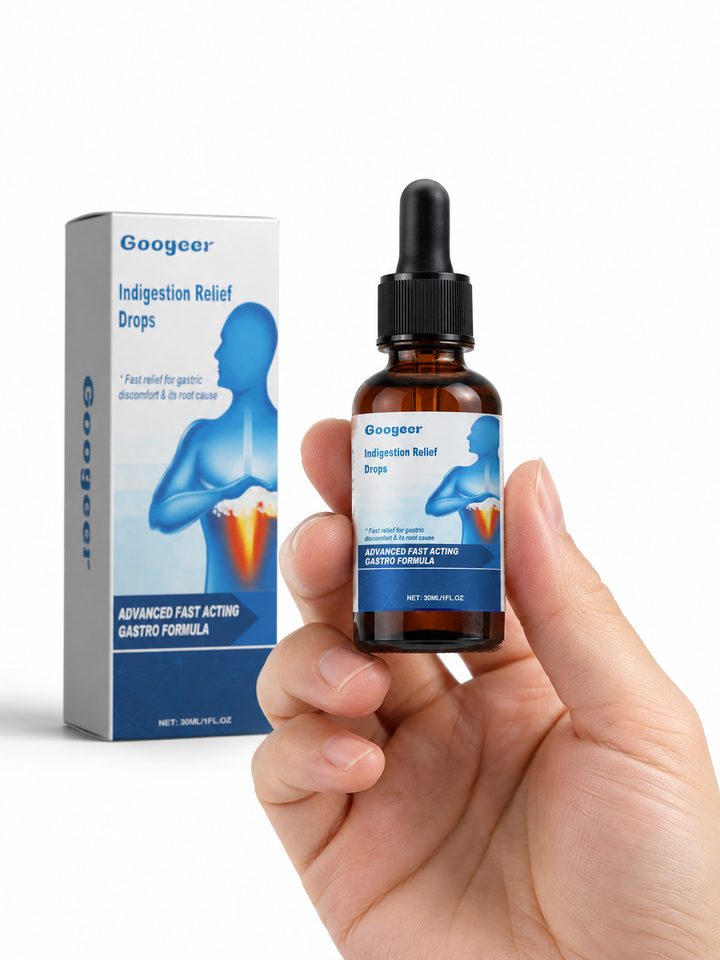

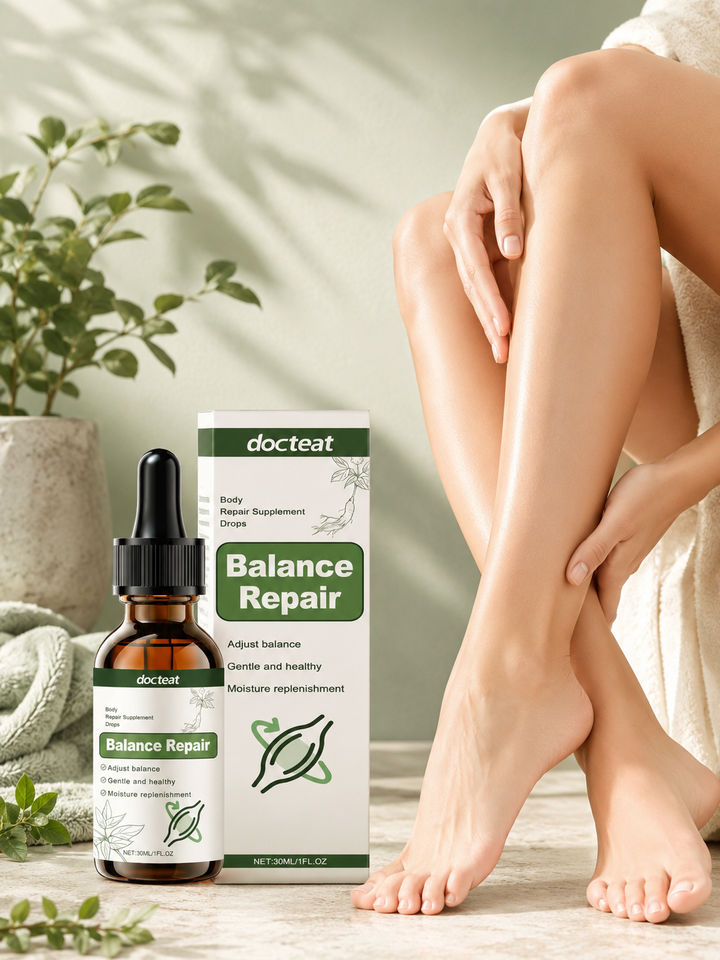

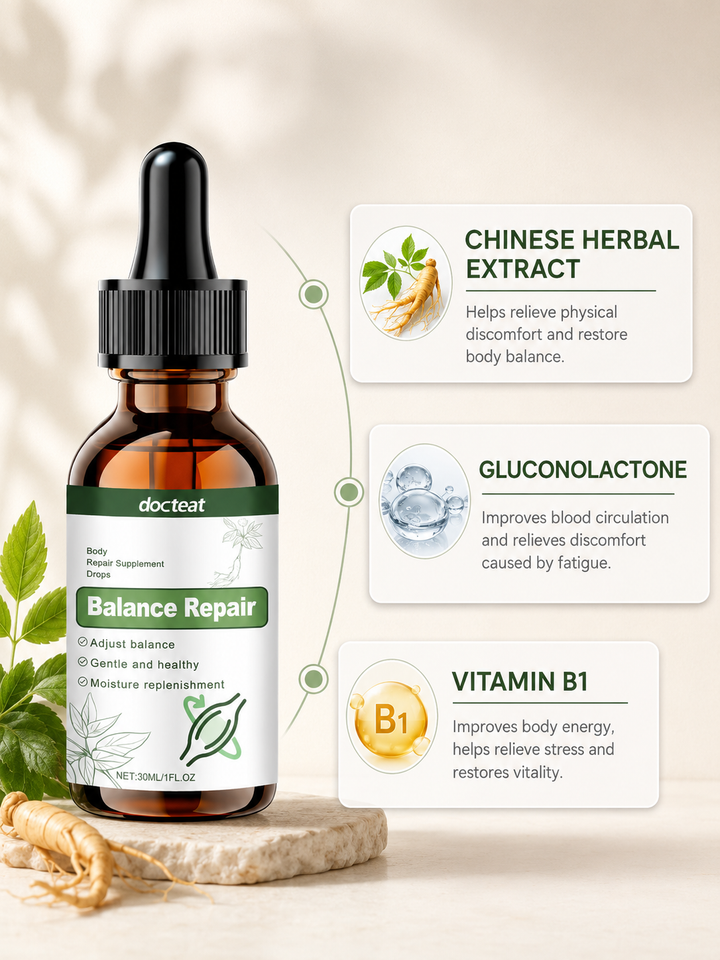


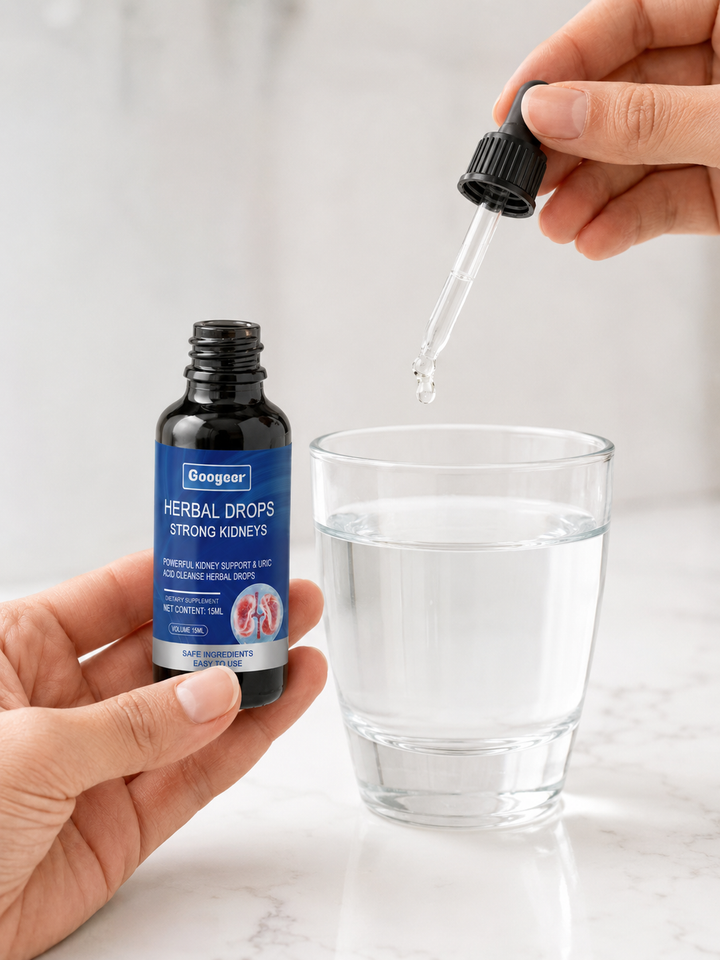
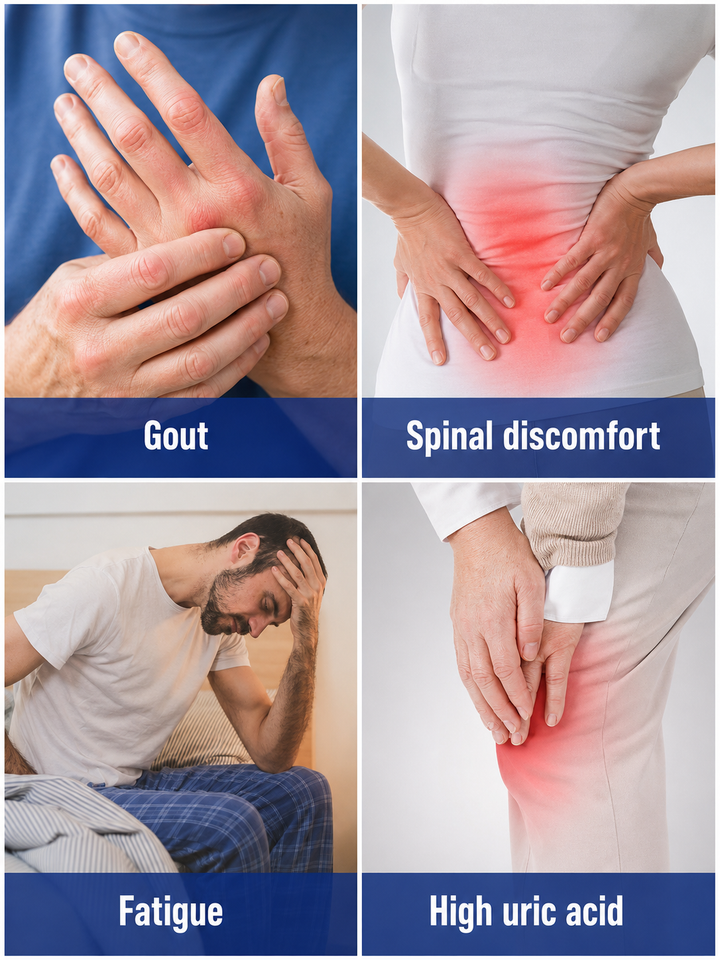
Joint relief drops and related products can vary widely in format, ingredients, and intended use. This guide helps you compare liquid supplements, topical patches, and nearby wellness products so you can choose an option that matches your needs without confusing comfort support with medical treatment.
How to choose joint relief drops for your needs
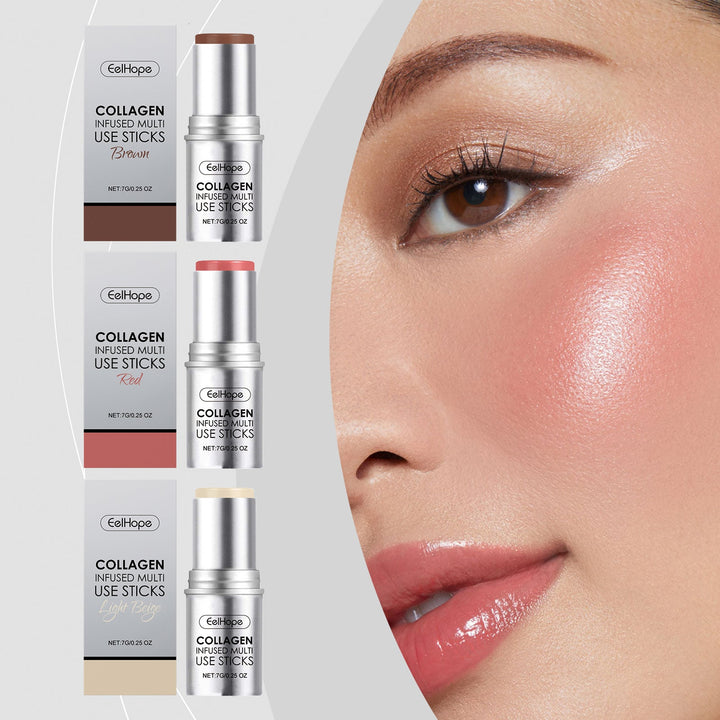
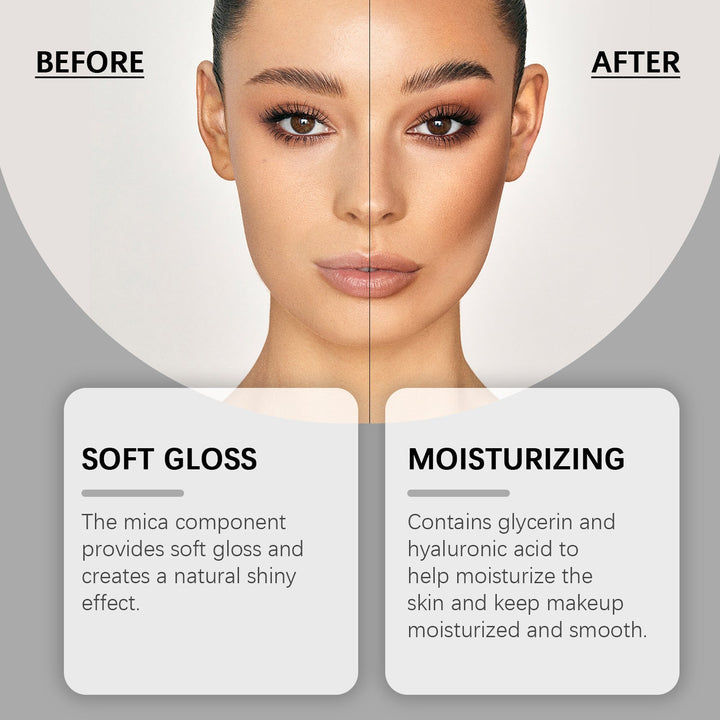
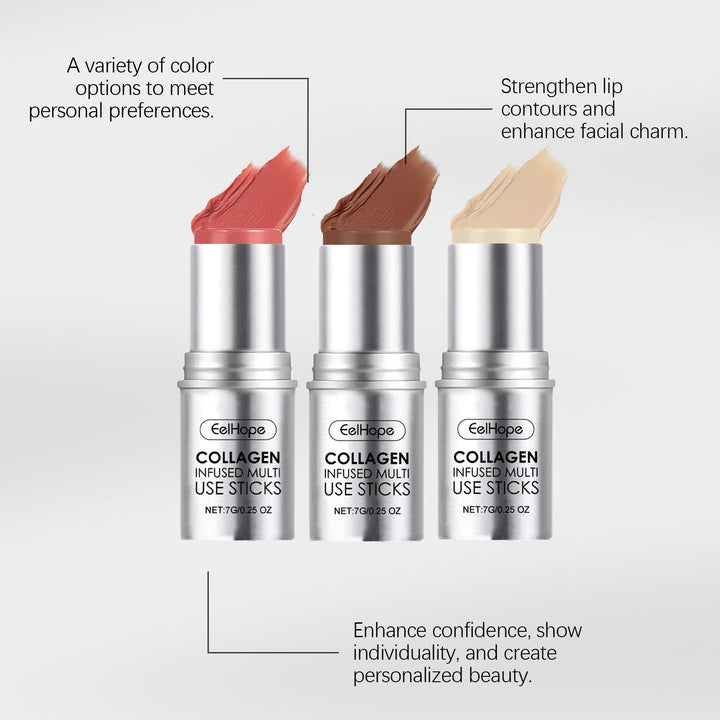
Start by identifying the type of support you want. Liquid joint-support drops are designed for people who prefer a small-format product taken according to its label directions, while a foot joint relief patch is applied externally to a specific area. Herbal leg and muscle fatigue drops may suit shoppers focused on occasional leg comfort rather than joint support. Check the product title, ingredient list, serving instructions, and warnings before buying. If you are comparing collagen products, note that the collagen makeup stick is a cosmetic item for moisturizing, soft-gloss color—not an oral joint supplement. For persistent, severe, swollen, hot, or unexplained joint pain, ask a qualified healthcare professional instead of relying only on an over-the-counter remedy.
What types of joint relief products are available?
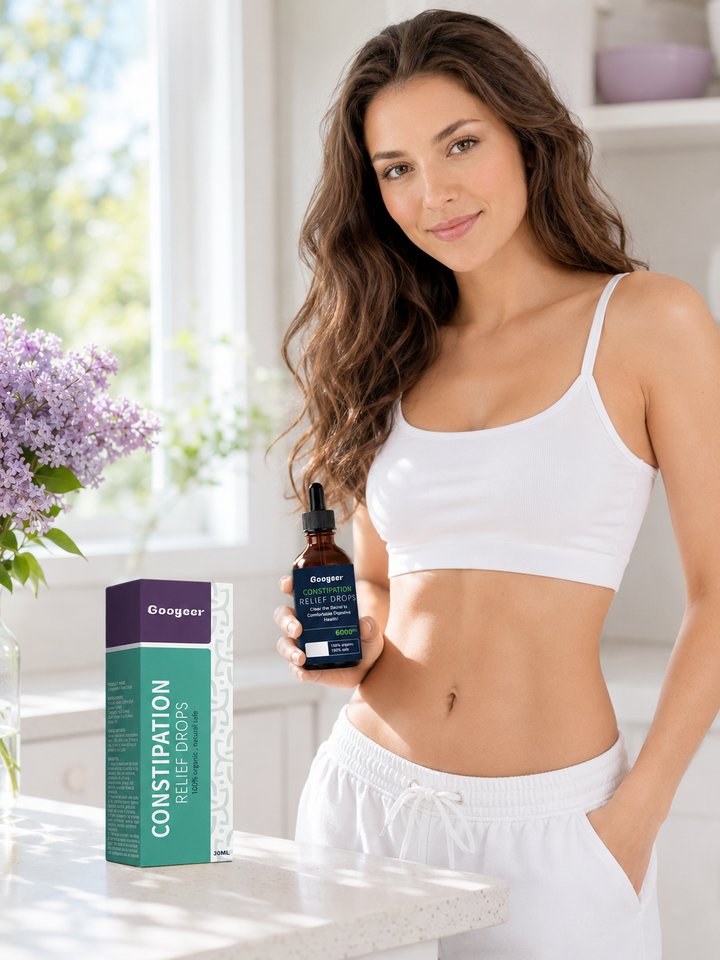
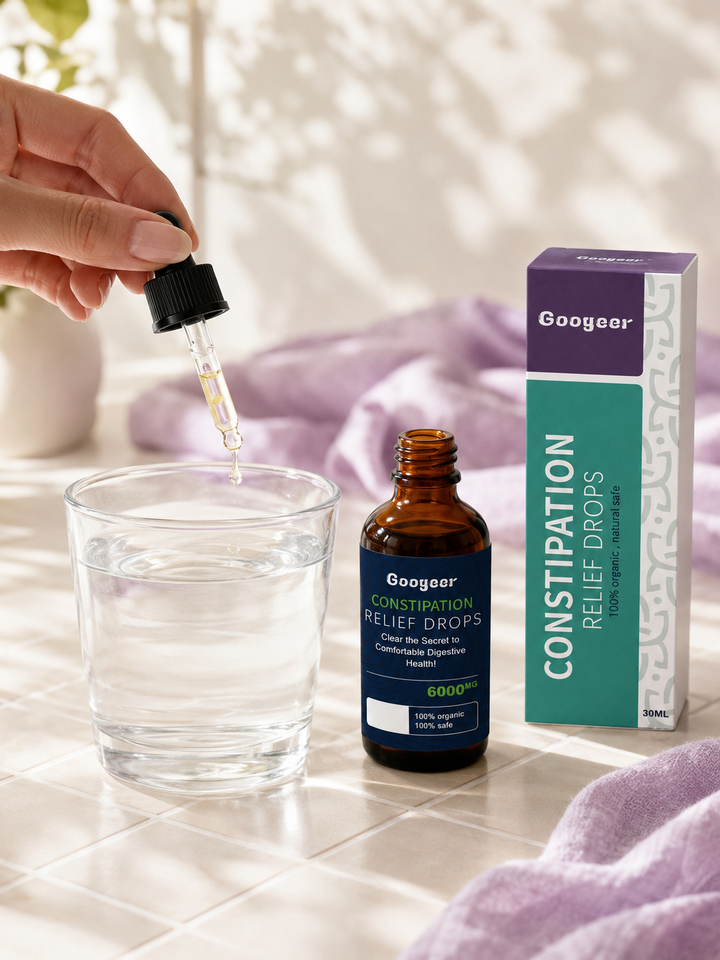
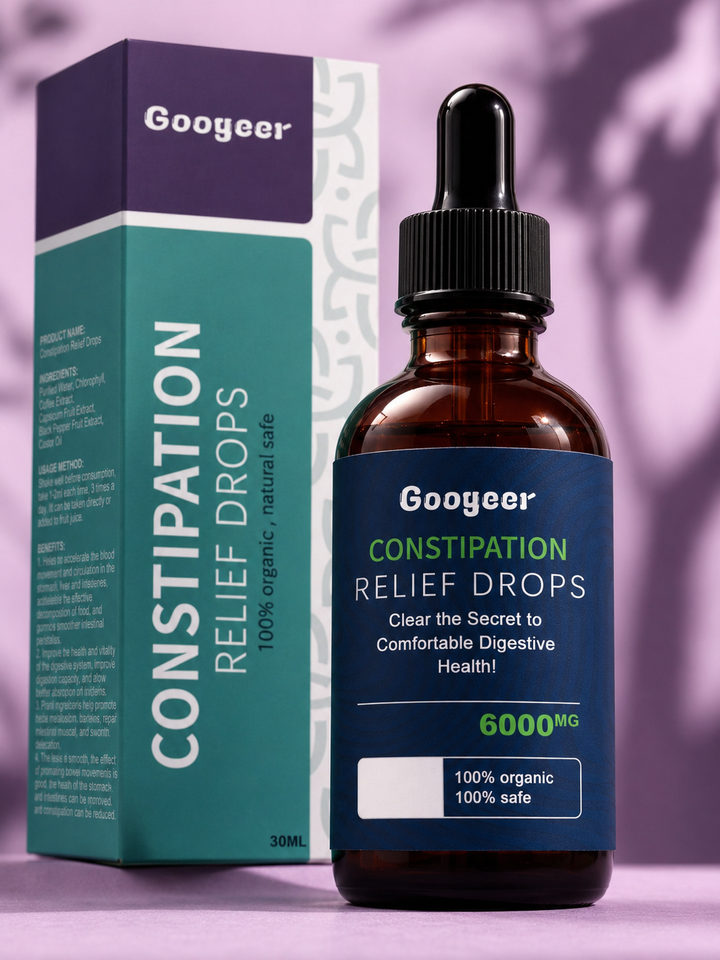
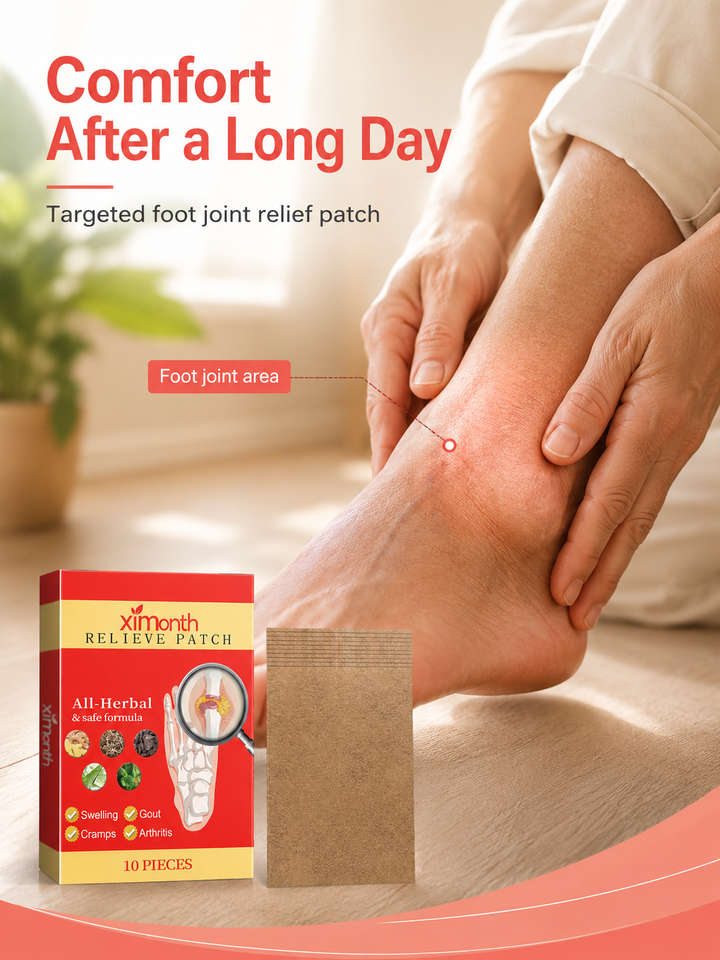
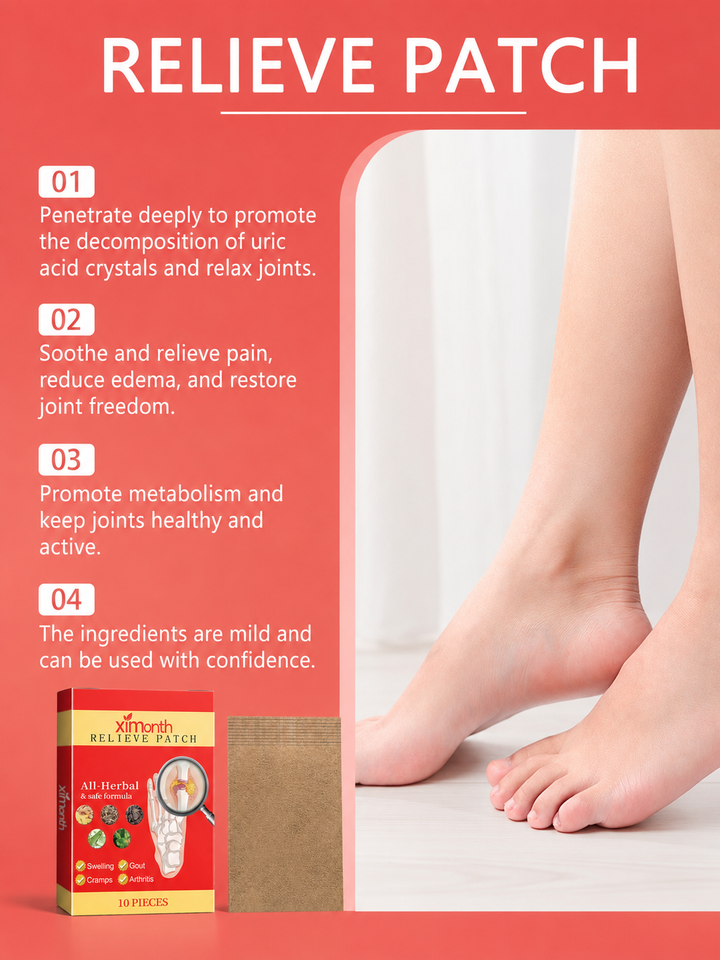
This category includes several different product formats, so compare them by intended use rather than assuming every item works the same way. Uric-acid and joint-support drops are liquid herbal products positioned for general joint wellness. A foot joint relief patch is a topical option intended for localized use, with directions that specify where and how long to wear it. Herbal leg and muscle fatigue drops focus on a different comfort need. Indigestion relief drops and constipation relief drops are digestive products, not joint remedies, and should not be selected for joint discomfort. The collagen makeup stick is for external cosmetic use. Reading the full product description prevents choosing an item based only on the words “relief” or “collagen.”
What should you look for in joint relief drops?
Look for a complete ingredient panel, clear directions, storage information, and practical details such as bottle size and whether a dropper is included. Check whether the product is intended for oral or topical use; never ingest a patch product or apply oral drops to damaged skin unless the label specifically says to do so. If you avoid certain ingredients, review the full formula rather than relying on terms such as “natural” or “herbal.” Shoppers asking whether a joint supplement really works should compare the stated purpose with realistic expectations: these products may offer supportive wellness or temporary comfort, but results can differ. Also review allergy information, interactions, and age guidance, particularly if you take medication or manage a diagnosed condition.
How do you use joint relief drops and patches?
Follow the instructions supplied with the exact product because liquid drops and topical patches are used differently. For oral drops, measure only the recommended amount and do not exceed the label directions. For a patch, apply it only to clean, dry, intact skin and remove it according to the stated wear guidance; stop if irritation develops. Avoid combining several products with overlapping ingredients simply because they are all described as natural. Keep bottles and patches away from children and store them as directed. A product should complement, not replace, advice about persistent pain, injury, gout symptoms, arthritis, or other health concerns. If you are unsure whether a product is appropriate alongside medication, consult a pharmacist or clinician first.
What are common mistakes when buying joint relief products?
One common mistake is treating every product in this category as a joint supplement. Digestive drops address bowel regularity or indigestion, the makeup stick is cosmetic, and leg-fatigue drops have a different stated purpose. Another mistake is choosing by a bold promise instead of checking ingredients, directions, and intended use. Do not assume that “natural” means risk-free, that collagen in a cosmetic stick provides the same purpose as an oral supplement, or that a product is the strongest natural anti-inflammatory for joints. Avoid using a foot patch on broken skin and do not exceed oral serving directions. Finally, do not delay professional advice for severe, recurring, or worsening symptoms while trying multiple products.
Who are joint relief drops suitable for?
These products may suit adults who want a convenient liquid wellness format or localized topical comfort option and who can follow the label safely. They are not automatically suitable for everyone. People who are pregnant or breastfeeding, children, older adults taking multiple medicines, and anyone with allergies or a diagnosed condition should seek professional guidance before use. If joint pain follows an injury, limits movement, or comes with marked swelling, redness, warmth, fever, or sudden severe discomfort, obtain medical advice rather than selecting a supplement based on a search result. There is no single vitamin that gets rid of joint pain for every person. Choose according to the product’s stated purpose, your needs, and the safety information provided.
Frequently asked questions
What is the best joint pain relief on the market?
There is no single best option for every type or cause of joint pain. Compare the product format, intended use, ingredients, directions, and safety information, and seek professional advice for persistent, severe, or unexplained symptoms. In this category, liquid joint-support drops and a localized foot patch serve different purposes.
Is there a joint supplement that really works?
Results can vary by person, ingredients, and the reason for the discomfort, so no supplement can be guaranteed to work for everyone. Review the label and use the product only as directed. A supplement should not replace evaluation of ongoing pain or a diagnosed joint condition.
What vitamin gets rid of joint pain?
No single vitamin is known to get rid of joint pain for everyone. Vitamin needs depend on diet, health status, and confirmed deficiencies, so avoid taking high-dose supplements without appropriate guidance. Discuss persistent symptoms and any supplement choice with a qualified healthcare professional.
What is the strongest natural anti-inflammatory for joints?
“Natural” does not automatically mean stronger or safer, and products differ in ingredients and evidence. The liquid and topical products in this category should be judged by their stated purpose and directions rather than by strength claims. Ask a clinician or pharmacist before using herbal products with medicines or for a diagnosed condition.
What are the 5 worst foods for joint pain?
There is no universal list of five foods that worsen joint pain for everyone. Individual responses, overall eating patterns, and underlying conditions can differ. If you suspect a food trigger, keep a simple record and discuss it with a healthcare professional instead of making broad restrictions.
What do Japanese take for arthritis?
There is no single product or remedy taken by everyone in Japan for arthritis. Treatment choices depend on the person, diagnosis, symptoms, and medical advice. Do not assume that a traditional or imported product is appropriate without checking its ingredients, directions, and compatibility with your medicines.