Heel Protectors: Gel Heel Cups, Pads & Cushions for Shoes
5 items


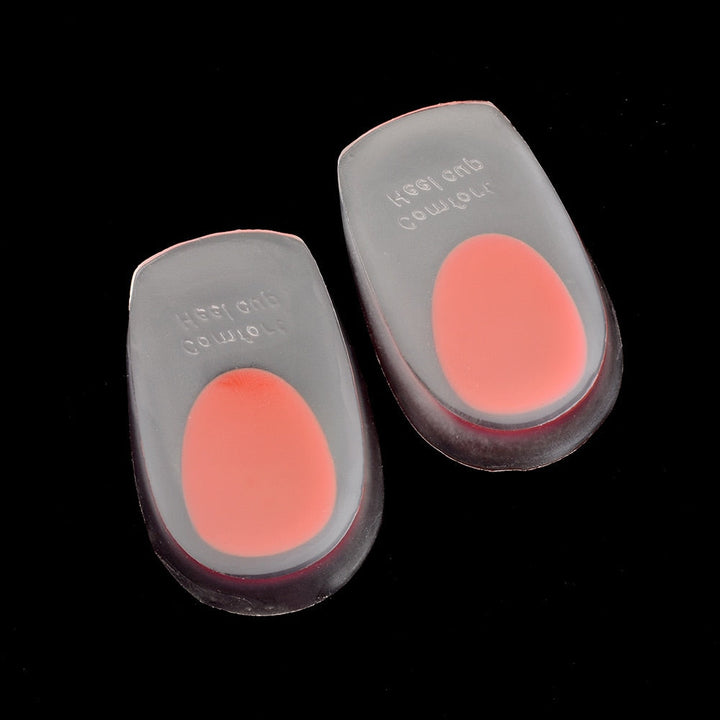

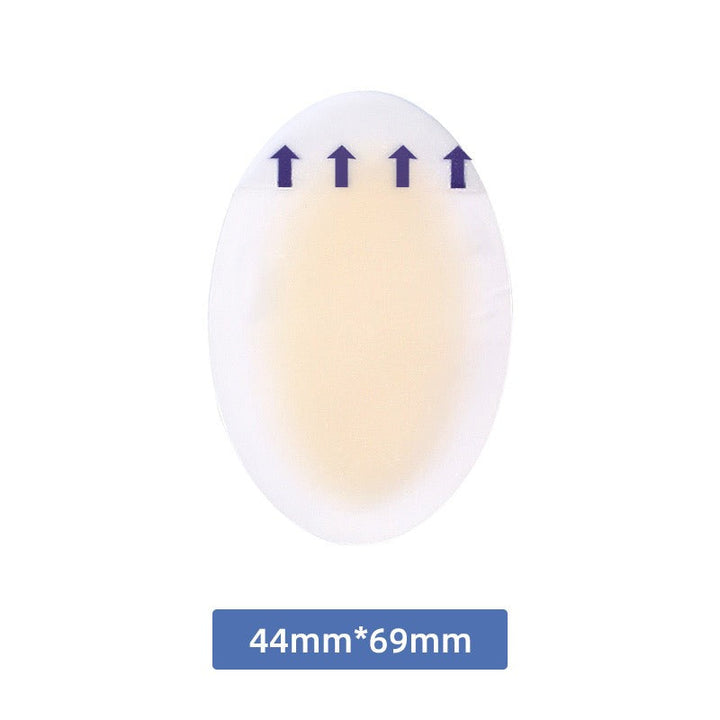
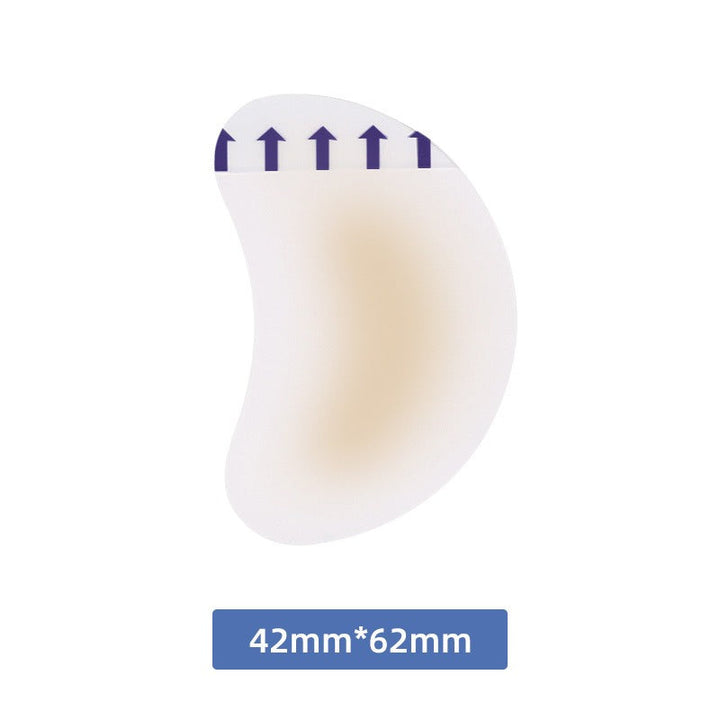


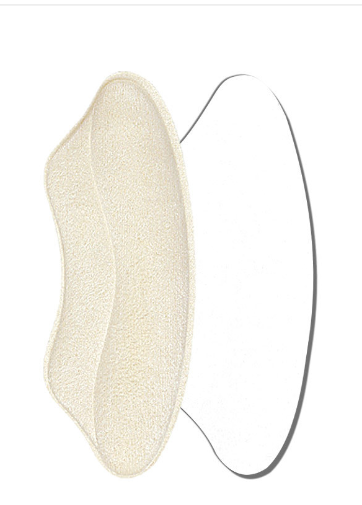
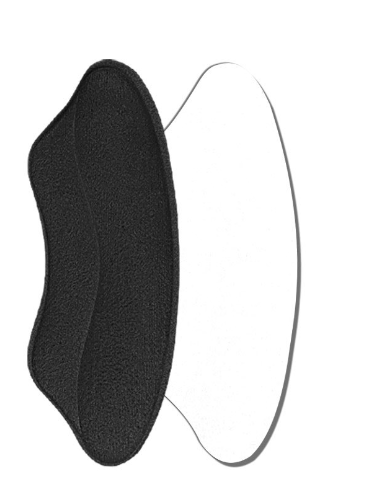
Heel protectors help reduce rubbing, pressure and slipping inside footwear while making shoes more comfortable to wear. This category includes blister pads, heel patches, gel heel cups, moisturizing heel socks and discreet lift pads, so the best choice depends on your shoe, the area needing support and how you plan to use it.
How to choose heel protectors for shoes
Start by identifying the problem. If the back of your shoe grinds against your skin, choose hydrogel blister prevention pads or soft foam heel patches. For cushioning under the heel, gel heel insoles are a better match. If dry, cracked skin is your concern, moisturizing gel heel socks cover the heel while you wear them at home or overnight, according to the product instructions. For extra height, choose height-boosting heel pads designed to sit securely inside the shoe. Check the available size, thickness and attachment method before buying. Heel protectors for shoes should fit without crowding your toes or lifting your heel out of the shoe. Consider separate pairs for trainers, boots and dress shoes, since interior space and heel shape can differ.
What are the different types of heel protectors?
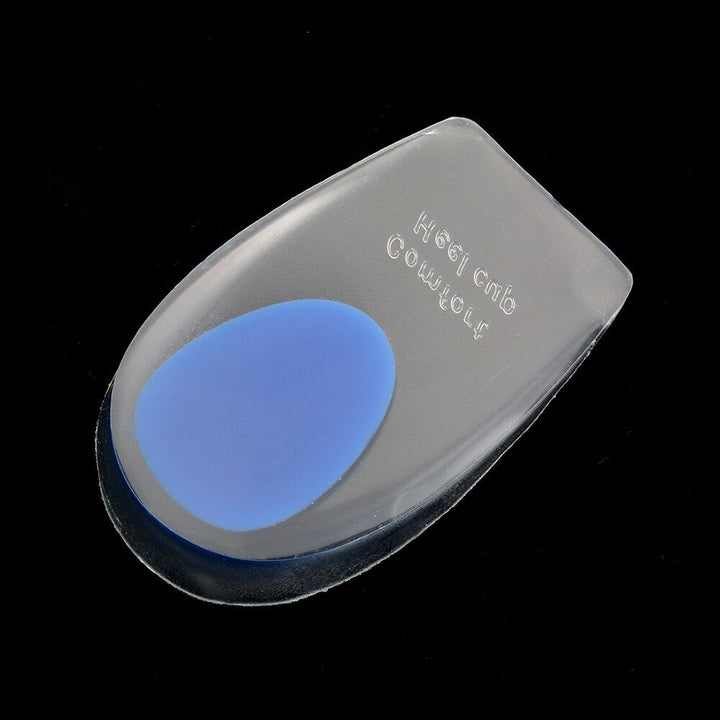
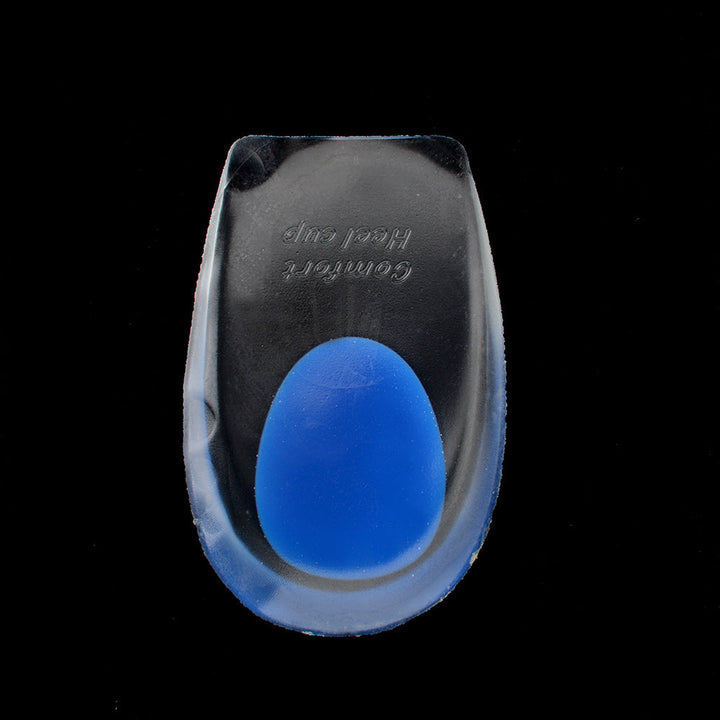
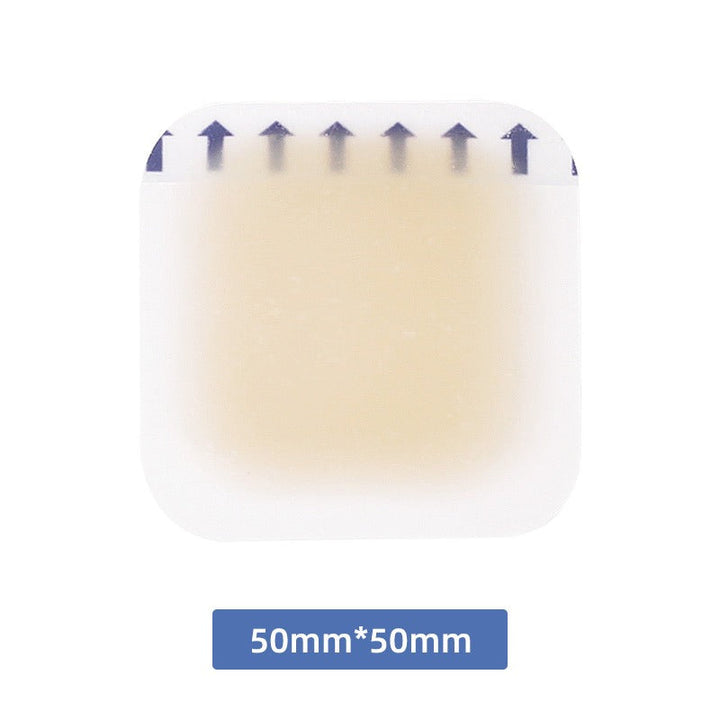
Hydrogel blister pads create a smooth layer over friction-prone areas and suit new or stiff footwear. Heel patches use soft foam cushioning at the back of the shoe, making them useful for high heels and shoes that slip or rub at the collar. Gel heel insoles cushion beneath the heel and are designed for all-day comfort in compatible footwear. Moisturizing gel heel socks are worn on the foot rather than attached to a shoe, making them useful for home care and dry-feeling heels. Height-boosting heel pads add a discreet lift inside boots, trainers or other shoes with enough room. These types are not interchangeable: a pad for rubbing will not provide the same under-heel cushioning as an insole, and a lift pad may change how a shoe fits.
What to look for in heel protectors
Look for a soft, flexible material that matches the area you want to protect. Hydrogel is useful when you need a smooth barrier over a rubbing spot, while foam can provide a lightweight buffer at the shoe’s heel counter. Gel insoles should sit flat and remain stable as you walk; a textured or adhesive underside can help reduce movement when compatible with the shoe. For heel socks, check whether the opening and gel area feel comfortable around your foot. If you need heel protectors for boots, measure the available space and choose a design that will not make the boot tight. For high heels, prioritize a slim heel patch or appropriately sized pad so it does not push your foot forward or interfere with the shoe’s fit.
How to use heel protectors correctly
Clean and dry the shoe or skin as directed before applying an adhesive pad or patch. Position it over the area that rubs, press it firmly into place and check the edges before putting on the shoe. Gel heel insoles should be placed evenly beneath the heel, with the cushioning centered and the shoe still fastening comfortably. Use moisturizing gel heel socks on clean, dry feet and follow the care and wearing instructions supplied with the product. Introduce any new protector for a short period first to check comfort and fit. Stop using it if it causes irritation, numbness or increased discomfort. Replace protectors when they lose their shape, stop adhering or become worn. Never force a protector into footwear that is already too tight.
Common heel protector mistakes to avoid
One common mistake is choosing a heel patch when the discomfort comes from pressure beneath the heel, or choosing a thick insole when the real issue is rubbing at the back of the shoe. Another is applying adhesive protectors to damp, dusty or fabric surfaces where they may not stay in place. Avoid stacking several heel pads without checking the fit, as this can crowd the shoe and make your foot slide. Do not place a lift pad in footwear that lacks enough depth or a secure heel. Wearing heel protectors socks inside tight shoes can also create extra pressure. Check the protector during wear, especially in new shoes, boots or high heels. If heel pain continues, worsens or affects walking, consider asking a qualified healthcare professional for individual advice.
Who can use heel protectors for elderly people or hospital footwear?
Heel protectors can suit adults who experience shoe rubbing, want extra cushioning or need help keeping a heel comfortable inside everyday footwear. For elderly people, prioritize a secure fit, a stable walking feel and footwear that is already comfortable; avoid bulky designs that make shoes tight or alter balance. Heel protectors for hospital use should be checked against the facility’s rules and the wearer’s individual needs, since not every consumer product is intended for clinical care. People with reduced sensation, fragile skin, circulation concerns or ongoing foot problems should seek professional guidance before choosing a product. For ordinary home use, moisturizing gel heel socks may suit dry-feeling heels, while gel insoles or heel patches are more relevant to shoes. Always follow the product instructions and inspect the skin regularly.
Frequently asked questions
What is the point of heel protectors?
Heel protectors create a cushioning or protective layer between your foot and footwear. Depending on the design, they can reduce rubbing at the back of a shoe, add cushioning beneath the heel, help moisturize dry-feeling skin or provide a discreet lift. Choose the type that matches the source of discomfort.
What are the best heel protectors for elderly people?
The best option depends on the person’s footwear and needs. Soft heel patches may help with shoe rubbing, while stable gel heel insoles may suit someone seeking cushioning beneath the heel. Choose a secure, non-bulky design and ask a healthcare professional for advice if the person has reduced sensation, fragile skin or ongoing foot concerns.
What are the best heel protectors?
There is no single best design for every shopper. Hydrogel pads suit friction, foam heel patches suit rubbing at the shoe collar, gel insoles suit under-heel cushioning, moisturizing gel socks suit dry-feeling heels and height-boosting pads suit shoppers wanting extra lift. Compare the protector with your shoe type, available space and intended use.
What kind of heel protector is best for heel pain?
If discomfort comes from the shoe rubbing the back of your heel, try a hydrogel pad or soft foam heel patch. If you want cushioning beneath the heel, gel heel insoles may be more appropriate. Heel pain can have different causes, so persistent, worsening or activity-limiting discomfort should be discussed with a qualified healthcare professional.
What is the fastest way to cure heel pain?
The fastest suitable approach depends on why the heel hurts, so there is no universal cure. Check that your shoes fit properly, reduce activities that aggravate discomfort and choose a heel protector for the specific rubbing or pressure point. Seek professional advice if pain is severe, persistent, worsening or affecting your ability to walk.
What is the difference between heel pain and plantar fasciitis?
Heel pain is a general description of discomfort in or around the heel. Plantar fasciitis is one possible cause involving the band of tissue along the bottom of the foot, but other causes are possible too. A heel protector may improve shoe comfort, but it cannot identify the cause; seek professional advice for ongoing symptoms.