Heel Pain Relief: Cooling Gel & Soothing Foot Care
6 items



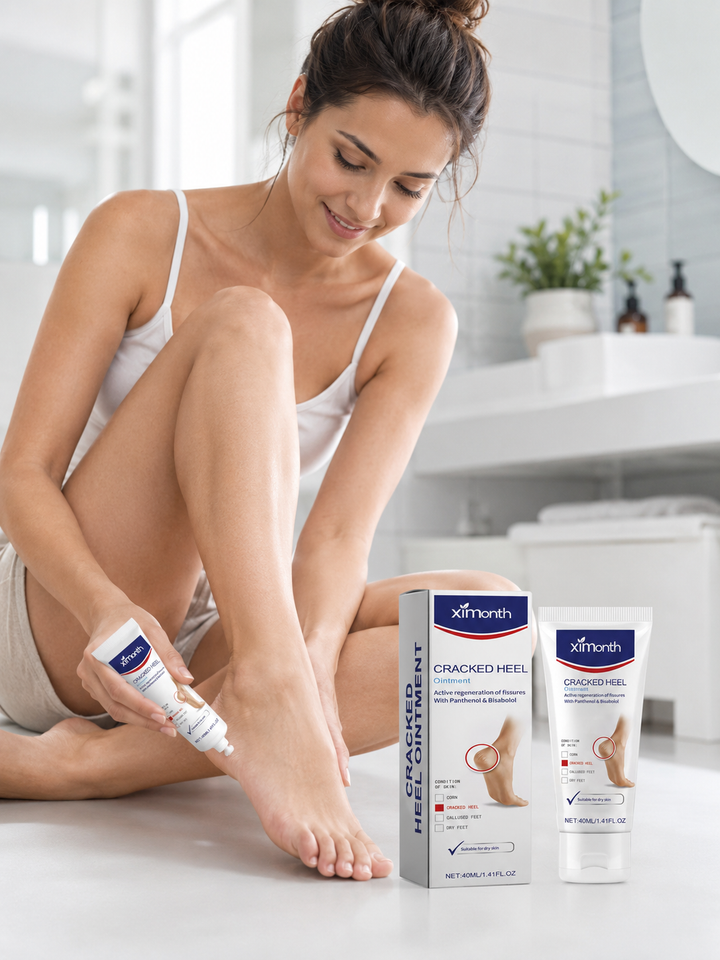
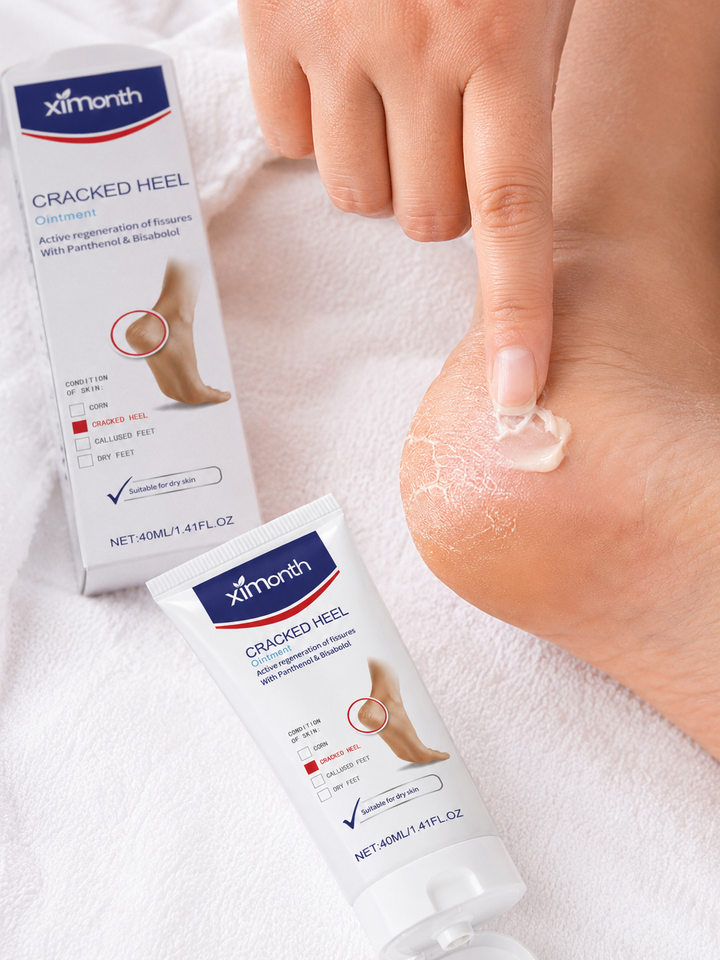
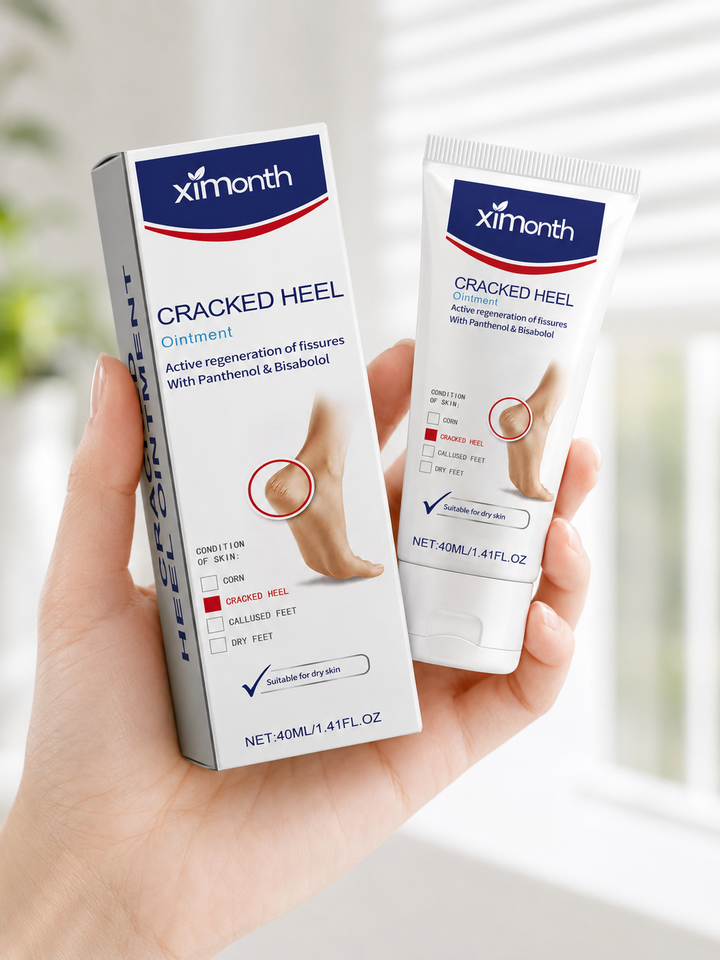


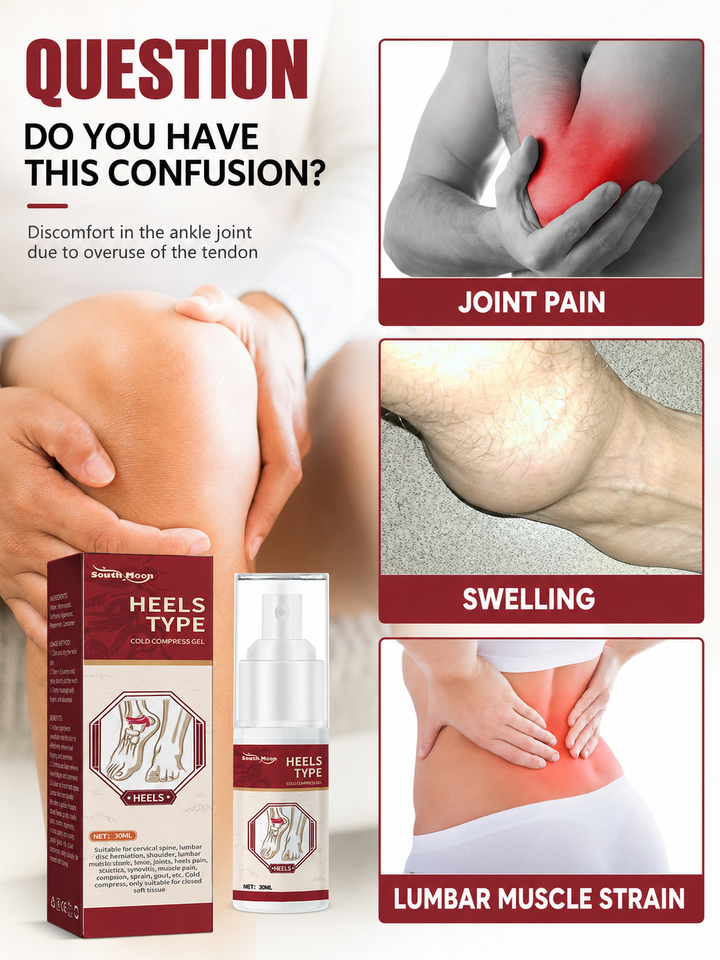
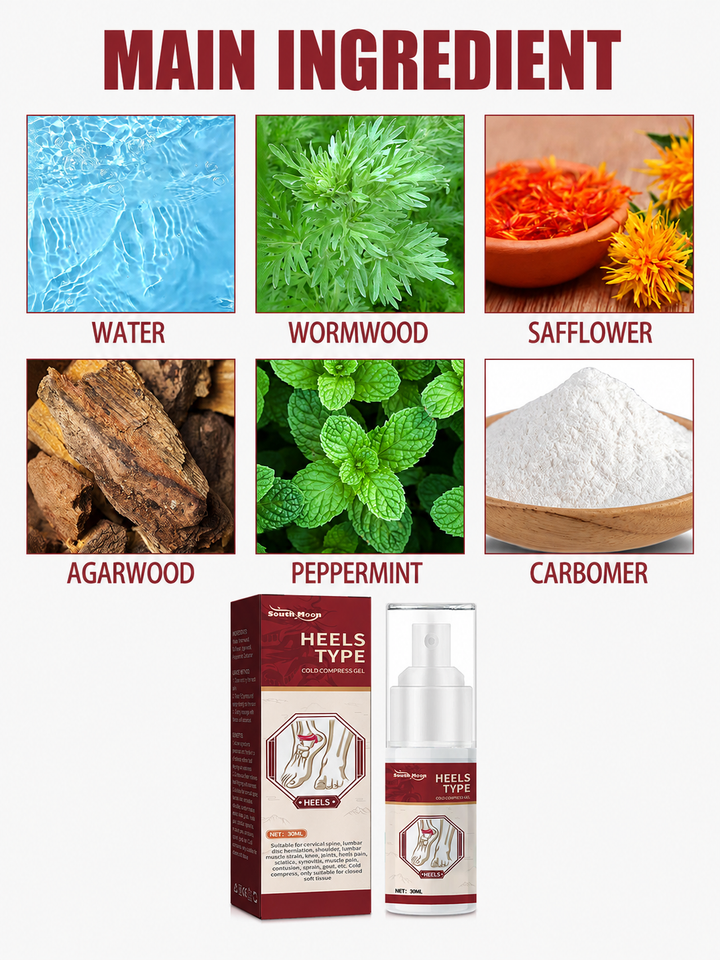
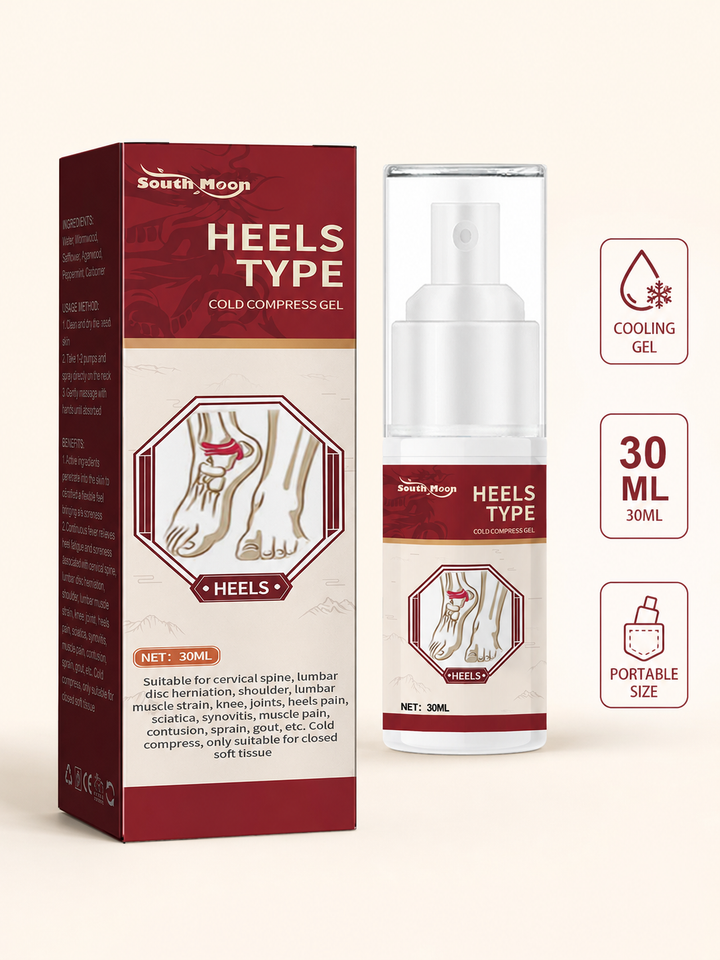
Find targeted heel pain relief with cooling gels, warming creams, protective ointments, and urea-based foot care. This guide helps you compare textures and uses so you can choose a product for sore, tired, dry, or rough heels while knowing when self-care may not be enough.
How to choose heel pain relief for your symptoms
Start by identifying where discomfort is felt and what your skin needs. Bottom-of-heel pain after walking may make a cooling gel for heels appealing, while tired feet may suit a soothing warmth cream. If the main issue is dry, thick, or cracked skin, choose a cracked heel ointment with panthenol or a 10% urea foot cream rather than a product designed mainly for muscle comfort. Burning, sudden, or sharp pain in the back of the heel can have different causes, so a topical product should be viewed as comfort care, not a diagnosis. Consider whether you prefer a fast-drying gel, a richer cream, or an ointment that forms a protective layer.
What types of heel pain relief products are available?
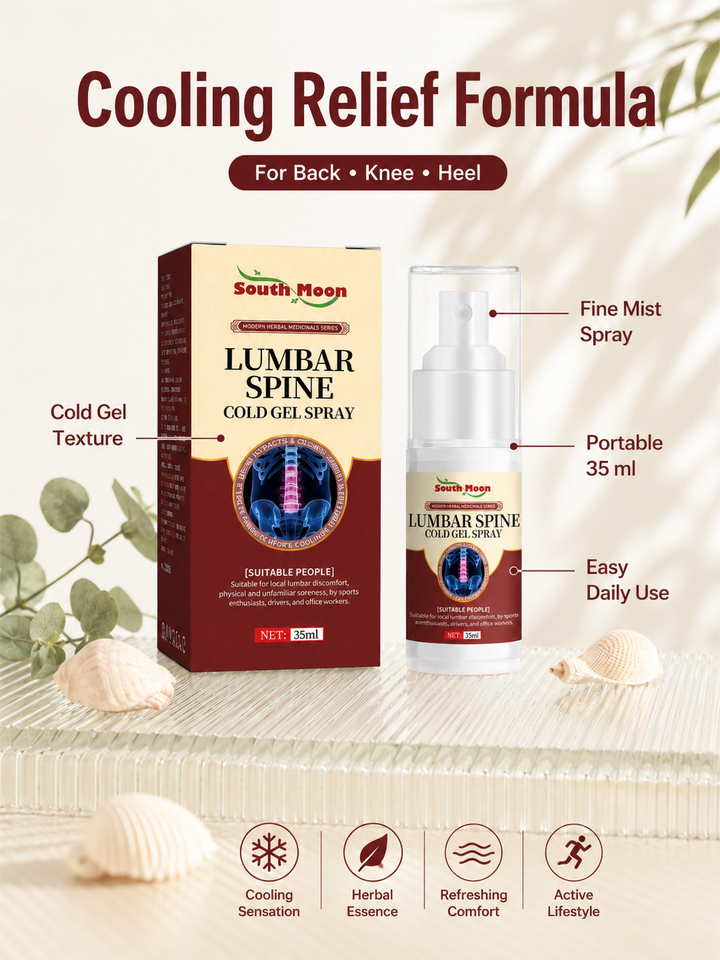
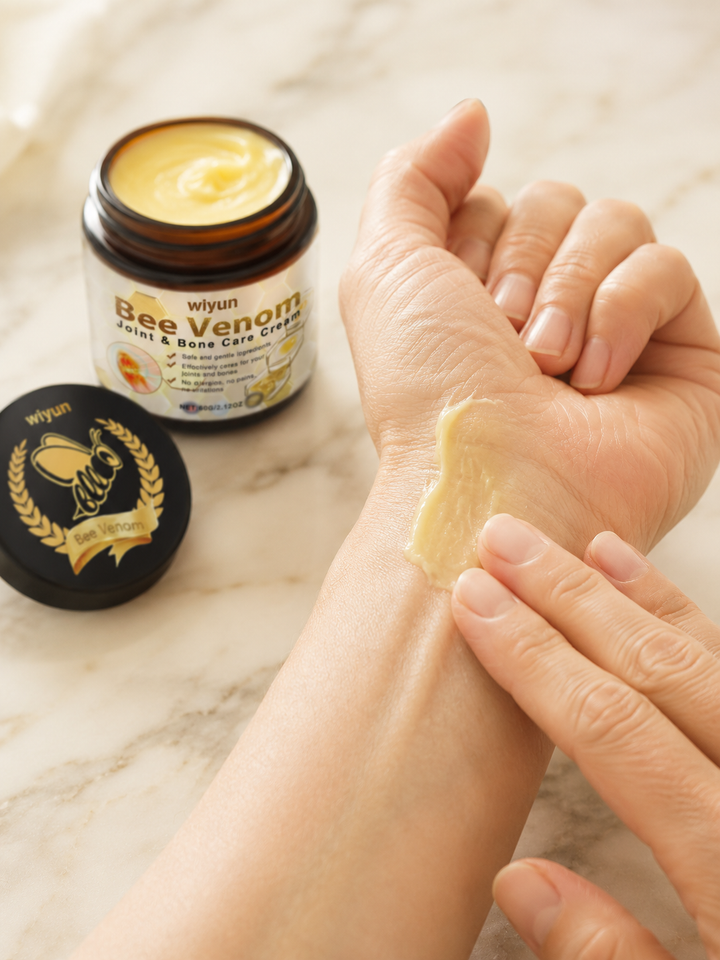
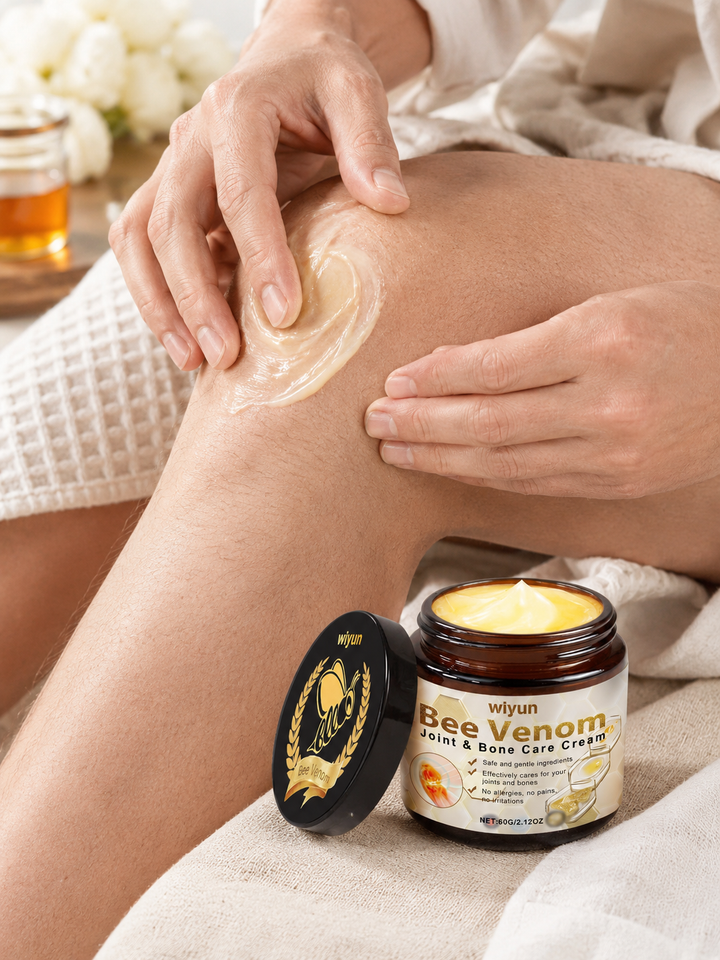
Cooling gels are suited to shoppers who want a refreshing, lightweight application around the heel and nearby tendons. A warming foot pain cream offers a different sensory experience for tired feet and muscles. Cracked heel ointments and urea foot creams focus more on roughness, calluses, and dry skin, making them useful when discomfort is linked with hardened or split areas. Bee venom joint care cream is another topical option for soothing sore muscles, but check its ingredients carefully if you have sensitivities. A lumbar spine cold gel spray is intended for a larger back area rather than the heel, so it may be less convenient for precise foot care. Compare the product’s intended area before buying.
What to look for in a heel pain relief cream or gel
Look for clear information about the product’s intended use, texture, ingredients, and application area. Cooling gel for heels can be practical if you dislike greasy residue or want to apply product before putting on socks. Panthenol ointment may be preferable for visibly cracked skin, while 10% urea foot cream is designed for dry, thickened areas and calluses. Check whether the formula contains ingredients you already know your skin tolerates, especially if you are considering a warming formula or bee venom cream. Packaging should provide directions, warnings, and storage guidance. Avoid choosing solely because a product promises to cure heel pain fast; topical care may support comfort and skin condition without addressing every possible source of pain.
How to use cooling gel and soothing foot care safely
Read the label before each use and apply only as directed. Clean and dry the feet first, then use a small amount on intact skin around the heel unless the instructions say otherwise. Wash your hands after applying creams or gels, and avoid contact with eyes and other sensitive areas. Do not apply warming or cooling products to open cracks, bleeding skin, or irritated areas unless the product specifically permits it. Give a new formula a cautious trial on a small area and stop if marked irritation develops. Urea creams and cracked heel ointments work best as regular foot-care products, while cooling gels can be used when their refreshing sensation is wanted. Do not combine several active formulas on the same area without checking their directions.
What not to do when trying to relieve heel pain
Do not keep walking through worsening pain simply because a cream or gel feels soothing. Avoid aggressive filing, cutting calluses, or peeling cracked skin, as this can create more irritation. Do not use a cooling spray intended for the back on the heel just because it is convenient, and do not assume a warming sensation means the underlying problem is improving. Wear comfortable, supportive footwear and reduce activities that clearly aggravate symptoms while you assess your routine. Gentle heel pain exercises may be useful for some people, but stop if they increase pain and seek tailored guidance when needed. Persistent, severe, sudden, unexplained, or recurring pain deserves professional assessment rather than repeated self-treatment.
Who is heel pain relief foot care suitable for?
These products may suit adults looking for topical comfort after standing, walking, or exercise, or shoppers managing dry, rough, and cracked heel skin. Cooling gel is a practical choice for a light, non-ointment texture; warming cream suits those who prefer a warmer feel; urea cream and panthenol ointment are better aligned with callus and dryness care. Suitability depends on the ingredients and your skin, so read the label if you have allergies, very sensitive skin, diabetes, circulation concerns, or ongoing skin problems. Seek medical advice for heel pain with swelling, redness, numbness, fever, inability to bear weight, or no clear improvement. These products are not a substitute for diagnosis, rehabilitation, or treatment of an underlying condition.
Frequently asked questions
What is the fastest way to cure heel pain?
There is no single fastest cure because heel pain can have different causes. Rest from aggravating activities, comfortable footwear, gentle movement, and a suitable cooling or soothing topical product may support comfort, but persistent or severe pain should be assessed by a healthcare professional.
What could be causing pain in the back of my heel?
Pain in the back of the heel may be related to irritation from footwear, overuse, surrounding soft tissue, or the Achilles tendon area. Sudden, severe, recurring, or unexplained sharp pain should be assessed rather than managed only with a cream or gel.
What could be causing a burning pain in my heel?
Burning pain can have several possible explanations, including irritation, pressure, or nerve-related symptoms. A topical product may provide a cooling sensation, but ongoing burning, numbness, weakness, or worsening symptoms should be discussed with a healthcare professional.
What are some good exercises for heel pain?
Gentle calf and foot mobility exercises are commonly used in heel-care routines, but the best choices depend on the cause and severity of the pain. Move gradually, avoid bouncing, and stop if an exercise increases symptoms; tailored advice is preferable when pain is persistent or severe.
What not to do with heel pain?
Do not ignore worsening pain, continue activities that clearly aggravate it, or cut and aggressively file cracked skin or calluses. Avoid applying creams to open or irritated areas unless the label allows it, and do not rely on topical relief to mask symptoms that need assessment.
What is the root cause of heel pain?
The root cause varies and may involve activity, footwear, skin dryness, pressure, muscles, tendons, joints, or nerves. A product category page cannot identify the cause from symptoms alone, so ongoing, sudden, or unexplained heel pain should be evaluated by a qualified professional.