
$44.90
Free delivery · 7–14 days
Joint Relief Cream with Bee Venom — Targeted Inflammation


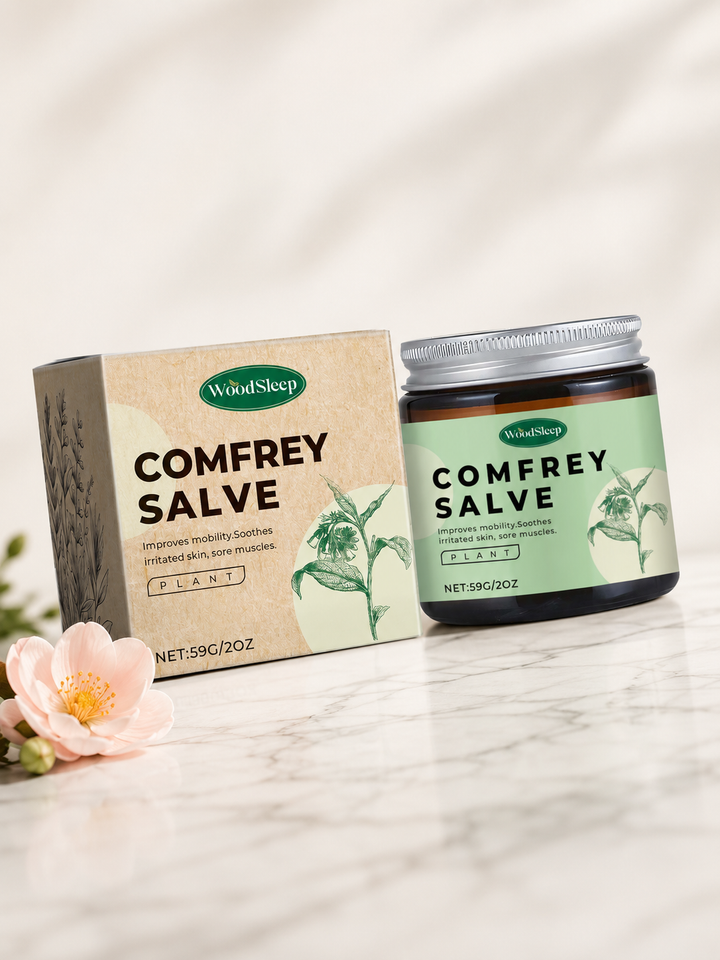


Muscle relief creams and ointments offer a convenient way to massage areas that feel sore, tight, or tired after activity or everyday strain. This guide explains how to compare herbal, warming, fast-acting, and deep-relief formulas so you can choose a product that fits your routine and comfort preferences.
Start by identifying where and when you need relief. For post-workout soreness, look for a cream that spreads easily and works well with massage on areas such as the legs, shoulders, or back. If you prefer a more noticeable sensation, a warming muscle and circulation cream may suit your routine. Herbal creams and salves are useful options for shoppers who prefer plant-based ingredients and a simple massage step. Consider texture too: creams absorb more quickly, while ointments and salves tend to feel richer and may work well for slower massage. Compare the product directions, scent, finish, and intended use rather than choosing based only on phrases such as “strongest” or “best.”
This category includes several textures and comfort styles. Herbal joint salves and massage ointments are rich formulas designed to support hands-on application over sore muscles and areas that feel stiff. Ginger-based creams offer a botanical option with a lighter cream texture. Deep-relief creams are suited to shoppers who prefer a more substantial massage experience for aching joints and tired muscles. Fast-acting soreness creams are convenient when you want a product that fits easily into a post-activity routine. Warming creams provide a heat-like sensation and may appeal to people who enjoy warmth during massage. No formula is ideal for everyone, so choose according to texture, sensation, ingredients, and the body area you plan to use it on.
Check the ingredient list and product directions before buying, especially if you have sensitive skin or avoid particular botanical ingredients. Look for clear guidance on where to apply the cream, how much to use, how often to reapply, and whether handwashing is recommended afterward. A pump or squeeze tube can make application easier, while a jar may suit shoppers who prefer a thicker salve. For athletes, a non-greasy texture and easy portability can be practical after training or travel. For leg muscle pain, consider a formula that spreads smoothly over larger areas without requiring excessive rubbing. If scent matters, review the product description for fragrance details and choose a formula that fits your preference.
Read the package directions first and apply the recommended amount to clean, dry skin. Massage the cream gently over the area that feels sore or tight, avoiding the eyes, mouth, and other sensitive areas. Wash your hands after application unless the directions say otherwise. Warming formulas may feel more intense than standard creams, so use a small amount first and follow the stated instructions. Do not apply cream to broken, irritated, or recently shaved skin, and avoid covering the area with tight wraps unless the product directions specifically allow it. For sore legs after activity, combine application with rest, gentle movement, hydration, and other parts of your normal recovery routine.
A common mistake is applying too much product because a larger amount does not necessarily provide a better experience. Another is layering multiple warming or scented products on the same area, which can make the skin feel uncomfortable. Avoid using a cream on damaged skin or immediately before activities that involve heat unless the directions permit it. Do not judge a product only by “strongest muscle rub cream” wording; comfort, texture, and suitability for your skin are just as important. Shoppers also sometimes overlook transfer to clothing, bedding, or hands. Test the formula as directed, follow the label, and stop use if irritation develops. Seek professional advice for persistent, severe, or unexplained pain.
Muscle relief cream can suit adults who want a topical option for massage after exercise, long periods on their feet, gardening, travel, or everyday physical activity. Athletes may prefer portable creams with a quick-spreading texture for use after training, while shoppers with tired legs may favor a richer ointment or a warming formula. Herbal options can appeal to people who prefer plant-based ingredients, but “natural” does not automatically mean suitable for every skin type. Review the ingredients and directions before use, particularly if you are pregnant, have allergies, take medication, or have an ongoing health concern. These products are intended for external use and are not a substitute for professional evaluation when pain is severe, persistent, or accompanied by other symptoms.
The best choice depends on your preferred texture, ingredients, sensation, and application area. Compare herbal creams, richer ointments, deep-relief formulas, and warming creams, then follow the product directions and choose the option that fits your routine.
A herbal salve or massage ointment may suit shoppers who prefer a richer texture for hands-on application. Check the ingredient list, scent, skin-use instructions, and whether the finish works for the area you plan to massage.
There is no single strongest option for everyone, and a more intense warming sensation is not automatically better. If you choose a warming formula, use it exactly as directed, start with a small amount, and avoid layering it with other warming products.
For leg soreness, choose a cream that spreads easily over larger areas and matches your preferred finish, such as a quick-absorbing cream or richer massage ointment. Follow the label and seek professional advice if leg pain is severe, persistent, or unusual.
A topical cream can be included in a gentle massage and rest routine, but results and comfort vary by person. Follow the product directions, avoid applying it to irritated skin, and seek medical advice for severe, persistent, or unexplained pain.
You can choose an herbal cream, joint salve, massage ointment, deep-relief cream, or warming formula made for external use. Select based on ingredients, texture, and sensation, and apply only as directed on the product label.