
$44.90
Free delivery · 7–14 days
Bee Venom Pain Cream — Fast Joint & Muscle Relief


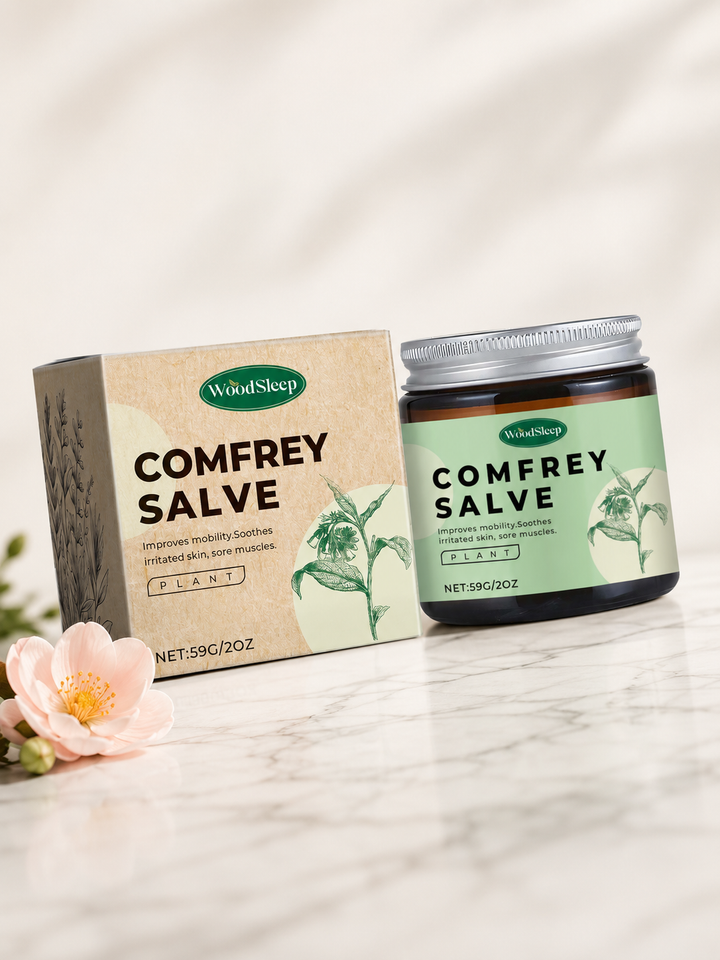


Muscle joint cream offers a convenient way to massage targeted areas such as the neck, shoulders, back, knees, hands, and legs. This category includes plant-based salves, ginger creams, bee venom formulas, and general muscle and joint creams, so compare the ingredient profile, intended use, texture, and application directions before choosing.
Start by identifying where you want to use the product and what kind of comfort you are seeking. A general joint muscle cream may suit broad areas such as shoulders, knees, elbows, or legs, while a salve can be useful when you prefer a richer texture for massage. If you favor botanical ingredients, compare the plant-based and ginger options. Bee venom creams and bee venom formulas with propolis are alternatives for shoppers who specifically want those ingredients. Read the full ingredient list and directions, especially if you have sensitive skin or known allergies. A cream can support a soothing massage, but it is not the same as a prescription muscle relaxer or a substitute for professional medical advice.
The products in this category differ mainly by formula and texture. Plant-based joint salve is a balm-style option for shoppers who prefer botanical ingredients and a more substantial feel. Ginger joint cream is another botanical choice for those seeking a warming, massage-friendly formula. General joint pain relief and muscle relief creams are versatile options for sore muscles and joints in areas such as the back, neck, arms, and legs. Bee venom joint creams and bee venom pain creams are designed for shoppers interested in bee-derived ingredients; some also include propolis. These products are topical comfort products, not injectable or prescription muscle relaxants. Compare application instructions, ingredient preferences, and the area you plan to treat rather than choosing only by phrases such as “strongest” or “fastest.”
Look for a clear ingredient list, practical directions, and a texture that fits your routine. If you want to massage muscle knots or tight-feeling areas, a cream that spreads easily may be more convenient than a heavy salve. For hands, knees, or other exposed areas, consider whether you prefer a lighter finish or a balm that feels more substantial. Shoppers looking for a muscle relaxant cream for neck pain should check that the label describes suitable topical use and avoid contact with the eyes or other sensitive areas. If you are comparing the best cream for joint pain, also check the container size, storage guidance, and any skin warnings. Avoid products whose descriptions do not explain how and where to apply them.
Apply the selected muscle joint cream only as directed on its label. Begin with a small amount on clean, dry skin and massage it gently over the intended area, avoiding the eyes, mouth, broken skin, and other sensitive areas. Wash your hands after application unless the hands are the area being treated. Do not cover the area with a tight dressing or combine topical products unless the instructions or a healthcare professional say it is appropriate. For leg, shoulder, neck, or joint use, keep the application focused rather than spreading the cream over large areas. Stop using the product if irritation occurs. Check the label before use if you have allergies, are pregnant or breastfeeding, or take regular medication.
One common mistake is assuming that a stronger sensation means better results. Cooling, warming, tingling, or a noticeable scent reflects the formula’s feel and does not guarantee that it will suit your needs. Another mistake is overlooking bee-derived ingredients; avoid bee venom or propolis formulas if you have a relevant allergy or are unsure about your sensitivity. Shoppers also sometimes use too much cream, apply it to irritated skin, or combine several topical products at once. Do not treat marketing lists such as “top 10 muscle pain relief cream” as a replacement for reading ingredients and directions. Finally, do not expect a topical cream to function like a prescription muscle relaxer. Seek professional advice for persistent, severe, or unexplained pain.
These creams suit adults who want a topical product for a massage routine involving areas such as sore-feeling muscles, joints, shoulders, neck, back, knees, or legs. They can also suit shoppers choosing between a botanical salve, ginger cream, general muscle relief cream, or bee-derived formula. The best option depends on personal ingredient preferences, skin tolerance, texture, and the area of use. People with sensitive skin, allergies, ongoing conditions, or uncertainty about topical ingredients should review the label and ask a healthcare professional before use. These products are not intended to diagnose a condition or replace prescribed treatment. If pain follows an injury, is severe, keeps returning, or comes with other concerning symptoms, professional assessment is more appropriate than relying on a muscle rub alone.
There is no single best cream for everyone. Compare the ingredient profile, texture, intended application area, and skin warnings; options in this category include plant-based, ginger, general muscle and joint, and bee-derived formulas. Choose the product whose directions and ingredients best match your preferences and needs.
A good choice is one with clearly listed ingredients, straightforward directions, and a texture you can apply comfortably to the intended area. Plant-based salves, ginger creams, general relief creams, and bee-derived creams offer different formula preferences. Always follow the product label and stop use if irritation occurs.
The best option depends on the joint, your skin sensitivity, and the ingredients you prefer. Compare general joint creams with botanical or bee-derived alternatives, and select a product labeled for topical use on the area involved. A cream should not replace professional advice for persistent or severe joint pain.
A topical cream can provide a soothing massage experience and may help an area feel more comfortable, depending on the formula and individual response. Results are not the same for everyone, and a cream is not equivalent to an oral or prescription muscle relaxer. Use it only as directed and seek advice for ongoing or unexplained discomfort.
There is no single product that can be attributed to all Amish people, and claims about a specific traditional remedy should be treated cautiously. In this category, shoppers can compare plant-based salves, ginger creams, and other topical formulas based on their listed ingredients and directions. Check the label rather than relying on an informal remedy claim.
“Strongest” is not a reliable way to compare topical creams because a stronger scent, warming feel, or tingling sensation does not guarantee better results. Compare the ingredients, intended use, application instructions, and skin warnings instead. Bee-derived, ginger, plant-based, and general muscle creams each offer different formula choices.