Pain Relief Gel for Stomach, Gas & Abdominal Pain Comfort
6 items




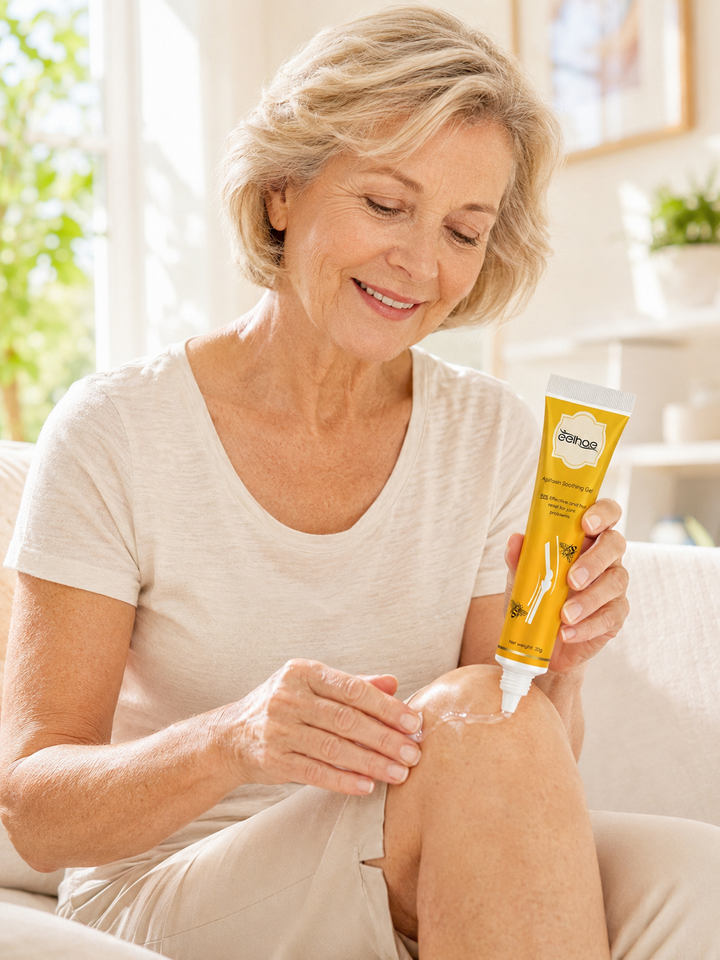
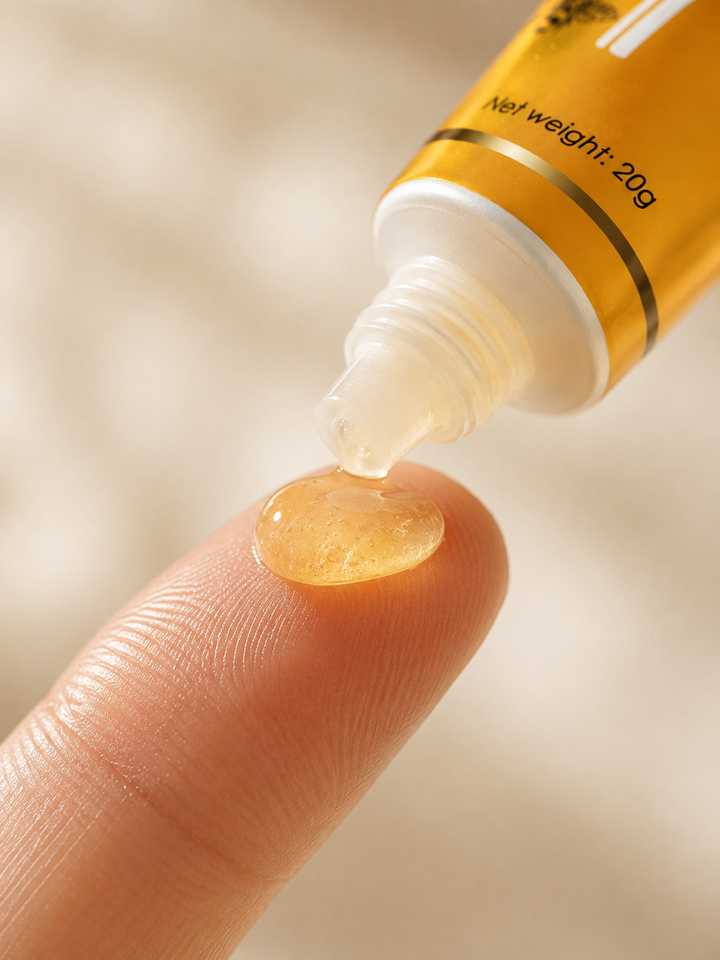
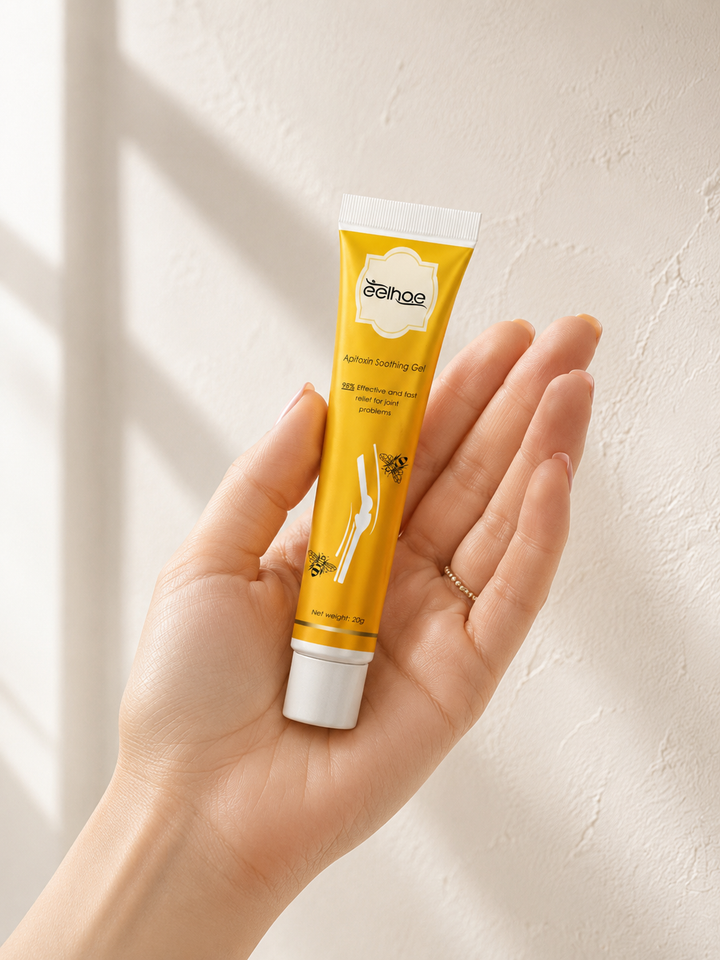

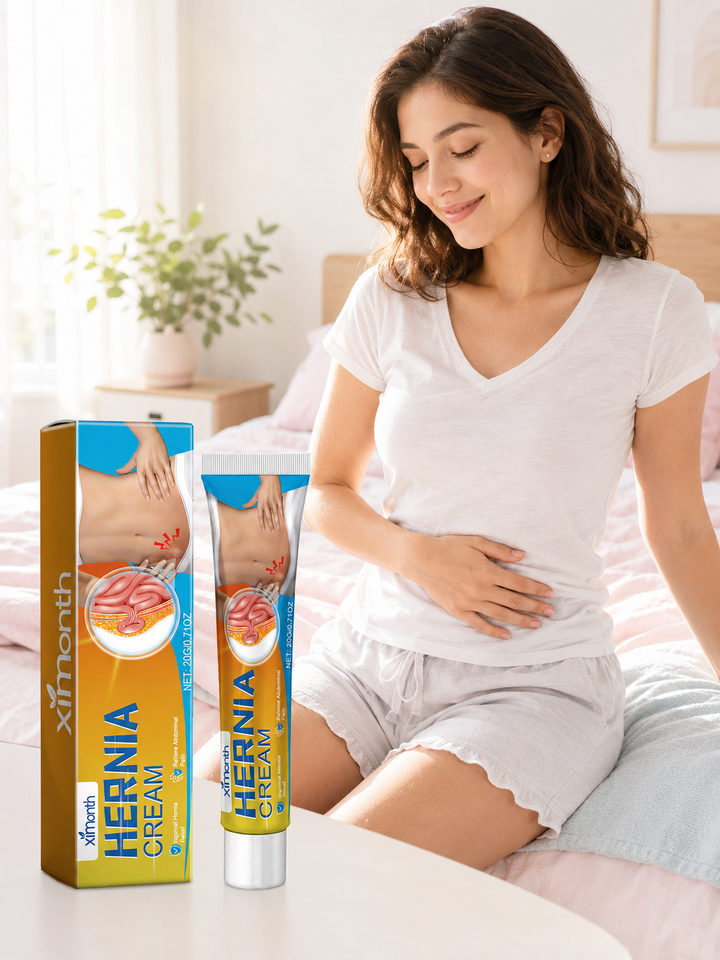

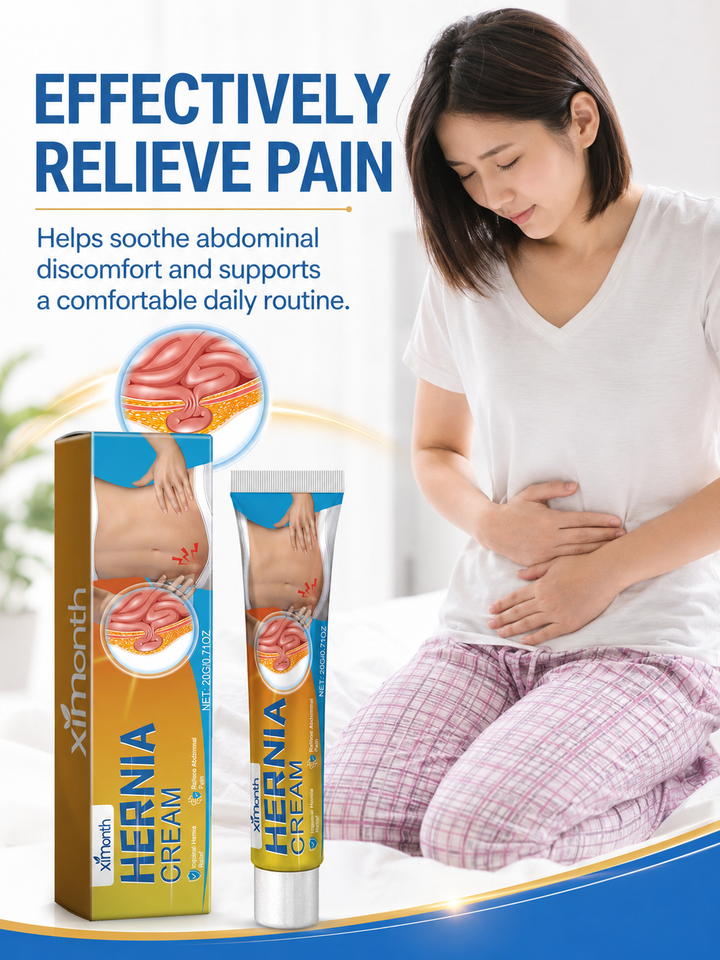


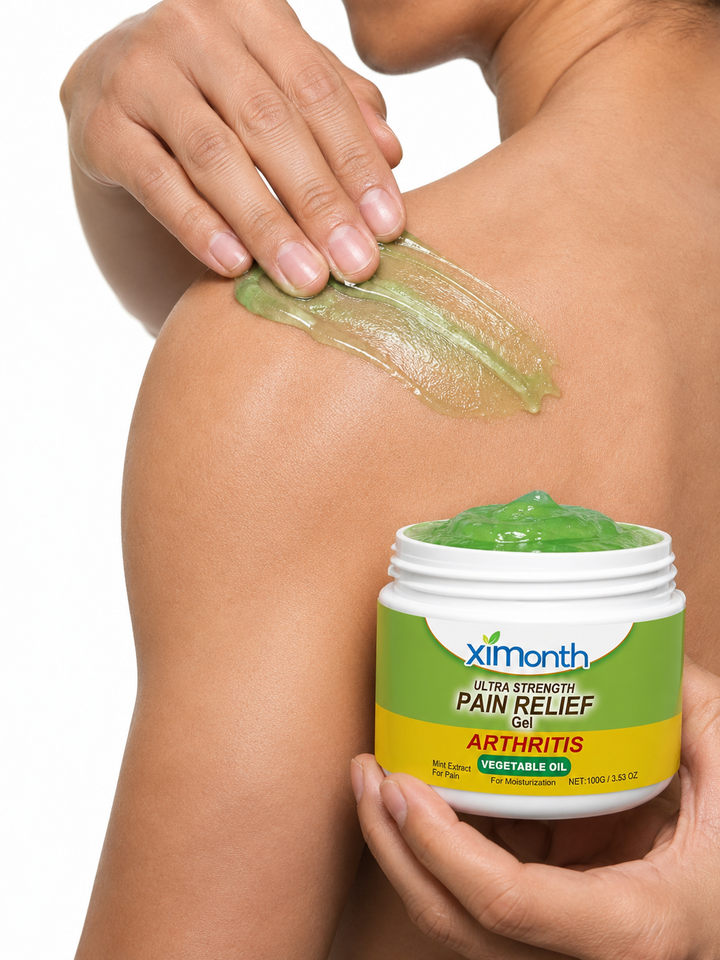


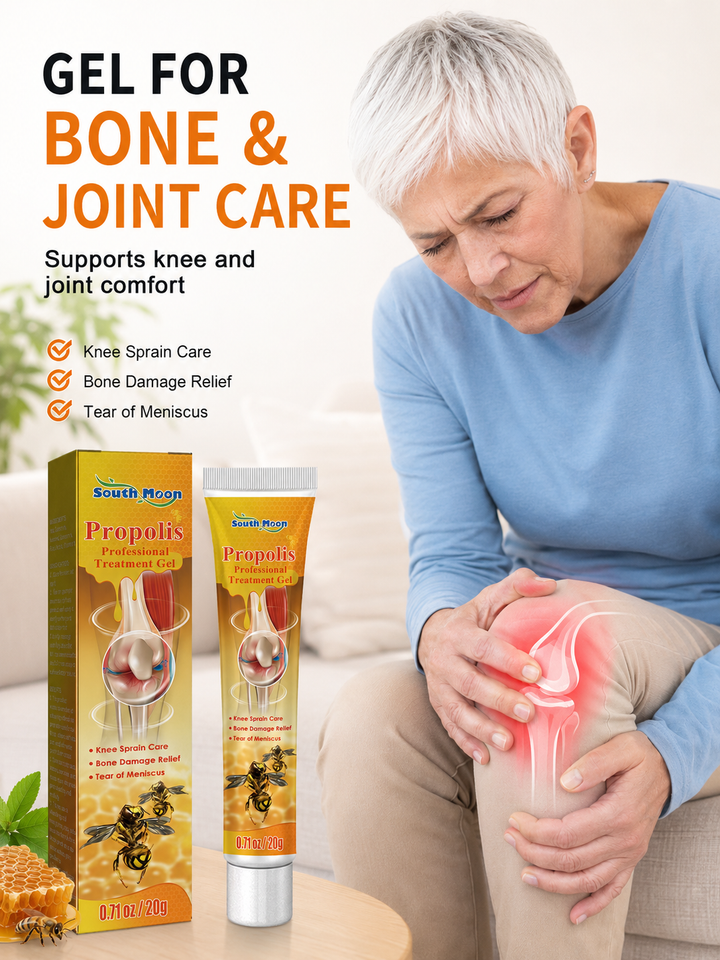
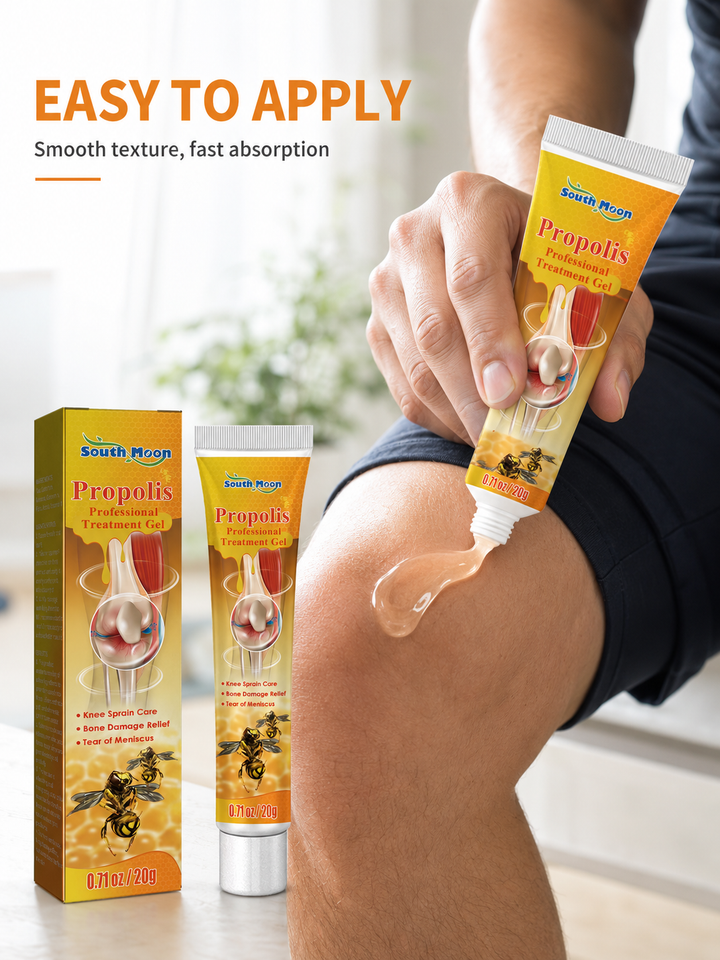

Find a topical pain relief gel for everyday muscle, joint, or abdominal comfort by matching the formula and application style to your needs. This category includes cooling, plant-based, bee venom, propolis, gout-focused, and hernia-support products, so read each product label carefully before use.
How to choose the best pain relief gel for your needs
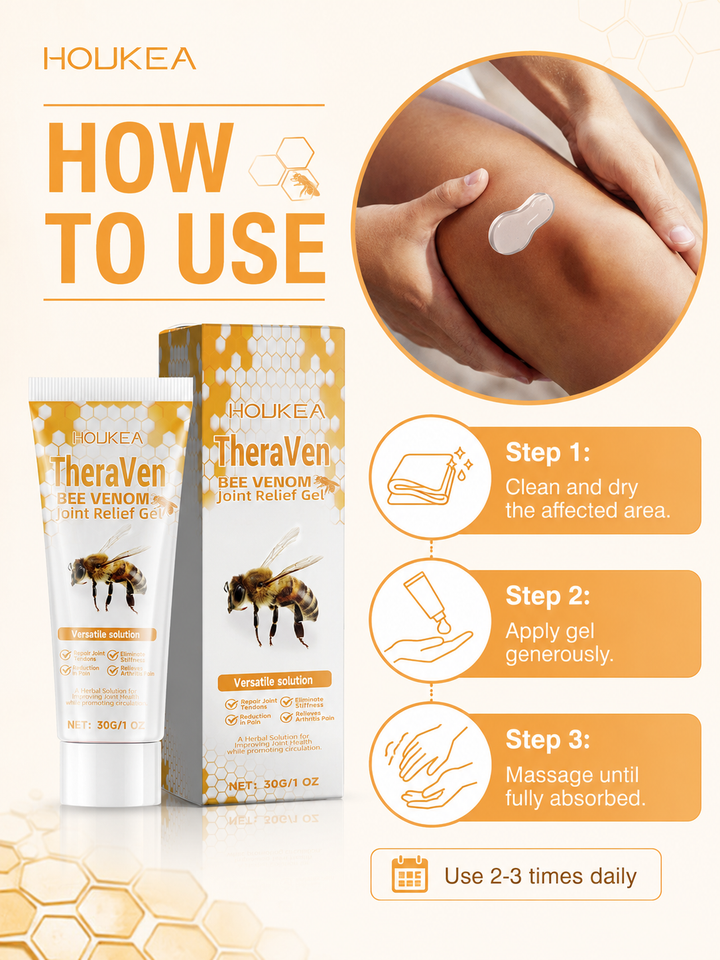
Start by identifying where you want to apply the product: muscles and joints, areas affected by occasional gout discomfort, or the abdomen. Choose a product whose label specifically matches that use. For a cooling feel, consider Pain Relief Gel — Ultra Strength Arthritis & Muscle Cooling; for plant-based care, compare Joint Pain Relief Gel — Plant-Based Joint Care or Propolis Joint & Muscle Pain Relief Gel. Bee Venom Joint Relief Gel is another option for everyday muscle comfort. If you are shopping for a pain relief gel roll on, check the container and directions because these products may be supplied in a tube rather than a roll-on format. Compare ingredient lists, scent, texture, size, and application instructions instead of relying only on claims such as “strongest” or “fastest.”
What types of pain relief gel are available
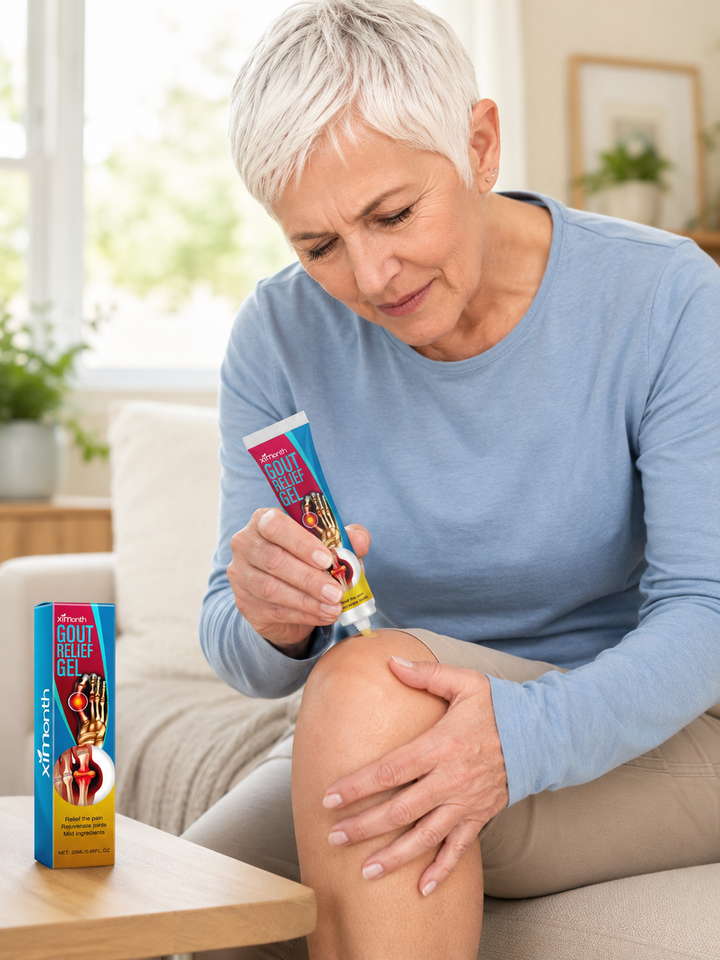
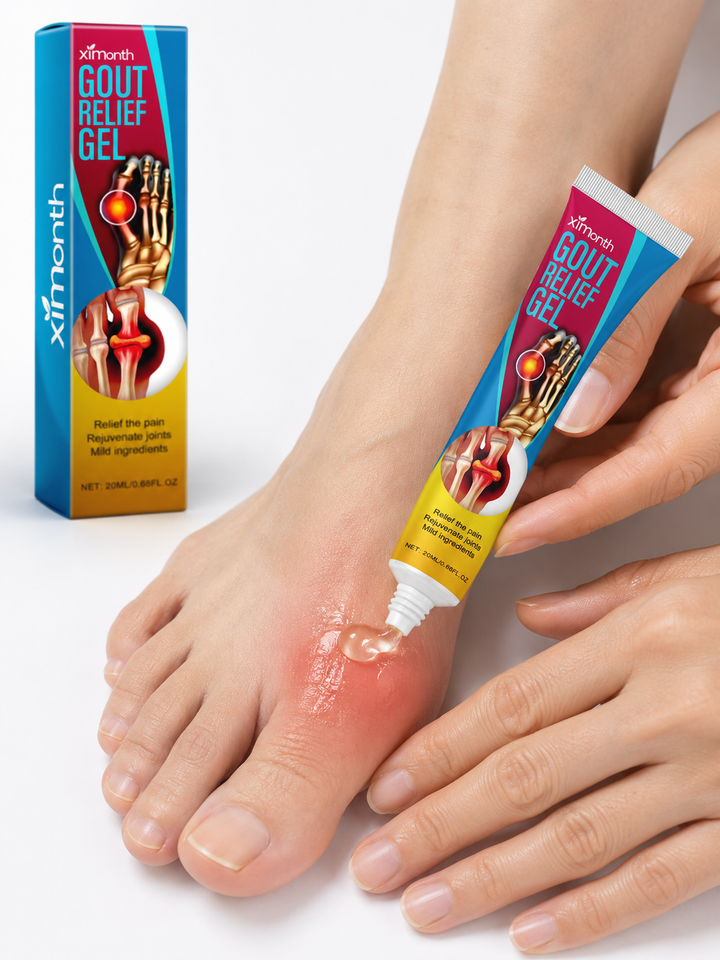
Topical gels in this category differ mainly by their intended area, ingredients, and sensory experience. Cooling formulas are designed to leave a cold or refreshing sensation, while plant-based products focus on botanical ingredients and everyday joint care. Bee venom and propolis gels offer different ingredient profiles for shoppers who prefer those options, but anyone with ingredient sensitivities should review the label first. Gout Pain Relief Gel is positioned for joint-care routines related to gout discomfort, while Hernia Cream is intended for abdominal-area comfort and should be used only as directed. These products are not interchangeable with a pain relief gel for burns, and none should be applied to damaged skin unless the product instructions specifically allow it. Compare the product purpose before choosing based on price or “ultra strength” wording.
What to look for in a pain relief gel
Check five details before buying: the stated use, active and inactive ingredients, application instructions, package size, and warnings. If you want pain relief gel for muscle areas, look for wording that clearly includes everyday muscle comfort. For joint or arthritis-related routines, choose a product that describes joint care rather than assuming every topical gel is suitable. A clean ingredient list can help shoppers avoid substances they know they do not tolerate, while a fast-absorbing texture may be more convenient under clothing. Look for a pump, tube, or roll-on only if that format suits how you apply products. “Ice pain relief gel” usually refers to a cooling sensation, not a substitute for an ice pack. Do not select a product for bones, burns, or abdominal pain unless its label specifically addresses that use.
How to use pain relief gel safely
Read the product label before the first application and follow its directions for amount, frequency, and application area. Apply only to clean, intact skin unless the instructions say otherwise, and wash your hands after use unless your hands are the treatment area. Keep gel away from the eyes, mouth, and other sensitive areas. Do not cover the area with a tight dressing or add heat unless the label permits it. Stop using the product if you develop a troubling skin reaction and seek appropriate advice. For abdominal discomfort, including symptoms associated with a hernia, a topical gel should not replace professional assessment when pain is severe, sudden, persistent, or accompanied by other concerning symptoms. If you take medicines, have allergies, are pregnant, or are treating a child, ask a pharmacist or clinician whether the product is appropriate.
What are common pain relief gel buying mistakes
A common mistake is choosing a product because it sounds strongest without checking what it is designed for. A cooling arthritis and muscle gel may not be suitable for abdominal use, while a hernia cream may not be the right choice for a sore back or exercise-related muscle discomfort. Another mistake is treating “herbal,” “natural,” or “plant-based” as automatically risk-free; botanical ingredients can still cause unwanted reactions. Do not use a pain relief gel for burns, open wounds, or irritated skin unless the label specifically permits it. Avoid applying more than directed, combining several topical products on the same area, or using heat without checking the instructions. Finally, do not rely on marketplace labels such as “pain relief gel Walmart” or “prescription strength” as proof of suitability; compare the actual product directions and warnings.
Who is pain relief gel suitable for
These gels may suit adults seeking a topical addition to an everyday routine for muscle or joint comfort, provided the chosen product matches the intended area and the user follows the label. Joint Pain Relief Gel — Plant-Based Joint Care, Bee Venom Joint Relief Gel, Propolis Joint & Muscle Pain Relief Gel, and the cooling Ultra Strength formula are aimed at different preferences within muscle and joint care. Gout Pain Relief Gel is for shoppers specifically comparing gout-focused topical options, while Hernia Cream is for abdominal-area use as described by its instructions. Ask a healthcare professional before use if you have a known allergy, sensitive skin, a chronic condition, take regular medicines, or are unsure whether your symptoms need evaluation. Children, pregnant people, and anyone with unexplained or worsening pain should get product-specific advice first.
Frequently asked questions
What is the strongest pain relief gel?
There is no single strongest option for every person or type of discomfort. Product wording such as “ultra strength” describes the product’s positioning, not a guarantee that it will work best for you. Compare the intended use, ingredients, directions, and warnings, and ask a pharmacist or clinician if you need a product for persistent or significant pain.
Which is the best pain relief gel?
The best choice depends on where you plan to apply it and which ingredients or texture you prefer. For muscle and joint routines, compare the cooling, plant-based, bee venom, and propolis options; for abdominal-area use, review the Hernia Cream directions carefully. Choose by label fit rather than by a general “best” claim.
What is the fastest way to relieve arthritis pain?
The fastest option varies by the cause and severity of the discomfort. A topical cooling gel may provide a noticeable cooling sensation, but that feeling does not guarantee a particular result. Use only as directed, and seek professional advice for new, severe, worsening, or persistent symptoms.
Do anti-inflammatory gels actually work?
Topical gels can provide a convenient way to apply a product to a specific area, but results differ by formula, person, and type of discomfort. Not every pain relief gel contains an anti-inflammatory ingredient, so check the label instead of assuming it does. Follow the directions and consult a pharmacist or clinician if you are unsure what is suitable.
What is the best anti-inflammatory gel for pain?
There is no universally best anti-inflammatory gel, and the products in this category should not be assumed to contain a particular medicine or active ingredient. Review each product’s ingredient list, intended use, and warnings before buying. A healthcare professional can help you compare options if you use other medicines or have an ongoing condition.
Who should not use Voltaren gel?
Voltaren is not a product sold in this category, and suitability depends on the specific formulation and local label. People with relevant medicine allergies, certain health conditions, medication interactions, pregnancy concerns, or sensitive or damaged skin should ask a healthcare professional before using any medicated topical gel. Always follow the product’s own warnings rather than relying on general online advice.