Skip to content

Scalp Pain & Itchy Scalp Relief Treatments | Dandruff Remedies

5 products

Find practical options for scalp itch relief, including targeted topical products and soothing balms. Because these products are not all designed specifically for the scalp, check each label carefully and choose only formulas that state they are suitable for the intended area.

How to choose scalp itch relief

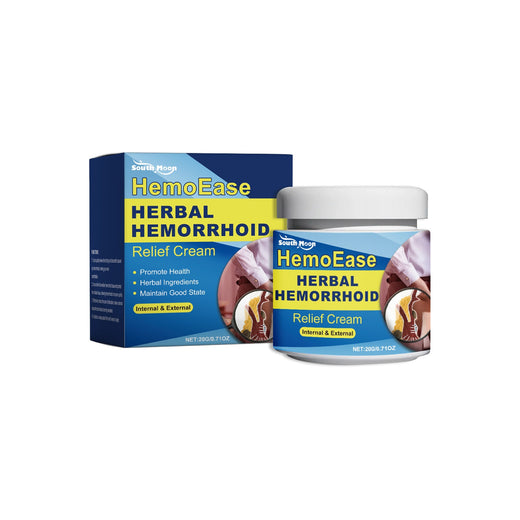
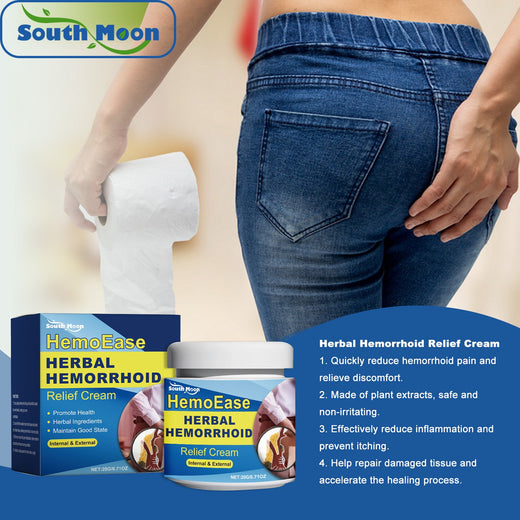
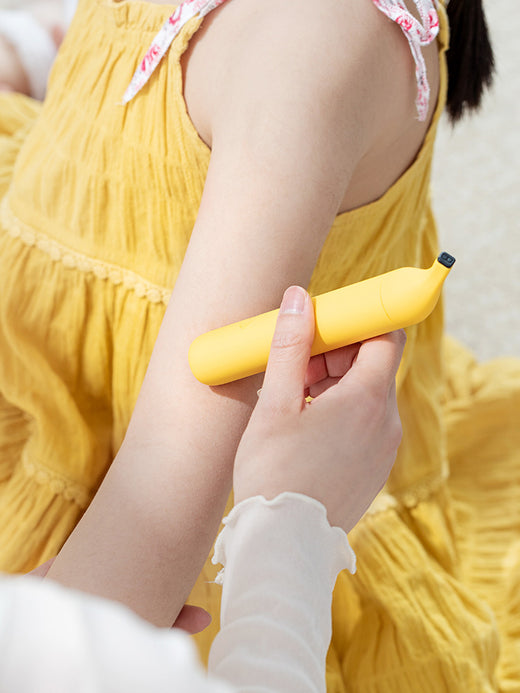
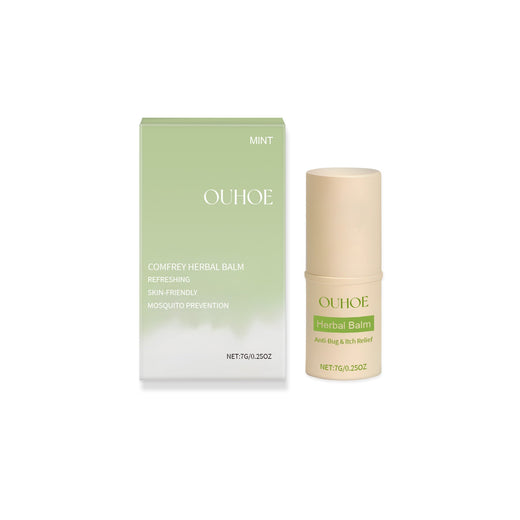
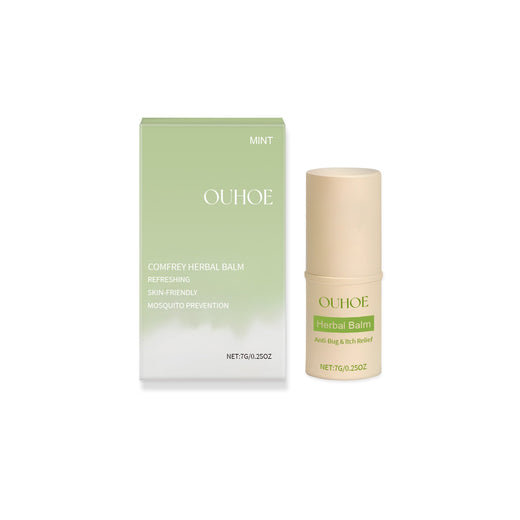
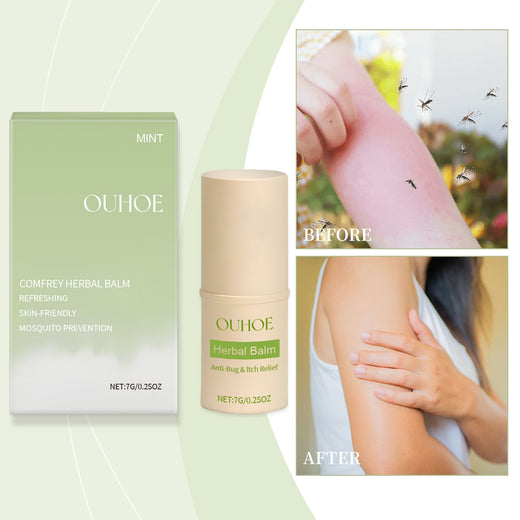
Start by identifying whether you want a product for the scalp itself or a general topical for occasional itch on the skin. The Banana Anti-Itch Stick is the most directly positioned option in this category, while the Comfrey Refreshing Balm is described for bug and itch relief. The Herbal Hemorrhoid Relief Cream is intended for a different body area, and the South Moon joint products are positioned for joints, so do not apply them to your scalp unless the product label specifically allows it. For a scalp itch relief shampoo, look for a formula clearly labeled for scalp use and follow its directions. If itching is severe, persistent, painful, or accompanied by a rash or hair loss, seek professional advice rather than relying only on an online remedy.

What types of itchy scalp treatments are available

Topical itch products generally come in sticks, balms, creams, sprays, and shampoos. A stick can be convenient for precise application to a small, reachable area without getting product throughout the hair. A balm may suit a small patch of dry or irritated skin, but mint or other cooling ingredients can feel strong and may not suit everyone. Creams and sprays are often easier to spread over skin, yet the products in this category are not all formulated for scalp use. Shampoos are designed to be rinsed from the scalp and may be more practical when flaking or buildup is part of the concern. Compare the intended use, application method, residue, fragrance, and hair compatibility before choosing.

What to look for in the best treatment for itchy scalp

Look for clear instructions covering where to apply the product, how much to use, and whether it should be rinsed out. For scalp use, consider a non-greasy texture that can be applied without leaving heavy residue on the roots. A targeted stick may be useful for occasional, localized itching, while a balm can be more suitable for a small area of dry-feeling skin if its label permits scalp application. Review the ingredient list for known personal sensitivities, especially if you react to fragrance, botanicals, or cooling ingredients. “Chemical-free” is not a guarantee that a product will suit every person, so rely on the full label rather than a single marketing phrase. Avoid products whose directions do not mention the scalp or hairline.

How to stop itchy scalp immediately and use treatments safely

No topical product can guarantee immediate relief, so follow the package directions and avoid repeatedly reapplying because the itch continues. First, part the hair and apply a small amount only to the intended skin area; keep products away from the eyes, mouth, and broken skin unless the label says otherwise. Wash your hands after use, and stop if burning, swelling, or a worsening rash develops. A cool, damp cloth and avoiding scratching may provide short-term comfort while you assess the cause. If using a product near the hairline, check whether it needs to be washed out and whether it may transfer to pillows or clothing. Do not combine several itch products on the same area without professional guidance.

Common itchy scalp home remedy mistakes to avoid

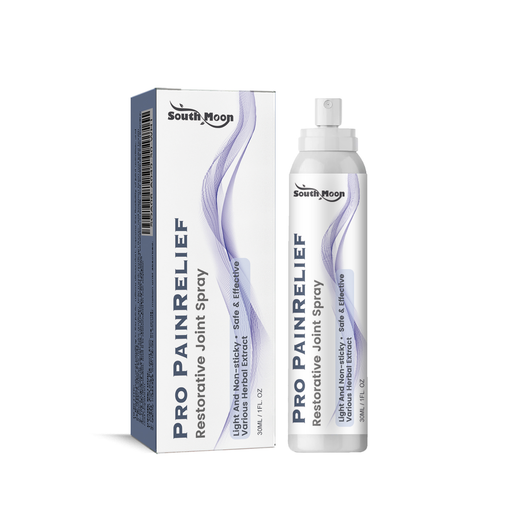
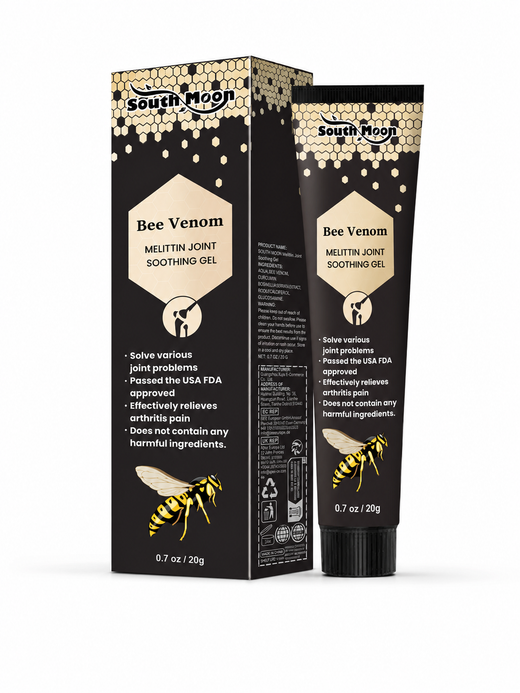
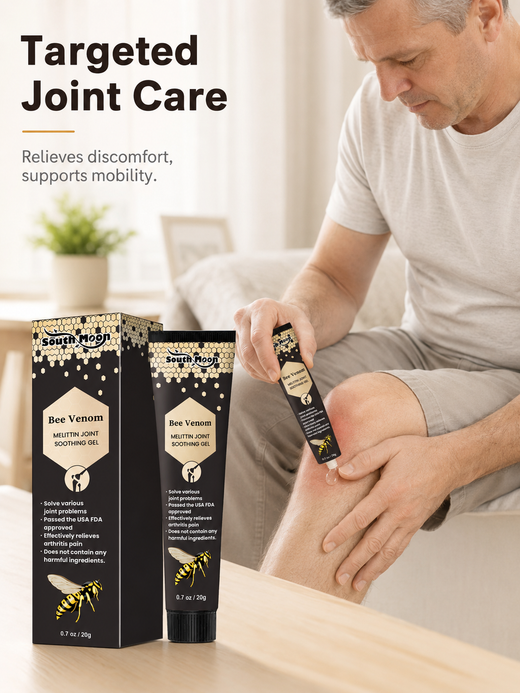
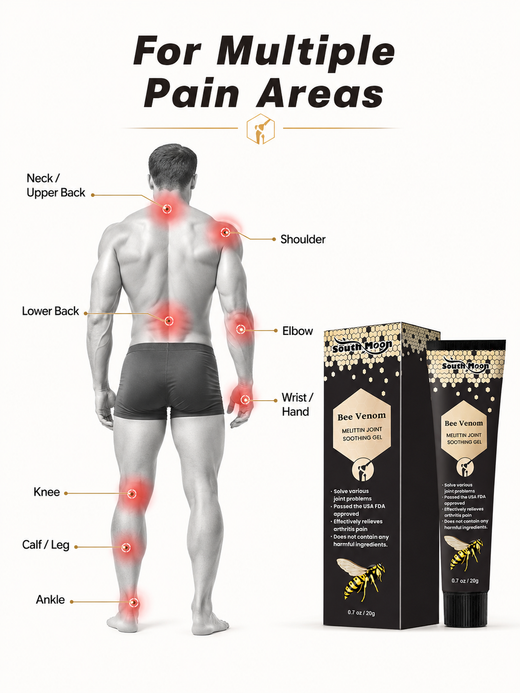
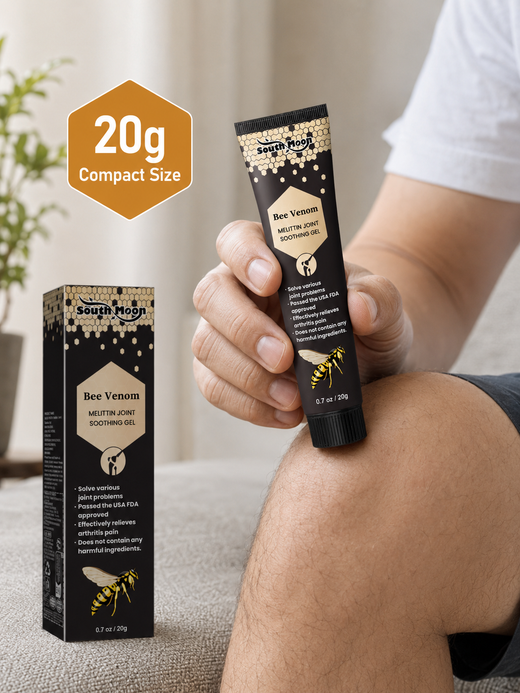
A frequent mistake is applying a product meant for hemorrhoids, joints, or insect bites to the scalp without checking its directions. The Herbal Hemorrhoid Relief Cream, South Moon Joint Relief Spray, and South Moon Bee Venom Joint Gel are not scalp treatments based on their listed positioning; use them only as directed for their intended areas. Another mistake is scratching hard, which can further irritate the skin. Avoid household ingredients, undiluted essential oils, and strong cooling products when their safety for scalp use is unclear. Do not assume that itching at night has one specific cause, or that it automatically indicates a vitamin deficiency or autoimmune condition. Persistent itching, scaling, sores, discharge, or thinning hair deserves assessment rather than repeated home experiments.

Who scalp itch relief products suit best

These products may suit adults seeking occasional, localized comfort from minor skin itch when the label confirms the intended application area. The Banana Anti-Itch Stick may be the simplest option to consider for targeted use, while the Comfrey Refreshing Balm may appeal to shoppers looking for a balm texture and mint sensation, provided scalp use is allowed. They are not a substitute for diagnosis when the scalp is intensely itchy, repeatedly itchy at night, visibly inflamed, scaly, painful, or associated with thinning hair. Take extra care with children, pregnancy, allergies, sensitive skin, and use around the eyes; ask a pharmacist or clinician before applying an unfamiliar product. Choose a scalp-specific shampoo or treatment when the label and symptoms point to a wash-off scalp product.

Frequently asked questions

Why is my scalp so insanely itchy?

Scalp itching can have many possible causes, including dryness, product buildup, sensitivity to hair products, flaking, or skin irritation. The cause cannot be identified from itch alone. Check for changes in products and visible symptoms, and seek professional advice if the itching is severe, persistent, or accompanied by sores, pain, or hair loss.

What do dermatologists recommend for an itchy scalp?

Recommendations depend on the cause and may include changing irritating hair products, using a scalp-specific wash, or treating an identified skin condition. A clinician can examine the scalp and recommend an appropriate ingredient or treatment. Do not assume that a general itch balm, joint gel, or hemorrhoid cream is suitable for scalp use.

How do I make my head stop itching immediately?

Immediate relief is not guaranteed. You can avoid scratching, use a cool damp cloth, and apply only a product whose label specifically allows scalp use. Stop if the product causes burning or worsening irritation, and seek care for intense or ongoing symptoms.

What vitamin is lacking if your scalp itches?

Scalp itching does not identify a particular vitamin deficiency. Taking a supplement without confirming a deficiency may not address the cause and can be inappropriate for some people. Discuss persistent itching and any suspected deficiency with a qualified healthcare professional.

What can I take to stop my scalp from itching?

There is no single option that suits every cause of scalp itching, and these category products are topical rather than oral medicines. Use a scalp product only as directed on its label, and ask a pharmacist or clinician before taking anything for ongoing symptoms. Get advice promptly if itching is severe, widespread, or linked with swelling, sores, or hair loss.

What autoimmune disease makes your scalp itch?

Several health conditions can involve scalp symptoms, and itching alone cannot identify an autoimmune disease. It is not reliable to self-diagnose from online descriptions. If you notice persistent inflammation, scaling, plaques, sores, or thinning hair, arrange an assessment with a healthcare professional.