
$44.90
Free delivery · 7–14 days
Coffee Seed Essential Oil — Deep Antioxidant Skin Nourishment
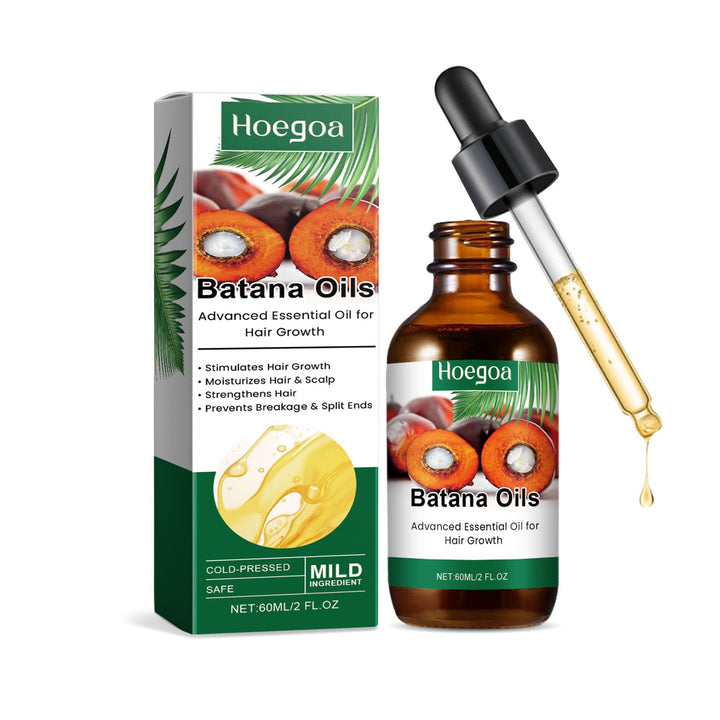
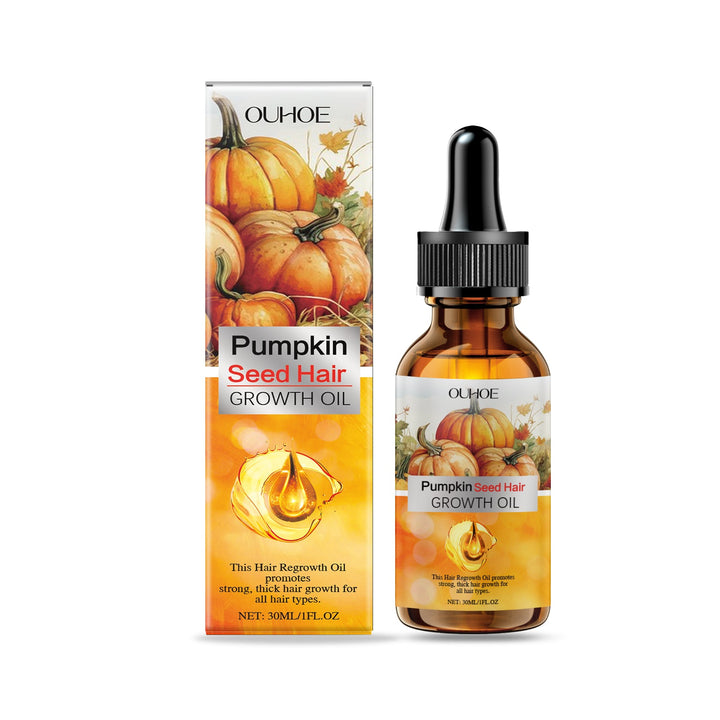


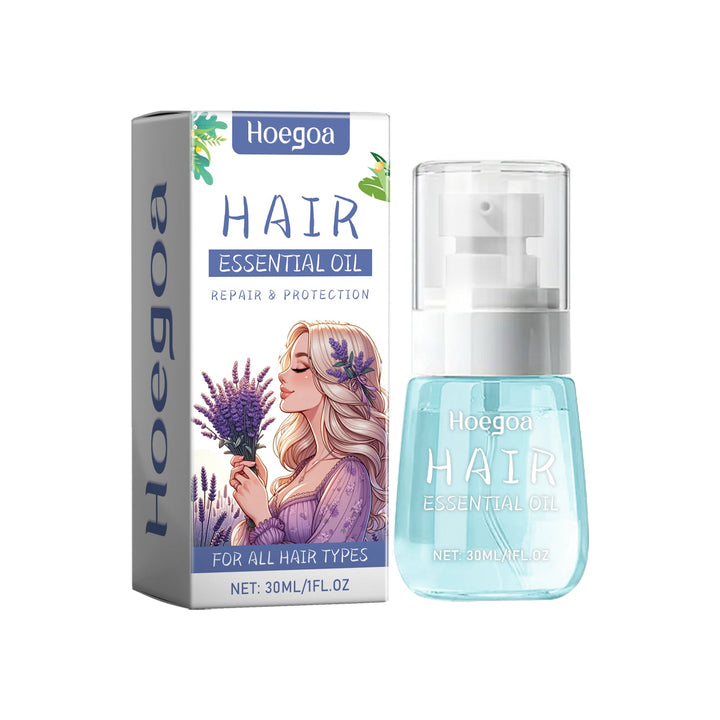


Explore hair essential oils designed to support a nourished scalp, smoother texture, shine, and stronger-looking strands. This range includes rosemary, batana, pumpkin seed, and blended hair oils, with options for frizz control, scalp nourishment, fuller-looking hair, and thinning-looking areas.
Start with your main hair-care goal rather than choosing by ingredient alone. Rosemary Hair Oil options are suited to shoppers seeking stronger-, smoother-, or fuller-looking hair. Batana Hair Oil focuses on nourishment, with one option also highlighting scalp nourishment, strength, and shine. Pumpkin Seed Hair Oil is another nourishing choice for stronger-looking strands. If your priority is softness, frizz control, or everyday shine, choose a general Hair Essential Oil blend. For areas where strands look thinner, Dense Hair Essential Oil is positioned around strengthening and restoring the appearance of thinning strands. Always check the product directions and select a texture that suits your scalp and hair type.
Shoppers often search for the best oil for hair growth and thickness, but essential oils and cosmetic hair oils should be viewed as grooming products, not guaranteed growth treatments. Rosemary, batana, pumpkin seed, and blended hair oils can be selected for goals such as nourishment, scalp care, shine, softness, or a fuller-looking finish. Compare the product focus: Rosemary Hair Oil for stronger, fuller-looking hair is aimed at a visibly fuller appearance, while Dense Hair Essential Oil is designed for thinning-looking strands. Batana and Pumpkin Seed Hair Oils emphasize nourishment and strength. Choose based on your desired finish, ingredients, scent, and how often you plan to use the product.
Rosemary Hair Oil is a practical choice for shoppers interested in stronger-, smoother-, healthier-, or fuller-looking hair. Batana Hair Oil is centered on nourishment and can suit dry-feeling strands or a routine focused on strength and shine. Pumpkin Seed Hair Oil offers another nourishment-led option for stronger-looking hair. General Hair Essential Oil products are useful when you want softer strands, nourished shine, or frizz control without choosing a single featured oil. Dense Hair Essential Oil is formulated around the appearance of thinning strands. If you are comparing five oils for hair growth, remember that product texture, intended use, and your hair’s needs matter as much as the featured ingredient.
Look for a clearly stated purpose, such as scalp nourishment, smoother hair, frizz-free shine, strength, or a fuller-looking appearance. A lightweight formula may suit fine hair or shoppers who dislike a heavy finish, while a richer oil can be preferable for coarse, dry-feeling, or textured strands. Check whether the product is intended for the scalp, lengths, ends, or a combination, and review the ingredient list for oils or essential oils you may prefer to avoid. Packaging directions should explain application and frequency. If scent matters, consider rosemary or other aromatic blends carefully. A good choice is one you can use consistently without leaving your hair feeling greasy, coated, or weighed down.
Use hair essential oil according to the individual product instructions. In general, apply a small amount to clean or dry hair, concentrating on the scalp or lengths as directed, then distribute it with your fingertips or a comb. Start with less product, especially if your hair is fine or your scalp becomes oily quickly. If the formula contains essential oils, do not apply it to the eyes or broken, irritated skin, and avoid using it undiluted unless the label specifically says it is ready for direct use. When mixing essential oils for hair growth and thickness, do not improvise ratios; use a product already formulated for hair or follow professional guidance.
Using too much oil is one of the easiest ways to create a greasy finish or make hair feel weighed down. Applying a concentrated essential oil directly to the scalp without checking the instructions can also cause discomfort, so choose a ready-to-use hair oil when possible. Avoid getting oil into your eyes, and stop use if irritation occurs. Do not assume that an oil designed for facial, culinary, or diffuser use is suitable for hair. Another common mistake is changing products too frequently before judging how the texture and finish fit your routine. For best results as a grooming step, use the chosen hair essential oil consistently and follow its label directions.
Hair essential oils can suit shoppers who want added softness, shine, frizz control, scalp nourishment, or stronger- and fuller-looking strands as part of a cosmetic hair-care routine. Choose a lighter Hair Essential Oil for a soft, nourished finish, or compare Rosemary, Batana, Pumpkin Seed, and Dense Hair Essential Oil according to your specific styling goal. They may be less suitable if you dislike scented products, rich textures, or leave-in oils. If your scalp is sensitive, review the ingredients, patch test only as directed, and select a gentle, clearly labeled formula. Anyone experiencing persistent scalp discomfort or noticeable hair changes should seek advice from a qualified healthcare professional rather than relying on an oil alone.
The best choice depends on your hair-care goal and preferred texture. Rosemary Hair Oil is suited to stronger-, smoother-, or fuller-looking hair, while Batana and Pumpkin Seed Hair Oils focus on nourishment; blended Hair Essential Oils emphasize softness, shine, or frizz control.
Do not use an oil on your hair unless its label indicates that it is suitable for hair or scalp use. Avoid applying undiluted essential oils, products intended for other purposes, or oils that cause irritation, and keep all oils away from the eyes.
They can be part of a hair-care routine when used in a product formulated for hair and applied according to its directions. Check the ingredient list, use the recommended amount, and stop if you experience irritation or discomfort.
There is no single set of oils proven to make hair grow quicker for everyone. In this category, shoppers commonly compare rosemary, batana, and pumpkin seed oils for nourishment and stronger- or fuller-looking hair, while remembering that these are cosmetic grooming products rather than guaranteed growth treatments.
No essential oil can be identified as universally most effective for hair growth. Rosemary Hair Oil is a popular option for shoppers seeking stronger- or fuller-looking hair, but the best match depends on your routine, hair texture, scent preference, and the product directions.
Hair oils should not be expected to make hair grow quicker. They can help support a nourished, conditioned appearance and make strands look smoother, shinier, stronger, or fuller, depending on the formula and how you use it.