Hair Growth Oil: Best Essential Hair Oils for Shine & Scalp
12 items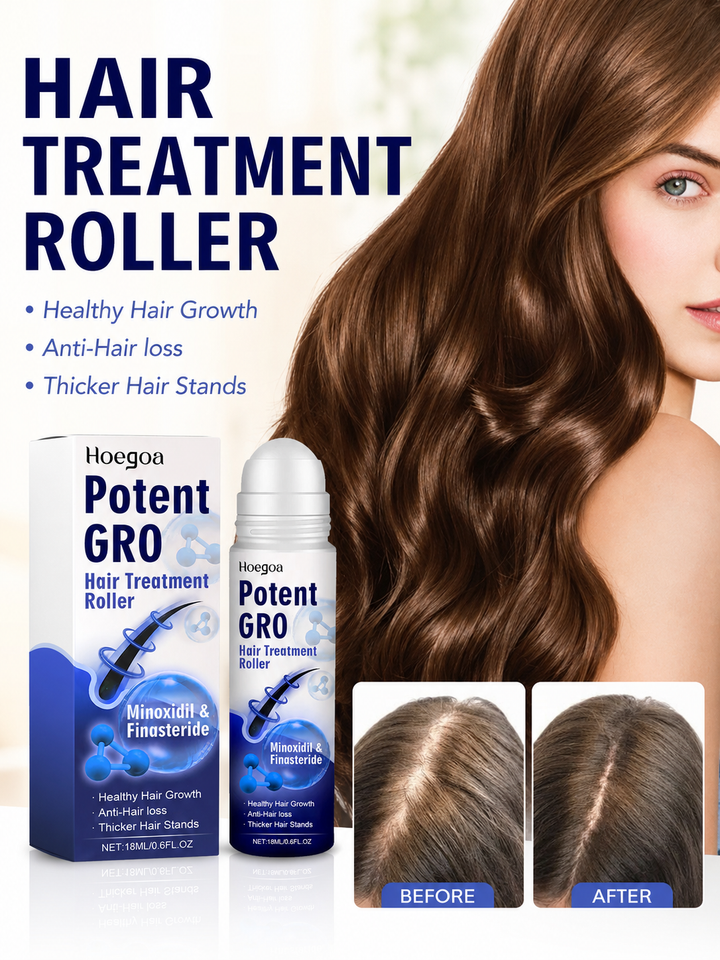
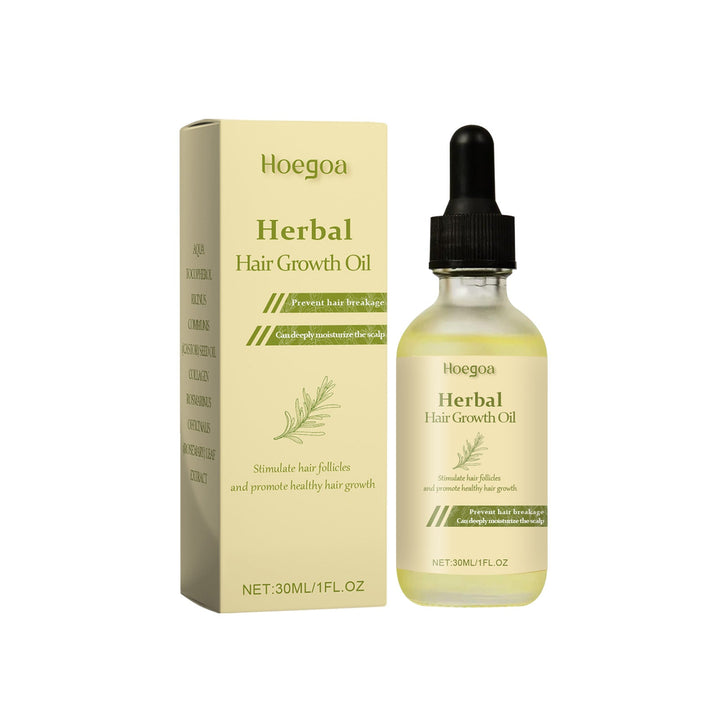
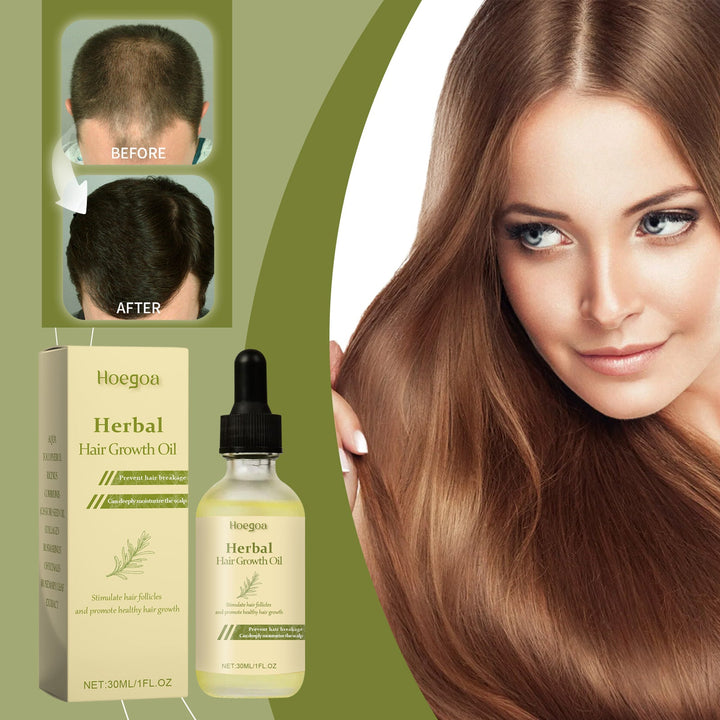


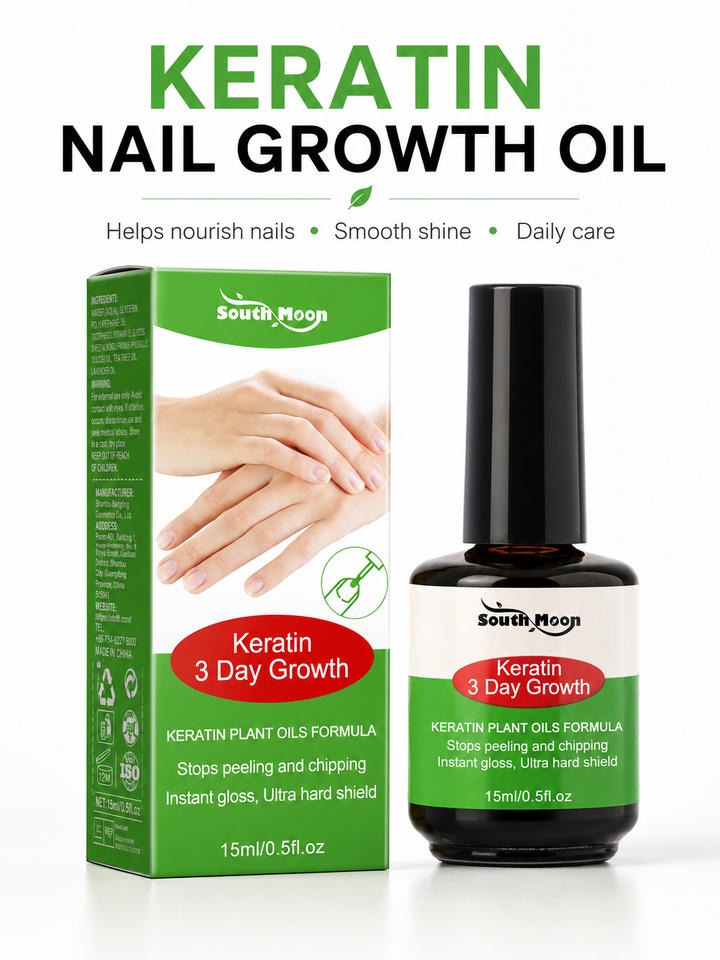
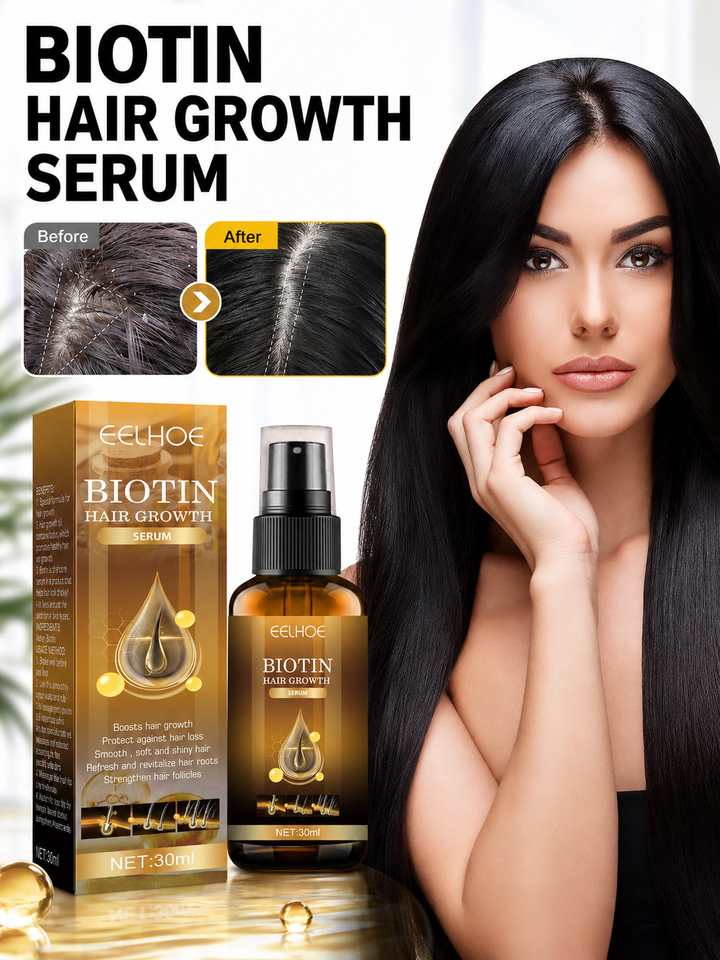
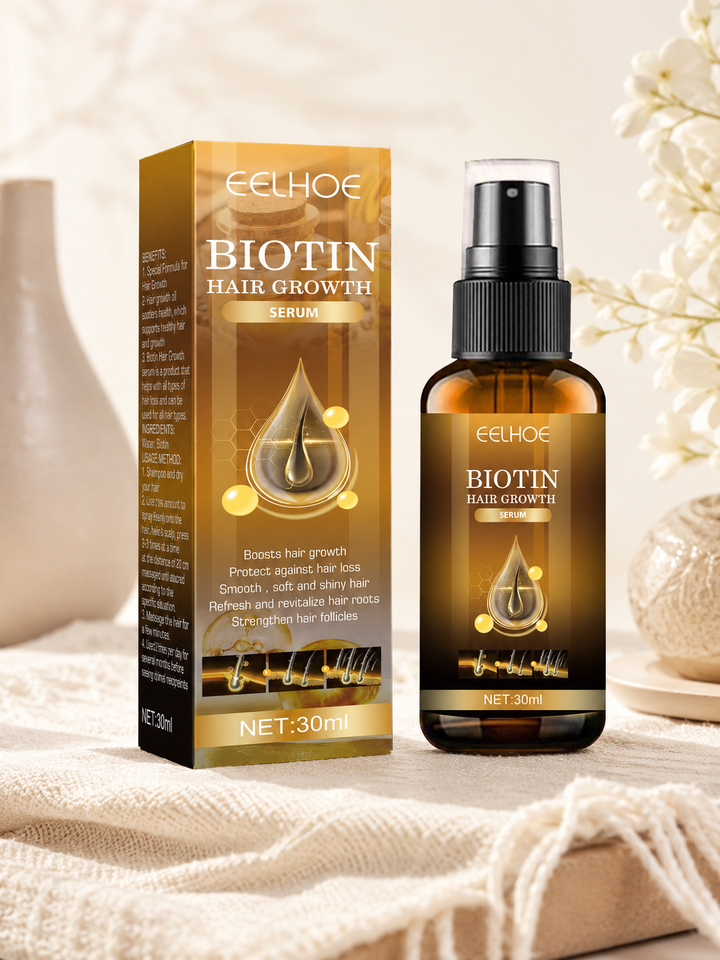
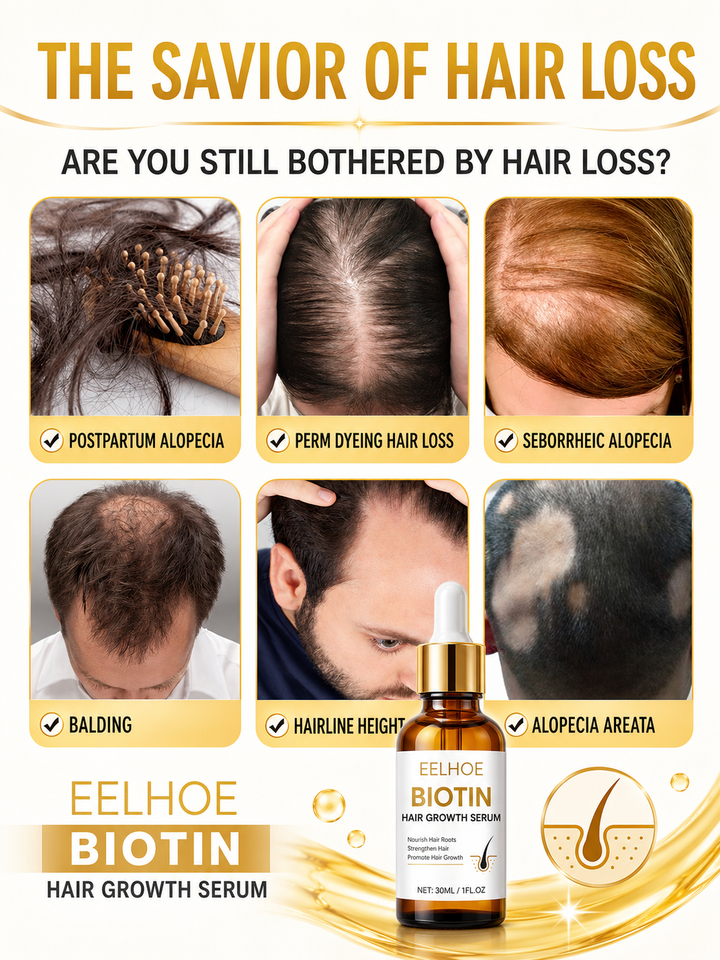


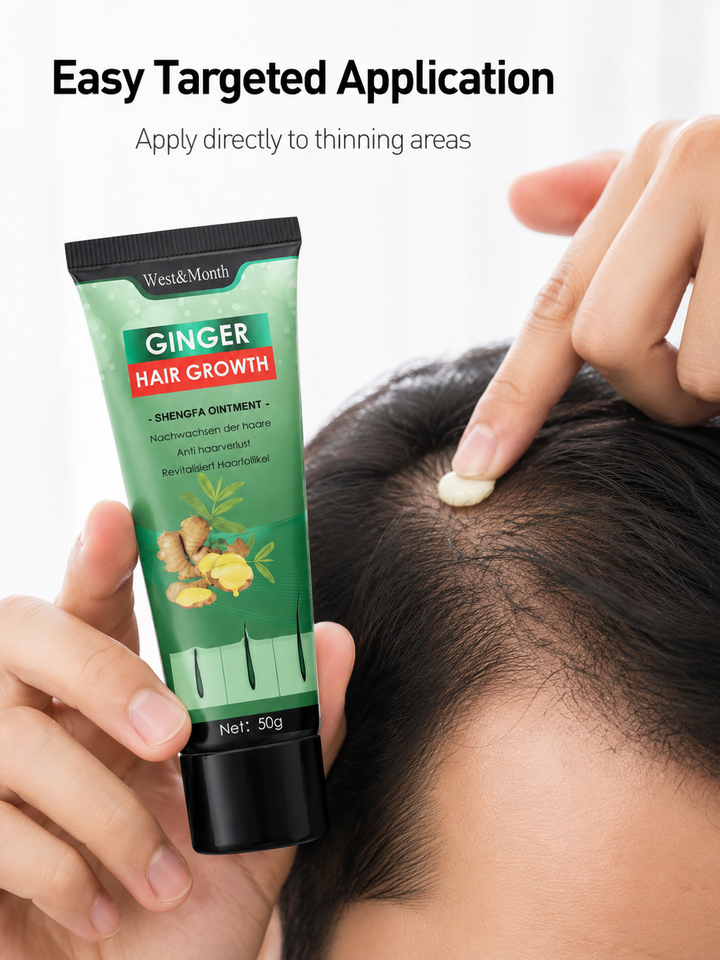


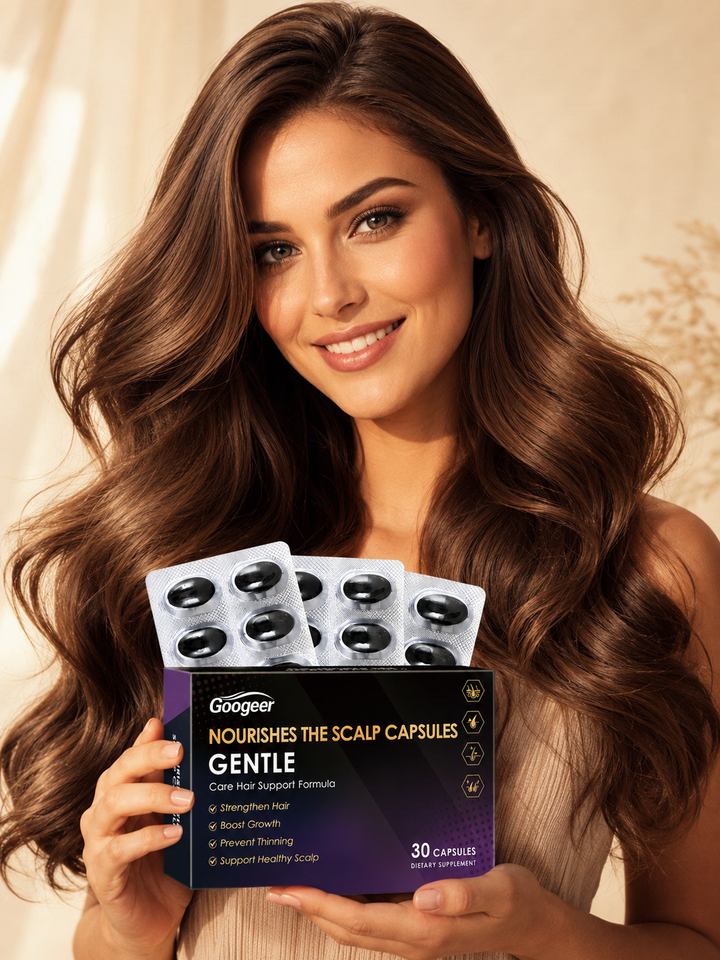


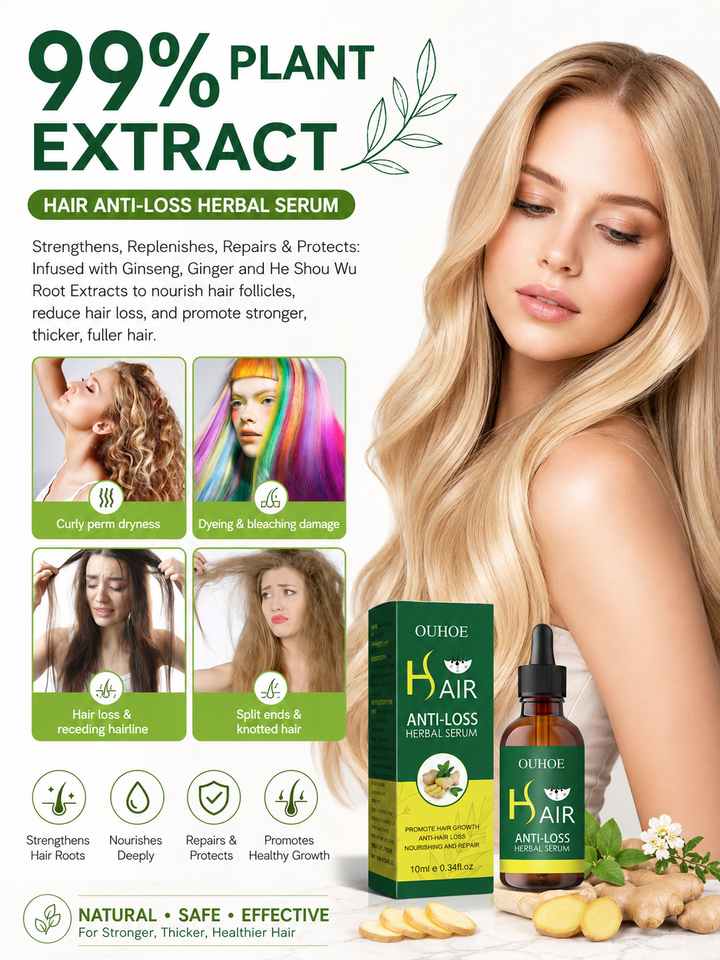
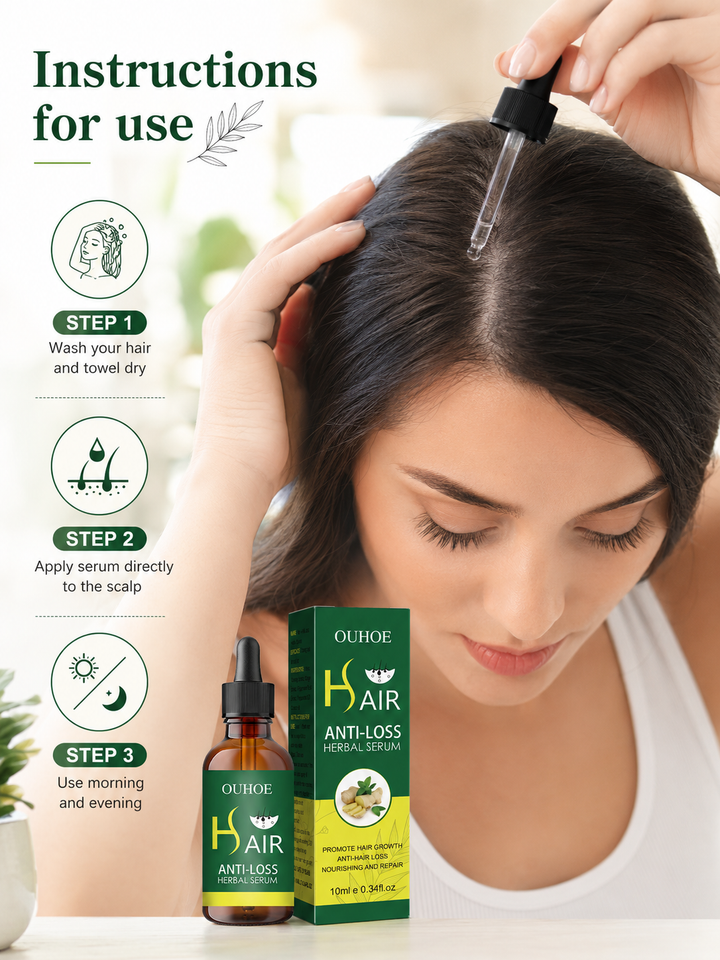
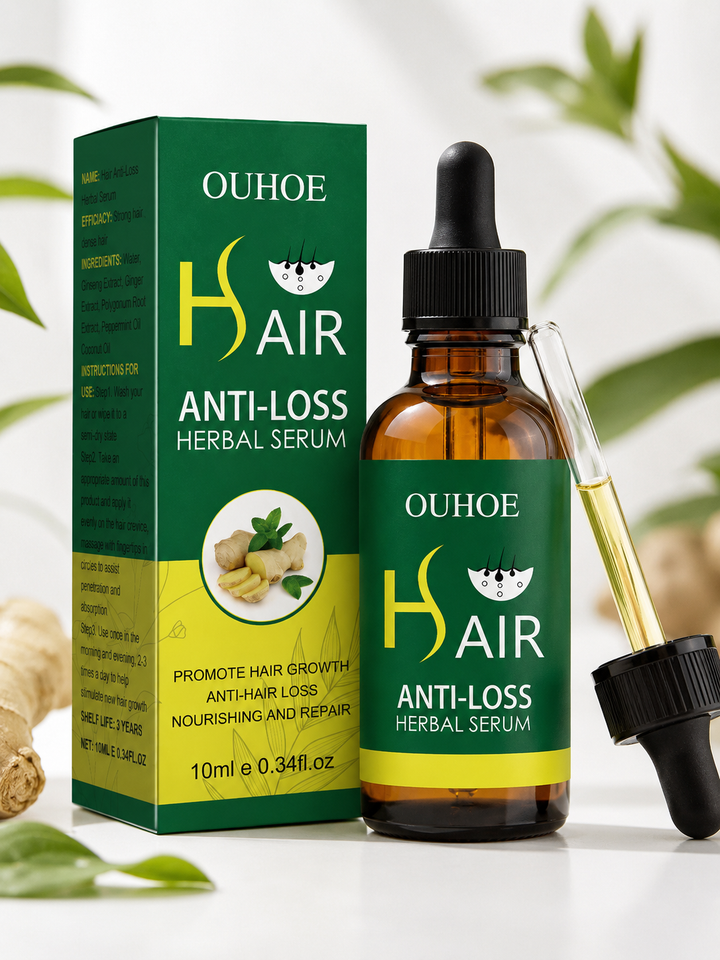
Find a hair growth oil or scalp treatment suited to your routine, hair texture, and styling preferences. This category includes botanical oils, serums, ointments, and targeted roller formulas for helping hair look fuller, shinier, and healthier.
How do I choose the best hair growth oil?
Start by deciding what you want from the product: scalp moisturising, more shine, a lighter leave-in finish, or a fuller-looking appearance. Herbal, rosemary, onion, and ginger formulas may suit shoppers looking for botanical ingredients, while a biotin serum can be preferable if you want a less oily texture. A roller formula offers targeted application and should be used only according to its label. Consider your hair type too: fine hair often suits a small amount of lightweight serum, while thick, curly, coily, or dry hair may tolerate a richer oil. If you are comparing hair growth oil for women, hair growth oil for men, or hair growth oil African hair routines, focus on the formula and application method rather than the gender wording.
Which types of hair growth oil are best for different needs?
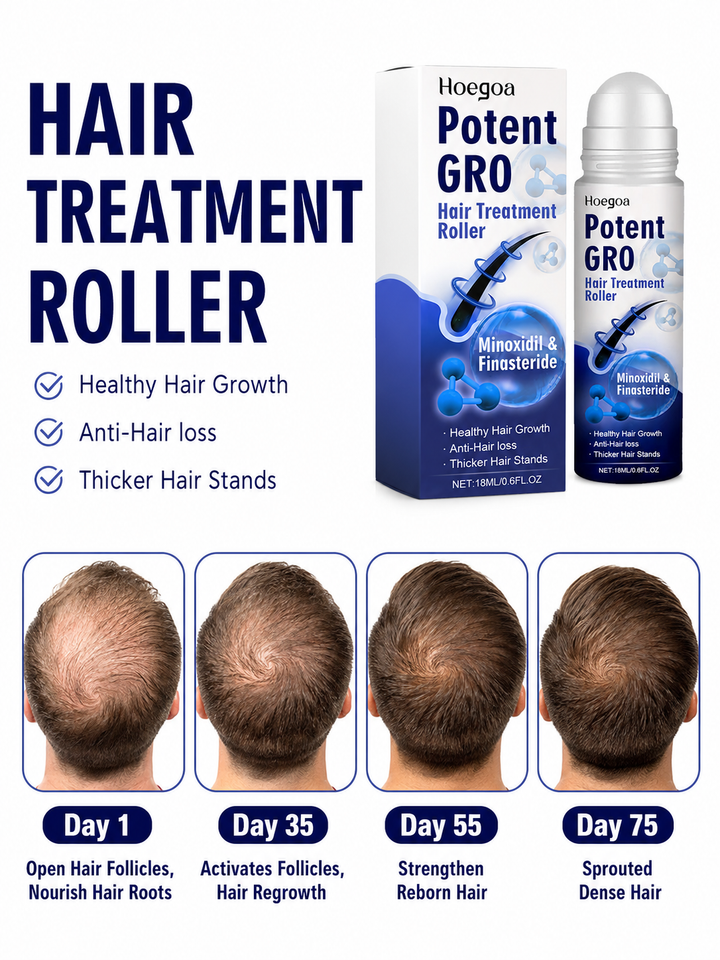
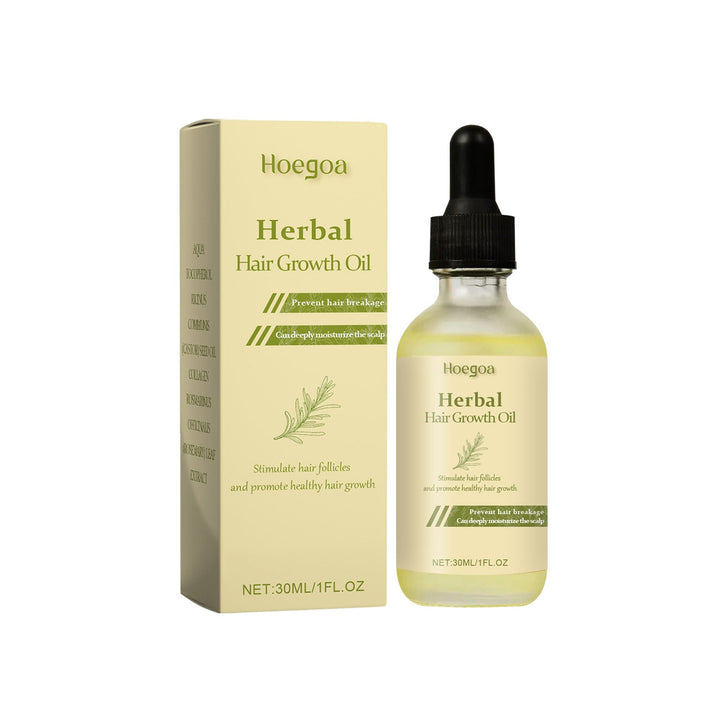
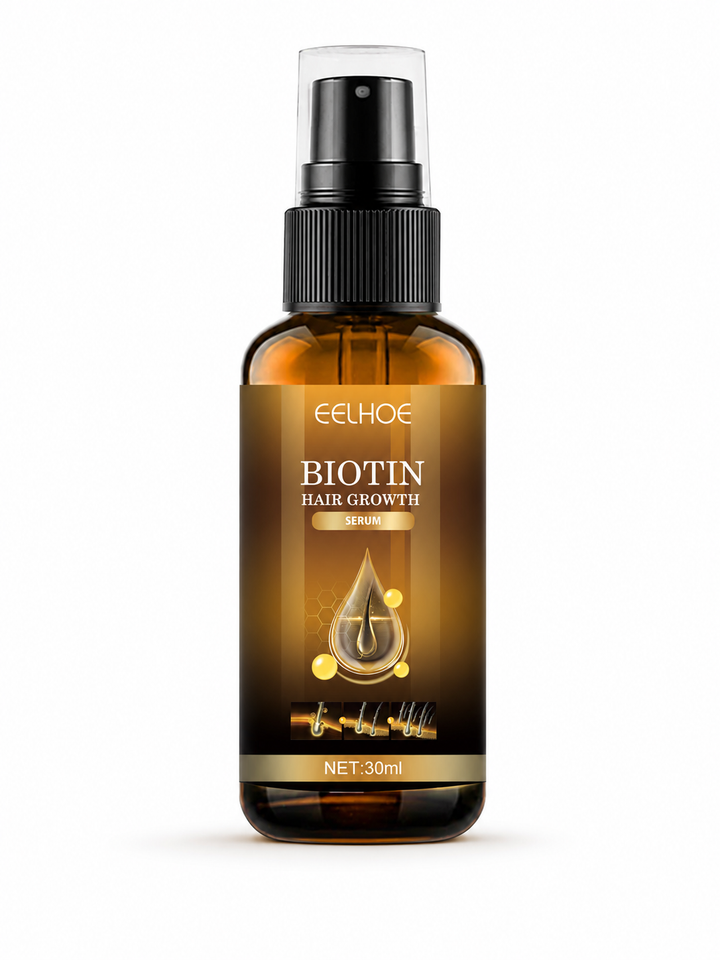
Rosemary hair oil is a popular choice for scalp-focused routines and can also add shine to the lengths. Herbal hair growth oil is useful when you want a traditional oiling step for thicker-looking, healthier hair. Onion oil and ginger ointment offer alternative botanical approaches for shoppers interested in hair growth oil Indian-inspired routines or home-style ingredients. A biotin hair growth serum may feel cleaner for daytime use or fine hair, while a minoxidil and finasteride roller is a more targeted product category that requires especially careful label reading. Batana oil is another option shoppers search for, but compare the full ingredient list, texture, scent, and directions rather than choosing by a single trend ingredient.
What should I look for in a hair growth oil?
Check the complete ingredient list, intended use, application instructions, and whether the product is designed for the scalp, hair lengths, or both. Look for packaging that clearly states the formula, size, applicator, storage guidance, and any warnings. A dropper or roller can help with precise scalp placement; a pump or standard bottle may be easier for treating longer hair. Fragrance and essential oils can affect comfort, especially if your scalp is sensitive, so review the formula before buying. Avoid assuming that words such as natural, herbal, or growth guarantee a particular result. For products containing active ingredients such as minoxidil or finasteride, follow the supplied directions and seek advice from a qualified healthcare professional if you have questions about suitability.
How do I use hair growth oil at home?
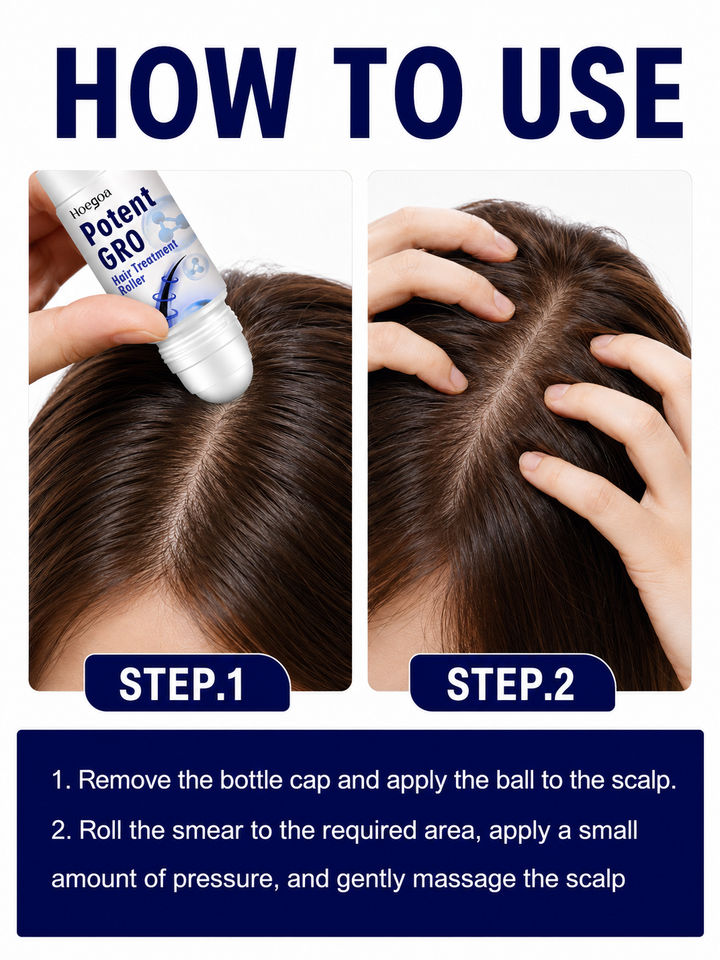
Apply the product exactly as directed, since oils, serums, ointments, and roller formulas can have different routines. In general, part the hair, place a small amount on the intended scalp areas, and massage gently with clean fingertips unless the label says otherwise. Use less on fine hair and distribute richer oils through dry lengths when shine or conditioning is the goal. Allow the product to absorb for the recommended time, then wash out if instructed. Keep oil away from the eyes and avoid applying to irritated or broken skin. Before using a new hair growth oil at home, patch-test a small area when the instructions recommend it and stop if discomfort develops.
What common mistakes should I avoid with hair growth oil?
Using more product does not necessarily make a routine better. Excess oil can leave the scalp and hair feeling heavy, attract residue, or make washing difficult, so begin with the smallest useful amount. Do not combine several strong or fragranced scalp products at once without checking their instructions, and do not apply a product more often than directed. Avoid vigorous scratching or aggressive massage, which can make the scalp feel uncomfortable. Another common mistake is buying based only on social media, hair growth oil Reddit discussions, or a single before-and-after image. Compare the ingredients, directions, finish, and your own tolerance. Also check whether a formula is intended for scalp use before applying it to your hairline or lengths.
Who is hair growth oil suitable for?
Hair growth oils can suit shoppers who want to add scalp care, moisture, softness, or shine to a regular hair routine. They are available for many textures, including straight, wavy, curly, coily, and protective-style hair, but the best texture depends on how quickly your hair becomes weighed down and whether your scalp tends to feel dry or oily. Choose a lighter serum for a less greasy finish or a richer oil for dry lengths and pre-wash treatments. Anyone with a sensitive scalp, allergies, persistent shedding, or sudden changes in hair density should review the ingredients and consider professional advice before use. Hair oils are cosmetic products and should not be treated as a guaranteed solution for hair loss or regrowth.
Frequently asked questions
What is the best oil to grow hair?
There is no single best oil for everyone. Rosemary, herbal, onion, ginger, and other formulas differ in texture, ingredients, scent, and intended use, so choose one that fits your scalp, hair type, and routine. Check the label and use it consistently as directed.
What is the best oil for fast hair growth?
No hair oil can guarantee fast growth, and results vary by person and product. Choose based on the formula, application method, and whether you want scalp care, moisture, or a fuller-looking appearance rather than relying on speed claims.
Do hair growth oils really work?
Hair oils can help condition the hair, improve shine, reduce a dry feel, and support a consistent scalp-care routine. Their effects are not guaranteed to be the same for everyone, and cosmetic oils should not be presented as a proven cure for hair loss.
What is the best oil for hair regrowth?
There is no universally best oil for regrowth. If you are considering a targeted formula containing ingredients such as minoxidil or finasteride, read the directions carefully and speak with a qualified healthcare professional about whether it is appropriate for you.
Which is the world's number one hair oil for hair growth?
There is no objective worldwide number-one hair oil for every shopper. Compare ingredients, intended use, texture, applicator, scent, and directions, then select the product that matches your hair and scalp routine.
What are the big three for hair regrowth?
The phrase "big three" is commonly used online for minoxidil, finasteride, and a ketoconazole product, but suitability and safety depend on the individual and the specific product. These are not interchangeable cosmetic oils, so review labels and consult a qualified healthcare professional before using treatments containing active ingredients.