Ayurvedic Hair Care Oil & Rosemary Serums for Hair Growth
11 items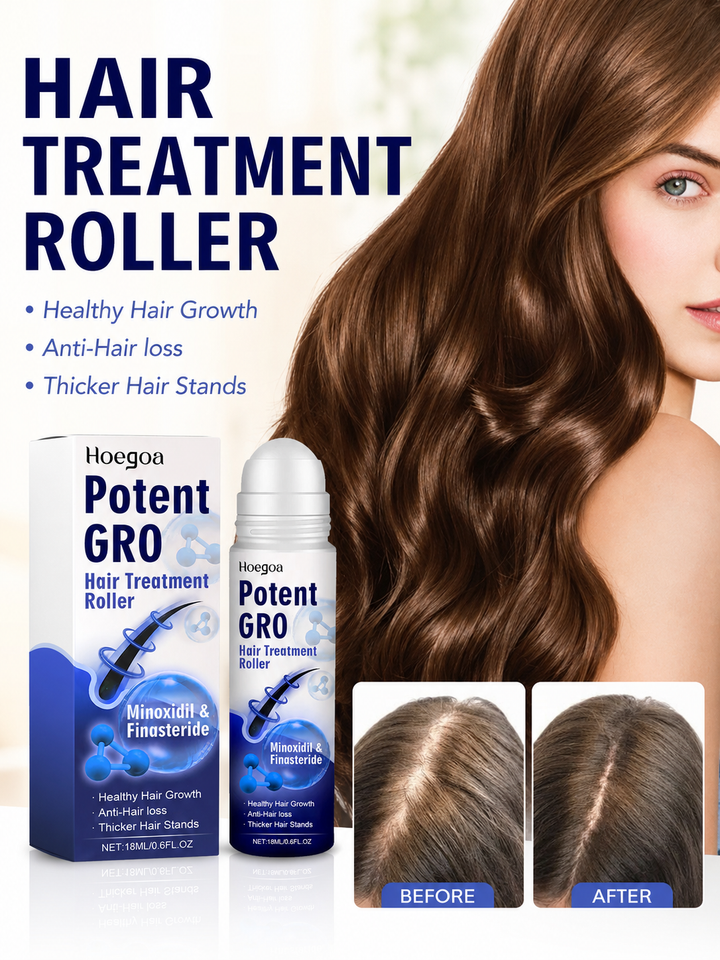



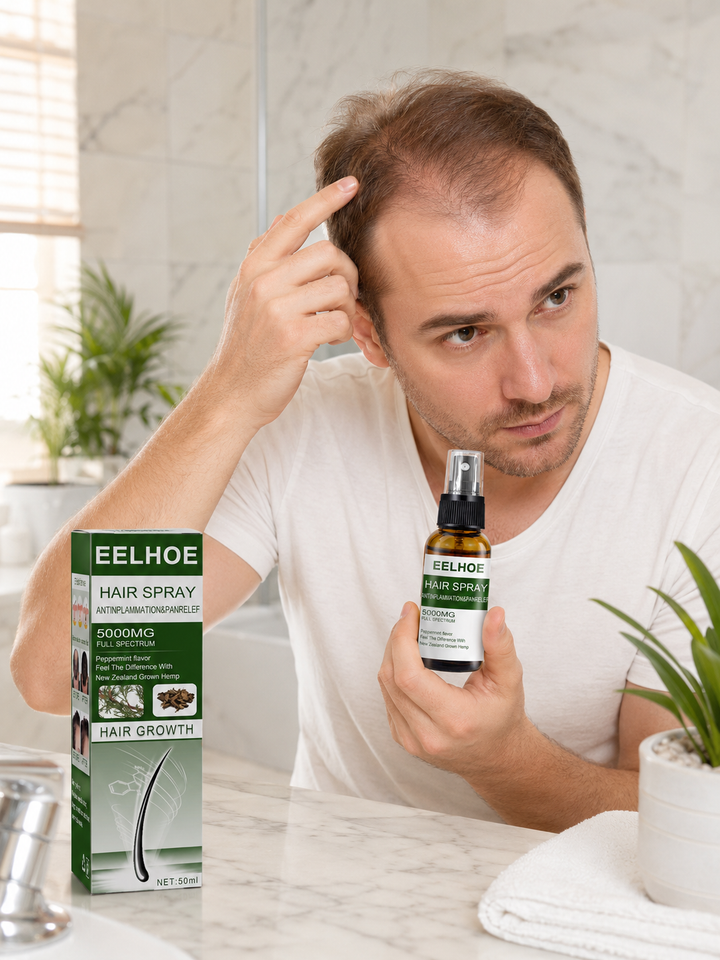
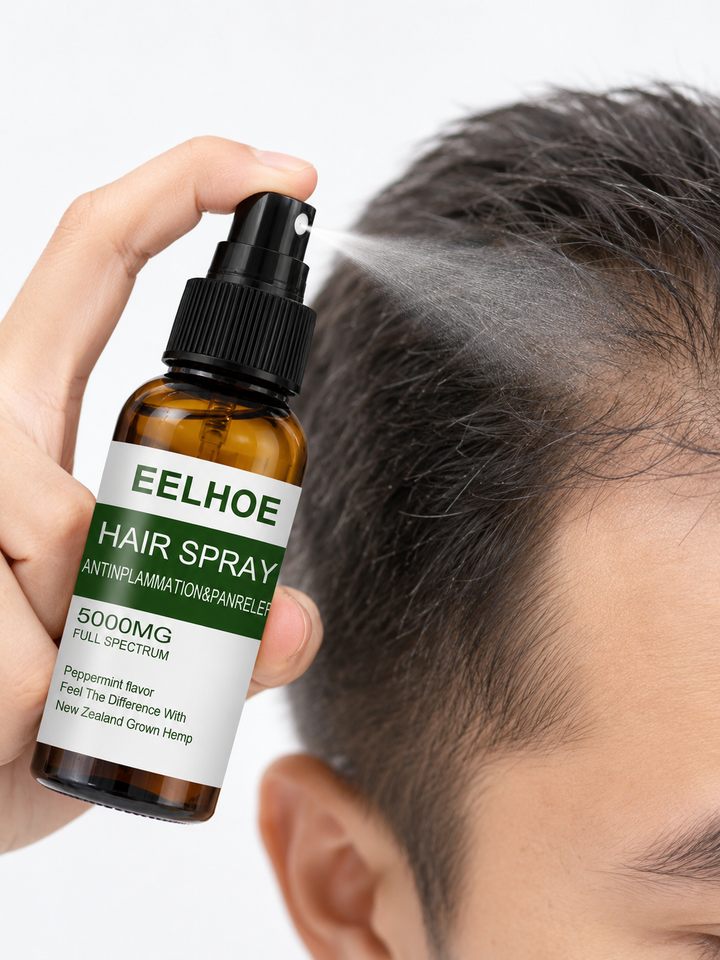


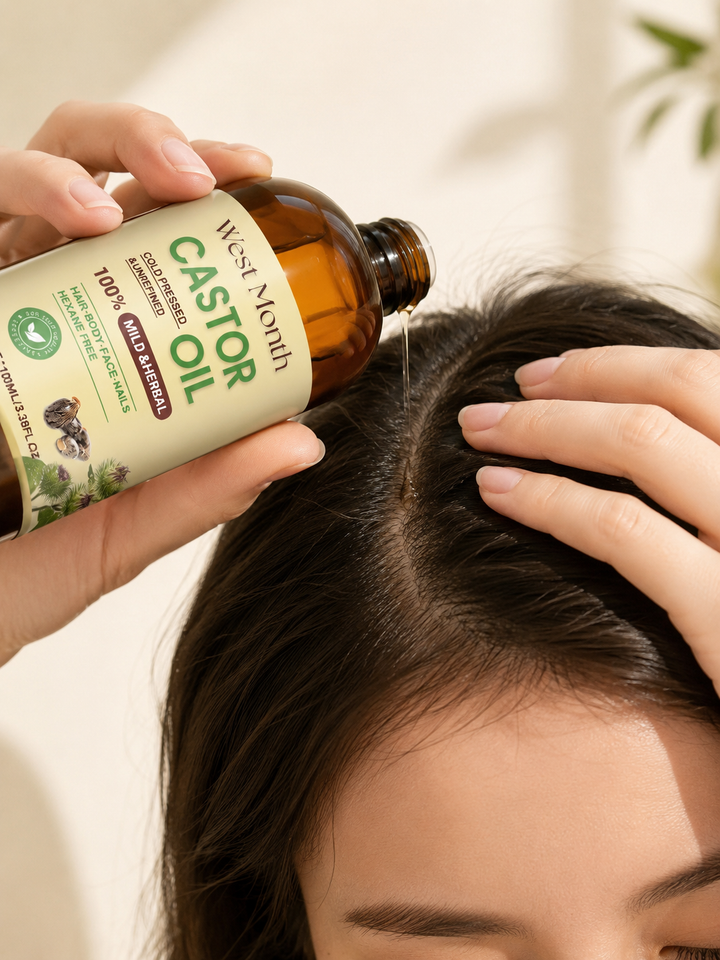
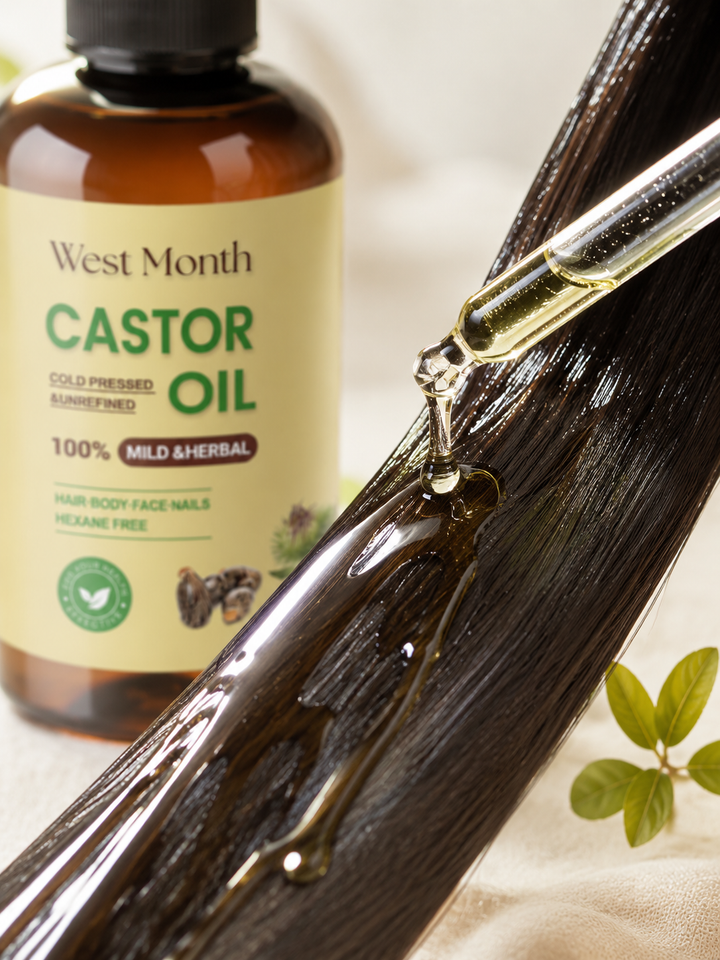
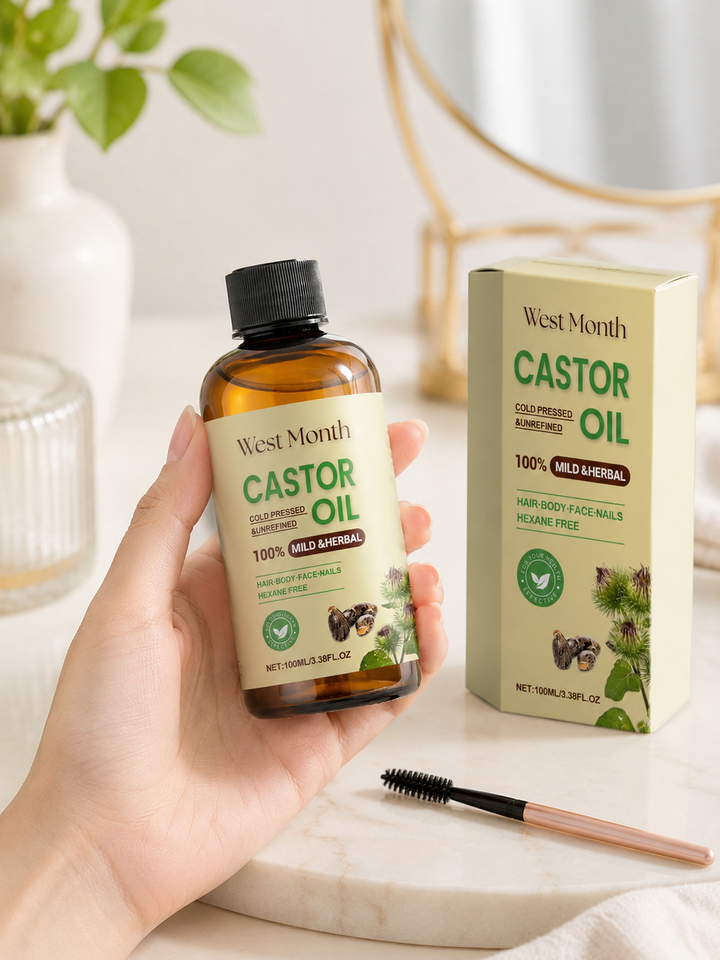

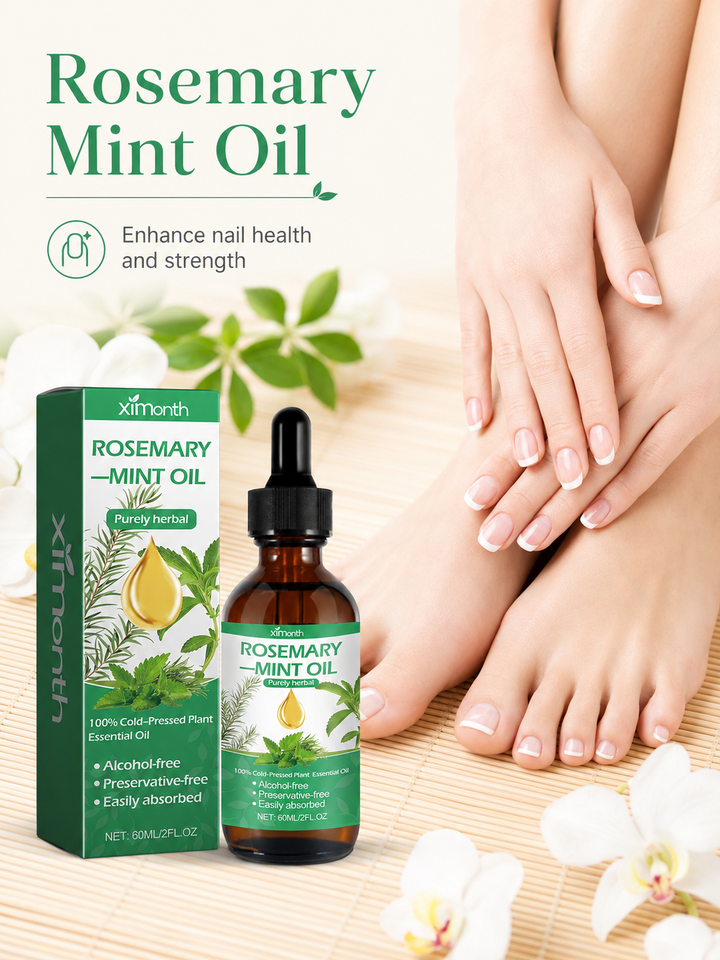
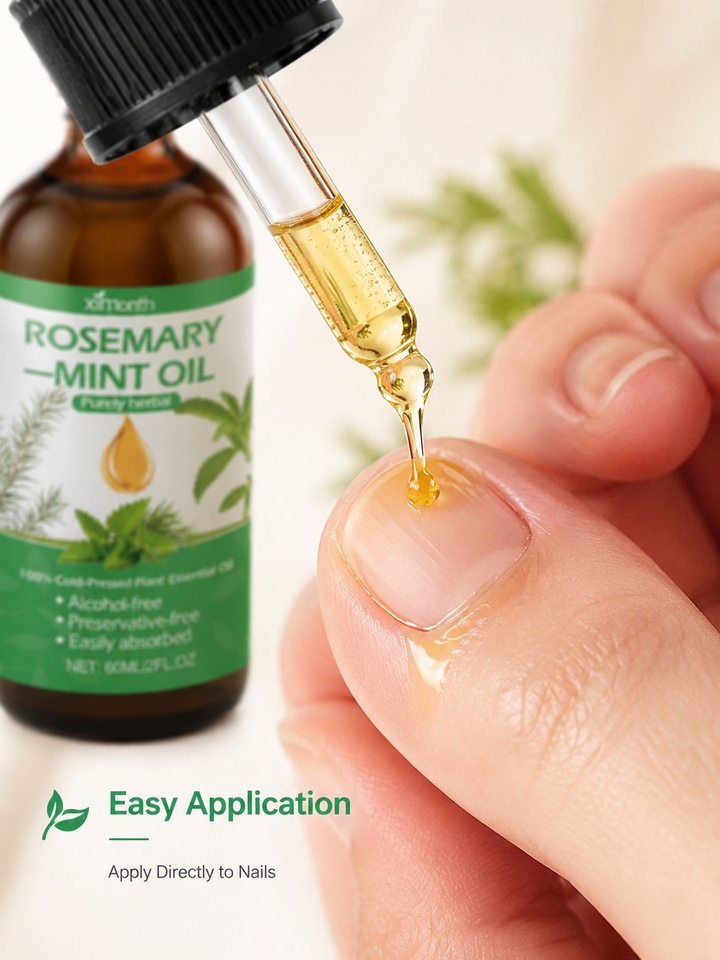
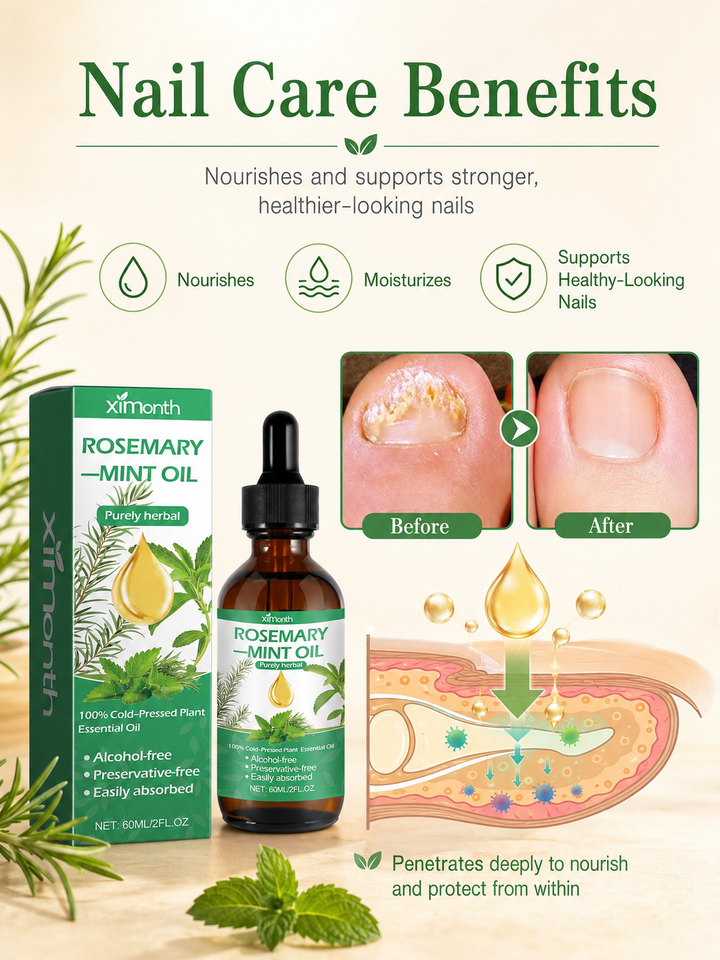
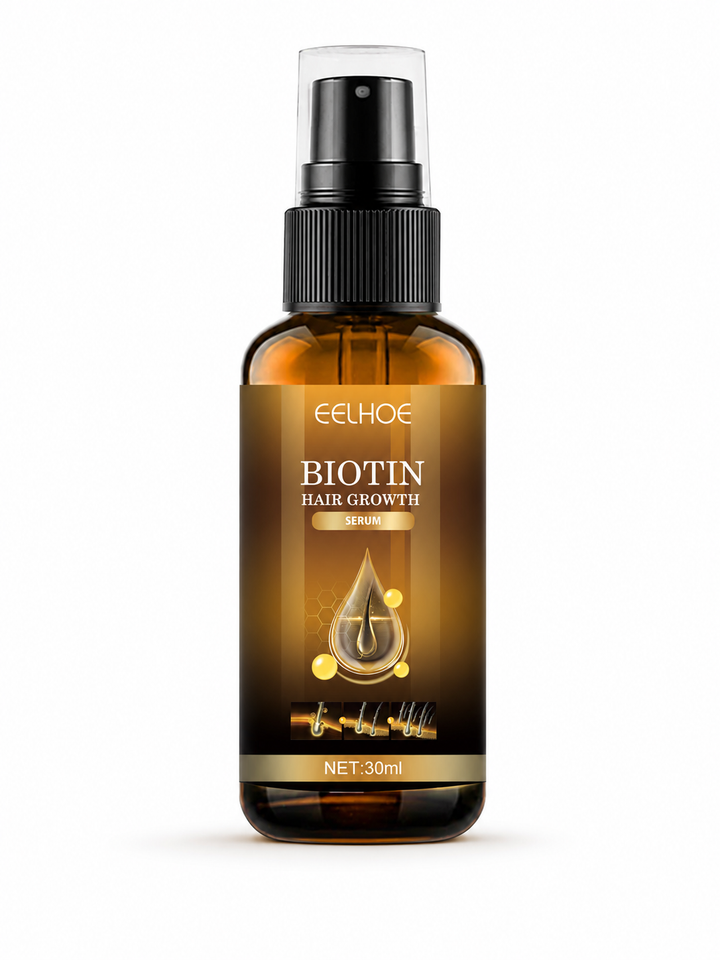
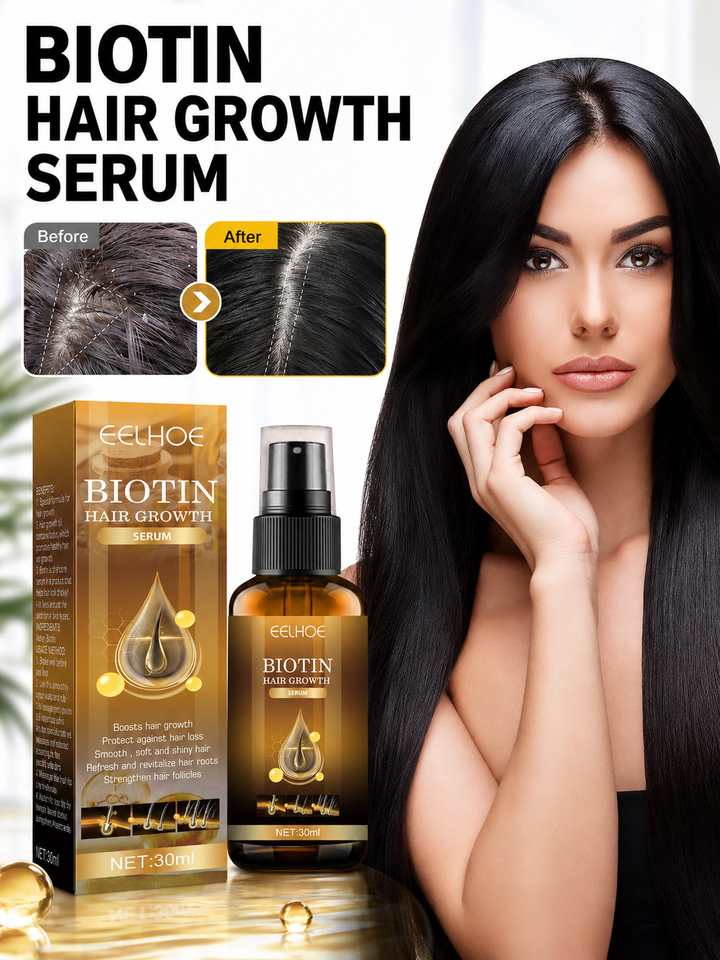
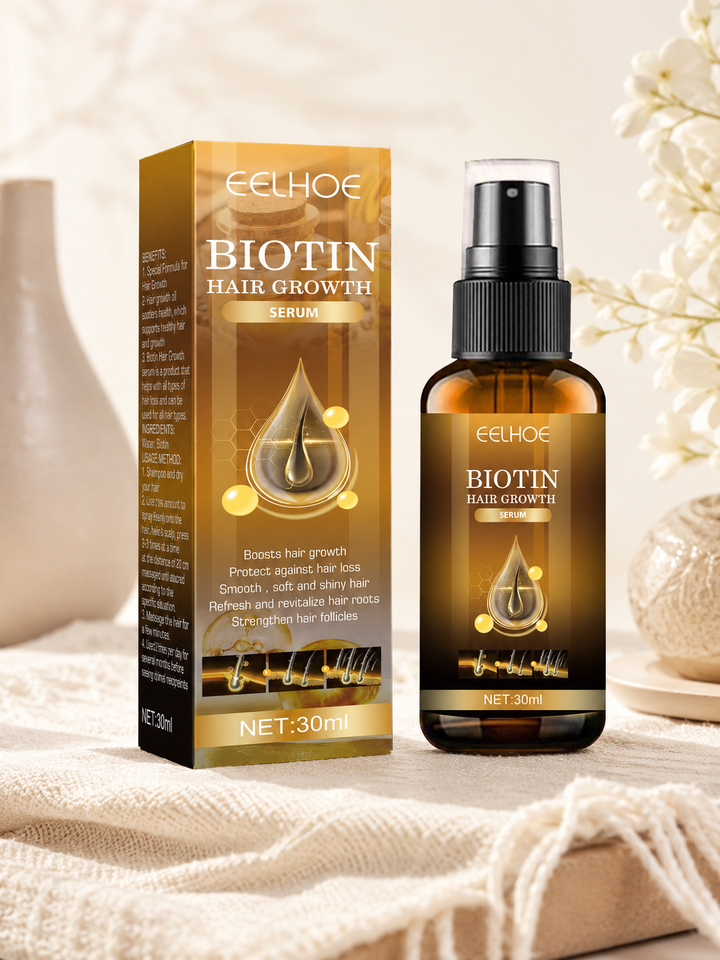
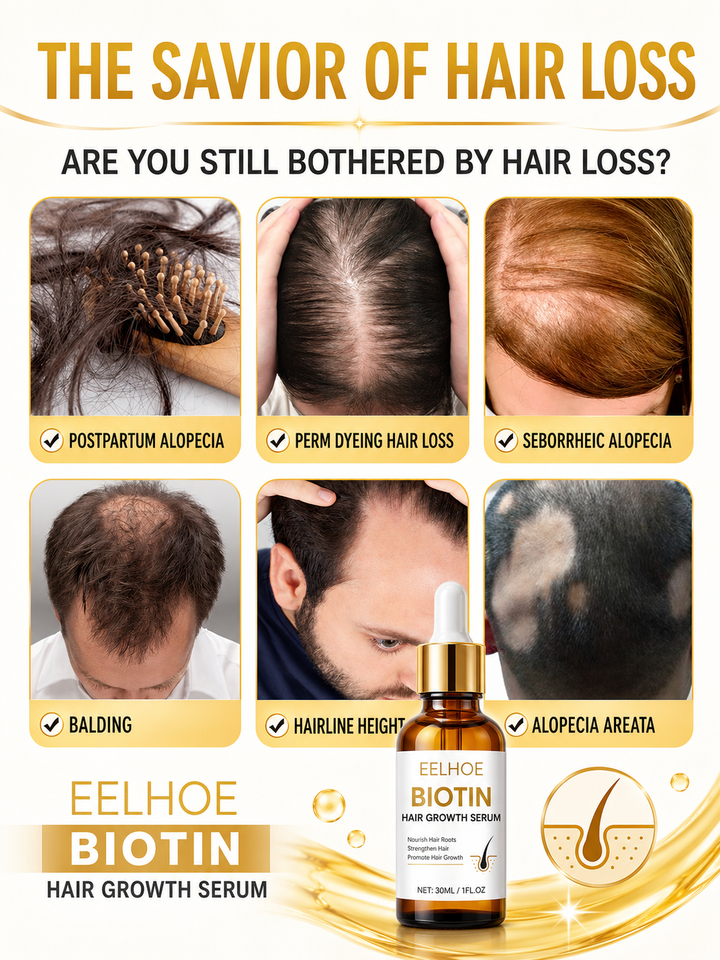


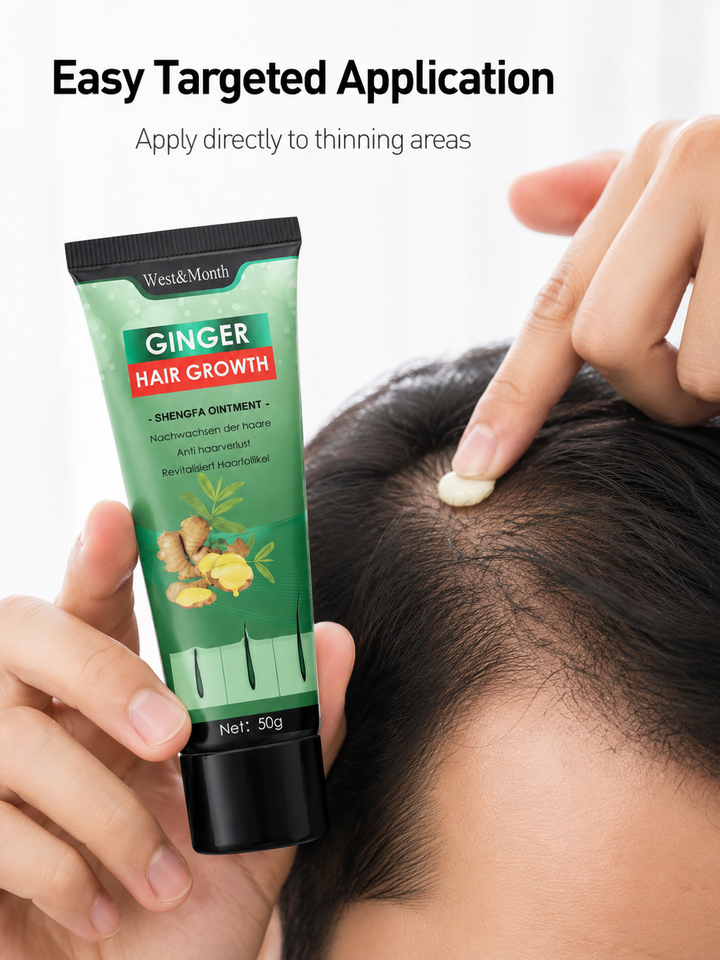


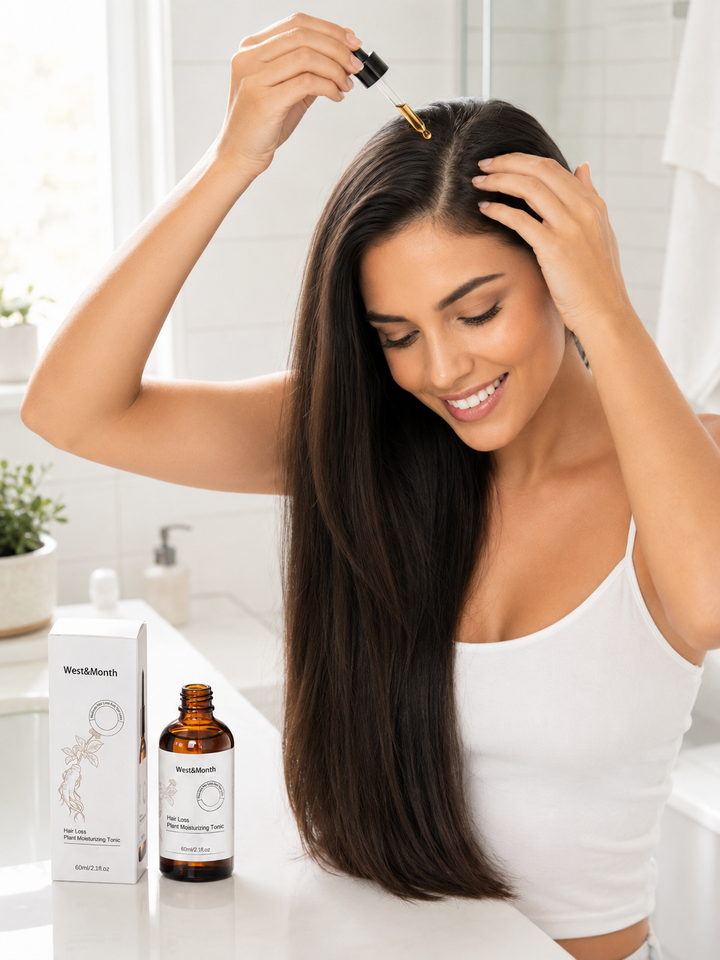

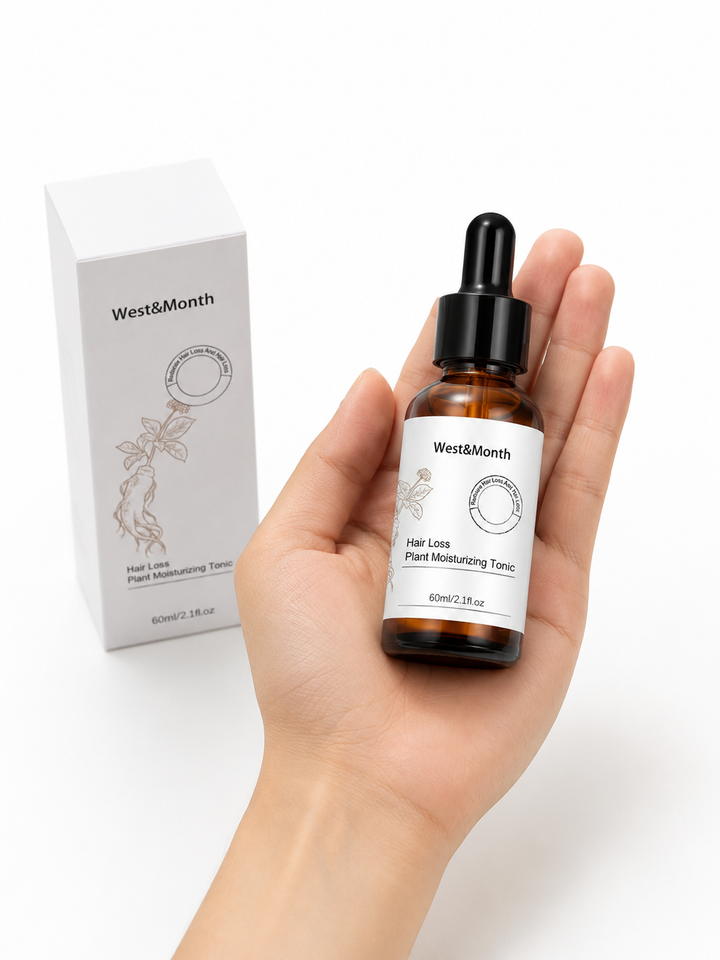
Explore hair care oil, rosemary serums, onion oil, biotin formulas, and targeted hair treatments for routines focused on stronger-looking, fuller hair. Compare textures, ingredients, and application methods to find a product that fits your scalp, hair type, and styling habits.
How to choose the best hair care oil for growth and thickness
Start with your main goal: scalp massage, softer lengths, reduced-looking dryness, or a fuller-looking style. Rosemary hair oils, onion oils, and herbal serums are designed for scalp-focused routines, while rosemary mint oil can also suit small areas such as dry nails and hair ends. If you prefer a lightweight finish, choose a serum or treatment spray rather than a rich oil. For thicker, coarser, or very dry hair, an oil or ointment may provide more conditioning. Check the label for directions, especially when choosing a product with minoxidil or finasteride. These active ingredients require careful use and are not interchangeable with cosmetic oils. Patch test new formulas and consider fragrance before applying them regularly.
Which hair oils and serums are best for different hair types?
Fine or easily weighed-down hair often benefits from a few drops of rosemary serum or a light treatment spray applied to the scalp or roots as directed. Dry, curly, textured, or coarse hair may suit rosemary hair oil, onion oil, or a nourishing ointment used sparingly on the scalp and lengths. For a targeted routine, a biotin hair growth serum or herbal hair growth serum can be applied according to its product instructions. A hair growth roller is a separate tool-based option and should be used only as directed, with attention to hygiene. No single oil is best for every person. Compare the finish, scent, application method, and whether the formula is intended for the scalp, hair lengths, or both.
What to look for in hair care oil and rosemary serums
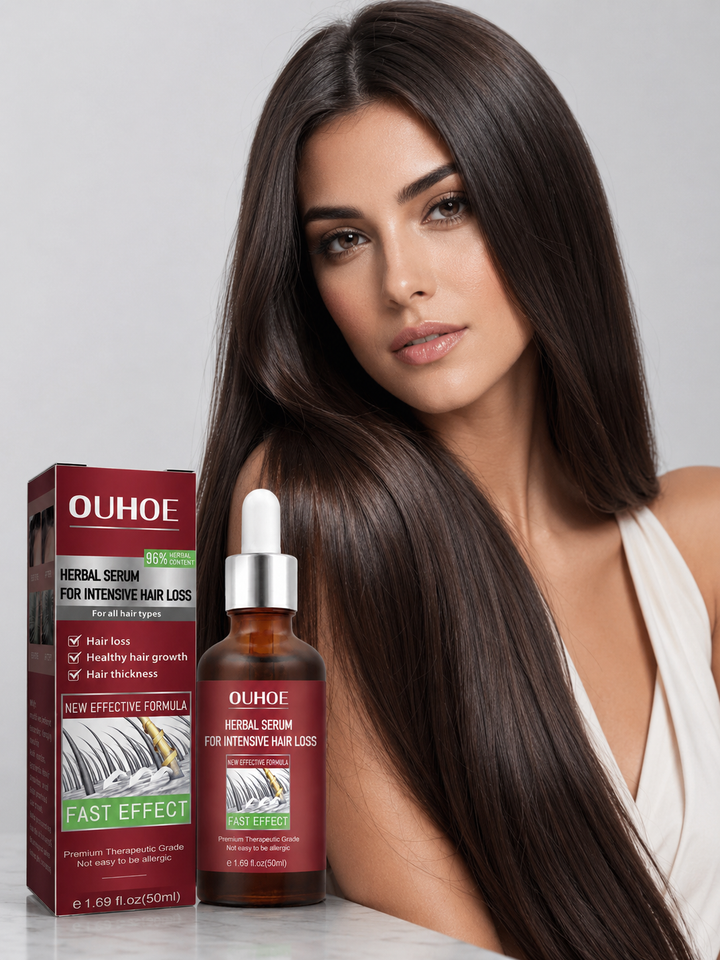
Look for clear ingredient information, practical directions, and a texture you can use consistently. Rosemary-based formulas are popular in hair care oil routines because they work well with scalp massage and pre-wash treatments. Onion oil, ginger ointment, biotin serum, and herbal serums offer different formats for shoppers who want to compare targeted routines. Check whether the product is leave-in, rinse-out, or intended for occasional use. A spray can be convenient for broad coverage, while a roller or dropper may help with more precise application. Avoid assuming that a stronger scent or heavier texture means better results. If your scalp is sensitive, choose a simpler formula, patch test first, and stop using it if irritation develops.
How to use hair oil for growth and scalp care
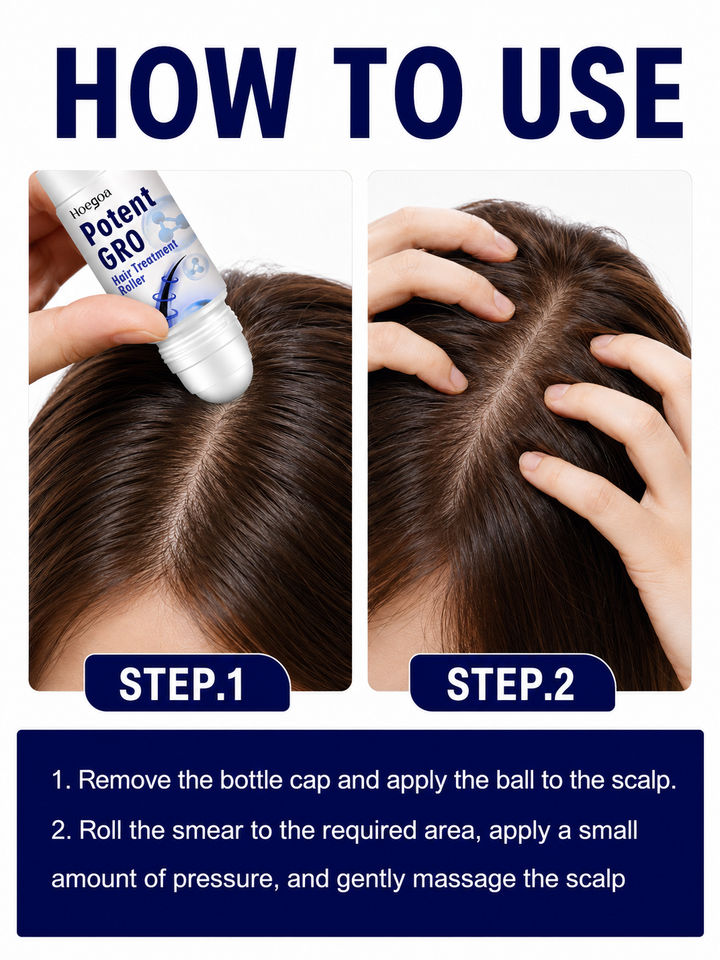
Follow the product label because application varies between oils, serums, sprays, ointments, and rollers. For a standard hair oil routine, place a small amount on the scalp, gently massage with your fingertips, and distribute any remaining product through the lengths if suitable. Leave-on products should be used in the stated amount; pre-wash oils can be shampooed out after the recommended time. Avoid saturating the hair, as excess oil can leave roots flat and make cleansing difficult. Keep applicators clean and do not share rollers. Use one new formula at a time so you can identify how your scalp and hair respond. Apply carefully around the hairline and keep products away from the eyes.
What mistakes should you avoid when using hair care oil?
A common mistake is applying too much product or combining several strong-feeling formulas at once. Layering rosemary oil, onion oil, ginger ointment, and a treatment spray can make it difficult to identify which product suits you and may leave the scalp uncomfortable. Do not apply a product more often than its instructions recommend, and do not use a cosmetic oil as a substitute for a labeled treatment. Avoid applying oils to an unclean roller or sharing scalp tools. If you have a history of scalp sensitivity, patch test first and discontinue use if you notice redness, burning, or persistent discomfort. Also consider buildup: shampoo thoroughly when using rich oils, particularly on fine hair or oily scalps.
Who should use hair care oil, rosemary serum, or a treatment formula?
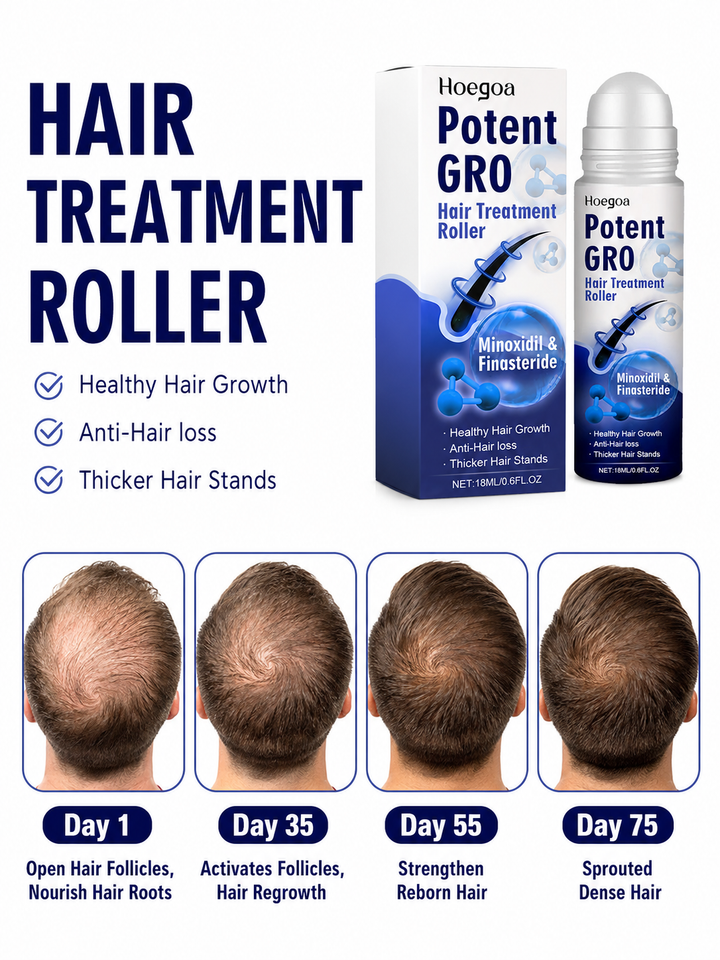
Hair care oil can suit shoppers who want a conditioning pre-wash routine, scalp massage, or extra softness on dry lengths. Rosemary serums and herbal formulas may appeal to people who prefer lighter, targeted application, while onion oil and ginger ointment suit shoppers looking for richer textures. Biotin serum and treatment sprays offer alternative formats for people who dislike greasy finishes. A roller or products containing minoxidil or finasteride should be approached as labeled treatments rather than ordinary beauty oils; read the packaging carefully and seek professional advice if you are unsure whether they are appropriate for you. This category is not limited to one gender or hair texture. Choose based on your scalp needs, hair density concerns, styling routine, and tolerance for fragrance or oiliness.
Frequently asked questions
What's the best oil for hair care?
The best hair care oil depends on your hair texture, scalp comfort, and intended use. Rosemary oil, onion oil, and other herbal formulas can suit scalp-focused routines, while richer oils may be better for dry lengths. Compare the product directions and finish rather than choosing only by ingredient name.
Is hair care oil good for hair?
Hair care oil can help condition dry-feeling lengths, add shine, and support a massage-based scalp routine. It may not suit every scalp, especially when used too heavily or too often. Patch test new products, follow the label, and shampoo out pre-wash oils as directed.
Which is the best oil for hair?
There is no single best oil for everyone. Choose a lightweight serum for fine hair or a richer oil for coarse, dry, or textured hair, and check whether the formula is intended for the scalp, lengths, or both. Rosemary, onion, and herbal options in this category provide different textures and application styles to compare.
What oils should not be used on hair?
Avoid using any oil that causes burning, redness, itching, or other discomfort, and do not use products that are not labeled for hair or scalp application. Undiluted essential oils can be especially unsuitable for direct scalp use. Always follow the product directions and patch test unfamiliar formulas.
What's the healthiest thing for your hair?
A consistent, gentle routine is a practical starting point: cleanse the scalp, condition the lengths, limit harsh handling, and use products suited to your hair type. Hair oils and serums can add conditioning or targeted care, but they should complement—not replace—basic hair care. Choose formulas you can use as directed without causing buildup or irritation.
What is the unhealthiest oil to use?
There is no universal single oil that is unhealthiest for every person. An oil may be a poor choice if it is unsuitable for your hair type, causes scalp irritation, is used undiluted when it should be diluted, or is applied excessively. Check the ingredient list and directions, and stop using any product that causes persistent discomfort.