
$44.90
Free delivery · 7–14 days
Lubricant Eye Drops — Preservative-Free Dry Eye Relief
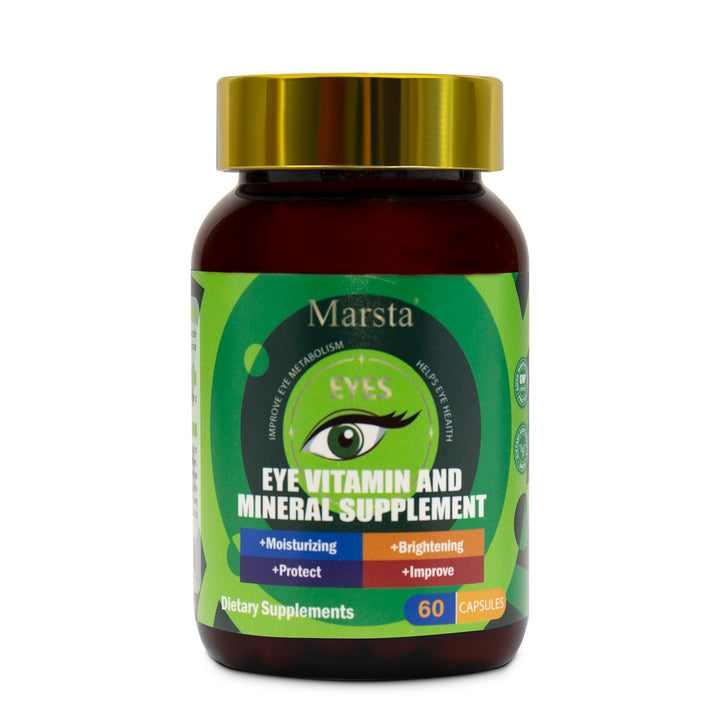


Support your eye-care routine with products designed for different needs, including lutein and zeaxanthin supplements, lubricating drops, sprays, glasses anti-fog care and comfort accessories. This guide explains how to compare eye health supplements and related products while keeping expectations realistic: supplements and over-the-counter products do not replace professional eye care.
Start with the problem you want to address. For nutrition-focused eye health, compare lutein and zeaxanthin capsules or eye health vitamins by their ingredient list, serving directions and suitability for your diet. For occasional dryness, consider preservative-free lubricant eye drops or an eye lubricant spray. If glasses fog easily, an anti-fog spray addresses lens clarity rather than eye health itself. Comfort tools such as an eye acupressure roller may suit people who experience tired-feeling eyes after screen use, but they are not treatments for eye health problems. Read the label carefully, check for allergies and ask a pharmacist or eye-care professional about interactions or existing conditions.
Eye health supplements provide nutrients such as lutein and zeaxanthin in capsule or tablet form and are intended to complement a balanced diet. Lubricant eye drops and sprays are used for temporary relief from dryness or irritation; preservative-free options can be useful for shoppers who prefer to avoid added preservatives. Anti-fog spray is for glasses lenses, not the eyes. An acupressure roller is a non-medicated comfort accessory. Redness-relief drops and products marketed for digital strain require extra label checking, because different formulas have different directions and limitations. Be cautious with claims such as “myopia reversal” or guaranteed vision improvement, since an over-the-counter product should not be treated as a replacement for an eye examination.
For an eye health vitamin, look for clearly listed ingredients, amounts per serving, suggested use and allergen information. Lutein and zeaxanthin are the main ingredients shoppers often compare in this category, so check whether both appear on the label rather than relying only on the product title. Consider capsule size, dietary preferences and whether you already take a multivitamin containing similar ingredients. Avoid assuming that a higher amount is automatically better, and follow the package directions. Supplements can support nutrition, but they cannot correct every change in eyesight or address sudden symptoms. If you take prescription medicines, are pregnant or breastfeeding, or have an ongoing medical condition, ask a qualified healthcare professional before adding an eye health supplement.
Use each product only as directed on its packaging. Wash your hands before applying eye drops, avoid touching the bottle tip to your eye or skin, and discard the product if the label says it has expired or should be discarded after opening. Do not share drops with another person. Apply lens anti-fog spray to glasses as instructed and keep it out of the eyes. Take lutein and zeaxanthin capsules according to the serving guidance rather than taking extra for faster results. If a product causes persistent discomfort, worsening redness or a change in vision, stop using it and seek professional advice. Contact an eye-care professional promptly for sudden vision changes, significant pain, injury or unusual discharge.
A common mistake is treating all eye health products as interchangeable. Lubricating drops are different from supplements, and anti-fog spray belongs on lenses rather than in or around the eyes. Shoppers may also overlook preservatives, duplicate ingredients across several supplements, or directions that limit how often a product should be used. Be cautious about products promising to reverse myopia, restore eyesight or solve every eye health problem without an examination. Redness can have many possible causes, so repeatedly masking it with drops may delay appropriate advice. Check the intended use, warnings, storage instructions and return policy before buying. If symptoms are persistent, severe or new, prioritise an eye examination over adding more products to your routine.
Adults looking to add lutein and zeaxanthin to a balanced diet may consider an eye health supplement after reviewing the label and discussing it with a healthcare professional when appropriate. People who experience occasional, non-serious dryness may prefer lubricant eye drops or a spray, while glasses wearers can use anti-fog care to improve lens clarity. Screen users may appreciate a comfort roller, but breaks, sensible screen habits and regular eye care remain important. These products are not suitable as a substitute for diagnosis or treatment of eye health problems. Children, people with diagnosed eye conditions, contact-lens wearers and anyone with persistent symptoms should check product directions and seek professional guidance before use.
There is no single product that can make eyes healthy again in every situation. Support eye health with a varied diet, sensible screen habits, protective eyewear when appropriate and routine eye examinations. Supplements, lubricant drops and comfort accessories may fit specific needs, but persistent or changing symptoms should be assessed by an eye-care professional.
Possible warning signs include persistent redness, pain, unusual discharge, light sensitivity, a change in vision, flashes, new floaters or difficulty seeing. These symptoms can have different causes and cannot be diagnosed from a product description. Sudden, severe or worsening symptoms warrant prompt professional attention.
There is no single food that can be identified as the universal worst food for vision loss. A balanced eating pattern is generally more useful than focusing on one item, while frequent excess intake of highly processed foods may make it harder to maintain overall nutritional quality. Ask a qualified healthcare professional for advice tailored to your health needs.
No single food or supplement is best for everyone. A varied diet that includes vegetables, fruit, legumes, whole grains and other nutrient-dense foods can support general nutrition, while regular eye care helps identify changes early. Lutein and zeaxanthin supplements may be an option for some shoppers, but they should be chosen by reading the label and considering individual needs.
No drink has been established as a guaranteed way to improve eyesight. Water can help support normal hydration, and unsweetened drinks can fit into a balanced diet. If you notice a change in vision, rely on an eye examination rather than trying to correct it with a beverage or supplement.
There is no universally agreed number one food for eyesight. Foods containing a range of nutrients, including leafy vegetables and other varied produce, can contribute to a balanced diet, but diet cannot replace assessment of vision changes. Choose supplements only as a complement to nutrition and follow their label directions.