Eye Drops for Dry & Watery Eyes | Fast Relief Comfort
15 items
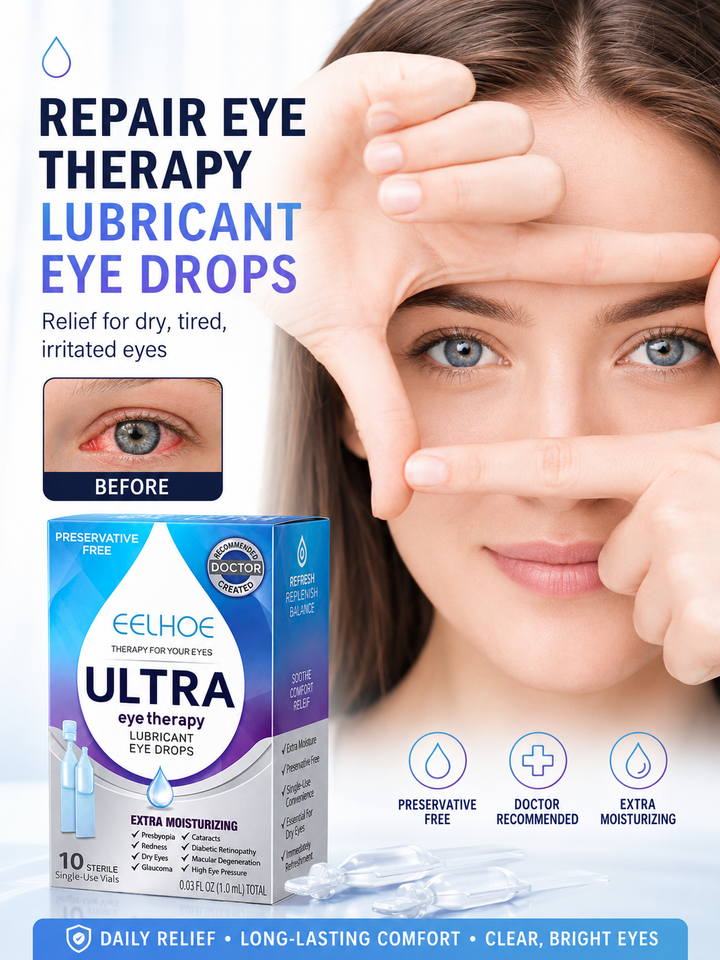
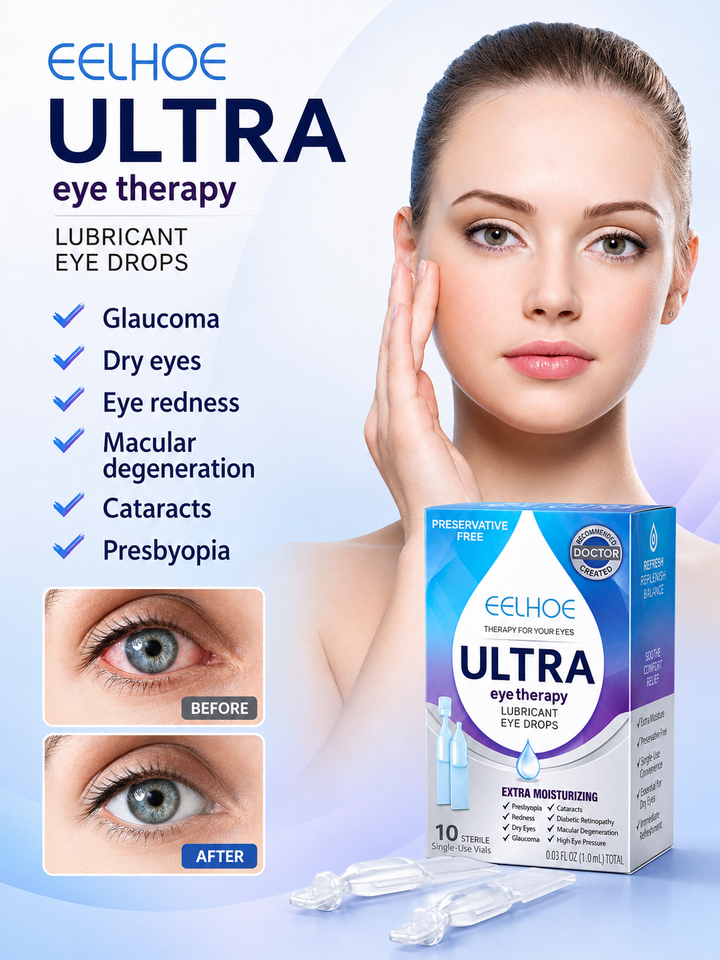
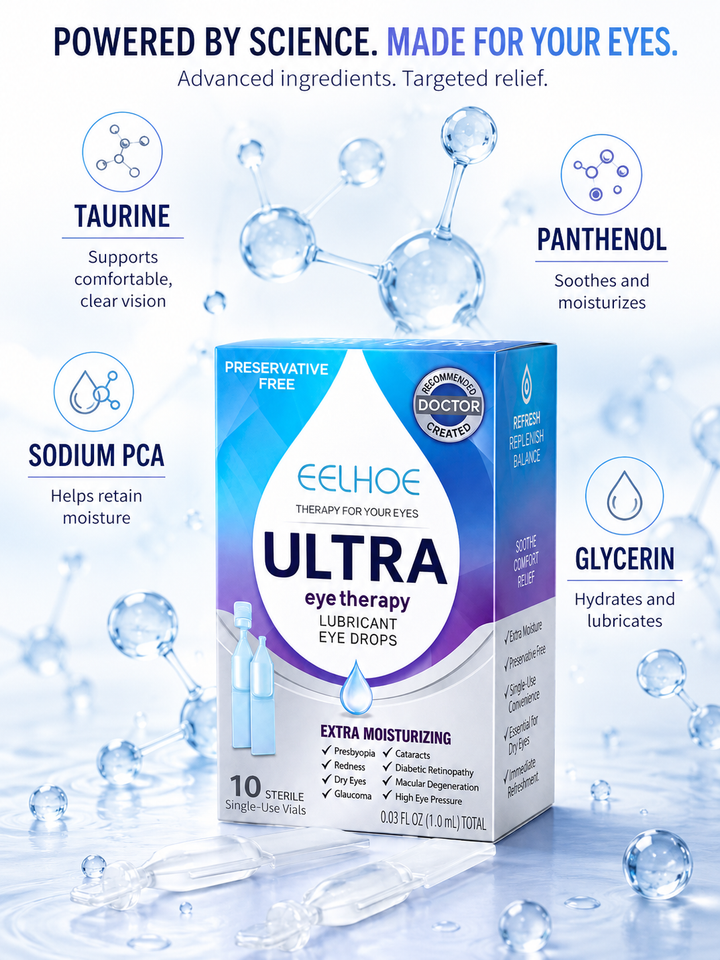

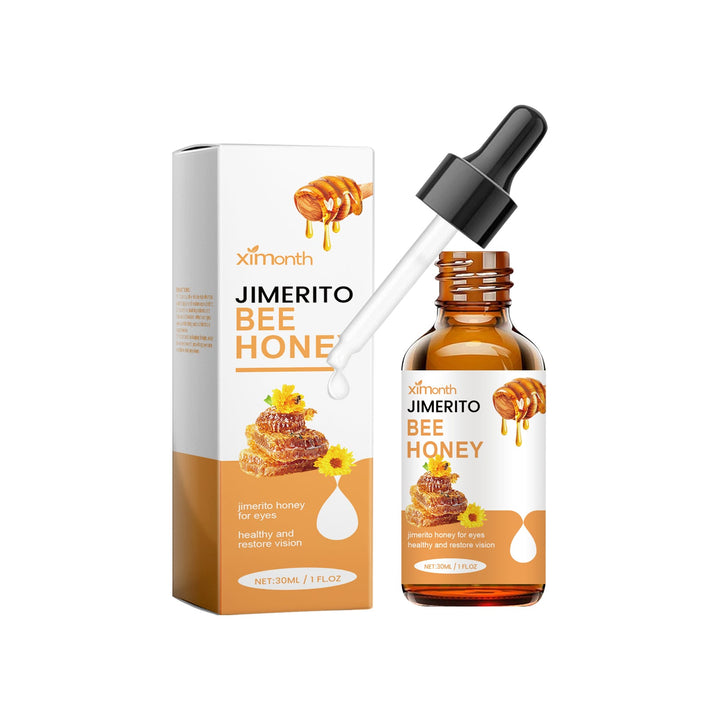
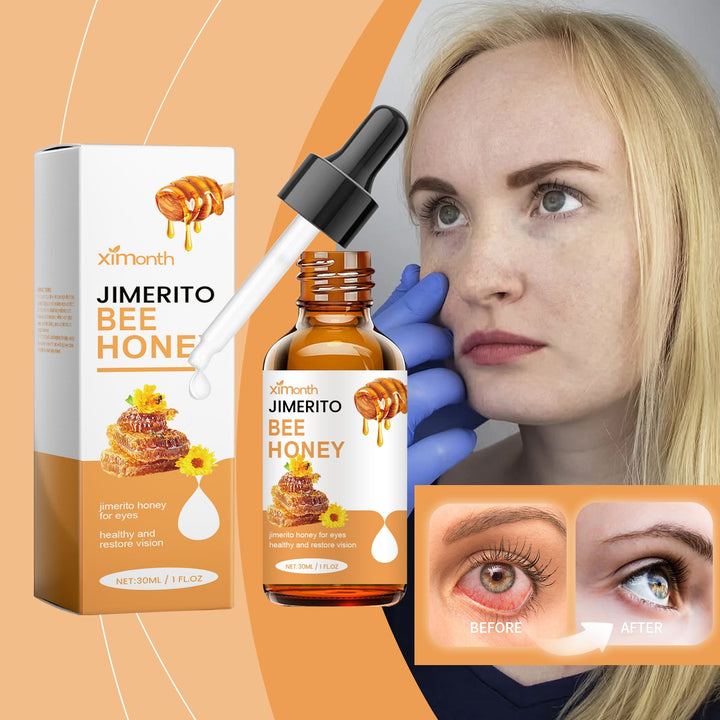
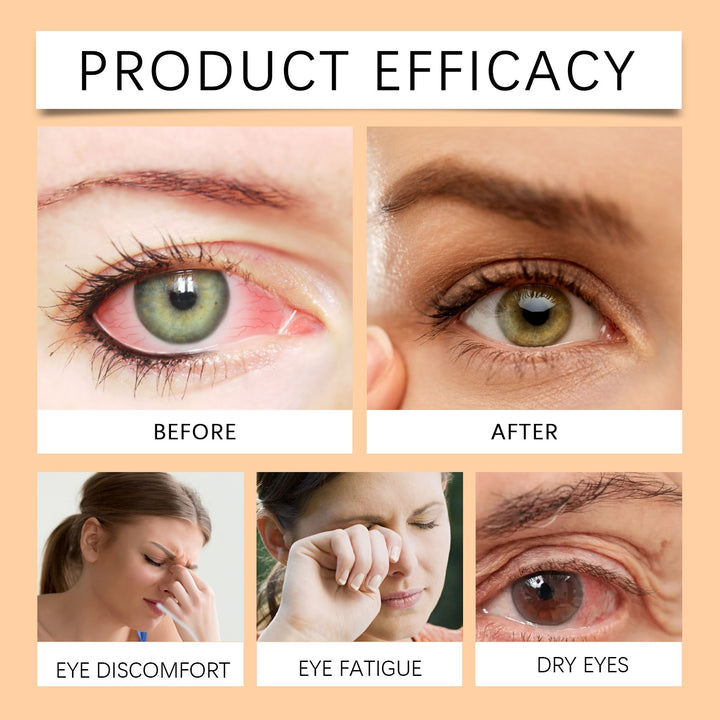

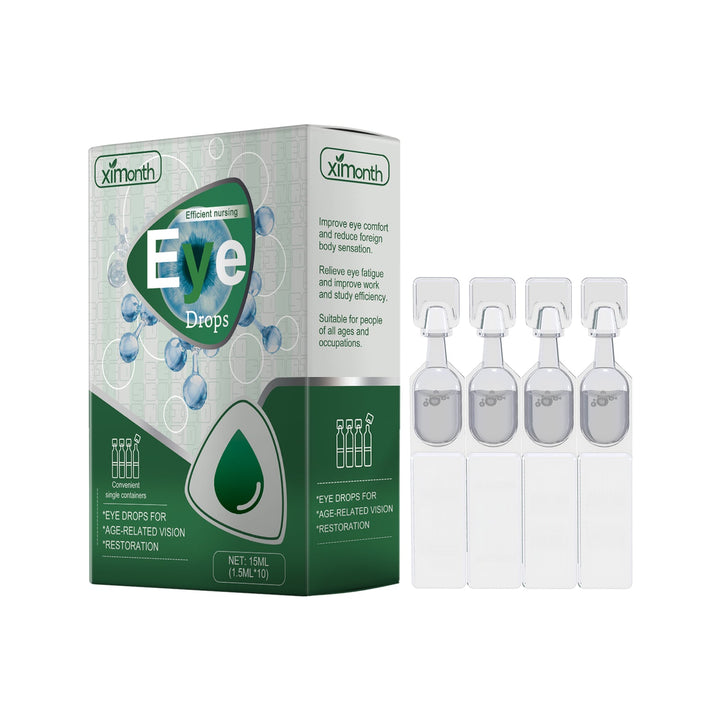
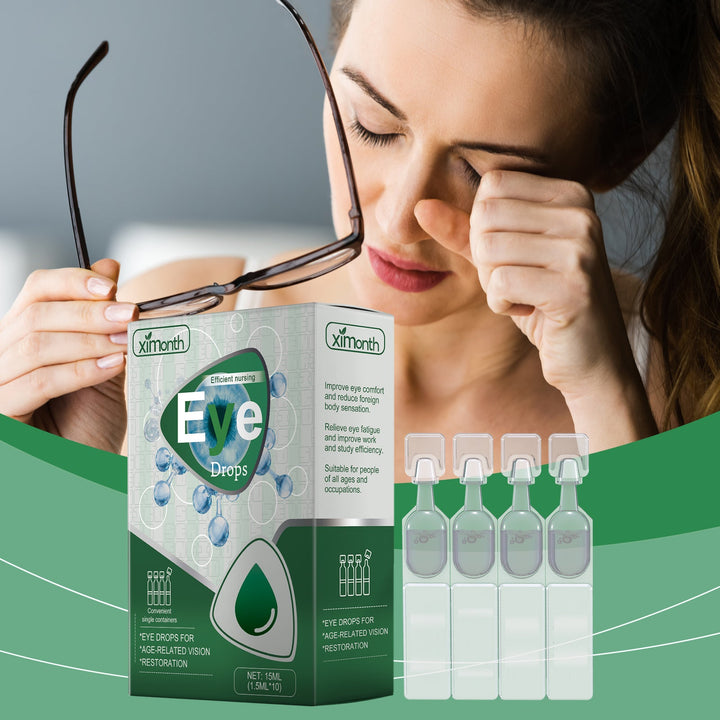
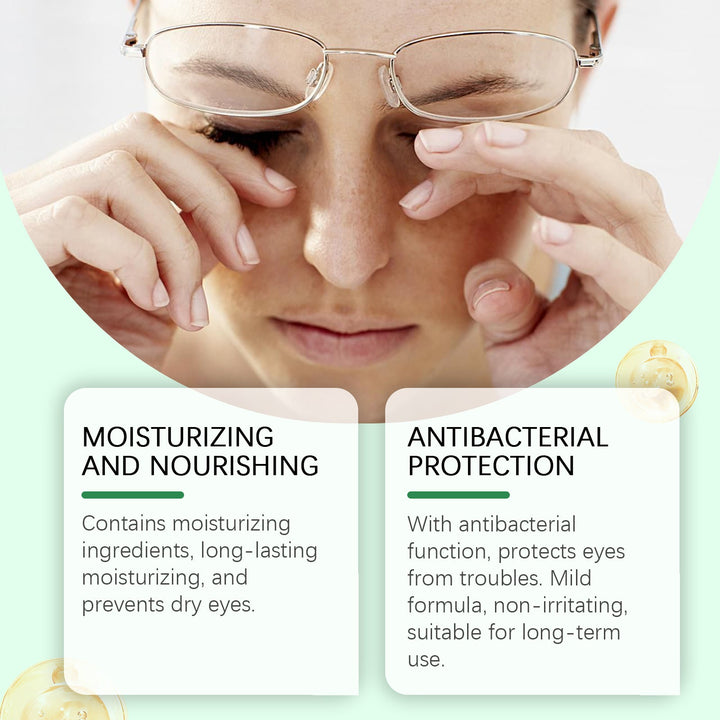

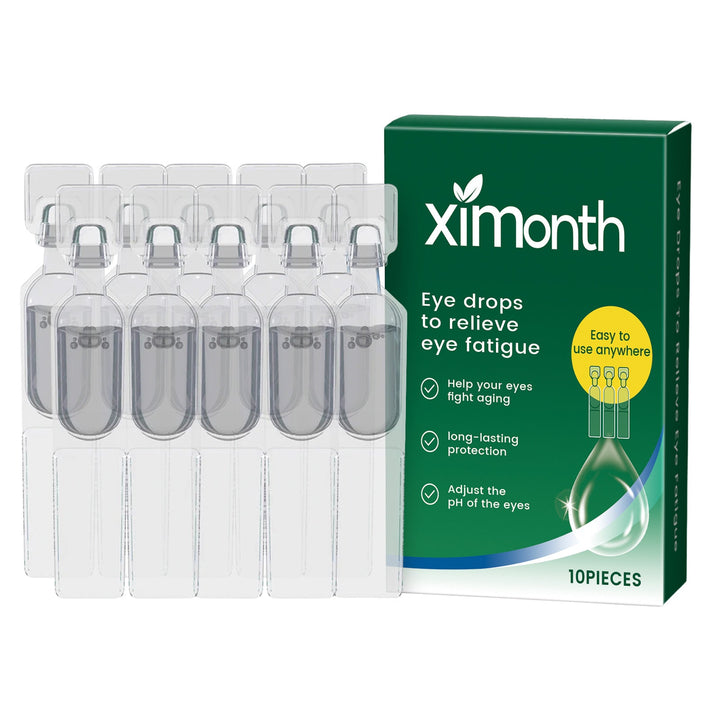
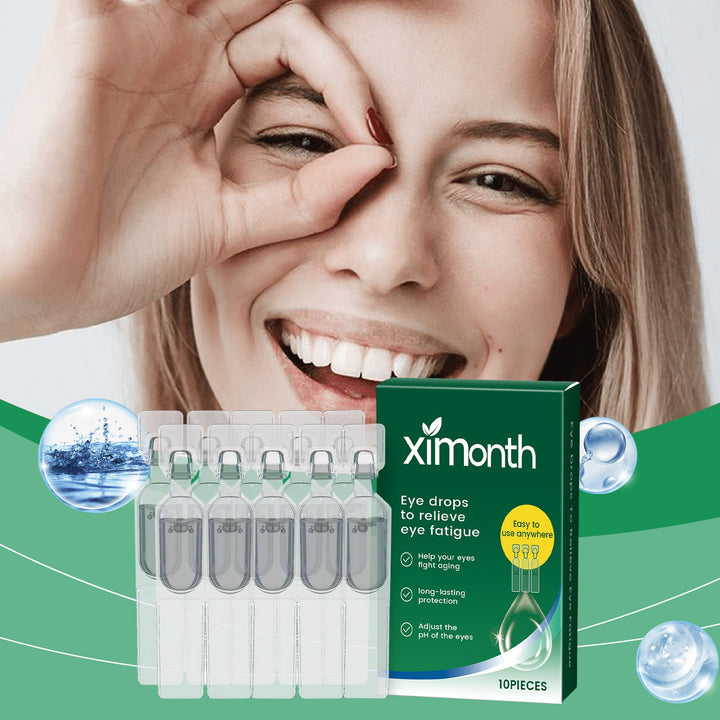
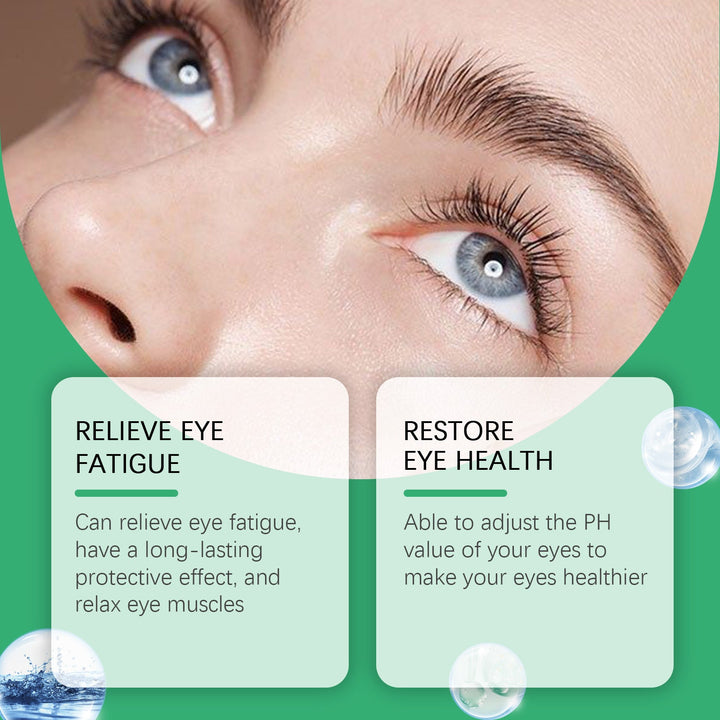

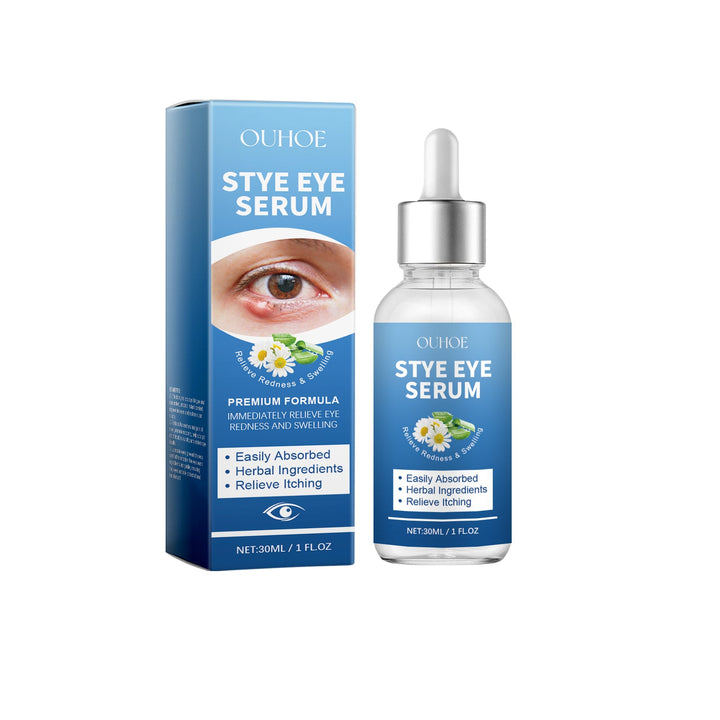
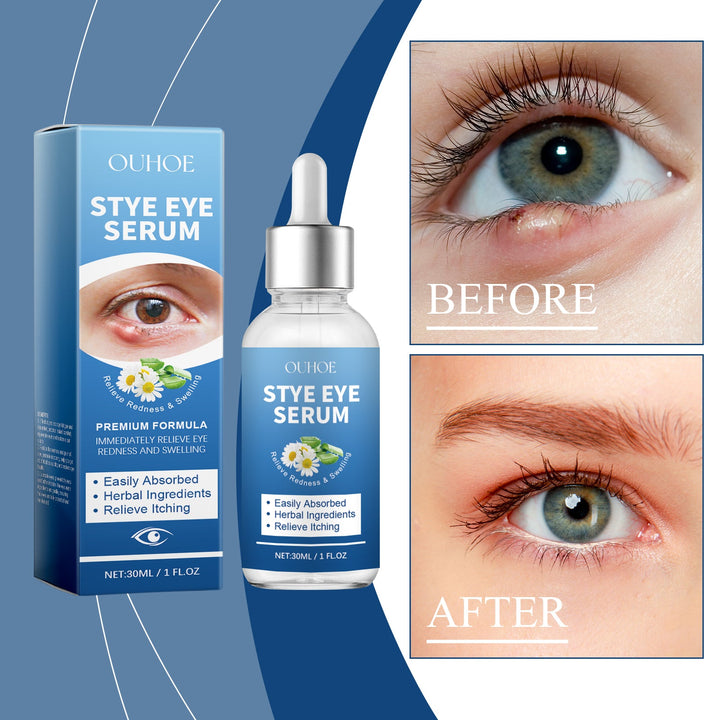

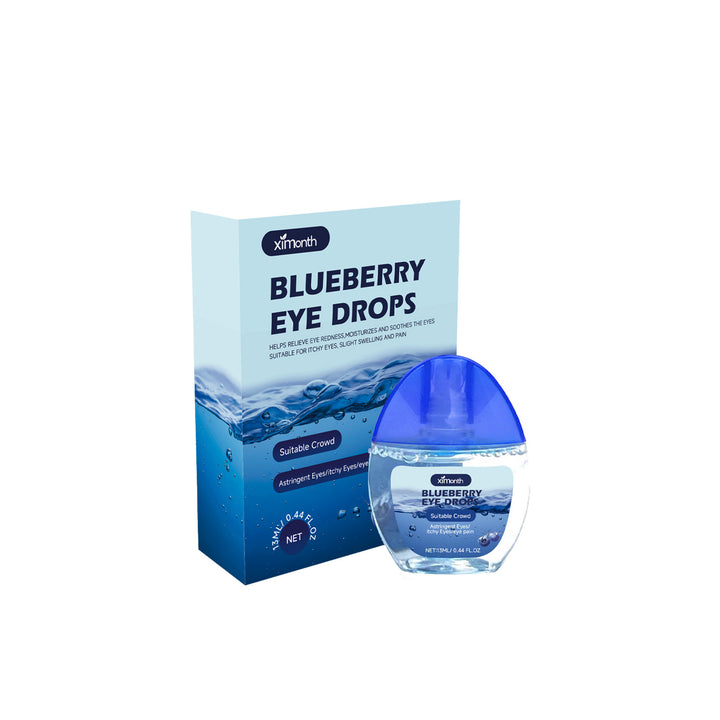
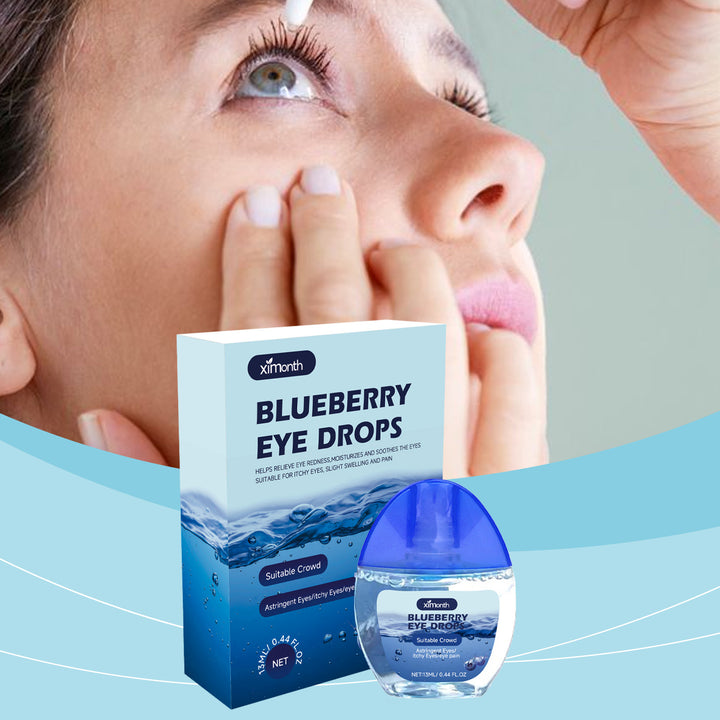

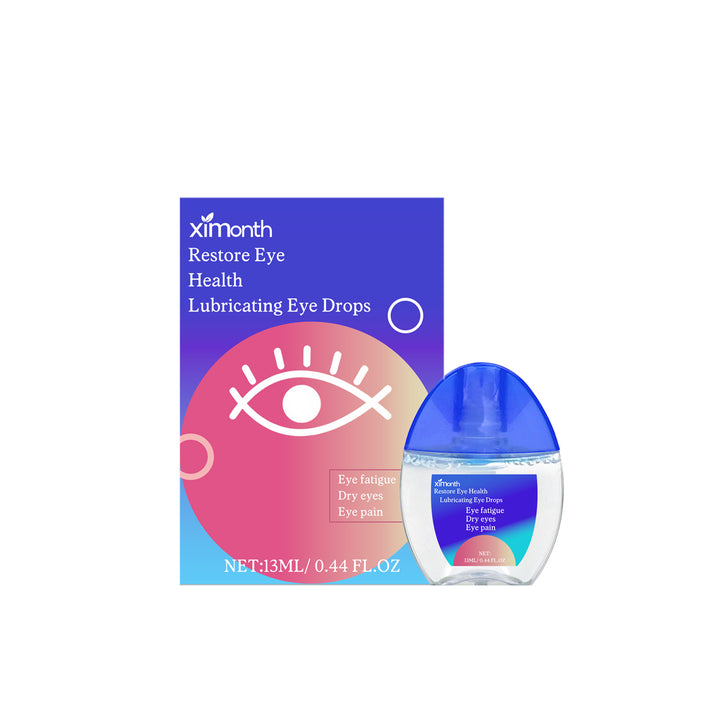
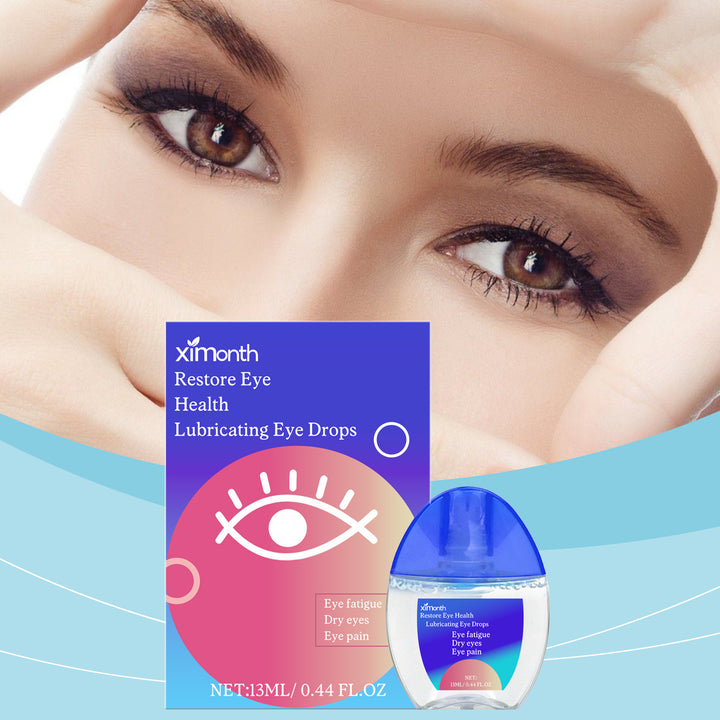


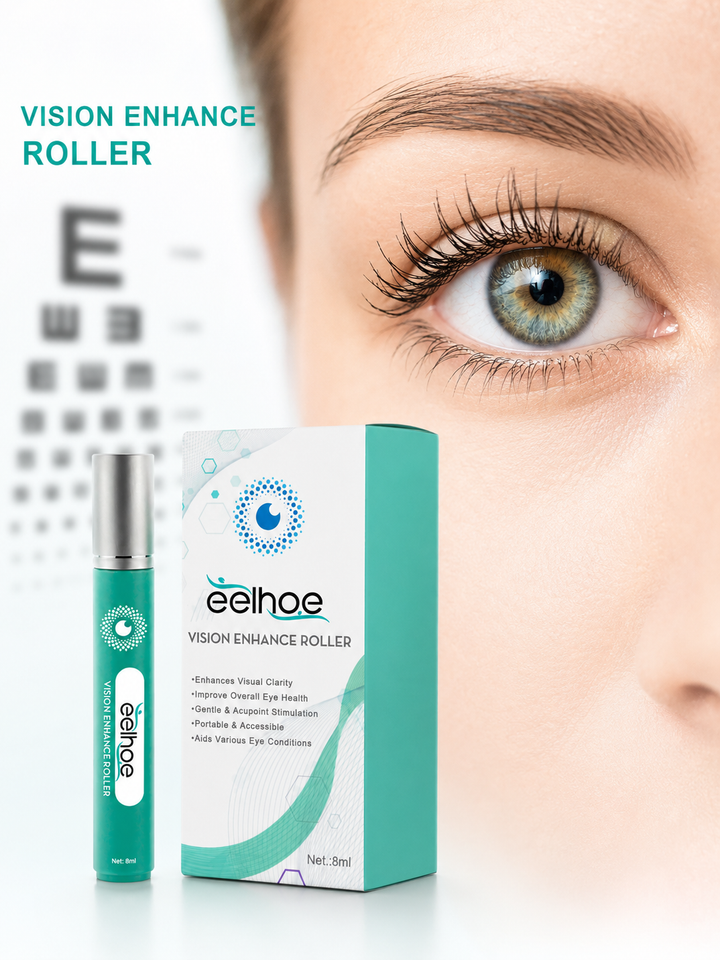
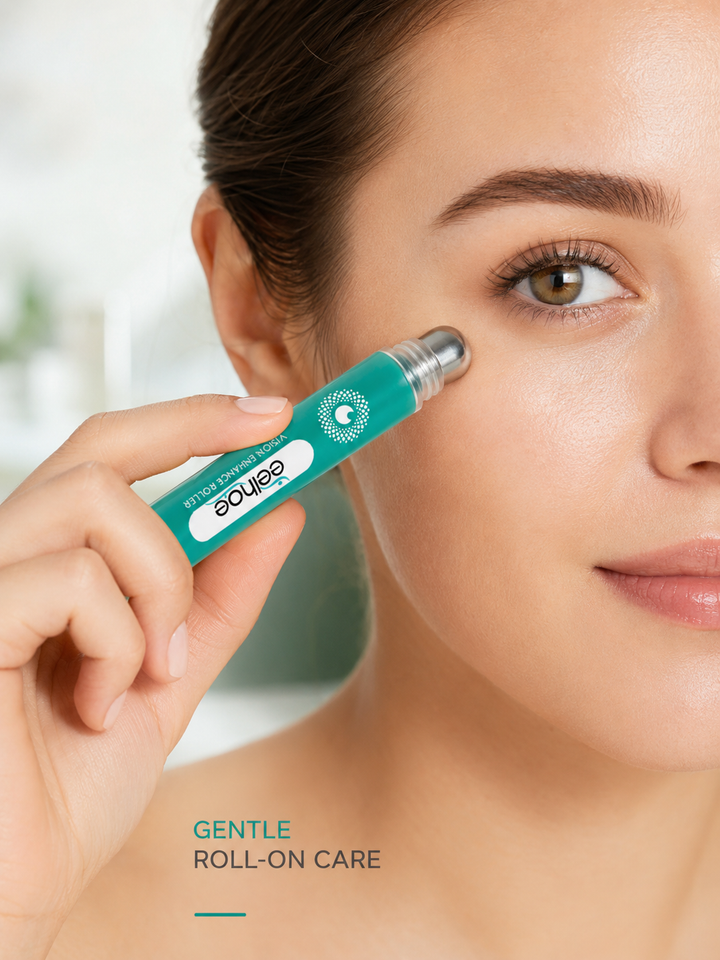


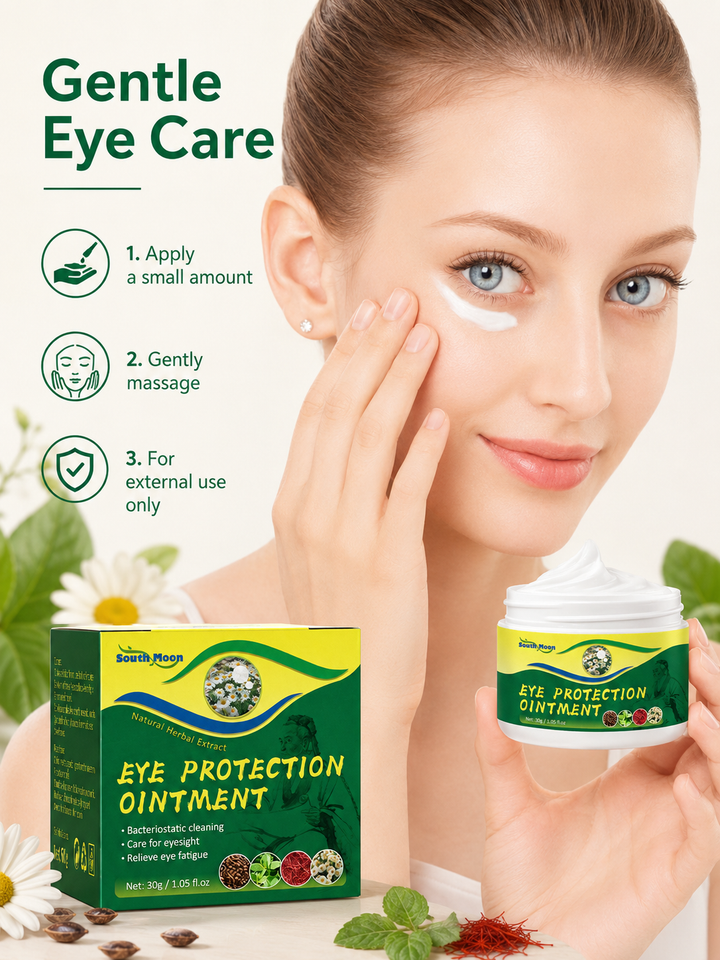


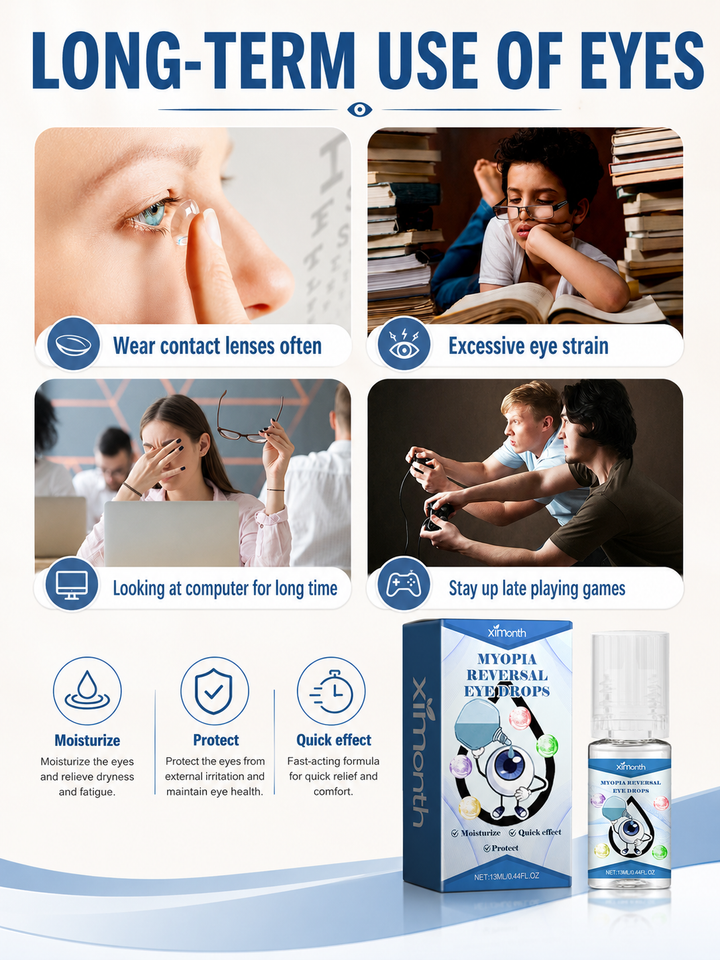


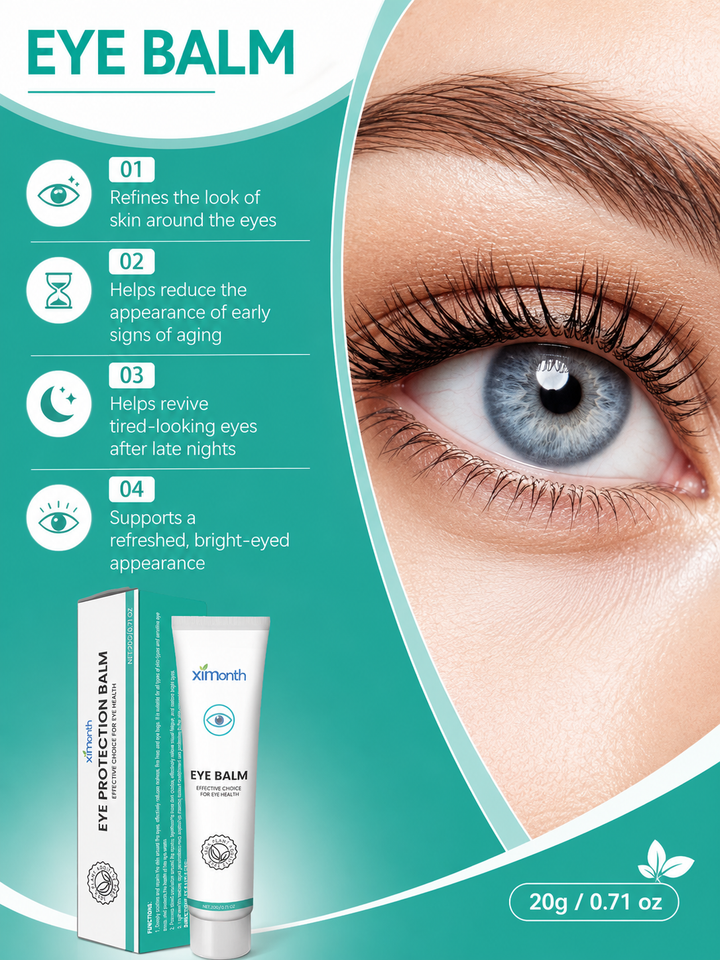
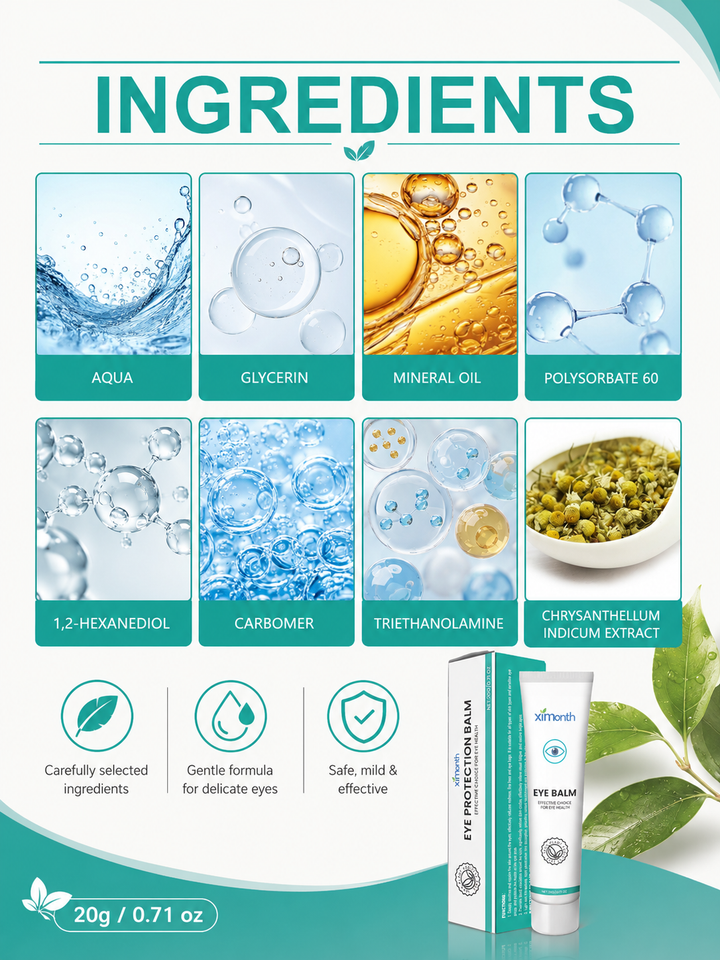
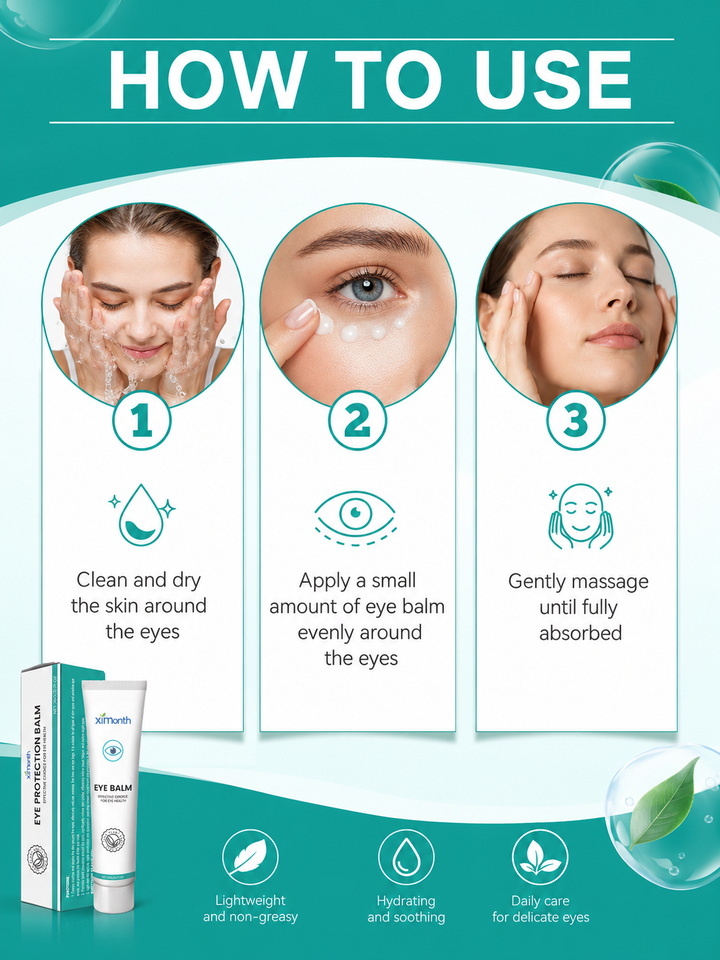


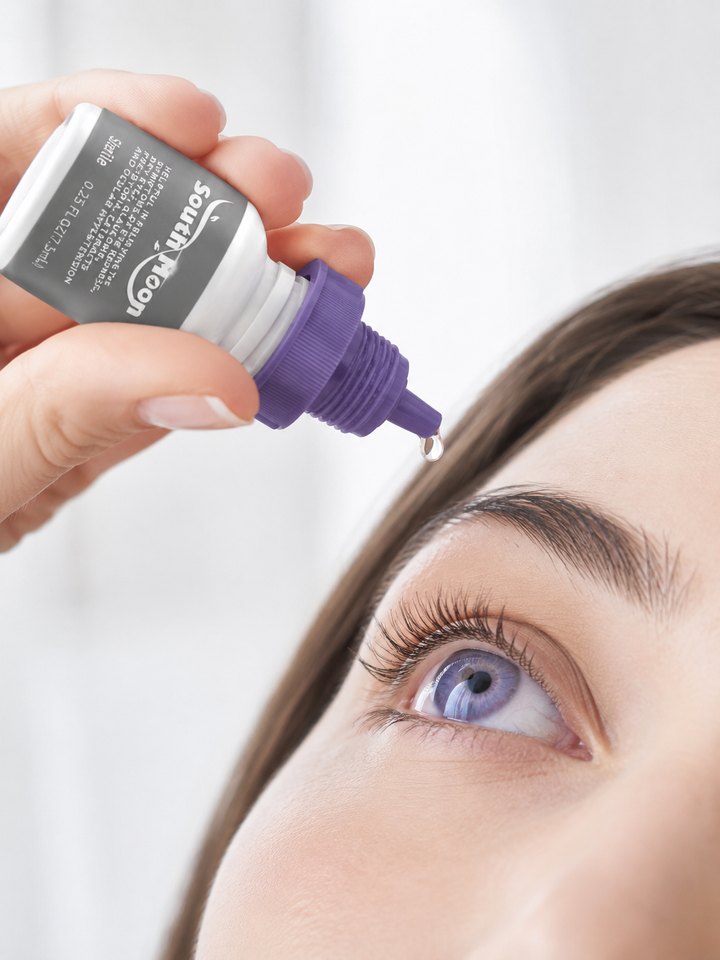


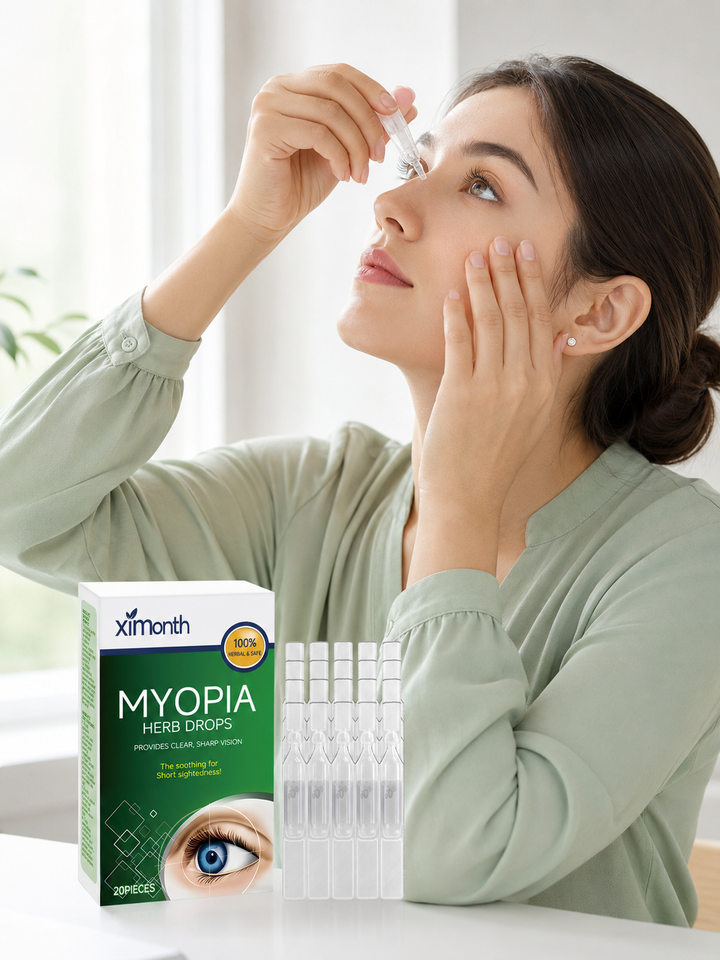

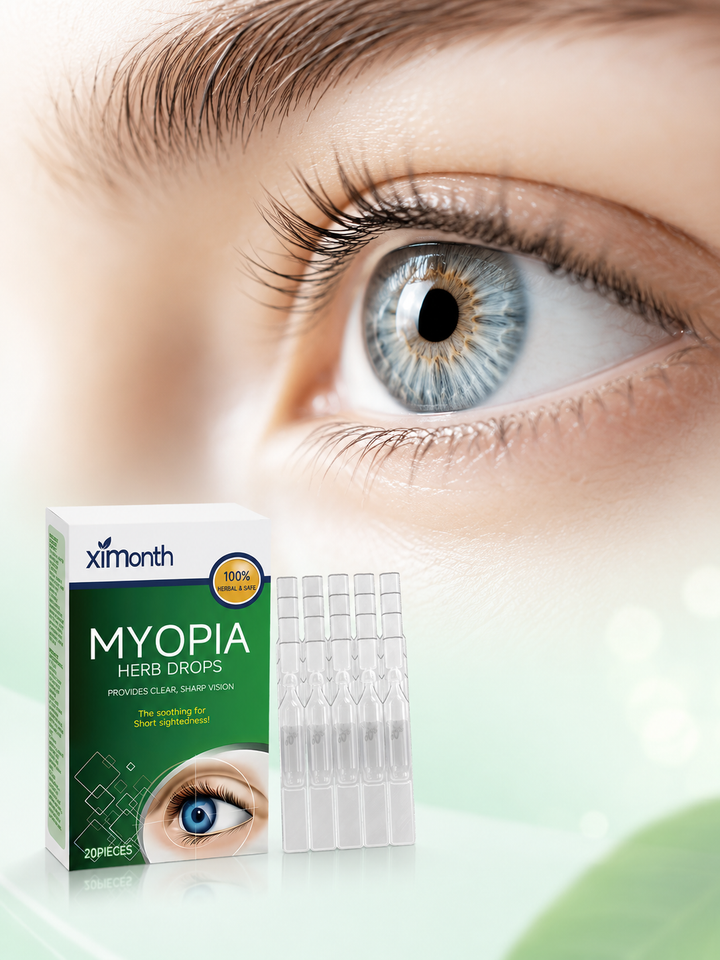


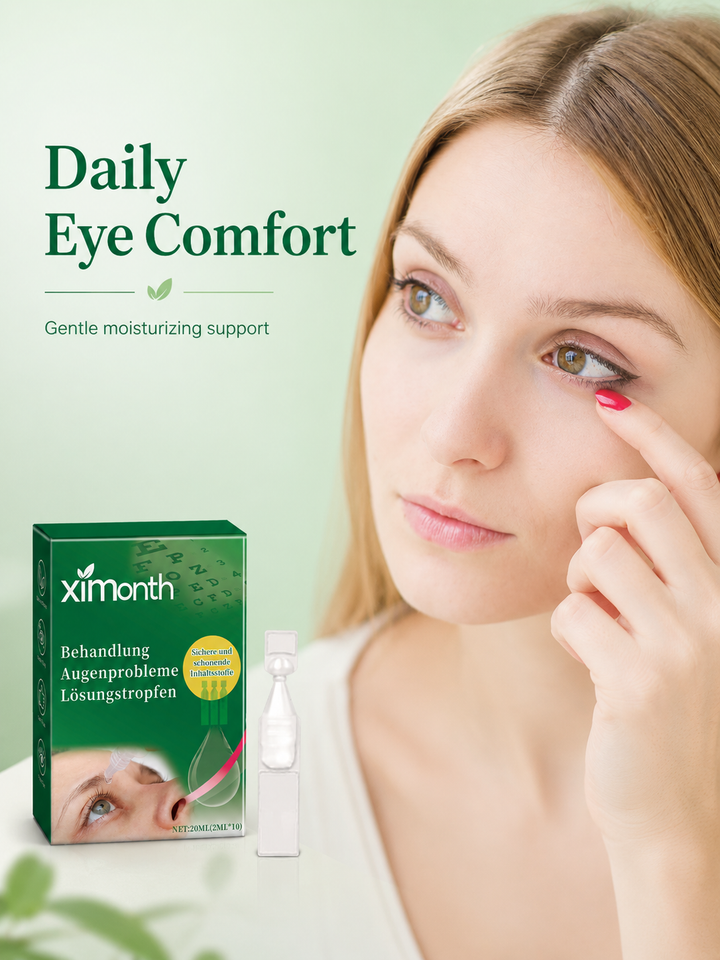
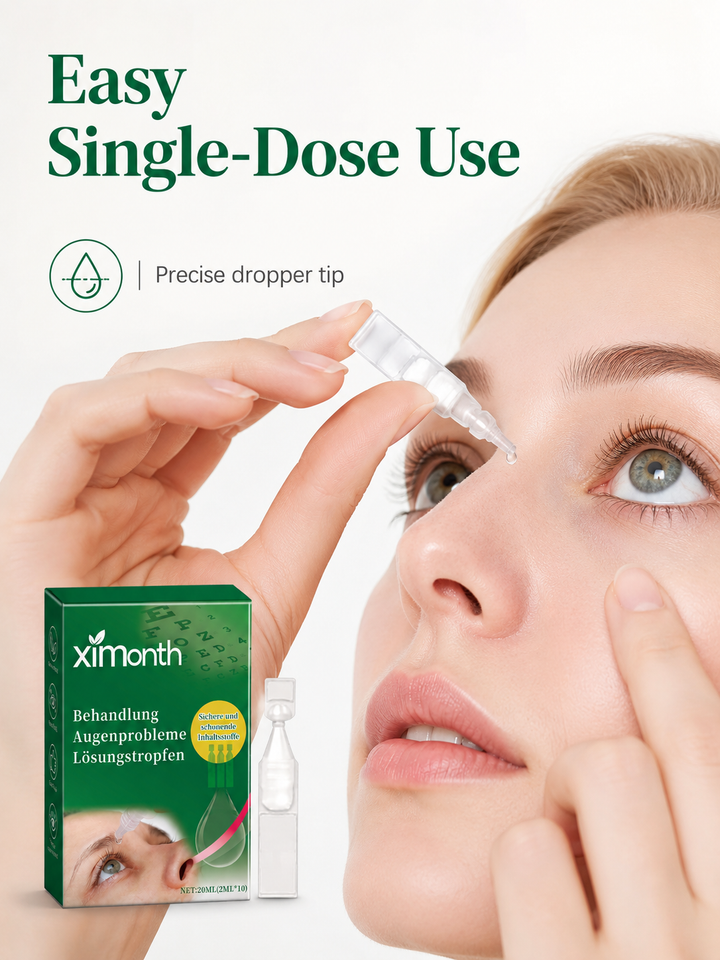

Shop eye drops for dry, tired, watery, or screen-strained eyes, with options including preservative-free, single-dose, hydrating, herbal, and honey-based formulas. Compare the intended use, ingredients, packaging, and directions to choose a product that fits your routine without treating an eye drop as a substitute for professional care.
How do I choose the right eye drops?
Start by identifying the comfort issue you want to address: occasional dryness, tired eyes after screen use, watery eyes associated with irritation, or redness and itching. Lubricant and hydrating eye drops are designed for moisture and comfort, while preservative-free and single-dose options may suit people who prefer individually sealed containers. Check the product label for its intended use, ingredients, age guidance, and storage instructions. If you are searching for eye drops for dry eyes, compare the drop format and usage directions rather than choosing only by price. Eye drops for red eyes may not be the same as lubricating drops. For pain, discharge, injury, sudden vision changes, or suspected infection, ask a healthcare professional instead of self-selecting from a general eye drops category.
What types of eye drops are available?
This category includes several formats for different comfort preferences. Preservative-free lubricant eye drops are made for dry-eye comfort without added preservatives, while single-dose drops offer sealed portions that can be convenient for travel or occasional use. Hydrating drops target dry, tired, and screen-strained eyes. Herbal and honey-based products may appeal to shoppers seeking a different ingredient profile, but read the full label carefully and follow its directions. Products described for redness, swelling, or itching should be checked for specific use instructions and suitability. A general eye drop is not automatically an eye drop for infection, and products for infection should only be used when recommended by an appropriate healthcare professional. Compare ingredients, container type, and intended use before buying.
What should I look for in eye drops?
Look for clear labeling that states the product’s purpose, ingredients, directions, warnings, expiration information, and storage requirements. Preservative-free eye drops and single-dose eye drops can be useful choices if you want individually packaged applications; check whether each container is intended for one use and how it should be discarded. For screen-related discomfort, choose a product specifically described for dry, tired, or screen-strained eyes. If you are comparing eye drops names, focus on the active and inactive ingredients rather than the name alone. Check the package for compatibility with contact lenses, because not every formula is suitable for use while lenses are worn. Avoid products with damaged seals, unclear instructions, or expired dates, and compare the eye drops price with the amount and format included.
How should I use eye drops safely?
Wash and dry your hands before opening the container. Avoid touching the dropper tip to your eye, eyelashes, fingers, or another surface, then apply only the amount stated on the label. Close the bottle or discard a single-dose container as directed. If you wear contact lenses, follow the product instructions about removing and replacing them. Do not share eye drops with anyone else, and do not use a product past its stated opening period or expiration date. Keep the container stored as instructed and stop using it if you notice unexpected irritation. For products intended to soothe dry, tired screen eyes, taking regular screen breaks and blinking normally may also support everyday comfort. Ask a pharmacist or clinician if you are unsure which drops to use or how often to apply them.
What eye drops should be avoided?
Avoid any eye drop with a broken seal, damaged container, unclear labeling, or expired date. Do not use a product if its instructions conflict with your situation, such as contact-lens use, age restrictions, known sensitivities, or storage requirements. Be cautious about choosing eye drops for infection, severe redness, or swelling without professional guidance, since a general lubricant may not address the underlying cause. Products marketed for specialized outcomes, including myopia reversal, should not be treated as a proven replacement for an eye examination or prescribed care. Avoid sharing bottles and touching the applicator tip to the eye. If symptoms include significant pain, light sensitivity, discharge, an eye injury, or changes in vision, seek prompt professional advice rather than repeatedly trying different eye drops.
Who are these eye drops suitable for?
These products may suit shoppers looking for everyday moisture and comfort for dry, tired, or screen-strained eyes, subject to the label directions. Preservative-free lubricant drops and single-dose eye drops can suit people who prefer those formats, while hydrating formulas may fit a desk, travel, or home routine. Herbal or honey-based options should be reviewed carefully for ingredients and warnings before use, especially if you have sensitivities. Children, contact-lens wearers, people with ongoing eye conditions, and anyone using other eye treatments should check the packaging or ask a healthcare professional before choosing. Eye drops are not a universal answer for every sore or watery eye. If symptoms persist, worsen, or include pain, discharge, injury, or vision changes, arrange professional advice instead of relying on repeated self-treatment.
Frequently asked questions
What is the best eye drop to use?
The best choice depends on why you want drops and the instructions that fit your eyes. For general dryness or screen-related discomfort, compare lubricant, preservative-free, single-dose, and hydrating options; seek professional advice for pain, discharge, injury, vision changes, or suspected infection.
Which drops are best for eyes?
No single drop is best for everyone. Choose by intended use, ingredients, contact-lens guidance, packaging, and directions, and consider preservative-free or single-dose formats if those features suit your routine.
What eye drops should be avoided?
Avoid expired products, damaged or unsealed containers, unclear labels, and drops that are unsuitable for your age, sensitivities, or contact lenses. Do not self-treat serious symptoms or suspected infection with a general comfort drop without professional guidance.
What is the most commonly used eye drop?
Lubricating eye drops are commonly selected for occasional dryness and everyday eye comfort, but usage varies by person and need. Check the label to confirm that the product is intended for your symptoms and situation.
What drops do ophthalmologists use?
Eye-care professionals may recommend different products depending on the cause of symptoms, examination findings, and treatment history. A category guide cannot identify a suitable clinical treatment for an individual, so ask an ophthalmologist or pharmacist when symptoms are persistent or concerning.
What are the five best eye drops?
There is no universal top five because formulas serve different purposes. When comparing options, consider lubricant, preservative-free, single-dose, hydrating, and other clearly labeled formats according to your comfort needs, ingredients, and professional advice when needed.