Contact Lens Tools: Removers, Applicators & Plunger Kits
4 items


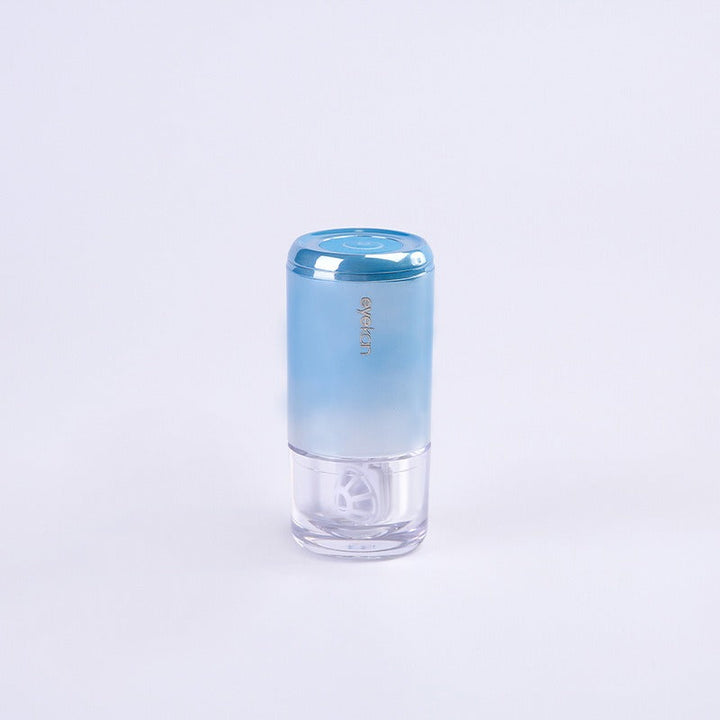


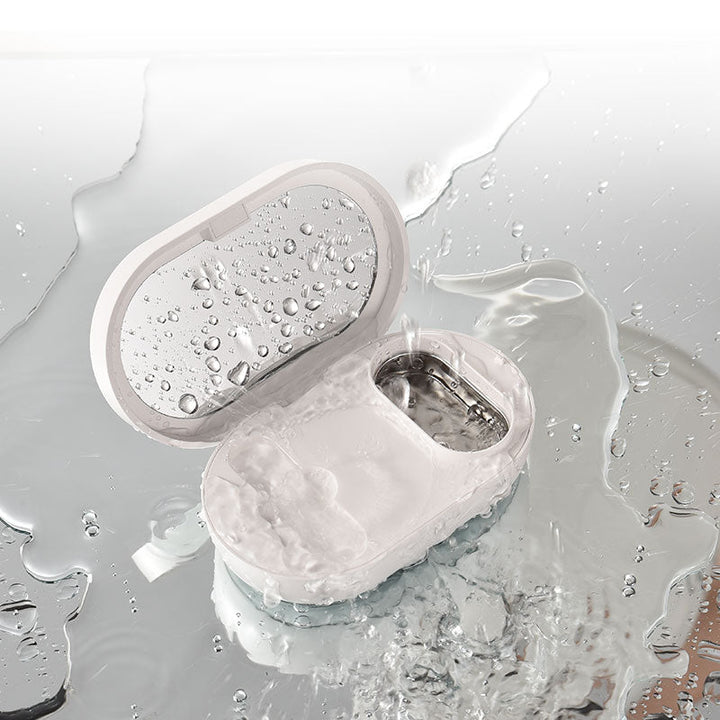

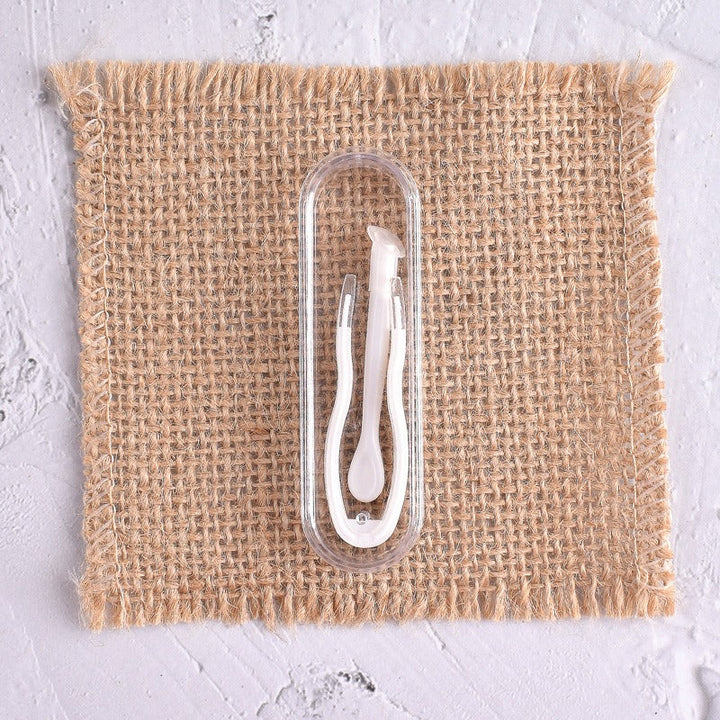
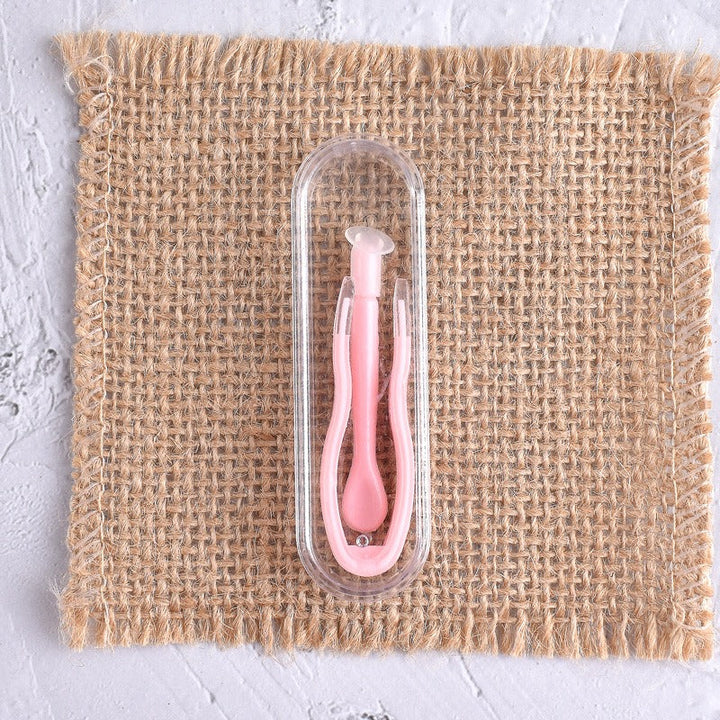
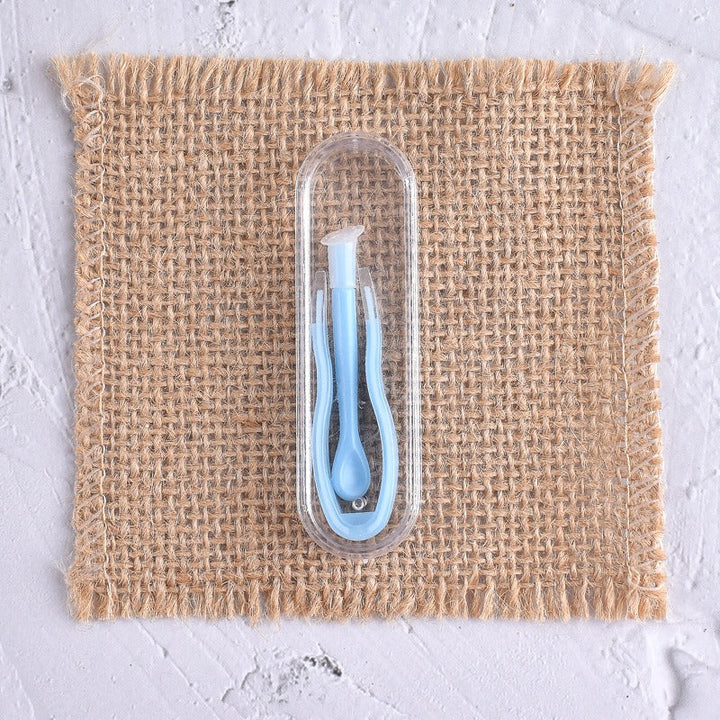
Contact lens tools can make handling, cleaning, and storing lenses more organized, especially if you prefer an alternative to using your fingertips. This category includes silicone applicator tools, contact lens remover tools, ultrasonic cleaners, and cases, so compare each product’s intended use before choosing a contact lens tool kit.
How to choose contact lens tools for your routine
Start by identifying the task you want help with: inserting a lens, removing it, cleaning it, or storing it. A silicone contact lens tool is designed for gentle handling and may suit shoppers looking for a contact lens inserter and remover. An ultrasonic contact lens cleaner is intended for cleaning compatible lenses according to the product instructions, while a contact lens case is for storage rather than insertion or removal. If you are searching for contact lens tools near me, contact lens remover tool in store, or a contact lens remover tool at Target, check the package details carefully because availability and included accessories vary. Choose a tool with clear directions, smooth surfaces, and a format you can hold steadily.
Contact lens inserter and remover tools compared
Applicators and removers are handling tools, while ultrasonic cleaners and cases serve different purposes. A silicone contact lens tool can help position or lift a lens without relying entirely on fingernails, making it a practical option for shoppers comparing a contact lens inserter and remover. Ultrasonic cleaners, including rotating models, are designed around cleaning rather than placing a lens in the eye. A storage case, such as a 3D character case, keeps lenses and solution contained but does not replace an applicator. Some contact lens tool kits combine several pieces, but confirm what is included before buying. No tool should be shared, used with damaged lenses, or substituted for the lens-care routine provided with your lenses.
What to look for in a contact lens tool kit
Look for a contact lens tool made from a smooth, easy-to-clean material, such as soft silicone for handling accessories. The tool should be simple to grip, with a shape that gives you control without forcing you to press hard. For an ultrasonic contact lens cleaner, check how the lens is placed inside, whether a case or container is included, and which lens types the instructions identify as compatible. For storage, choose a case with a secure lid and enough room for the lenses and the recommended solution. Compact designs can be useful for travel, while a rotating cleaner may appeal to shoppers who want a more automated cleaning format. Always inspect tools for residue, cracks, or rough edges before use.
How to use a contact lens inserter and remover safely
Wash and dry your hands before handling lenses, then follow the instructions supplied with your lenses and tool. For an applicator or remover, place the lens on the intended silicone surface, keep the tool steady, and avoid squeezing or dragging the lens across the eye. If the lens feels stuck, stop rather than forcing it and follow your usual lens-care guidance. For an ultrasonic cleaner, add only the recommended solution, position the lens as directed, and complete the stated cleaning cycle. Do not put a cleaner or storage case directly against the eye. Rinse or replace solution as instructed, keep tools clean, and never use a tool that has fallen on a dirty surface until it has been properly cleaned.
Common mistakes when using contact lens tools
A frequent mistake is buying a cleaner when you actually need a remover, or choosing a storage case and expecting it to insert a lens. Another is using tap water, household cleaners, or an unapproved solution with a lens tool or ultrasonic device. Avoid touching the tool tip to makeup, lotion, or other residues, and do not continue using a silicone tool after it becomes rough, cracked, or difficult to clean. Shoppers also sometimes assume every contact lens remover tool works with every lens style, so read the product directions first. If you are looking for a contact lens remover tool on Amazon, Target, or another store, compare the intended function rather than relying only on the product title.
Who should buy contact lens tools and plunger kits
Contact lens tools may suit beginners who want a guided handling method, people with longer nails, travelers organizing lens accessories, or anyone who prefers a dedicated tool over fingertip handling. A silicone tool is the most relevant choice when your priority is insertion or removal. An ultrasonic cleaner may suit shoppers focused on a device-based cleaning routine, provided it is compatible with their lenses and solution. A character contact lens case can add portable storage and a personal style, but it is still important to check its fit and care instructions. If you have difficulty handling lenses, experience discomfort, or are unsure which tool is appropriate, ask an eye-care professional for guidance before relying on a new accessory.
Frequently asked questions
What is the best tool for putting on contact lenses?
A smooth silicone contact lens applicator is a practical option for shoppers who want help positioning a lens. Choose one with clear instructions and a grip that feels steady, and confirm that it is intended for your lens type.
Is there a tool to put contact lenses in?
Yes. Contact lens applicators are designed to help place a lens during insertion. They do not replace handwashing or the lens-care directions provided with your lenses, so use the tool exactly as instructed.
Is there a tool to help you get your contacts out?
Yes. Silicone contact lens removers are made to help lift or handle a lens during removal. Stop if the lens feels stuck or uncomfortable, and avoid forcing it with a tool or your fingernails.
Can I buy a contact lens remover tool at a store?
Many retailers, pharmacies, marketplaces, and specialty shops may carry contact lens remover tools, but in-store availability varies. Search the retailer’s site for terms such as contact lens remover tool or contact lens inserter and remover, then confirm the product’s intended use before purchasing.
What is a good tool for removing contact lenses?
A soft silicone remover with a stable grip is a useful choice for many shoppers. Look for smooth surfaces, clear directions, and compatibility information, and replace the tool if it becomes damaged or difficult to clean.
What is the easiest way for a beginner to remove contact lenses?
Wash and dry your hands, follow the removal method recommended for your lenses, and consider a silicone contact lens tool if fingertip removal feels difficult. Work slowly in a clean area and stop if you feel pain or persistent discomfort.