Contact Lens Care | Cleaning Solutions & Lens Removers5 items

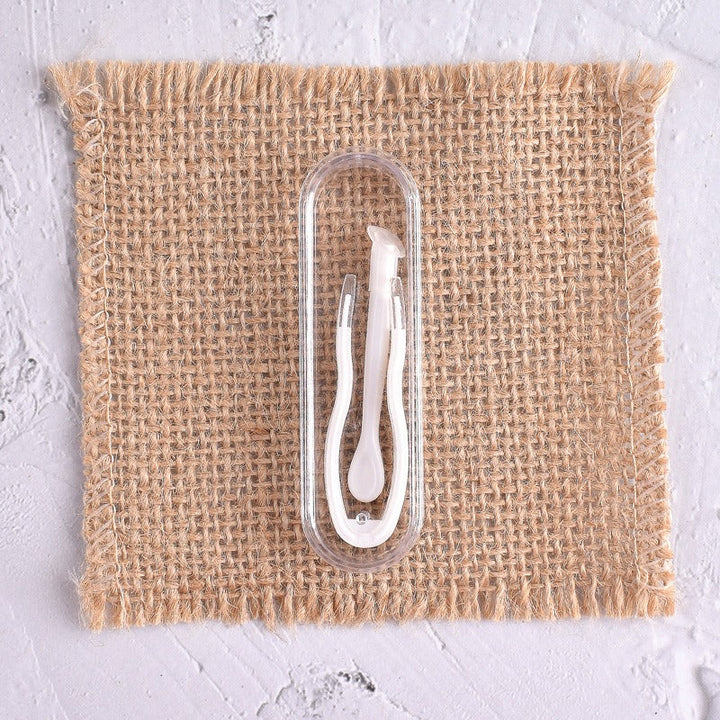
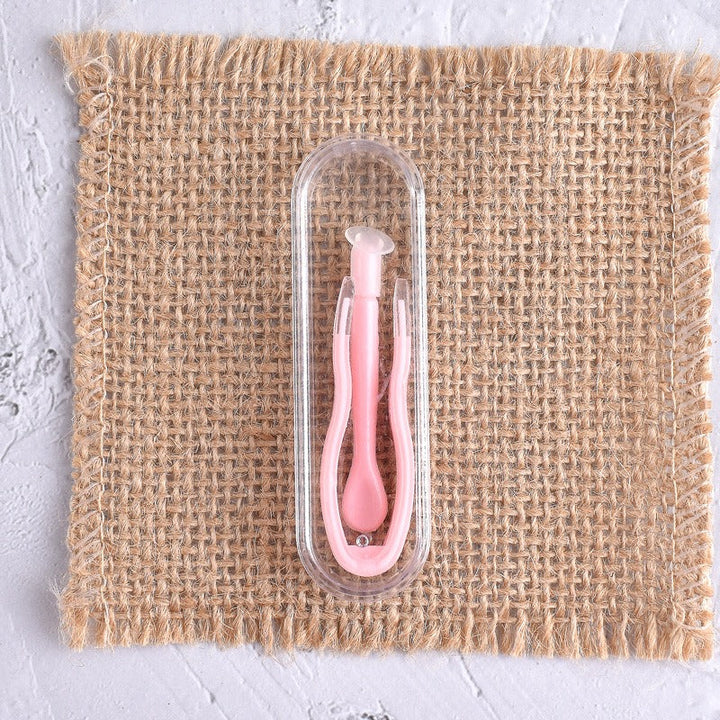
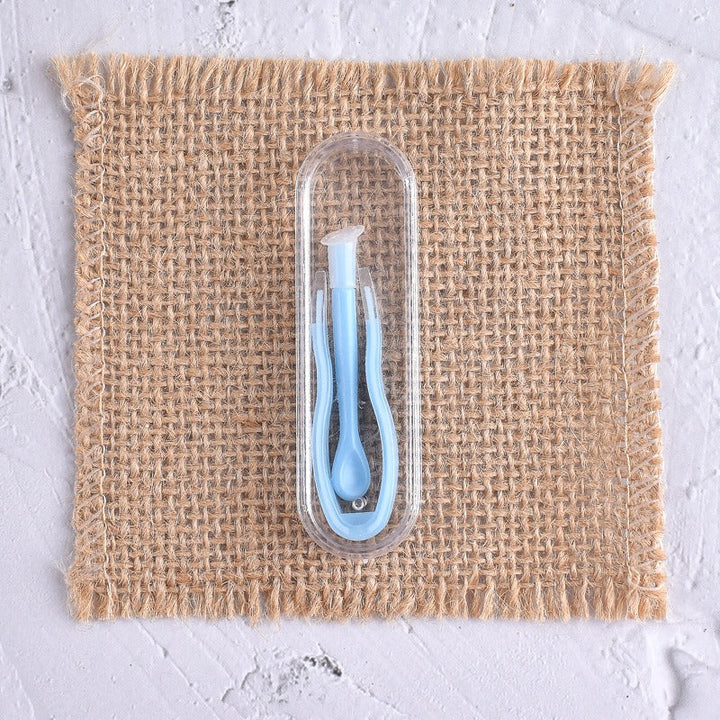


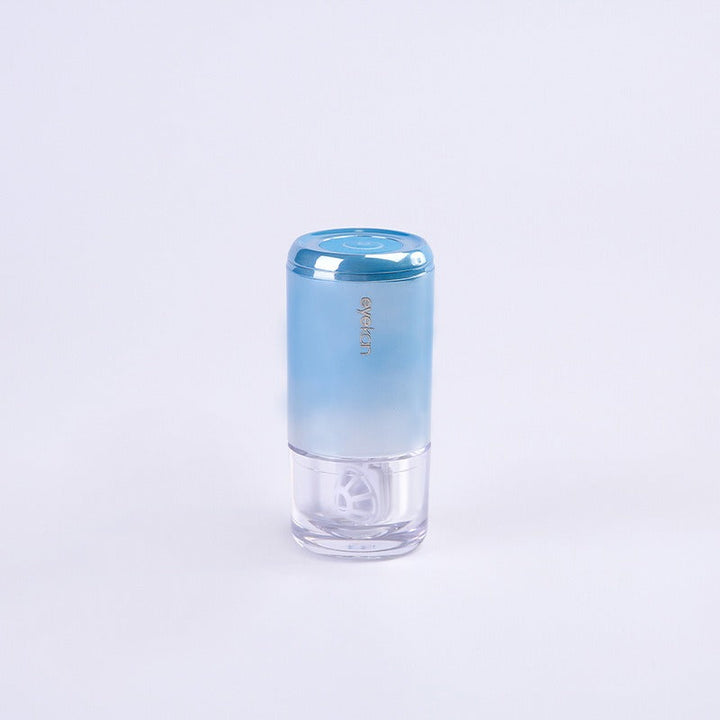


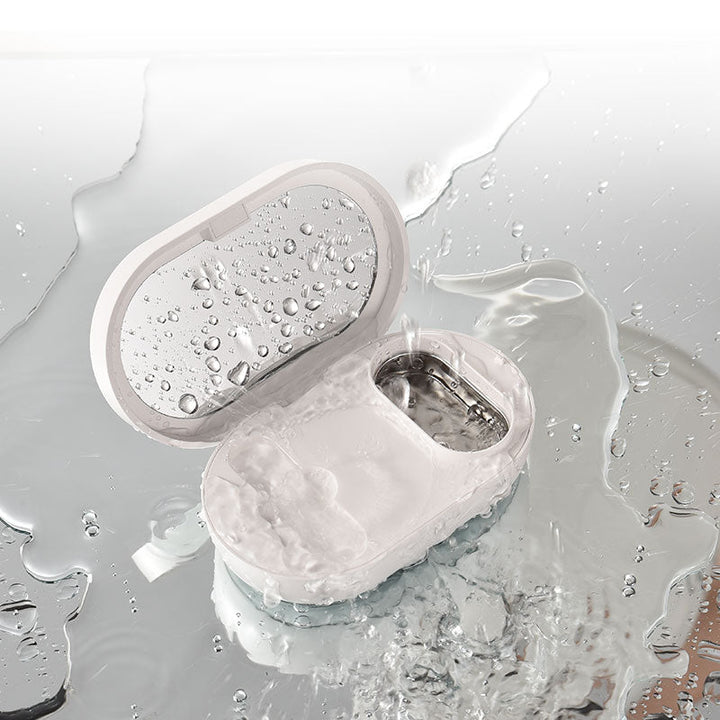



Contact lens care products can help organize, rinse, clean, and store reusable lenses, but they do not replace the instructions for your lens type or disinfecting solution. Compare automated cleaners, handling tools, and protective cases to build a routine that is practical for home and travel.
How to choose contact lens care products
Start with the type of lenses you wear and the care routine provided by your eye care professional and lens manufacturer. If you want a powered cleaning aid, compare the Ultrasonic Contact Lens Cleaner – Crystal-Clear Lenses in 3 with the Ultrasonic Contact Lens Cleaner — Deep Clean with Rotating, focusing on controls, cleaning motion, power requirements, and whether the container suits your lenses. A manual Silicone Contact Lens Tool can help with handling during makeup routines, while a Shiba Inu Contact Lens Case — 3D Kawaii Storage Box adds a dedicated place for storage. Choose products that are easy to rinse, dry, and inspect. No accessory should be used to improvise a disinfecting method or replace approved contact lens solution.
What are the types of contact lens care products compared?
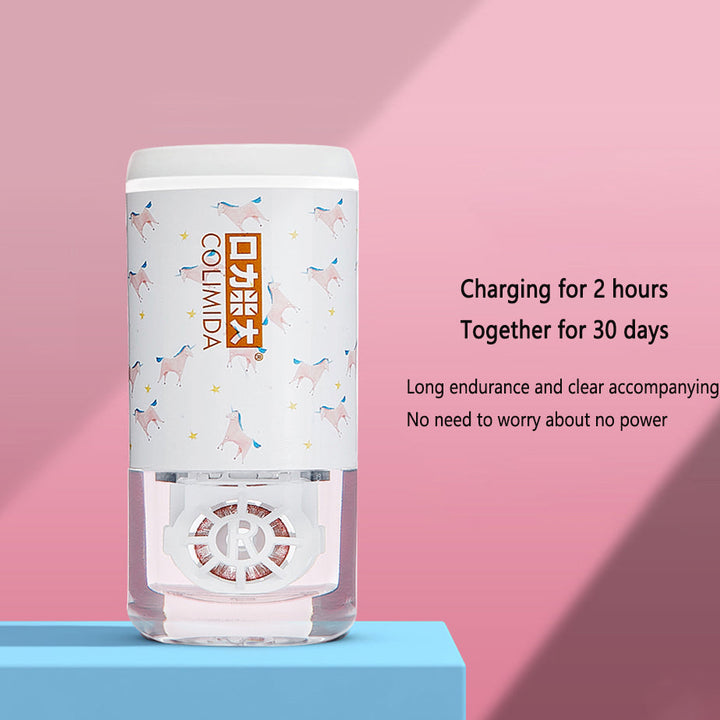
This category includes three practical groups. Ultrasonic cleaners use powered vibration or movement to assist with loosening surface debris, while rotating cleaners use a moving mechanism inside the container. The Japan Colimida Contact Lens Cleaner Box Automatic Cleaning M is another automatic-style option for shoppers who prefer a contained cleaning routine. Silicone tools are designed for gentle handling and may be useful when inserting, removing, or managing lenses around makeup. Contact lens cases provide separate storage compartments and lids, helping keep right and left lenses organized. These products have different jobs: a cleaner may support the cleaning step, a tool supports handling, and a case supports storage. Always use the compatible solution and care method specified for your lenses.
What to look for in contact lens care and maintenance
Look for a smooth, easy-to-clean interior, secure lids, clear right-and-left markings, and a size that fits your normal storage routine. For an electronic cleaner, check how the unit starts, how it is powered, whether the cleaning cup is removable, and how easily the parts can be rinsed and dried. For a manual tool, prioritize soft silicone, a comfortable grip, and a design that does not require force. A decorative case can be appealing, but it should still close securely and allow the lens compartments to be cleaned. Replace storage cases and care accessories according to the product instructions. If a component becomes cracked, cloudy, sticky, or difficult to clean, stop using it and replace it.
How to clean contact lenses at home safely
Wash and dry your hands before touching lenses, then follow the exact cleaning, rinsing, and disinfection steps for your lens solution. If using an ultrasonic or rotating cleaner, fill it only as directed, place the lenses carefully in the intended compartment, and clean the device after use. Do not use tap water, saliva, homemade mixtures, or household cleaners on lenses or lens cases. Do not assume that a powered cleaner disinfects lenses unless its instructions specifically say so and match your lens-care system. Keep the case closed when not in use, allow it to dry as directed, and use fresh solution rather than topping up old solution. When in doubt, pause and ask an eye care professional.
What are common contact lens care mistakes to avoid?
Common mistakes include sleeping or napping in lenses without specific professional approval, wearing lenses longer than directed, rinsing them with water, and reusing old solution. Avoid touching lenses with dirty or wet hands, sharing lenses or cases, and applying makeup before handling lenses when this increases the chance of transfer. Do not use a damaged case or cleaner, and do not scrub lenses with an accessory that is not designed for them. A contact lens care brand may offer several formats, but packaging alone does not make a product suitable for every lens. If a lens feels uncomfortable, looks damaged, or causes unusual redness or vision changes, remove it and seek professional advice rather than trying to deep clean it repeatedly.
Who are contact lens care tools best suited for?
These products can suit reusable-lens wearers who want a more organized home routine, a dedicated case, or help handling lenses around makeup and travel. Beginners may appreciate clear compartments, simple controls, and a routine that separates cleaning, disinfecting, and storage. Frequent travelers may prefer a compact case or automatic cleaner that is easy to pack, provided its power and solution requirements are practical. The Silicone Contact Lens Tool may suit shoppers seeking a soft handling aid, while an automatic cleaner may suit those who prefer a powered step. These accessories are not a substitute for an eye care professional's instructions. People with specialty lenses, recurring discomfort, or uncertainty about cleaning should confirm compatibility before buying.
Frequently asked questions
Do and don'ts for contact lenses?
Do wash and dry your hands, use the recommended solution, follow the prescribed replacement schedule, and keep lenses in a clean, closed case. Do not use tap water or saliva, share lenses, reuse old solution, sleep or nap in lenses unless specifically approved, or continue wearing a lens that feels painful or appears damaged.
What is the 3:1:1 rule for contacts?
There is no single, universal 3:1:1 rule for all contact lenses. The phrase may refer to a product-specific or local care reminder, so check the instructions supplied with your lenses and solution rather than applying an online rule. Your eye care professional can clarify any schedule or cleaning method.
How many hours should a contact lens be worn?
There is no one safe number of hours for every wearer or lens type. Follow the wearing schedule provided for your specific lenses and stop wearing them if they become uncomfortable, dry, or irritating. Ask your eye care professional if you are unsure about your daily limit.
Can I take a 2 hour nap with contacts in?
Do not nap in contact lenses unless your eye care professional has specifically told you that your lenses and wearing schedule allow it. If you accidentally nap in them, follow your lens instructions, remove them when practical, and seek professional advice if discomfort, redness, discharge, or vision changes occur.
Can I close my eyes for 5 minutes with contacts?
Briefly closing your eyes is not the same as sleeping, but contact lenses should still be worn only according to their instructions. Avoid intentionally resting or sleeping in lenses unless your eye care professional has approved that use. Remove them if they feel uncomfortable or your vision changes.
I accidentally fell asleep with my contact lenses in. What should I do?
Do not force a lens out if it feels stuck. Wash and dry your hands, use the recommended rewetting or lens-care product if permitted by your instructions, and remove the lenses gently when comfortable. Avoid wearing them again until you have followed your care instructions; contact an eye care professional promptly if you have pain, marked redness, discharge, light sensitivity, or blurred vision.