Ear Care – Earache Drops, Ear Wax Candles & Infection Relief44 items





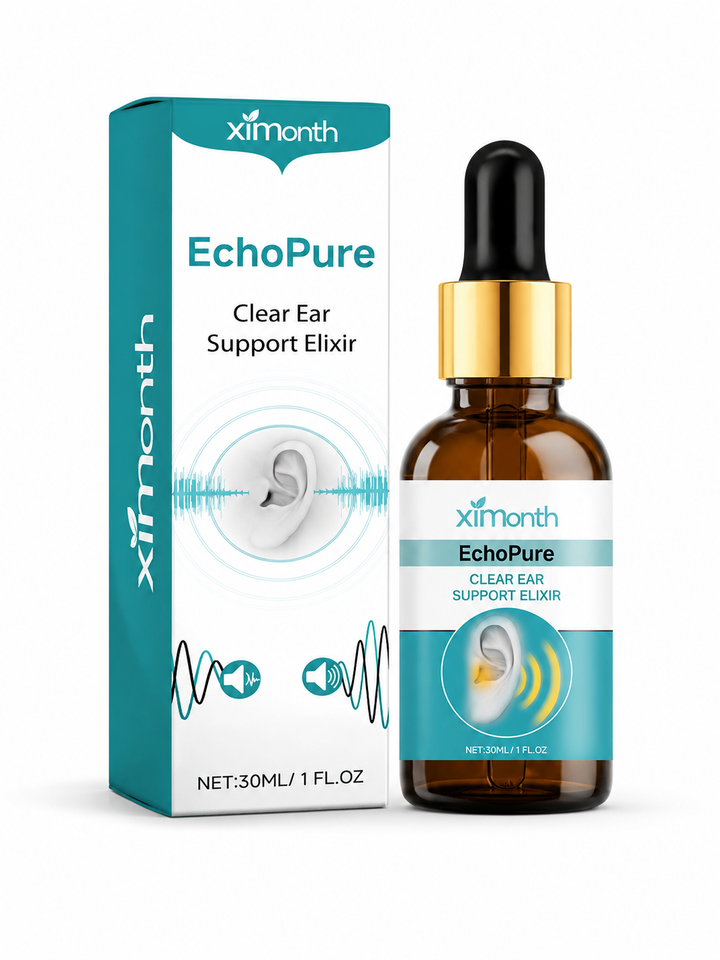

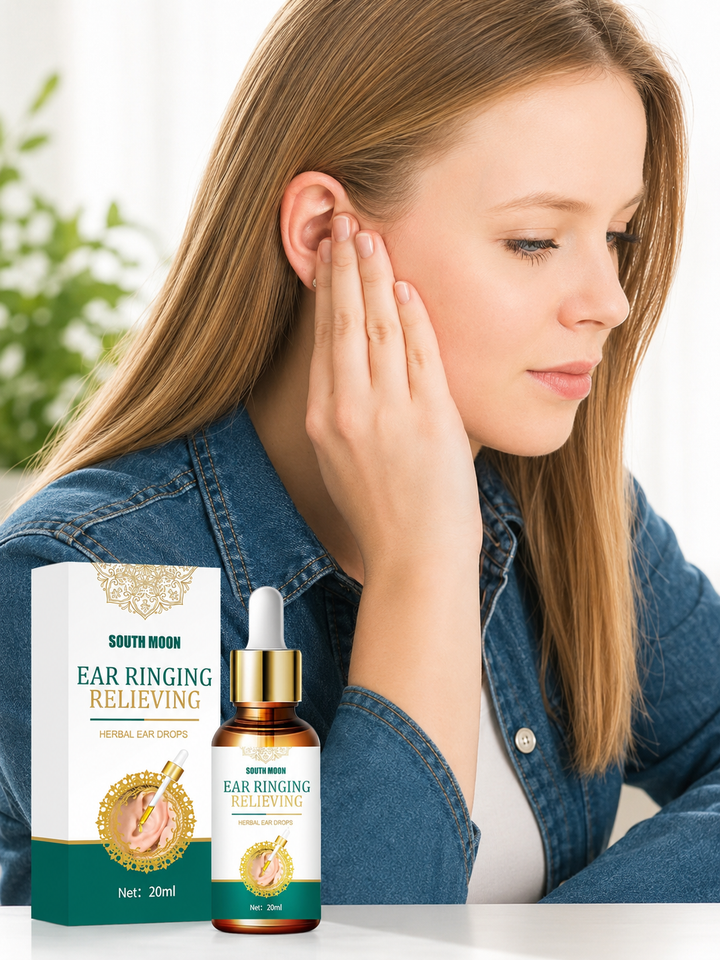
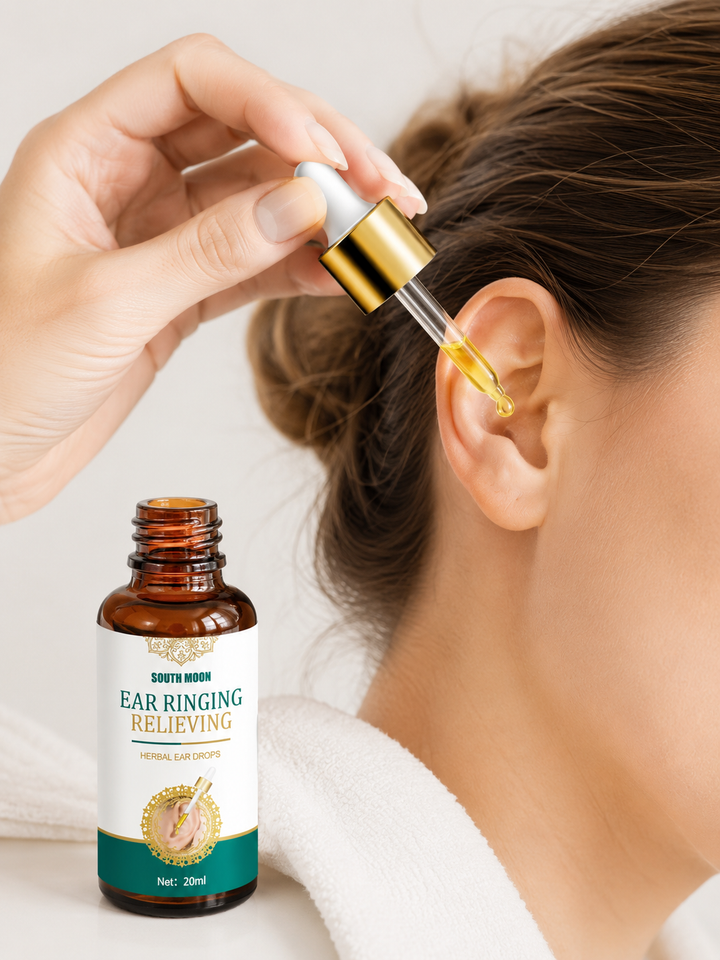
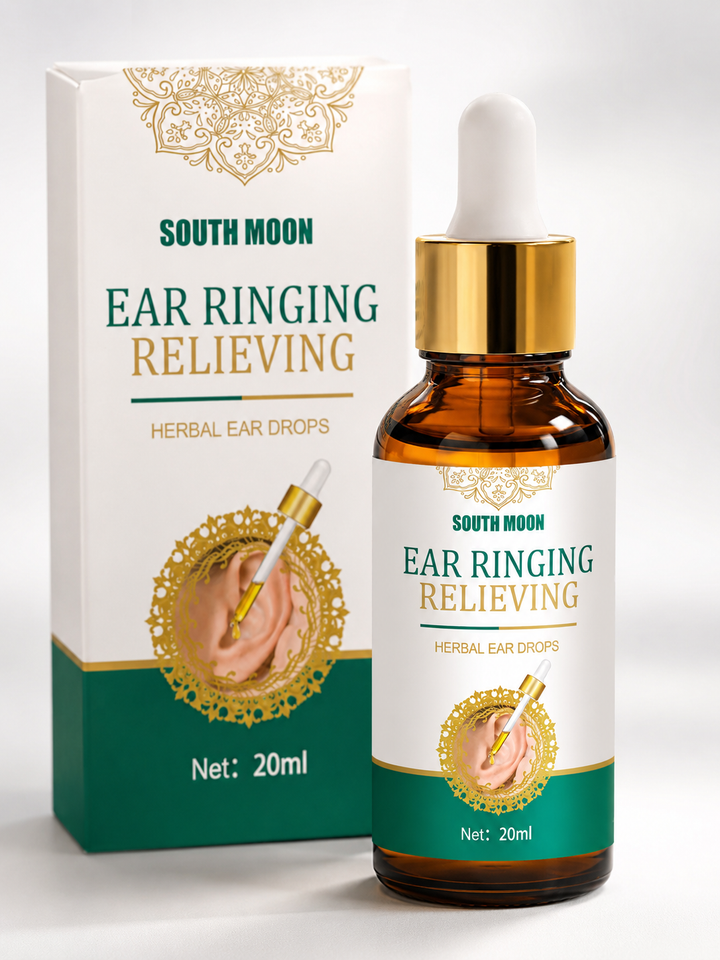

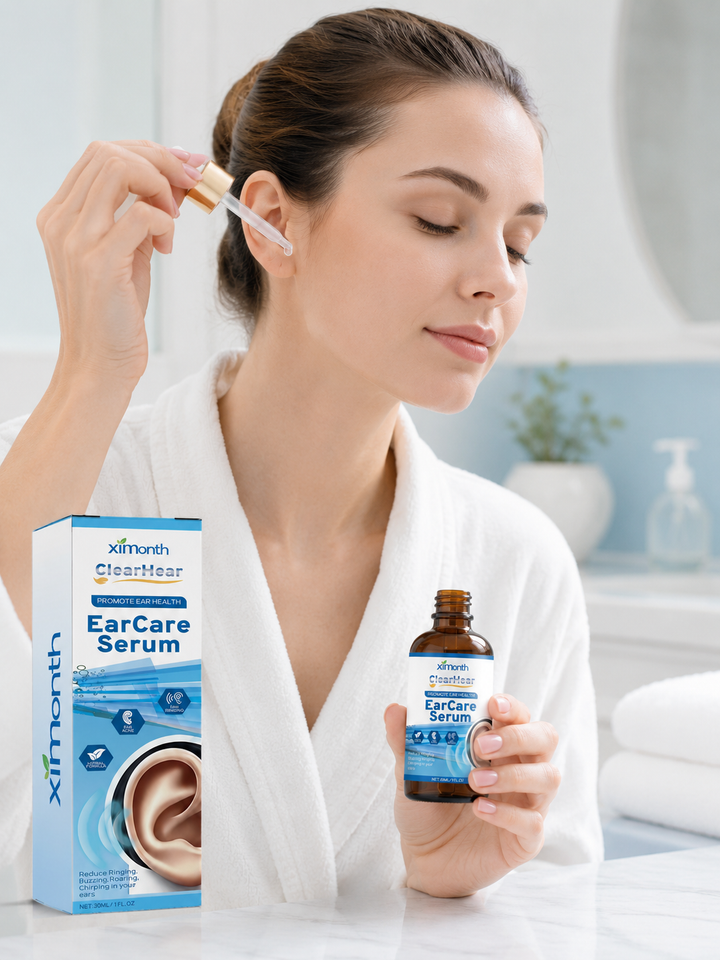
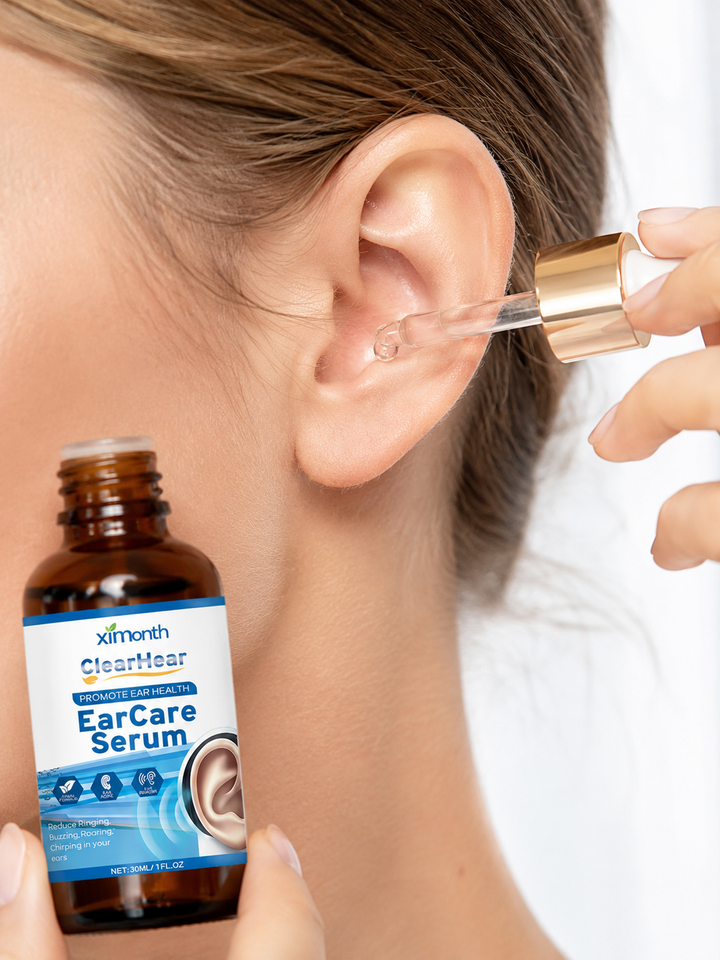
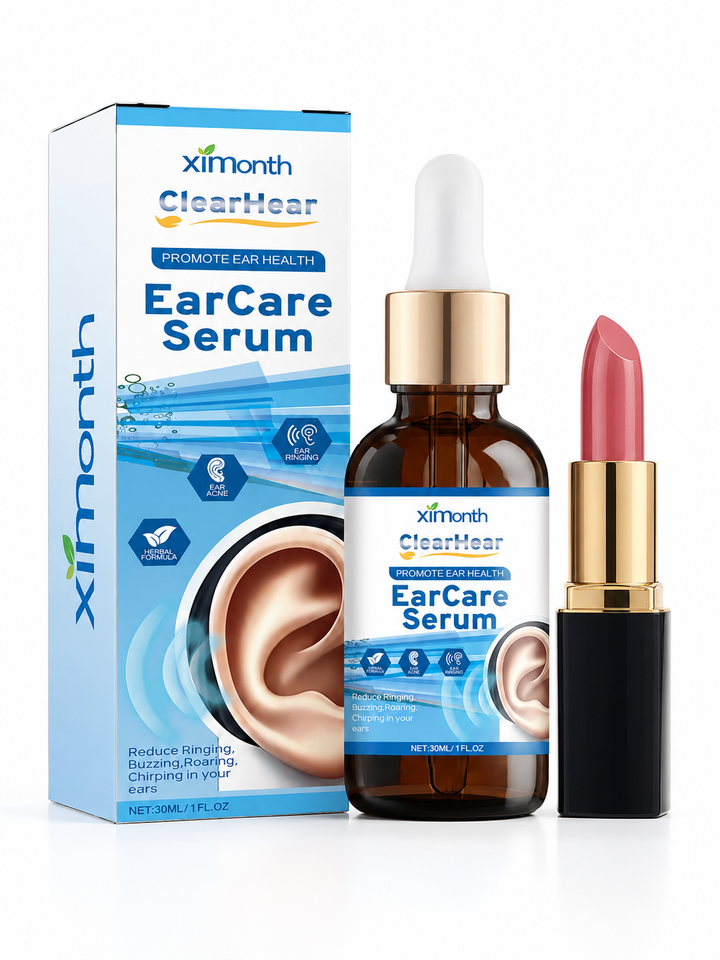

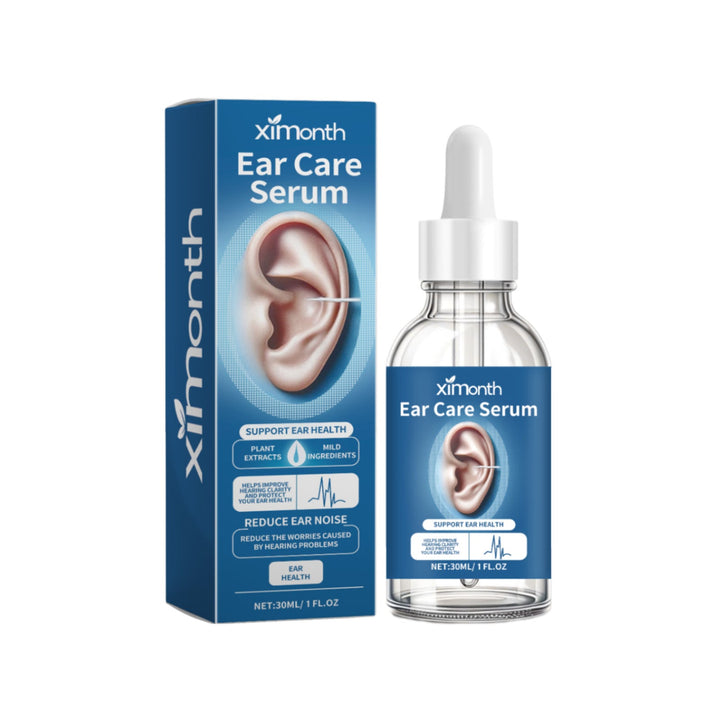
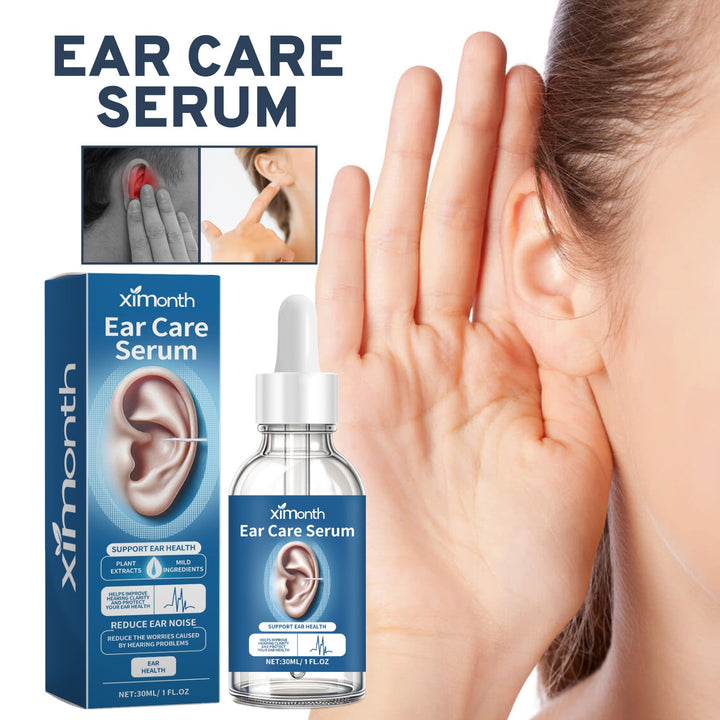

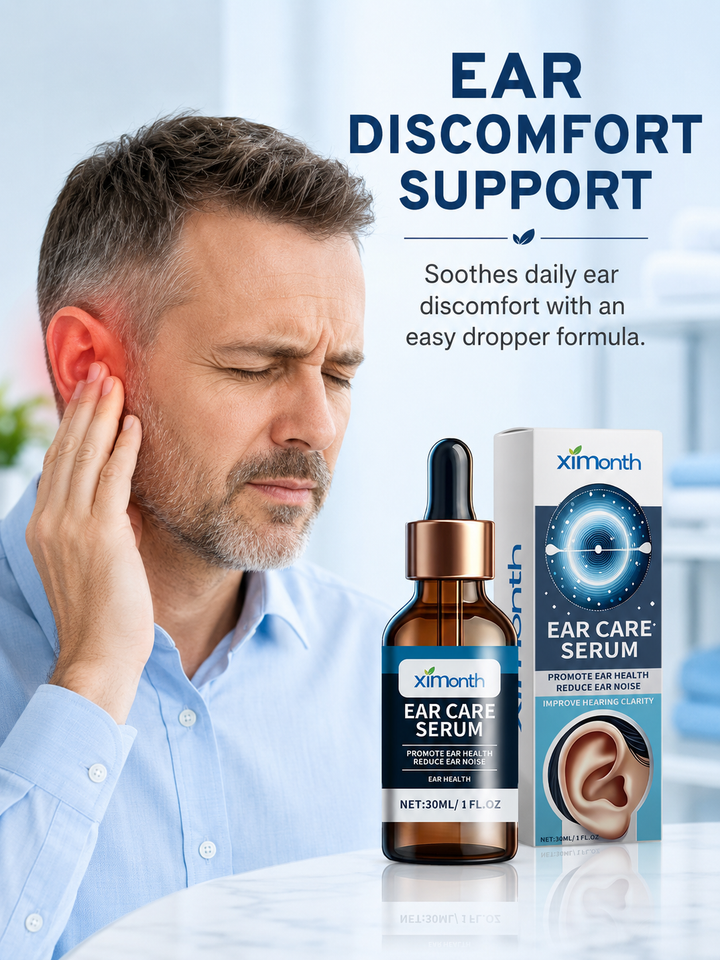
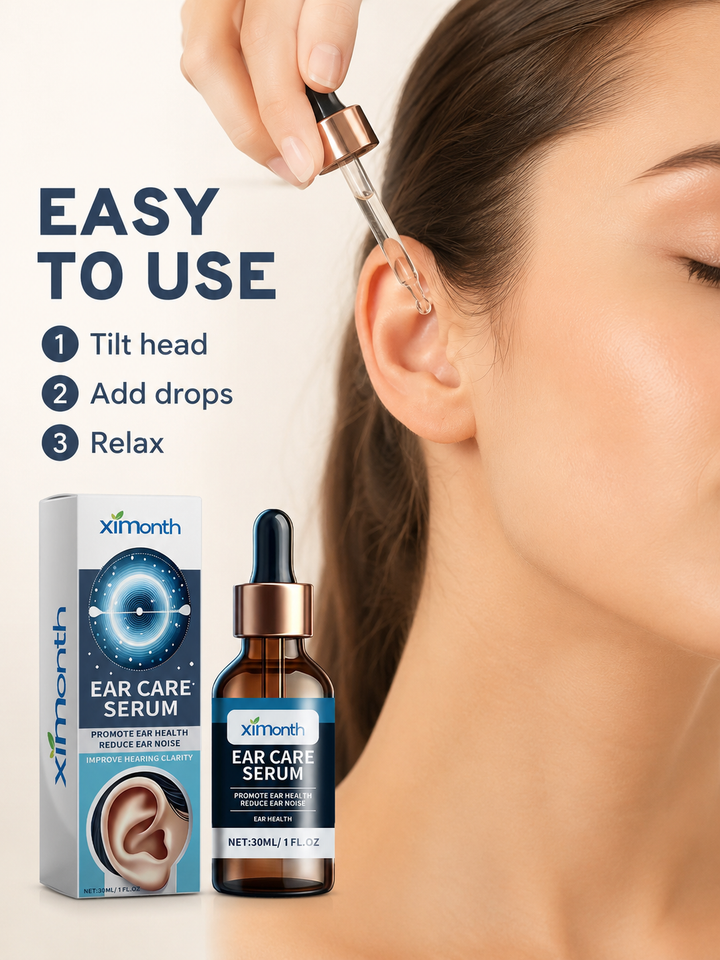

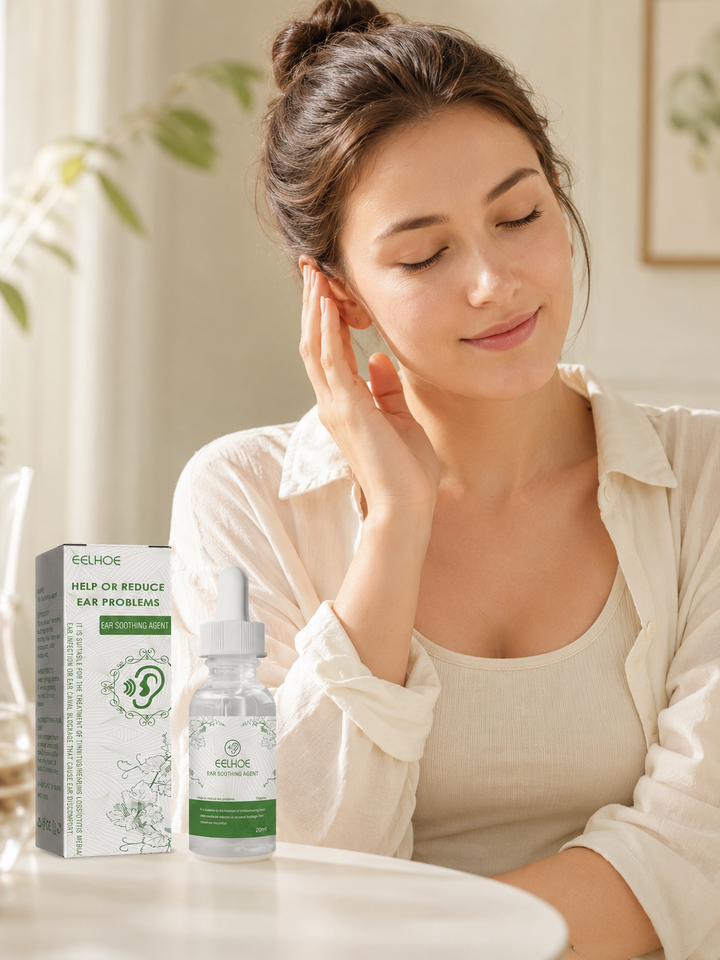
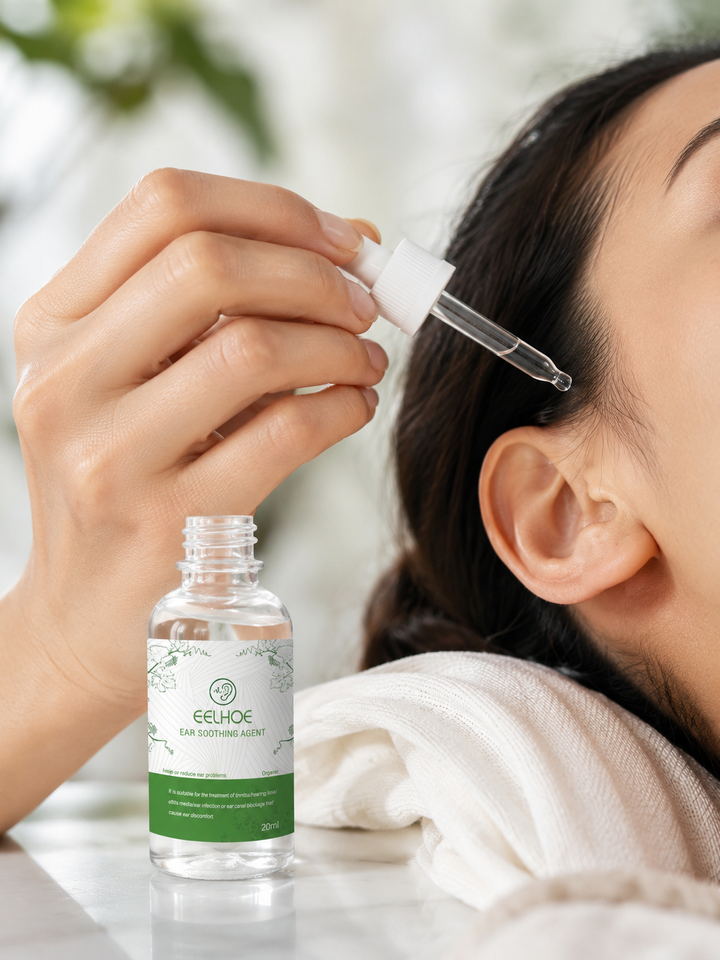
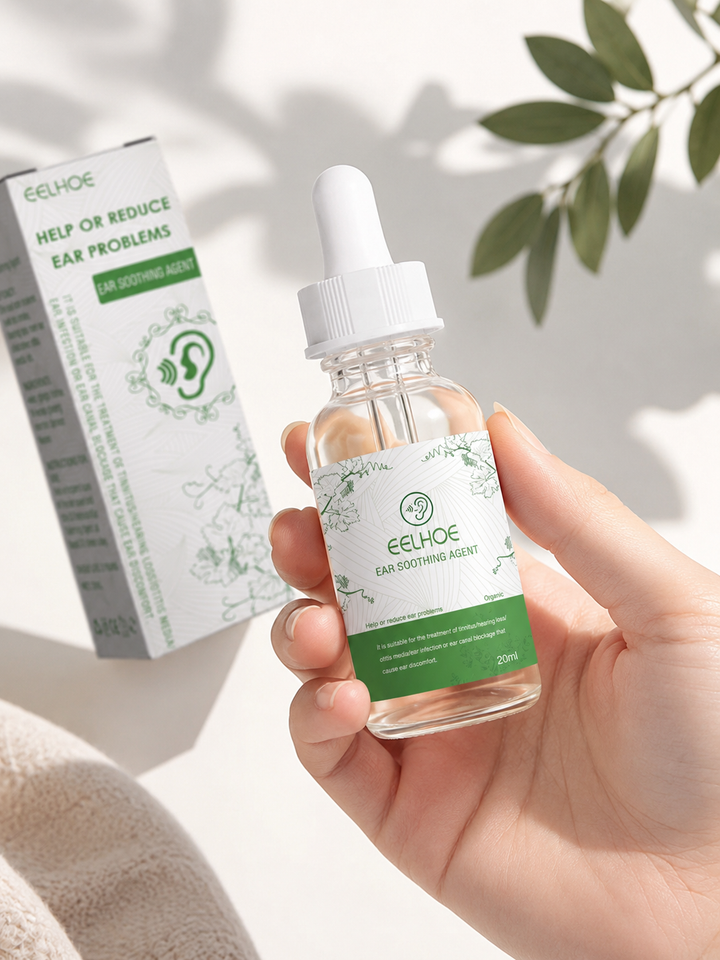

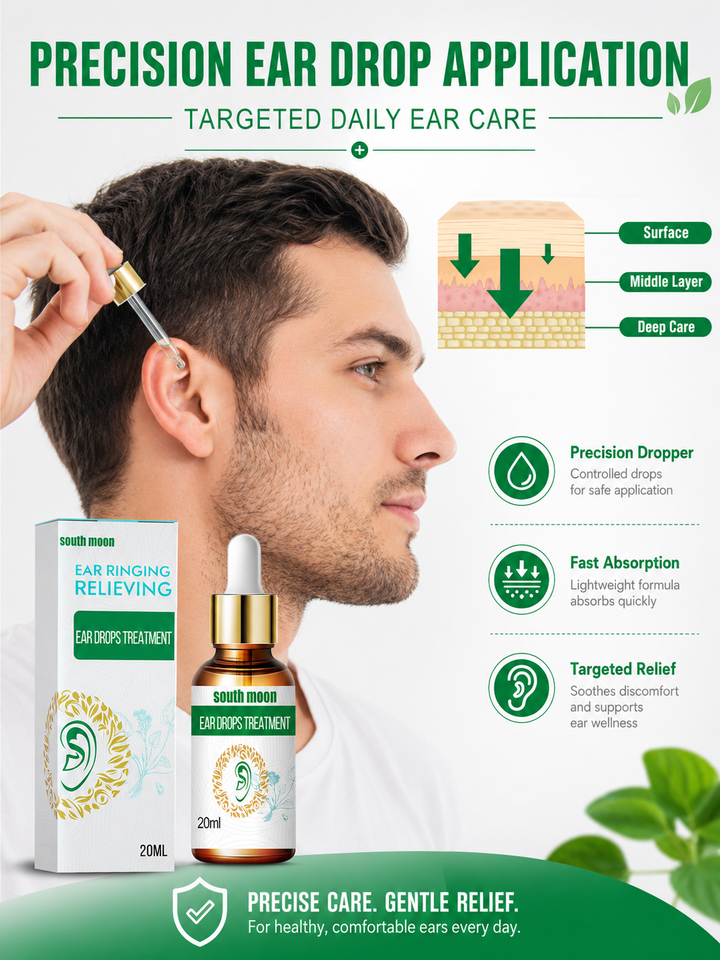

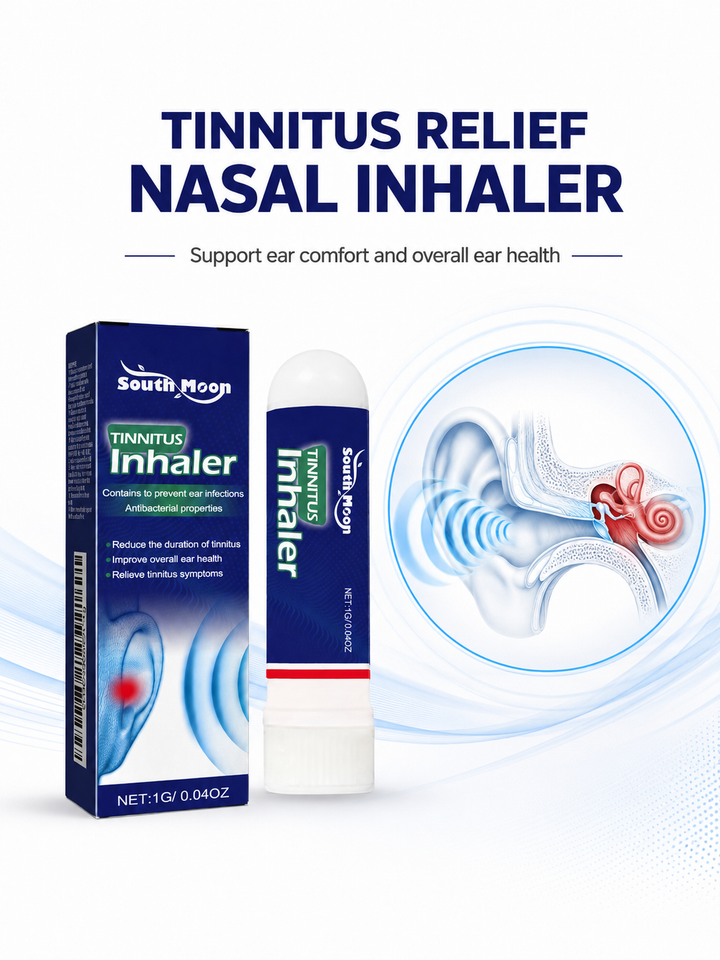

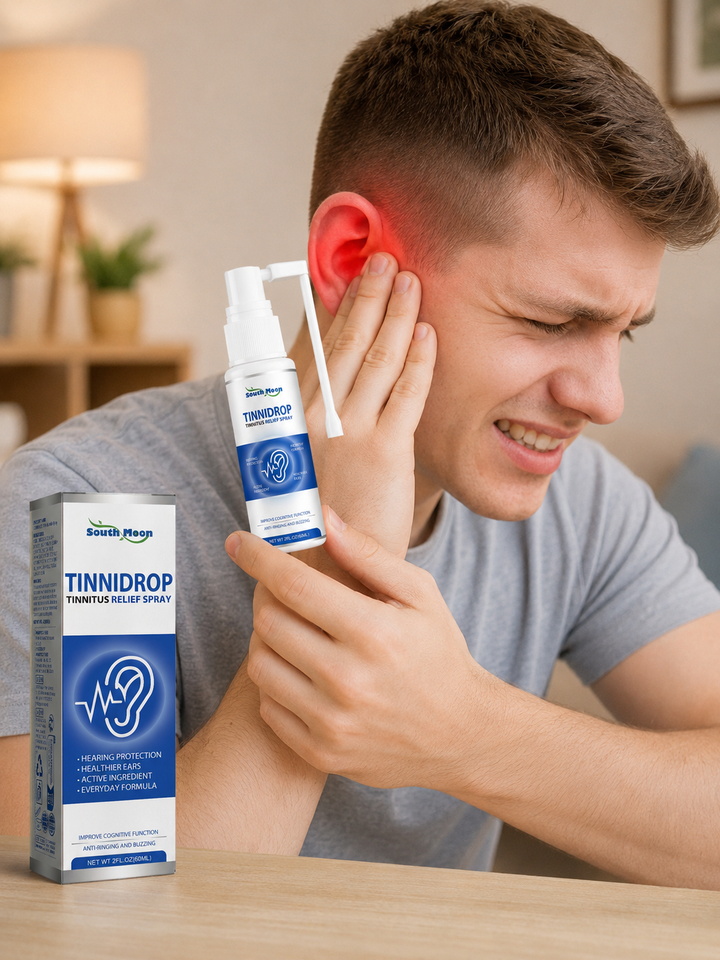
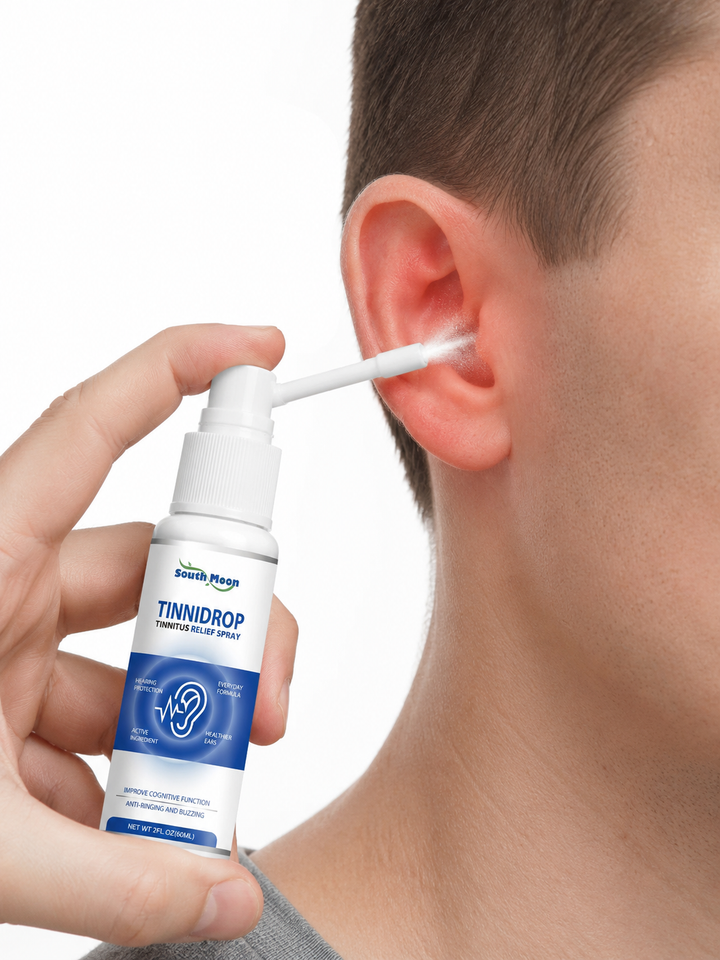

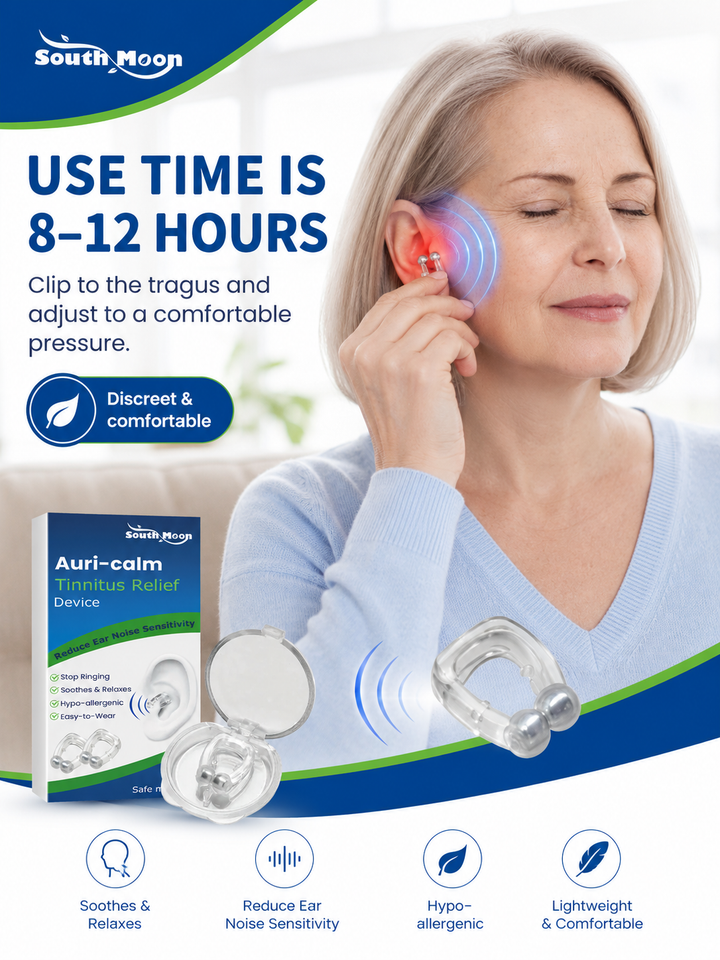
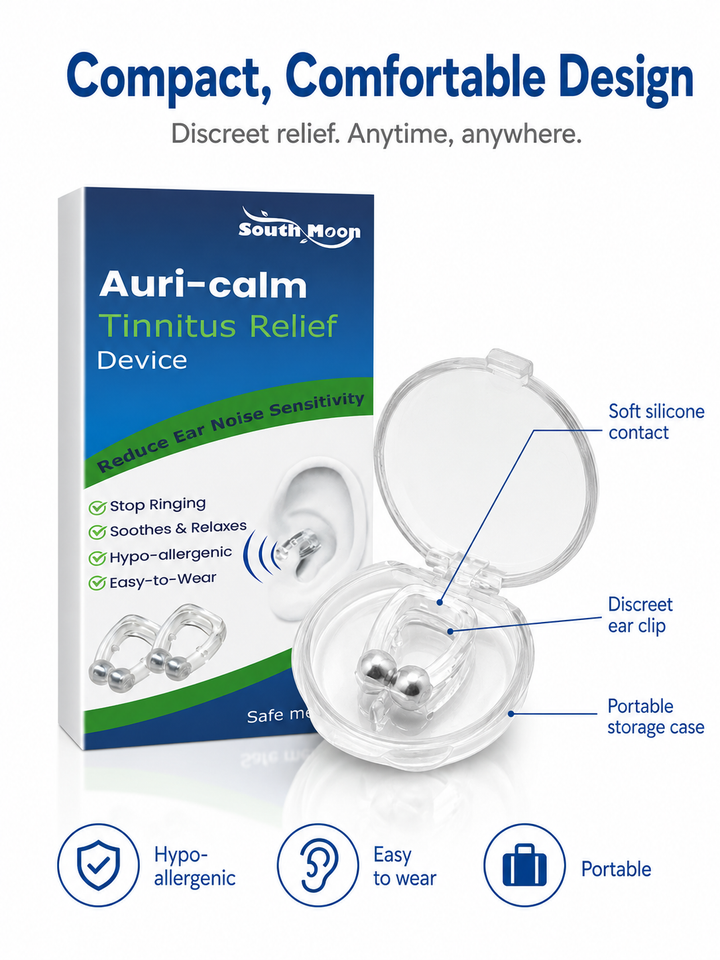
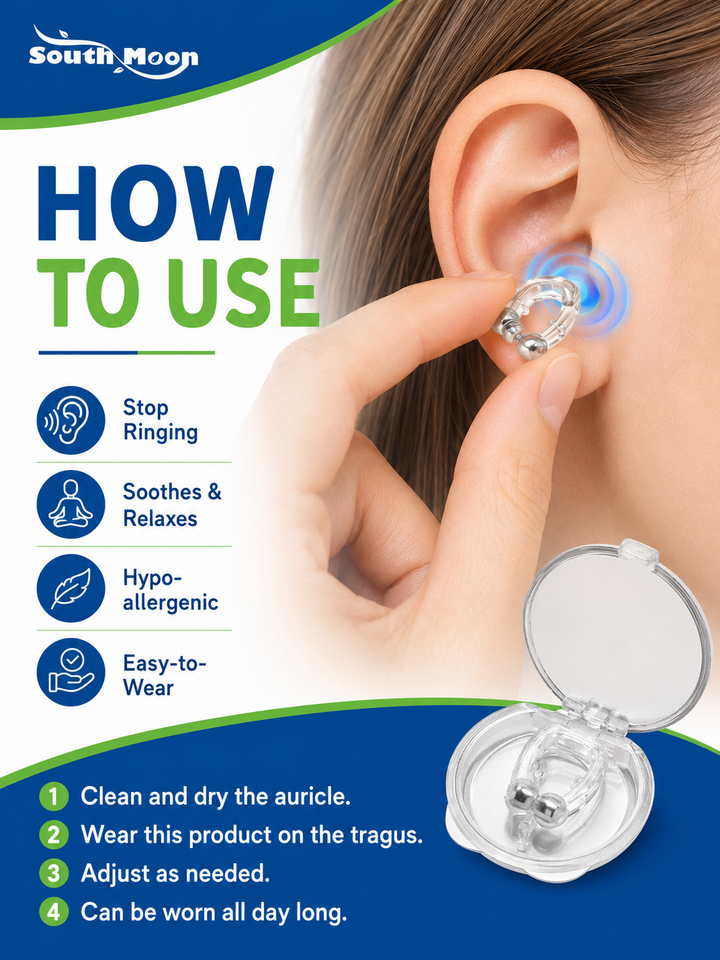

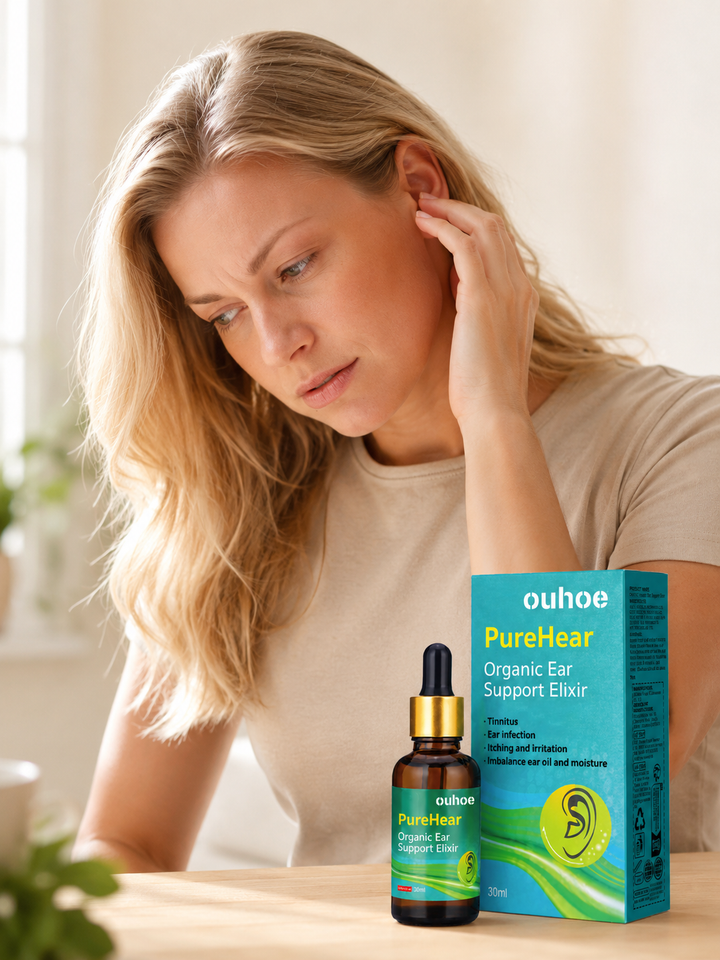
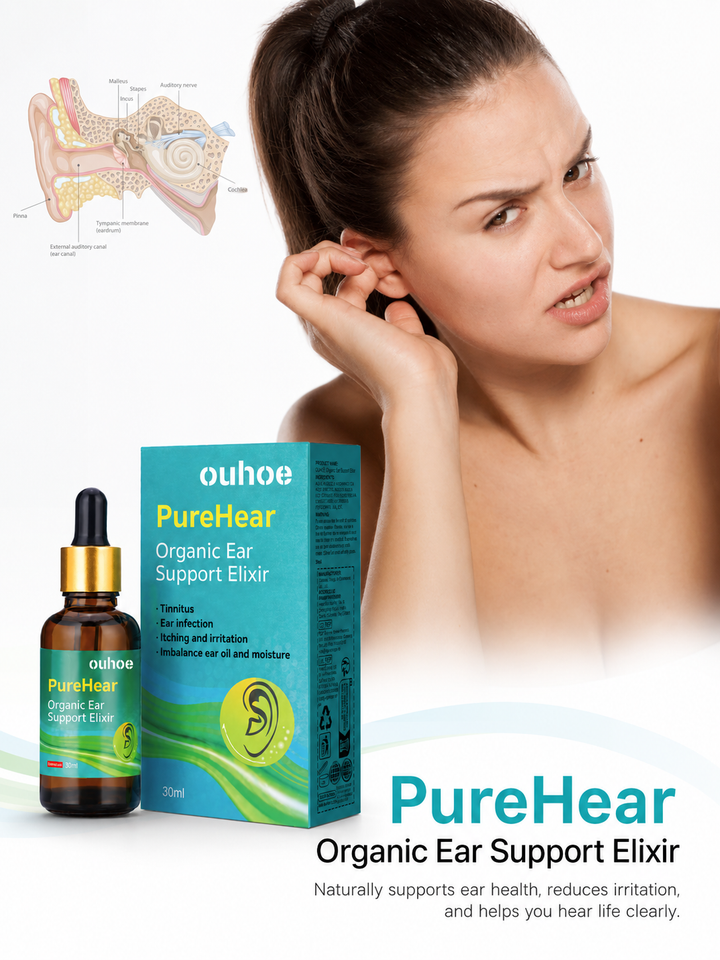
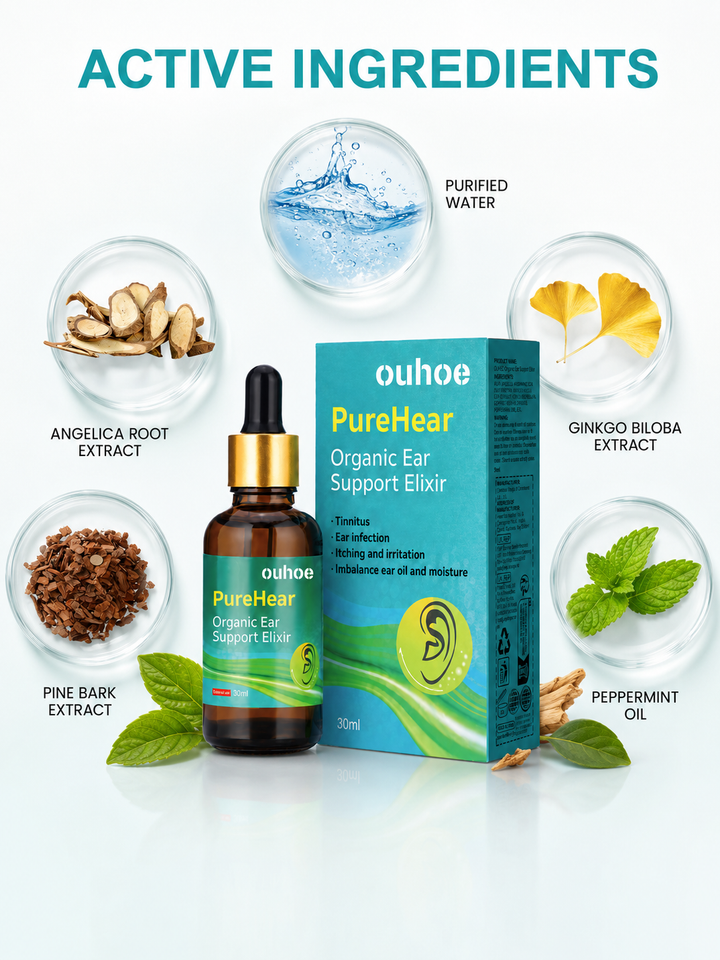

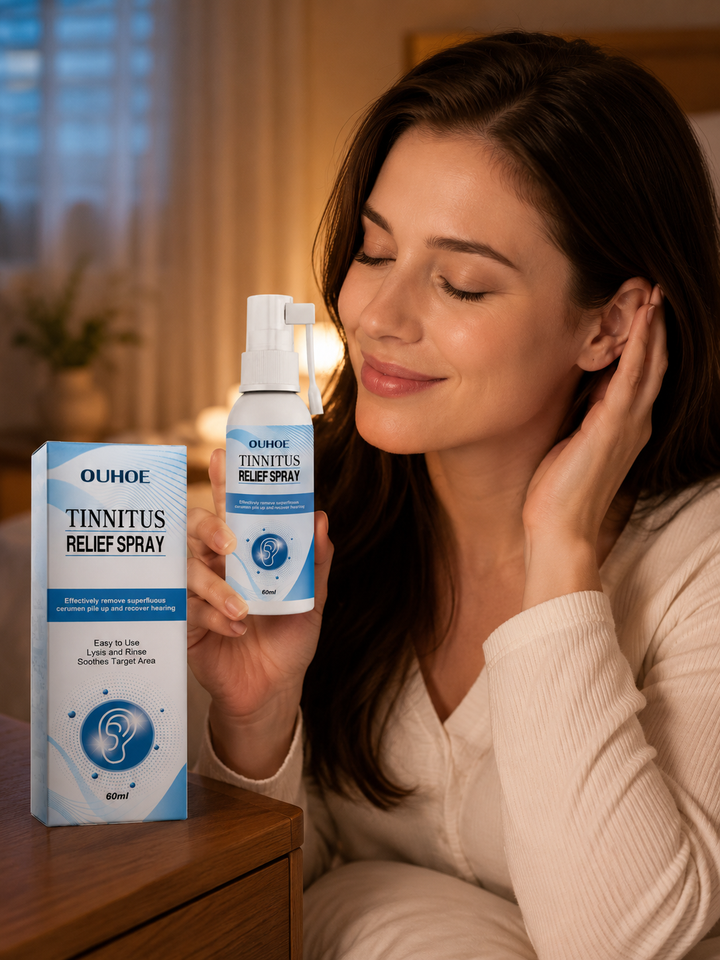
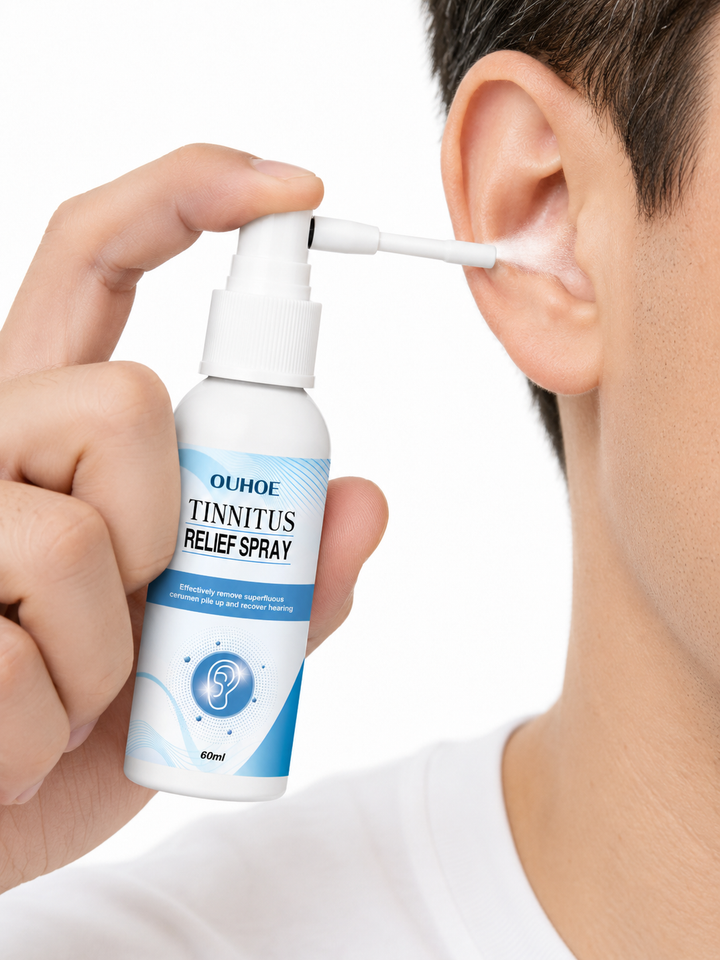
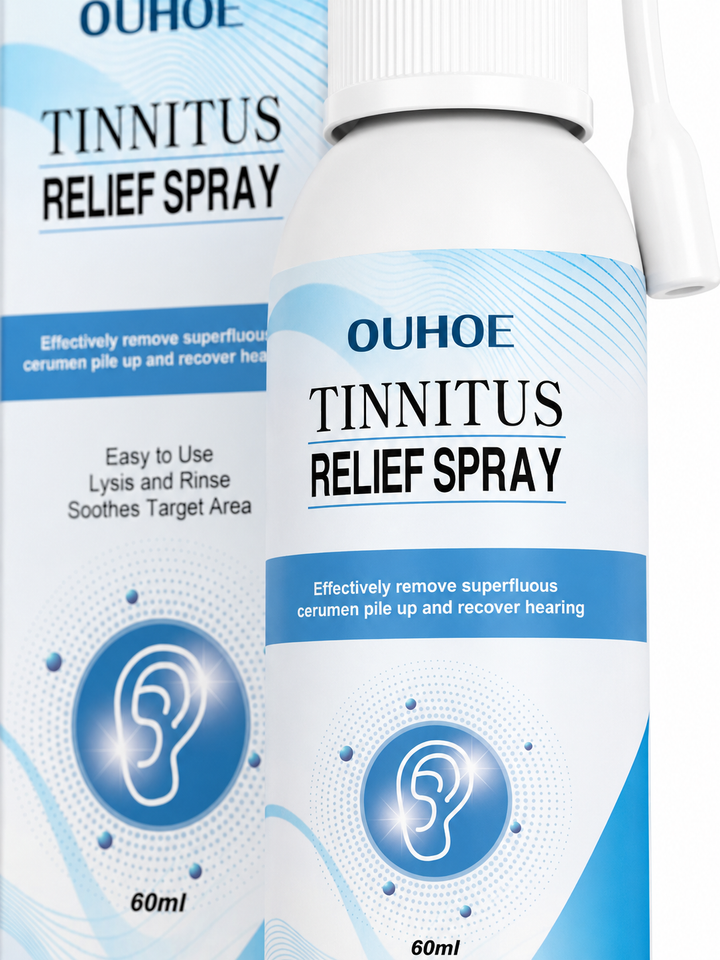


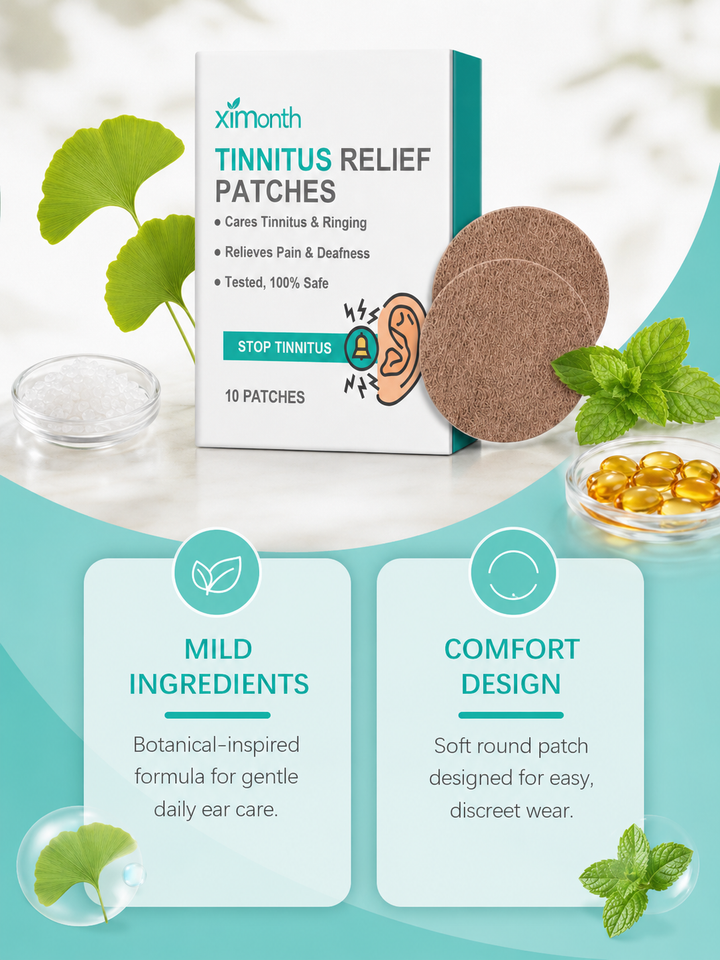


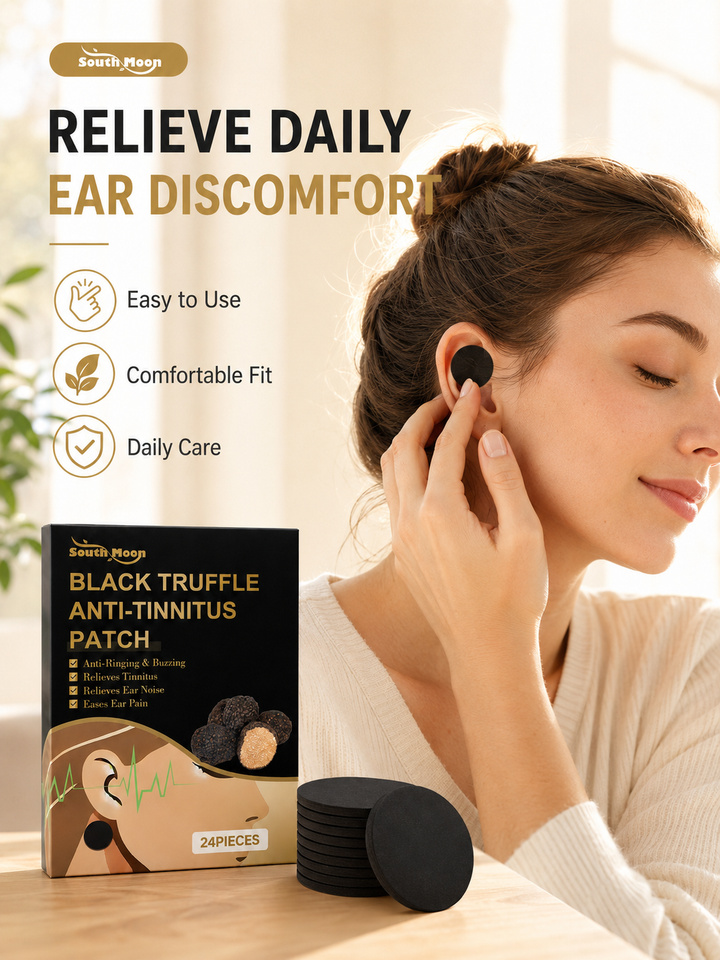
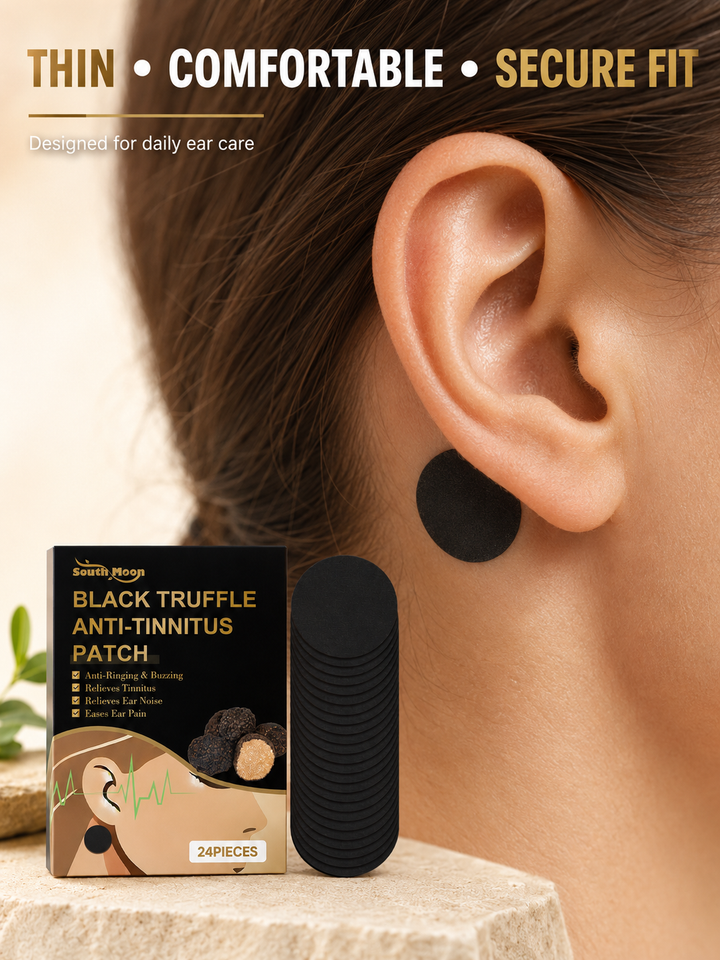





Find practical ear care products for everyday comfort, gentle cleansing, nighttime noise reduction and relaxing wellness routines. This range includes ear care drops, ear pads, earplugs, ear candles and discreet patches, with options suited to different personal preferences and routines.
How to choose ear care products
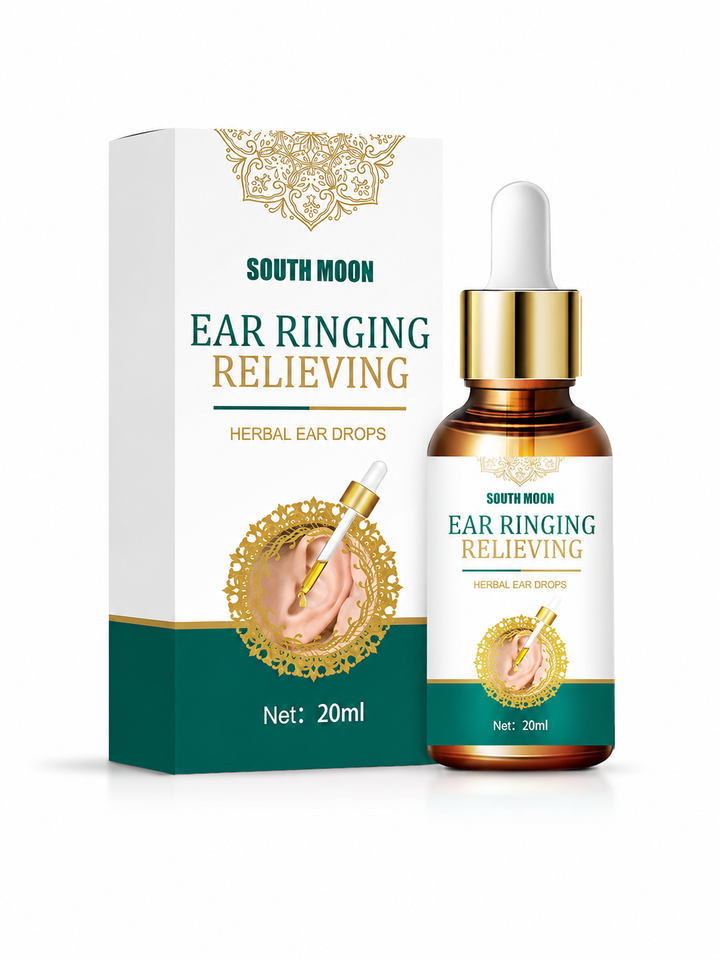
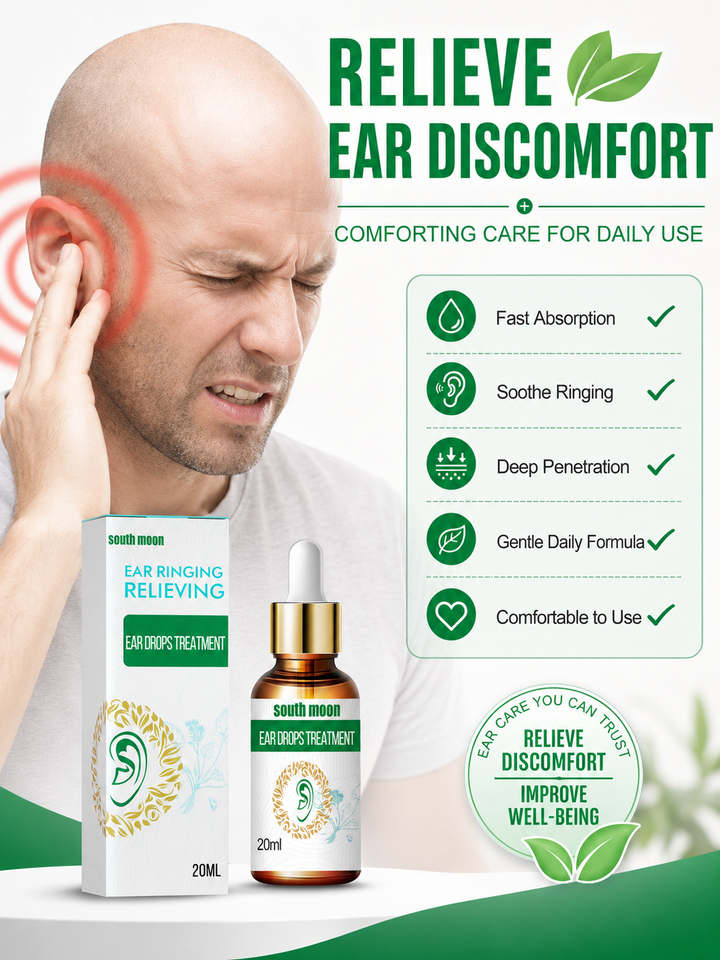
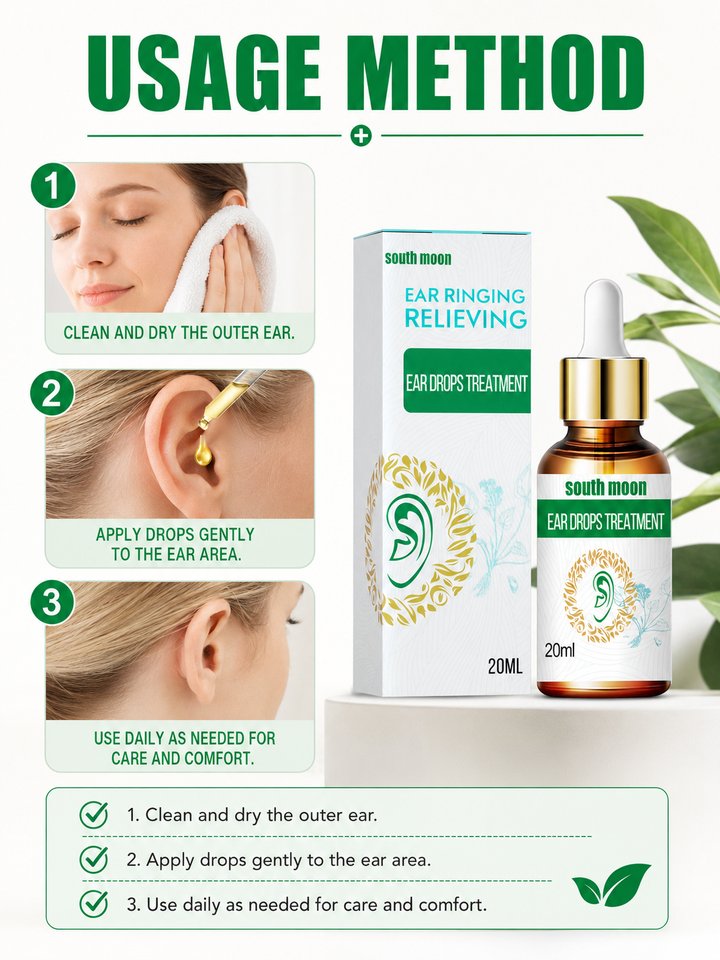
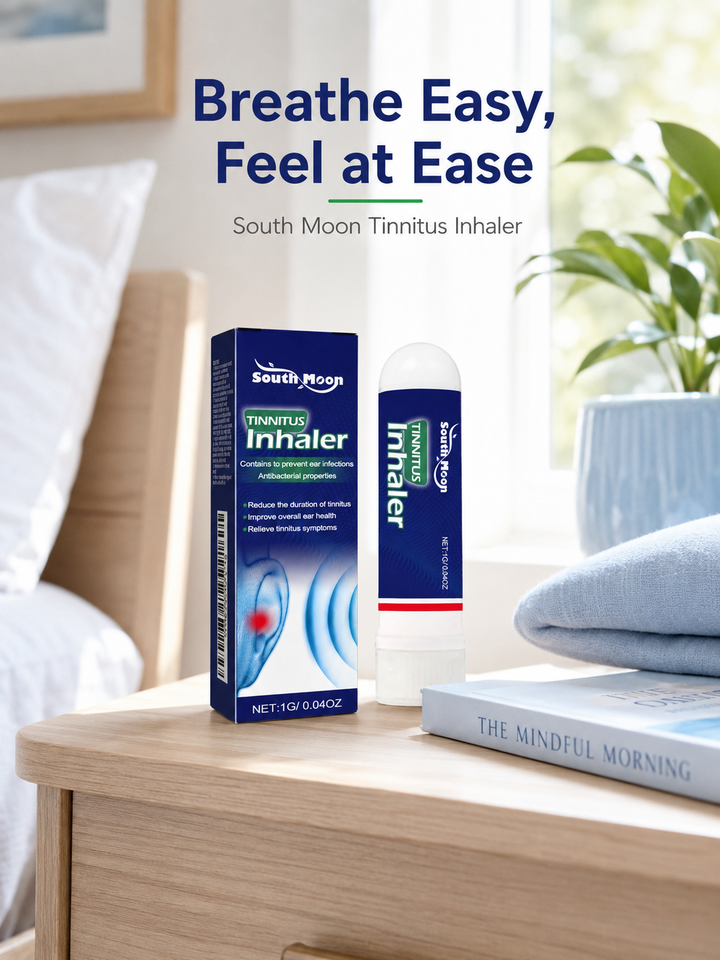
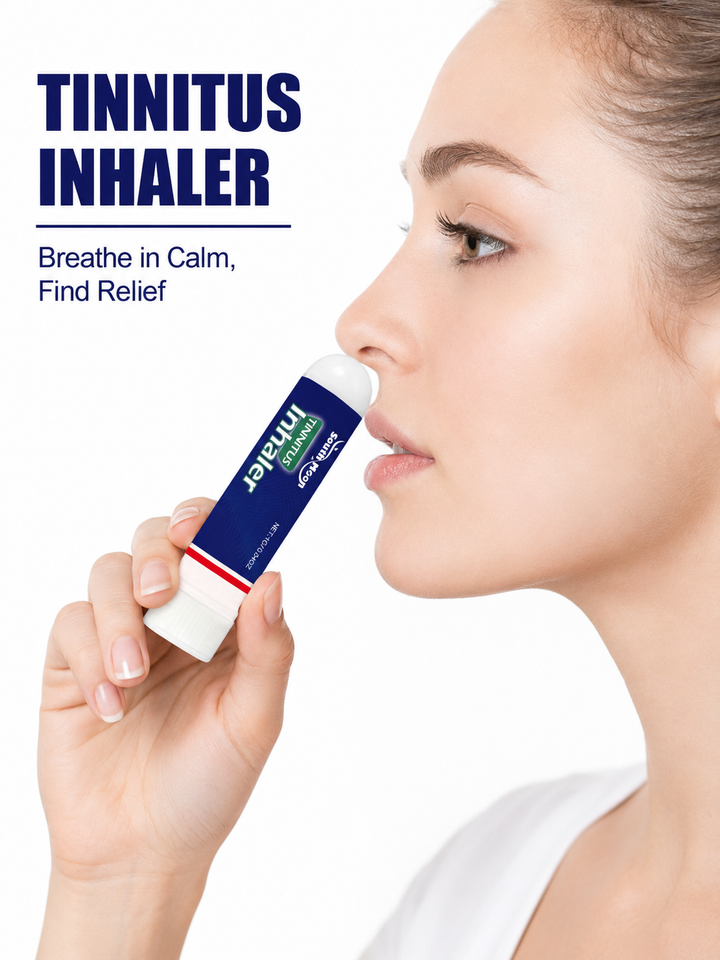
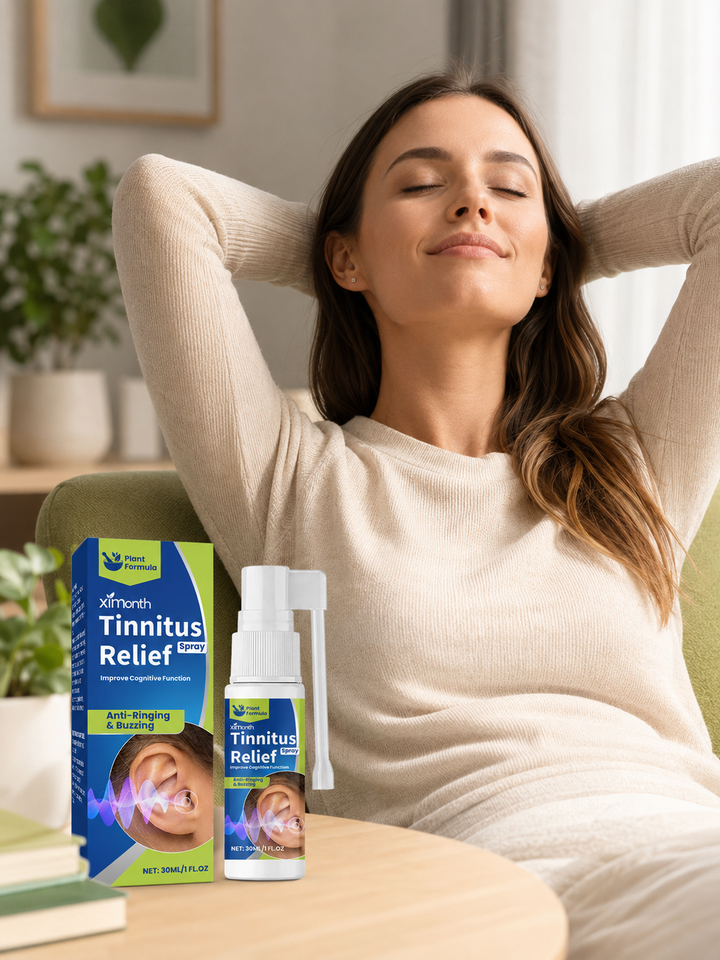
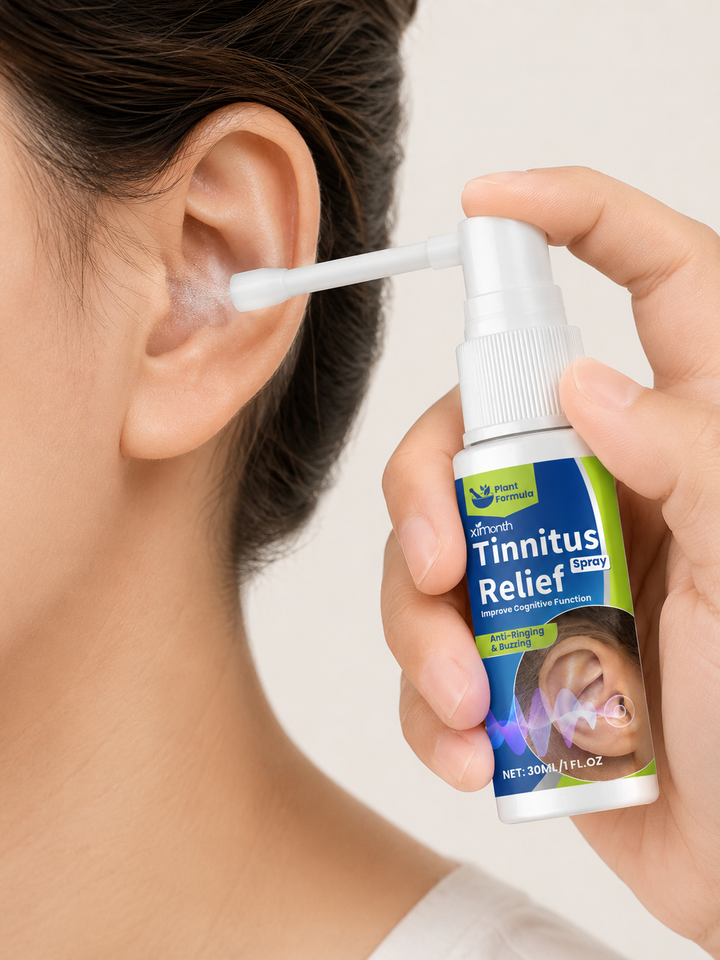
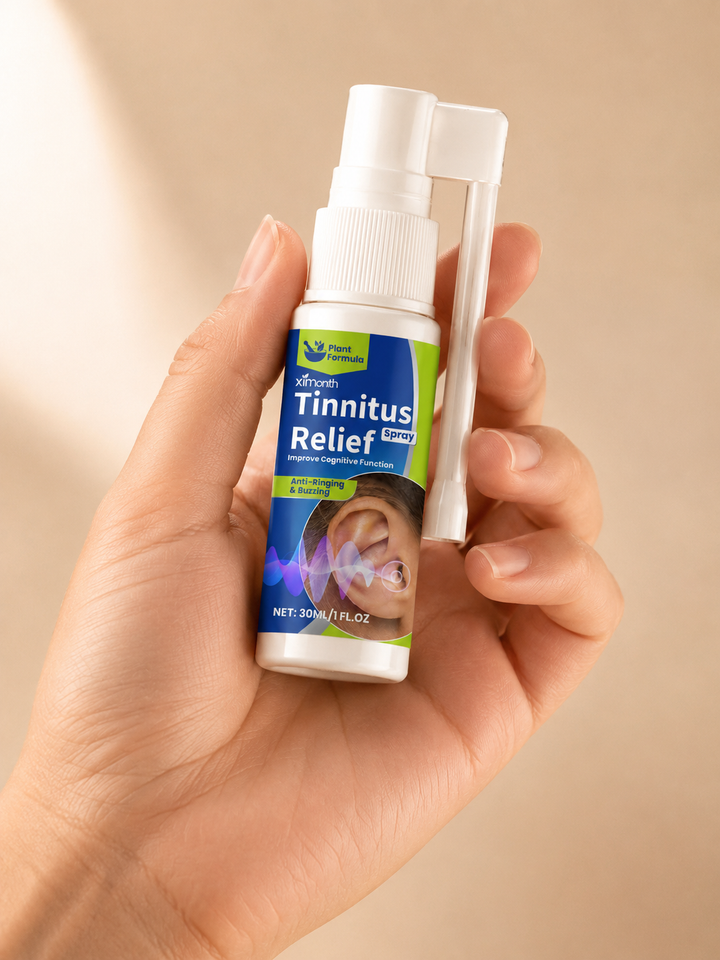
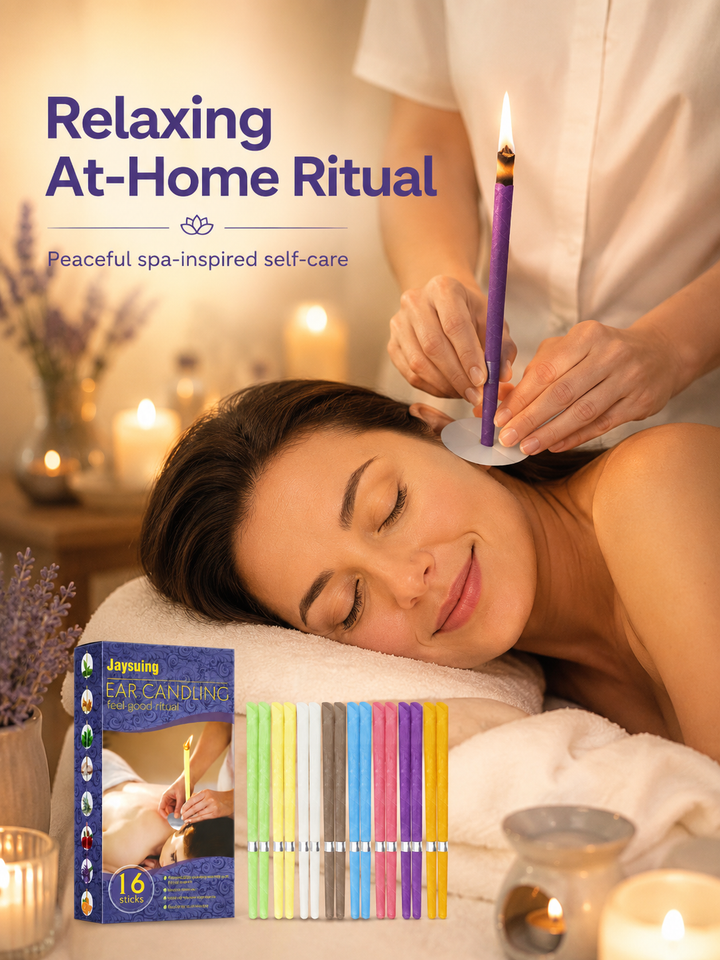
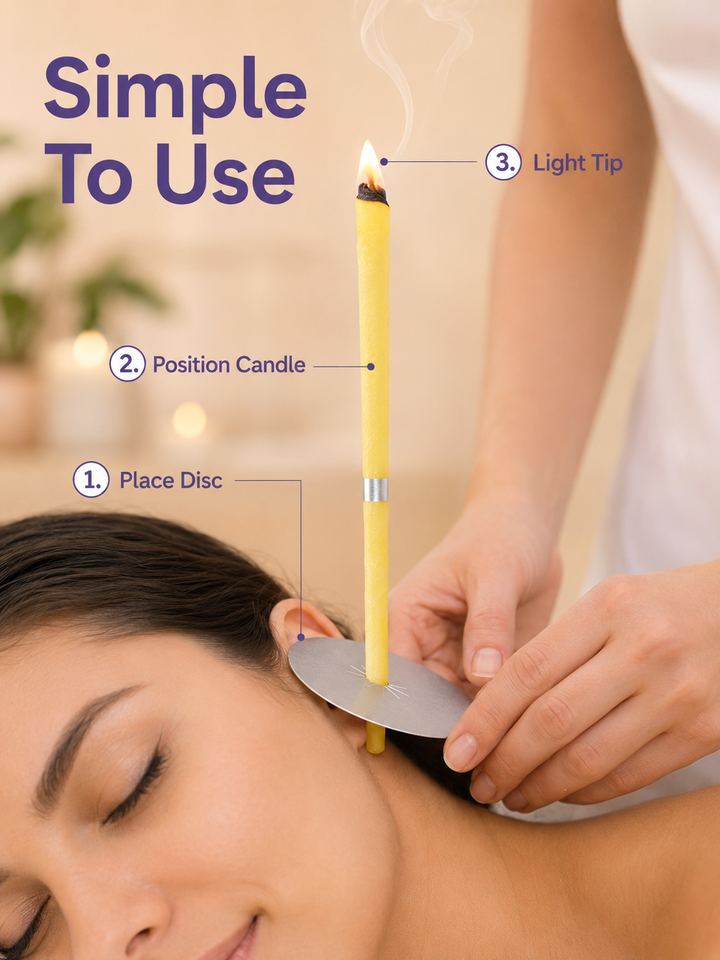
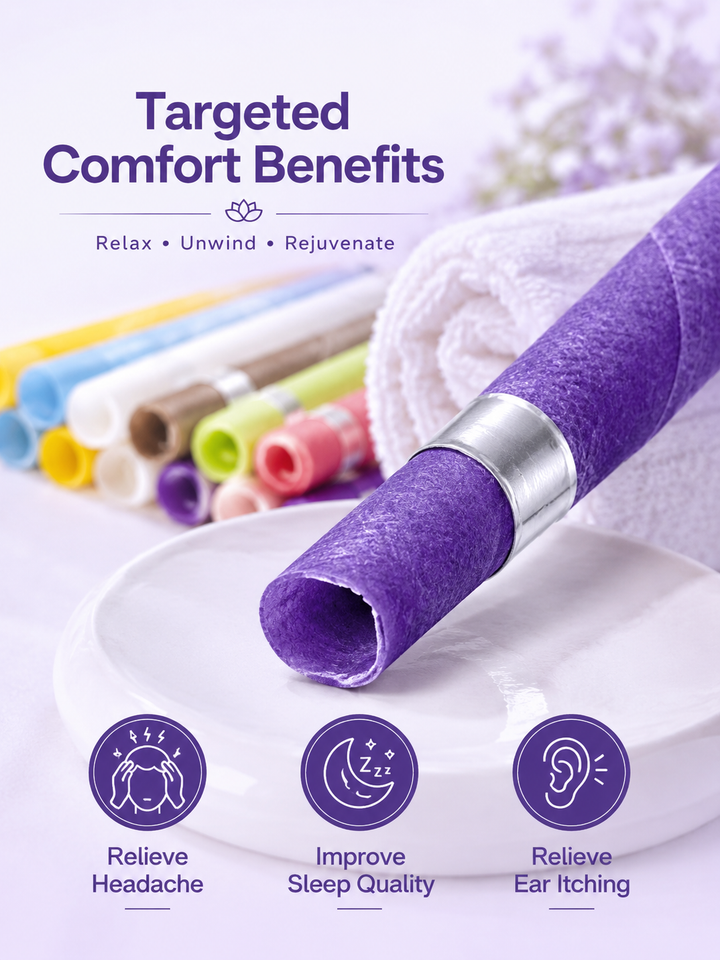
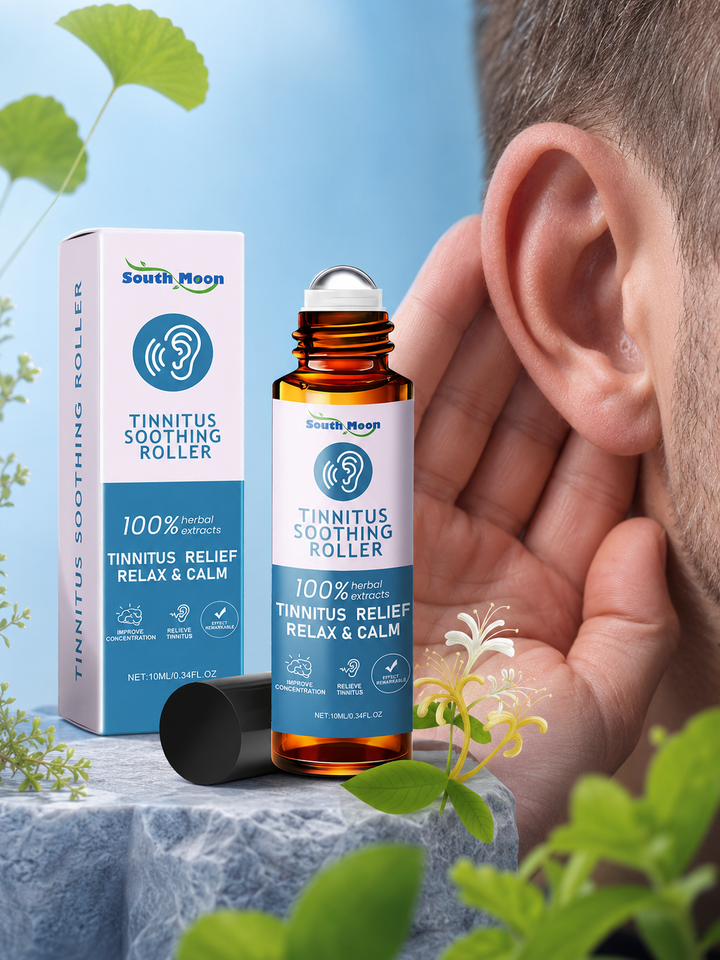
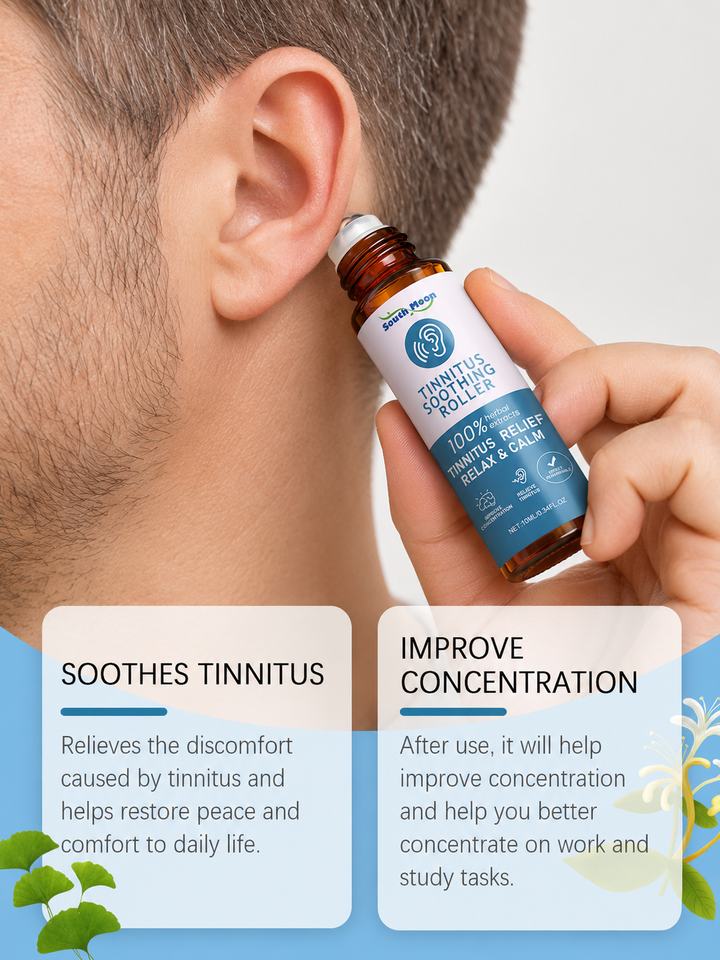
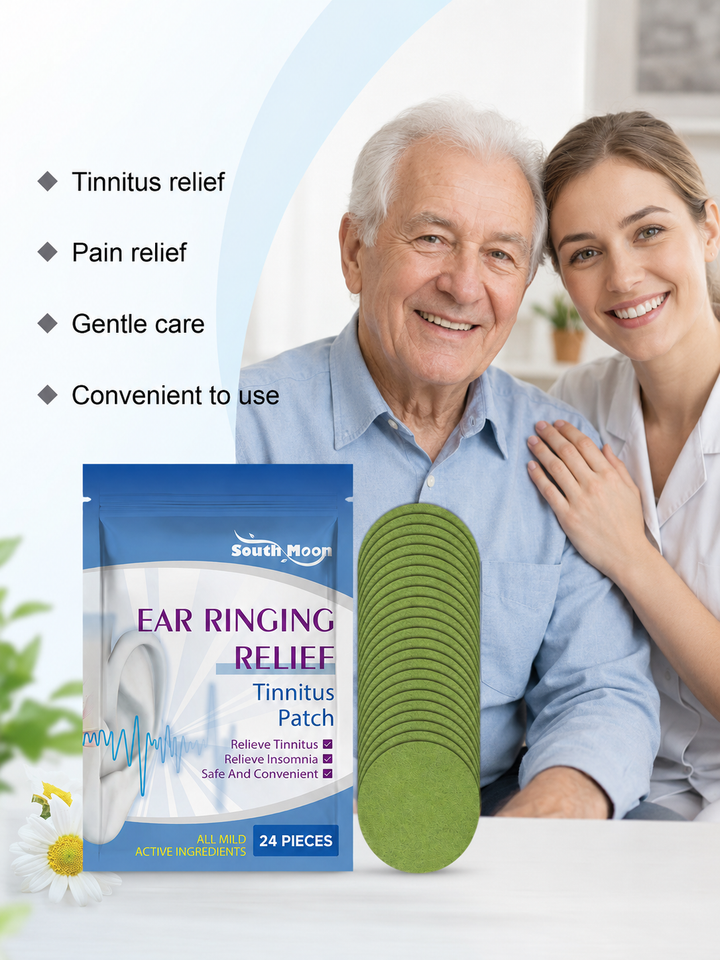
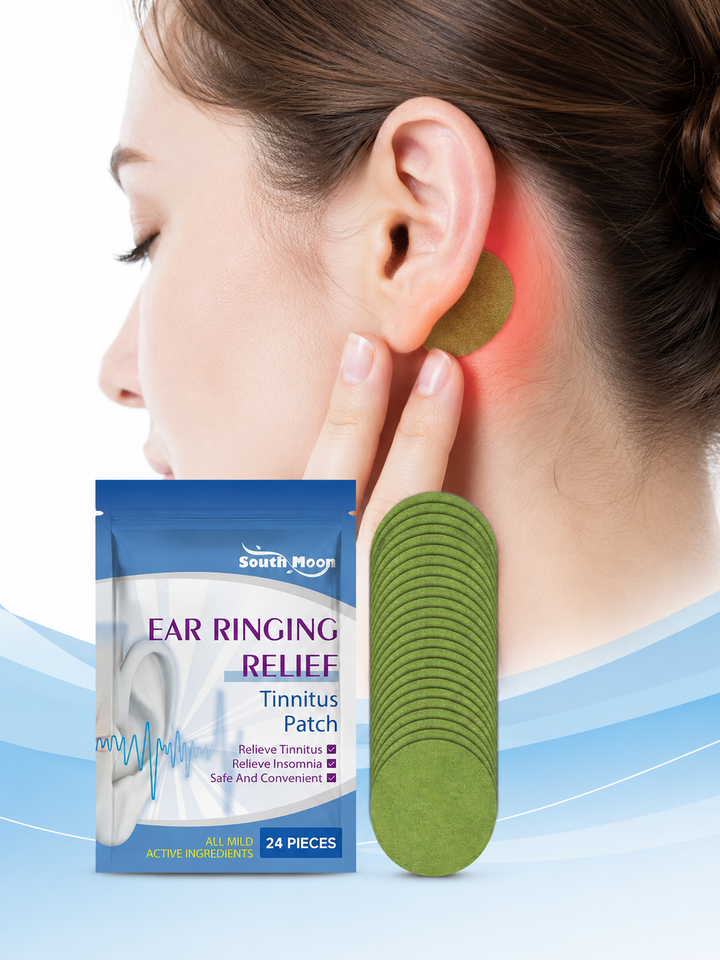
Start by identifying what you want from your ear care routine. For gentle daily cleansing, compare the Ear Care Drops for Gentle Daily Cleansing & Comfort with the Herbal Ear Drops for Gentle Daily Earwax Cleansing. If nighttime sound is your priority, Black Truffle Ear Pads are designed for comfort at rest, while Small Earplugs offer compact noise reduction. Shoppers looking for a non-drop wellness routine may prefer an ear candle set, but candles should be used only according to the instructions and never as a treatment for pain, infection or blocked ears. For ringing-related routines, the Ear Drops for Ear Ringing Relief and Tinnitus Relief Patches offer different application styles. Choose based on comfort, format, frequency of use and the product directions.
Ear care drops, ear candles and earplugs compared
Ear care drops are liquid products intended for use around an ear-cleaning or comfort routine; check the label carefully for directions and unsuitable situations. Ear candles are a wellness ritual rather than a substitute for professional assessment, and they require careful handling around heat, hair and skin. Earplugs are physical accessories for reducing surrounding noise, while ear pads provide a softer nighttime comfort option without inserting a plug into the ear canal. Patches are a discreet, external format for a daily ear-care routine. These products are not interchangeable: a product for comfort or cleansing should not be treated as a solution for discharge, severe pain, sudden hearing changes or suspected infection. Compare application method, handling, fit and the type of routine you prefer.
What to look for in ear care products
Look for clear instructions, a stated intended use and an application method you can follow comfortably. With drops, check the bottle size, directions, storage guidance and whether the product is intended for daily cleansing or a specific comfort routine. With earplugs, consider size, shape, softness and whether they remain comfortable during rest. Ear pads should feel secure without creating pressure against the ear. For candles, review the safety instructions before purchase and make sure you can use them with another adult present; avoid products or routines that involve placing objects into the ear canal. Keep packaging available so you can check ingredients, warnings and use-by information. If you have tubes, a perforated eardrum, ear surgery history or unexplained symptoms, ask a healthcare professional before using drops or inserting anything.
How to use ear care drops and earplugs safely
Use ear drops exactly as directed on the product packaging, including the stated amount, frequency and storage instructions. Do not share bottles, touch the dropper tip to the ear or continue if irritation develops. Do not insert cotton swabs, fingers or other objects into the ear canal to remove wax. For earplugs, use clean hands, insert only as directed and stop if you feel pain, pressure, dizziness or worsening hearing. Small Earplugs may suit shoppers seeking a compact fit, while ear pads can be preferable for people who do not want an inserted accessory at rest. Ear candles should never be left unattended and should not be used near children, bedding or flammable materials. Seek prompt medical advice for significant pain, discharge, injury or sudden hearing changes.
Common ear care mistakes to avoid
A common mistake is trying to dry up ear fluid quickly without finding out why it is present. Fluid, odor, itching, pain or reduced hearing can have different causes, so avoid using drops, candles or household liquids as a substitute for assessment. Another mistake is using ear candles to remove wax; heat and wax residue can create additional problems, and candles should be treated only as an optional wellness ritual if the instructions permit their use. Avoid inserting cotton swabs or tight objects into the ear canal, wearing unclean earplugs and sharing personal ear-care items. Do not use a product beyond its directions or keep using it when symptoms worsen. If an ear problem follows swimming, an injury, a piercing or recent surgery, ask a healthcare professional for suitable next steps.
Who these ear care products suit
This category can suit adults building a simple ear-care routine at home, people seeking nighttime comfort, and shoppers comparing ear care products in locations such as Merritt Island, Suntree or Melbourne, FL. Drops may appeal to those who prefer a liquid format for gentle cleansing, while earplugs and ear pads suit different approaches to rest and noise reduction. Ear candles may appeal to shoppers who enjoy a relaxing wellness ritual, provided they understand the handling risks and do not use them to address symptoms. These products are not automatically suitable for children, people with ear tubes or a perforated eardrum, or anyone with unexplained discharge, pronounced pain or sudden hearing changes. Check the product directions and seek professional advice when personal medical history or current symptoms could affect safe use.
Frequently asked questions
How to treat an ear infection at home?
Do not rely on ear candles, earwax products or general ear care drops to treat a suspected infection. Keep the ear dry, avoid inserting objects and arrange advice from a healthcare professional, especially if there is pain, fever, discharge, swelling or reduced hearing.
What are some common ear problems?
Common concerns include earwax buildup, temporary pressure, irritation, ringing, noise sensitivity and outer-ear discomfort. Ear pain or discharge can have several causes, so persistent, severe or worsening symptoms should be assessed rather than managed only with an at-home product.
What causes mucus buildup in the ear?
A blocked or full sensation may be related to congestion, pressure changes or fluid behind the eardrum, but the cause cannot be confirmed from a product description alone. Avoid trying to remove deep fluid with cotton swabs or drops unless a healthcare professional or the product instructions specifically support their use.
I have clear fluid leaking from my ear, but no pain and it smells bad. What could be causing this?
Clear, foul-smelling drainage is not something to diagnose or mask with ear candles or routine cleansing products. Contact a healthcare professional for advice, and seek urgent care if the drainage follows a head injury or occurs with dizziness, weakness, severe headache, fever or hearing changes.
What dries up ear fluid fast?
There is no single safe drying method for unexplained ear fluid because the cause matters. Keep the outer ear dry, do not insert tissue, cotton swabs or drops into the canal unless directed, and obtain medical advice if fluid continues, smells unusual or is accompanied by other symptoms.
What is a pillow ear?
“Pillow ear” is an informal term often used for tenderness or pressure around the outer ear after sleeping on it. A softer pillow position or Black Truffle Ear Pads may improve comfort for some shoppers, but persistent soreness, skin changes, swelling or drainage should be checked by a healthcare professional.
Browse related: Shop all Baby Oral Care - Infant & Newborn Toothbrushes · explore baby nail care - gentle fingernail trimmers for infants.