Skip to content

Dent Repair Tools & Car Dent Pullers for Paintless Repairs

5 products

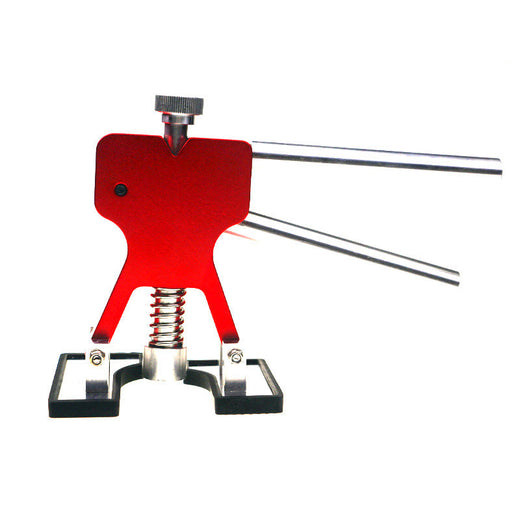
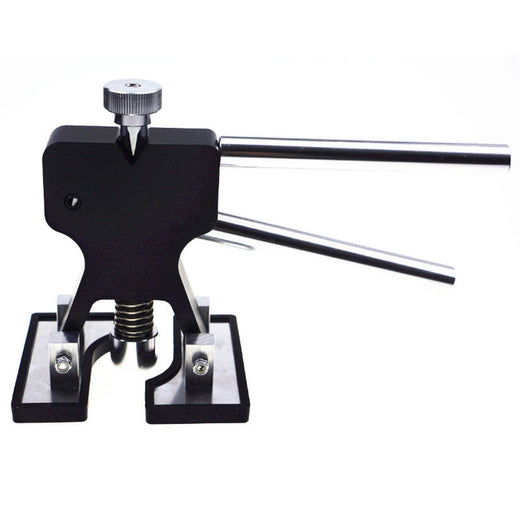
Dent repair tools help you address suitable dings, hail marks, and shallow body-panel damage without repainting the vehicle. This category includes pullers, glue-tab kits, and paintless dent repair sets for DIY users working on cars and vans.

How to choose the right dent repair tools

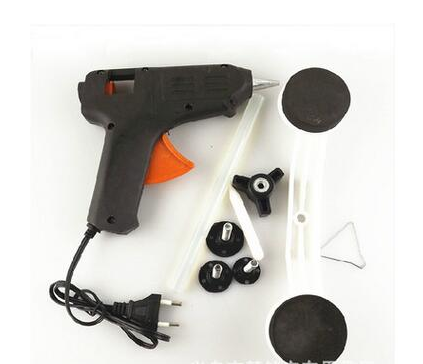
Start by assessing the dent rather than choosing by kit size alone. Paintless dent repair tools work best on shallow dents where the paint is intact, the metal is not sharply creased, and the panel can flex back into shape. A car dent puller tool is useful for accessible areas and simple pulls, while a glue-tab kit can help when you cannot reach behind the panel. Check whether the kit includes tabs, a pulling bridge, slide hammer, glue gun, lifter, or finishing tools. For occasional home repairs, a DIY paintless dent repair kit may be enough. Professional paintless dent repair tools offer more adjustment and control, but they require practice. Avoid using a faucet repair kit for automotive work; it is a separate household tool set.

What types of automotive dent repair tools are there

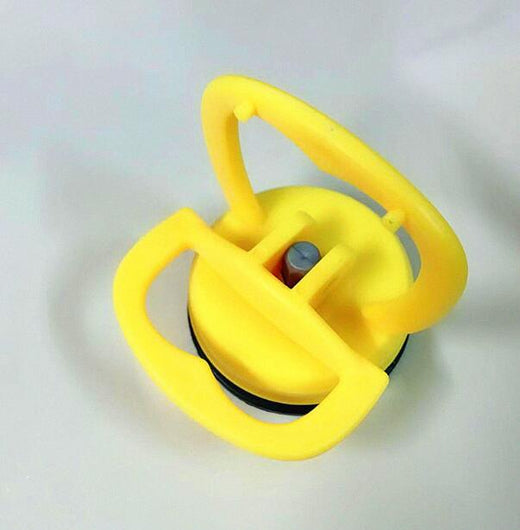
The main types are suction pullers, glue-pull systems, slide hammers, and leverage tools. Suction cup dent pullers create a temporary grip on smooth, clean surfaces and are most suitable for broad, shallow dents. Glue tabs attach to the panel and connect to a bridge or puller, making them useful where the rear of the panel is difficult to access. Slide hammers provide a sharper pulling action, but they can over-pull thin metal if used aggressively. Paintless dent repair kits often combine several methods, such as multiple tabs and a hand puller, so you can match the tool to the dent. Compare the included accessories, tab shapes, handle comfort, and adjustment range before buying.

What to look for in the best dent repair tools

Look for a kit that matches your planned repair and includes tools you can use safely and accurately. Strong, stable handles matter when pulling a dent, while adjustable bridges help distribute force across the panel. A selection of glue tabs is valuable because round, oval, and elongated dents need different contact shapes. For glue-pull kits, check that the kit includes compatible adhesive and a way to remove residue without damaging the finish. Smooth, clean contact surfaces are essential for suction tools. If you are comparing professional dent repair tools with basic home kits, consider repair access, control, replacement parts, and storage. Product photos and specifications should clearly identify whether the kit is intended for cars and vans, rather than general household repairs.

How to use paintless dent repair tools at home

Clean and dry the panel before starting, then inspect the dent from several angles in good lighting. If using a suction cup, place it over the deepest practical area and pull gradually instead of jerking. With a glue-tab system, select a tab that fits the dent, apply adhesive as directed, center the tab, and allow the bond to set before pulling. Use short, controlled pulls and check the panel after each adjustment. Do not keep increasing force when the metal stops moving. Remove the tab and adhesive according to the kit instructions, then inspect for high spots or remaining lows. How to use paintless dent repair tools depends on the kit design, so read the included instructions before working on a visible panel.

What dents cannot be removed with PDR tools

Paintless dent repair tools are not a universal solution. Deep creases, stretched metal, sharp impact points, holes, torn edges, and dents with cracked or missing paint may need conventional body repair and refinishing. Damage close to a panel edge, body line, reinforcement, sensor, or complicated double-wall area can also be difficult to access or control. Rust beneath damaged paint is another warning sign. A dent may improve without becoming completely invisible, especially if the panel has been sharply folded. Before using a car dent remover tool, inspect the paint and the shape of the damage. If you are unsure, start with a less visible area or seek an assessment from a qualified body-repair professional.

Who should buy DIY and professional paintless dent repair tools

DIY dent repair tools suit vehicle owners handling small, shallow dings, minor parking damage, or simple hail marks with intact paint. They can also be useful for hobbyists who want a selection of tabs and pulling methods for occasional projects. Professional paintless dent repair tools are better suited to technicians, restorers, and experienced users who need repeatable control across different panel shapes. Beginners should choose a straightforward kit with clear instructions rather than the largest assortment available. Search results for dent repair tools near me may lead to local repair services, but buying a kit makes sense when you want to learn and handle suitable repairs yourself. Always set realistic expectations: the goal is controlled panel improvement, not forceful removal of every dent.

Frequently asked questions

What is the best dent removal tool?

The best tool depends on the dent and your access to the panel. A suction puller can suit broad, shallow dents, while a glue-tab kit offers more flexibility when you cannot reach behind the metal. For varied DIY jobs, a paintless dent repair kit with several tabs and a controlled puller is usually more versatile.

Do dent repair tools work?

They can work on suitable shallow dents where the paint is intact and the metal has not been sharply creased. Results depend on the dent's location, depth, panel shape, and the user's technique. They are not reliable for torn paint, severe creases, holes, or badly stretched metal.

Can I fix dents myself with PDR tools?

You can attempt suitable small dents yourself with a DIY PDR kit, especially when the panel is accessible and the damage is shallow. Work slowly, follow the instructions, and use controlled pulls rather than excessive force. Practice on an inconspicuous area if you are new to paintless dent repair.

What is the best car dent remover tool?

There is no single best car dent remover for every repair. Choose a suction tool for smooth, shallow dents and a glue-pull kit for dents where rear access is limited. A kit with multiple tab shapes and an adjustable puller gives you more options than a single-purpose tool.

Do suction cup dent pullers actually work?

Suction cup pullers can work when the surface is smooth, clean, and broad enough for the cup to seal. They are less effective on sharp creases, textured surfaces, edges, and deep dents. Pull gently and stop if the panel does not respond rather than applying more force.

What dents cannot be removed?

Dents with cracked or missing paint, holes, sharp folds, torn metal, or severe stretching may not be suitable for paintless repair. Damage beside an edge, reinforcement, or complex body line can also be difficult to correct with hand tools. These cases may require conventional bodywork and refinishing.