
$64.90
Free delivery · 7–14 days
Windshield Crack Repair Kit for Clearer, Safer Driving


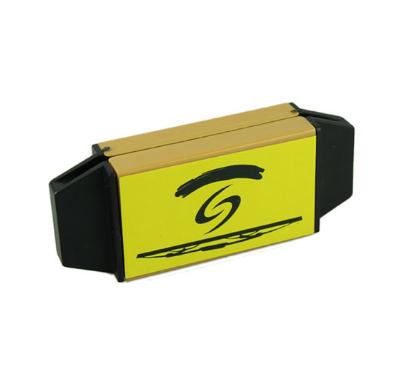
Wiper repair tools and blade replacement kits help you address common visibility problems, from worn rubber and streaking to damaged windshield glass. Choose a product based on whether you need to restore a blade, replace a blade assembly, or repair a small windshield crack; a faucet repair kit is not intended for automotive use.
Start by identifying the problem. If the wiper moves normally but leaves streaks, skips, or makes noise, a wiper blade restorer may be suitable for cleaning and refreshing the blade edge. If the rubber is split, hardened, or missing sections, replacing the blade or the complete wiper assembly is usually the more practical option. If the visible damage is in the glass rather than the blade, choose a windshield crack repair kit and check that the damage matches the kit’s instructions. Confirm the product’s fit, included parts, and application steps before buying. Do not select the universal faucet repair kit for windshield or wiper work; its wrench and screwdriver are for plumbing-related repairs.
This category includes several tools for different jobs. Wiper blade restorers are compact maintenance tools designed to work along the rubber wiping edge, helping remove surface buildup and smooth minor edge irregularities. Blade replacement kits or replacement wipers are used when the rubber or frame is too worn to restore. Windshield crack repair kits are intended for certain glass damage and do not repair the wiper itself. They may be useful when a crack or chip is affecting visibility, but the damage must be suitable for the product’s instructions. A faucet repair kit is a separate household tool set and should not be confused with automotive wiper repair tools. Match the kit to the failed component before ordering.
Look for clear compatibility information, especially if you are buying a replacement blade rather than a universal restorer. Check whether the tool is intended for the rubber edge, the blade frame, or windshield glass. A useful kit should explain preparation, cleaning, application, and any limits on the damage it can address. Consider handle shape and control if the tool requires pressure along the blade, and check whether cleaning materials or replacement components are included. For windshield crack products, review the supported crack type, location guidance, and curing or drying directions. Avoid products that suggest one tool can solve every wiper problem. A restorer cannot correct a bent arm, failed motor, loose linkage, or a blade that is physically torn.
Park the vehicle safely, switch the ignition off, and lift the wiper arm only if the vehicle’s instructions allow it. Clean the blade and windshield first so dirt does not scratch the glass or interfere with the tool. Follow the restorer’s direction of travel and use light, even pressure rather than forcing the edge. Wipe away residue and test the blade with washer fluid. For a replacement, compare the new part with the old one, release the existing connector carefully, and confirm that the new blade clicks or locks into place before lowering the arm. Keep the metal arm from snapping onto bare glass. If the wiper still stops, moves unevenly, or fails to contact the windshield, the problem may require mechanical inspection.
A frequent mistake is using WD-40 or another oily product on the wiping edge. Oil can leave a film on the glass and is not a substitute for a wiper-specific restorer or replacement. Other mistakes include using a blade tool on windshield cracks, forcing an incompatible connector, applying excessive pressure, or testing a dry blade on dry glass. Do not ignore a bent wiper arm, damaged linkage, or weak motor simply because the rubber looks worn. When working with a windshield crack kit, clean and prepare the glass exactly as directed and avoid expanding the damage by pressing on it. If the blade remains streaky or the wiper behaves unpredictably after installation, stop using it in poor visibility and investigate the underlying issue.
Most vehicle owners can handle a straightforward blade replacement if they can identify the correct connector and follow the installation instructions. A restorer may suit someone who wants to try maintenance on a blade that is still intact but leaves light streaks or skips. Windshield crack repair is more situation-dependent: the damage must fit the kit’s instructions, and the glass should be clean and accessible. DIY work is less suitable when the wiper arm is bent, the linkage is loose, the motor does not run, or the windshield damage is extensive or in a critical viewing area. Some auto-parts stores offer installation assistance, but availability and fees vary by location, product, and current store policy, so confirm before visiting.
They can help with surface buildup or minor wear when the blade rubber is still intact and the tool is used as directed. They will not fix a torn blade, bent arm, failed motor, loose linkage, or every type of streaking. Replace the blade or seek inspection when restoration does not improve contact with the glass.
Many replacement blades need no separate tools because they use a clip, hook, button, or pin connector. You may want a towel to protect the glass and the vehicle’s instructions to identify the release mechanism. A dedicated blade restorer is not required for replacement, and a faucet wrench set is not an automotive wiper tool.
WD-40 is not a wiper-blade restoration product and can leave an oily film on the windshield. Use a wiper-specific restorer according to its directions, or replace the blade if the rubber is split, hardened, or damaged. Always clean the glass before testing the wipers.
You can usually replace a compatible blade yourself by following the connector and safety instructions. You may also be able to use a blade restorer for minor surface wear. Problems involving the wiper motor, linkage, wiring, or a bent arm are better handled by someone with the appropriate repair skills.
First check that the blade is not frozen to the glass, obstructed, or badly worn, and make sure the washer fluid system is not empty. If the motor does not run, the arm does not move, or the blade moves unevenly, the issue may involve a fuse, switch, motor, linkage, or arm rather than the rubber blade. Avoid operating damaged wipers until the cause is identified.
Installation availability can vary by store, vehicle, product, staffing, and current policy. Contact your local auto-parts store before visiting and ask whether the specific blade can be installed and whether any conditions apply. If you install the blade yourself, verify that the connector is fully locked before lowering the arm onto the glass.