$40.90
Free delivery · 7–14 days
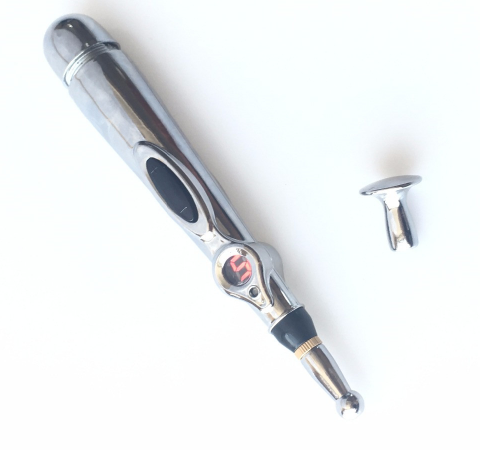
Electric Meridian Massage Pen for Targeted Facial Care


Acupuncture pens are handheld, needle-free devices designed for gentle point stimulation, massage, or facial and body-care routines. This guide compares the options in this category so you can choose a pen based on intended use, controls, comfort, portability, and safety considerations.
Start with the area and routine you have in mind. For general body use, look for an electronic or meridian pen with adjustable intensity, a comfortable tip, and simple controls. A 5-in-1 model may suit shoppers who want several settings in one device, while a portable acupuncture pen is useful for occasional travel or desk-side use. If your priority is facial care, choose a pen specifically described for targeted facial use rather than assuming a body-focused model is interchangeable. Check the product description for included tips, batteries or charging requirements, cleaning instructions, and whether the device is intended for contact with skin. The best acupuncture pen is the one whose controls, accessories, and intended use match your routine—not necessarily the one with the most features.
This category includes several distinct product types. Electric meridian and electronic acupuncture pens use powered stimulation and commonly offer selectable modes or intensity levels for point-focused routines. Acupoint massage pens combine a pointed or rounded applicator with electric operation, so they may appeal to shoppers who want both contact and powered stimulation. Needle-free meridian pens are positioned for users who prefer a non-needle format. A facial-care pen is more specifically aimed at targeted facial routines. The Nail Art Brushes Set is different: its crystal-handle pens are tools for gel and acrylic application, not acupuncture or body wellness. Compare the intended application before purchasing, and read each listing for operating instructions rather than treating all pens as equivalent.
Focus on practical details that affect control and everyday use. Adjustable intensity is useful because comfort can vary by body area and personal sensitivity. A clear power button, mode selection, and visible settings make an electric acupuncture pen easier to operate without guesswork. Consider whether the tip is smooth, replaceable, or removable for cleaning, and check what the package includes. Battery-powered models can be convenient away from an outlet; rechargeable models may reduce the need for spare batteries. A slim body and protective cap help with storage, while a steady grip can make point-by-point use easier. Look for clear guidance on skin contact, charging, and cleaning. Product descriptions may mention acupuncture pen benefits, but treat those statements as intended-use information rather than a substitute for professional health advice.
Read the supplied instructions before switching the device on. Begin with clean, intact skin, select the lowest setting, and test brief contact on a small area. Keep the pen moving or positioned only as the instructions direct; do not press hard, repeatedly treat the same spot, or use it over broken, irritated, infected, or numb skin. Avoid the eyes, front of the throat, and other sensitive areas unless the product instructions specifically address them. Do not use a pen on or near implanted electronic devices, and ask a qualified clinician about any condition, medication, pregnancy, or implanted device that may affect suitability. Stop if you feel sharp pain, burning, dizziness, unusual numbness, or skin irritation. Clean the contact surface after use and store the pen safely.
A frequent mistake is choosing a facial-care or nail-art tool for body use simply because it looks similar to an acupuncture pen. Another is turning the intensity up immediately or assuming stronger stimulation is better. Shoppers also sometimes follow an online acupuncture pen points chart without checking whether the chart is reliable, whether the point is appropriate for self-use, or whether the location is accurate. Avoid using a pen over damaged skin, sharing an unclean contact tip, or operating it while charging unless the instructions permit that. Do not ignore persistent pain or use the device to delay professional assessment. Electric acupuncture pen side effects can include temporary discomfort, redness, tingling, or skin irritation; stop use if symptoms are significant, worsening, or unusual.
These products may suit adults seeking a needle-free, at-home point-stimulation or massage routine and shoppers who prefer portable controls over needles. Suitability depends on the particular device and the user’s health circumstances. Ask a qualified healthcare professional before use if you are pregnant, have a bleeding or clotting condition, reduced sensation, a skin condition, an implanted electronic device, or another medical concern. Children should not use an electronic acupuncture pen without appropriate adult and professional guidance. People who cannot reliably feel or report discomfort may be at greater risk of overuse. If you are asking who should not do acupuncture, remember that an electronic pen is not the same as clinical acupuncture; follow the product directions and seek individualized advice rather than relying on a general points chart.
An acupuncture pen can provide a focused sensation or massage-like stimulation, but results vary by person, device, setting, and intended use. It should not be treated as a guaranteed solution or as a replacement for diagnosis or professional care. Follow the instructions and stop if use causes pain, irritation, or other concerning symptoms.
There is no single universally agreed list that safely applies to every person, device, or situation. Point safety can depend on location, pregnancy, health conditions, and technique, so do not rely on an online list or acupuncture pen points chart for self-treatment. Avoid sensitive areas identified in the product instructions and ask a qualified professional for individualized guidance.
The best choice depends on your intended area and preferred routine. Choose a facial-care model for facial use, an electronic or meridian model for adjustable powered stimulation, and a portable model if storage and travel matter most. Compare intensity controls, tips, power source, cleaning guidance, and the manufacturer’s stated use.
Possible unwanted effects include temporary discomfort, redness, tingling, or skin irritation. Using too much pressure or intensity may increase discomfort, and unsuitable use may create additional risk. Stop using the pen if you experience sharp pain, burning, dizziness, unusual numbness, or worsening symptoms, and seek appropriate advice.
People with certain conditions or circumstances may need professional advice before using acupuncture or an electronic pen, including pregnancy, bleeding or clotting concerns, reduced sensation, skin problems, or implanted electronic devices. Children and anyone unable to reliably report discomfort should not use these products without suitable supervision and guidance. An electronic pen is not a substitute for clinical acupuncture.
Shoppers may value the needle-free format, portable design, adjustable settings, and ability to target a chosen area as part of a personal massage or wellness routine. The experience and results can vary, and product features do not establish a medical benefit. Use the pen only as directed and choose a model suited to your intended application.