
$64.90
Free delivery · 7–14 days
Liquid Band-Aid Spray: Waterproof Wound Protection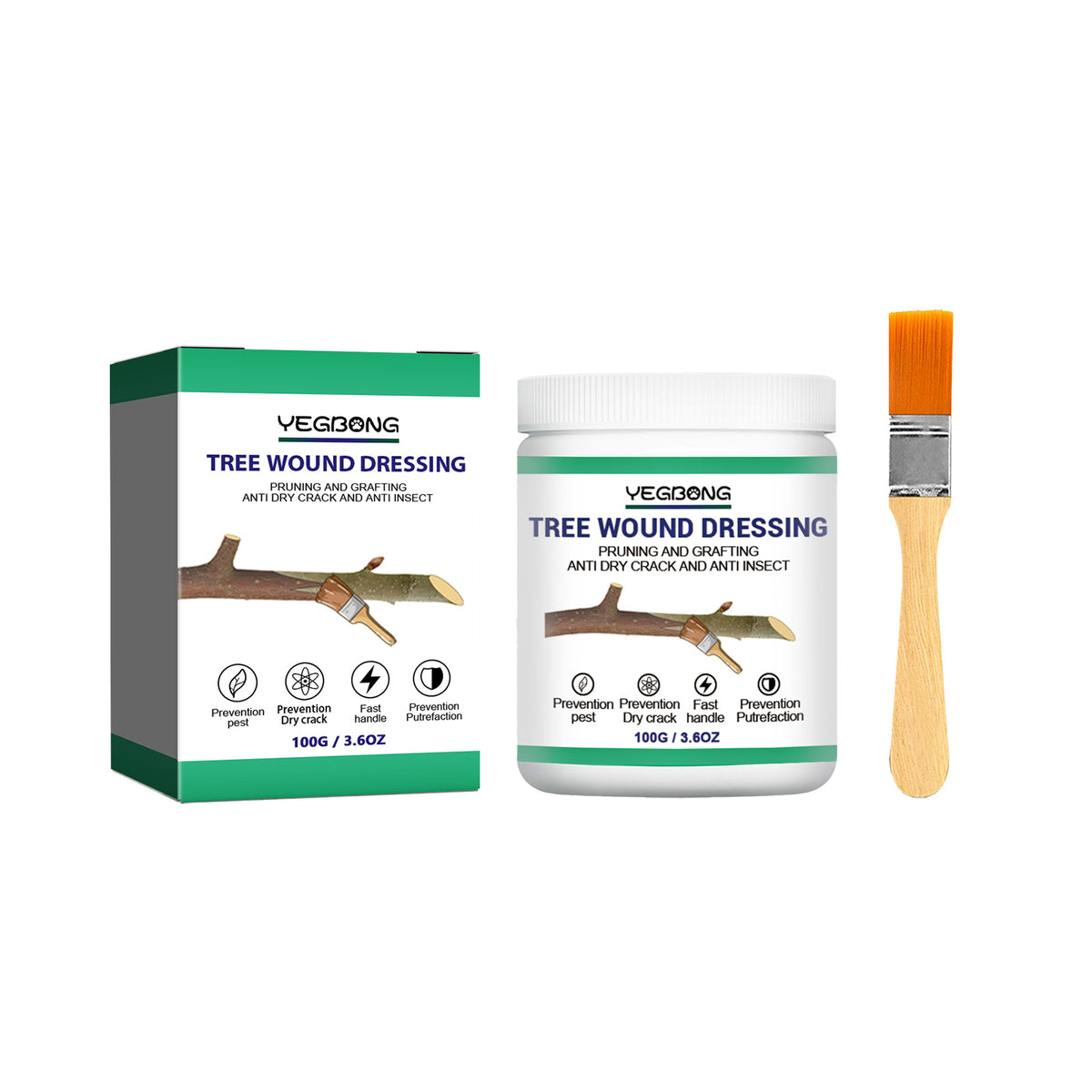
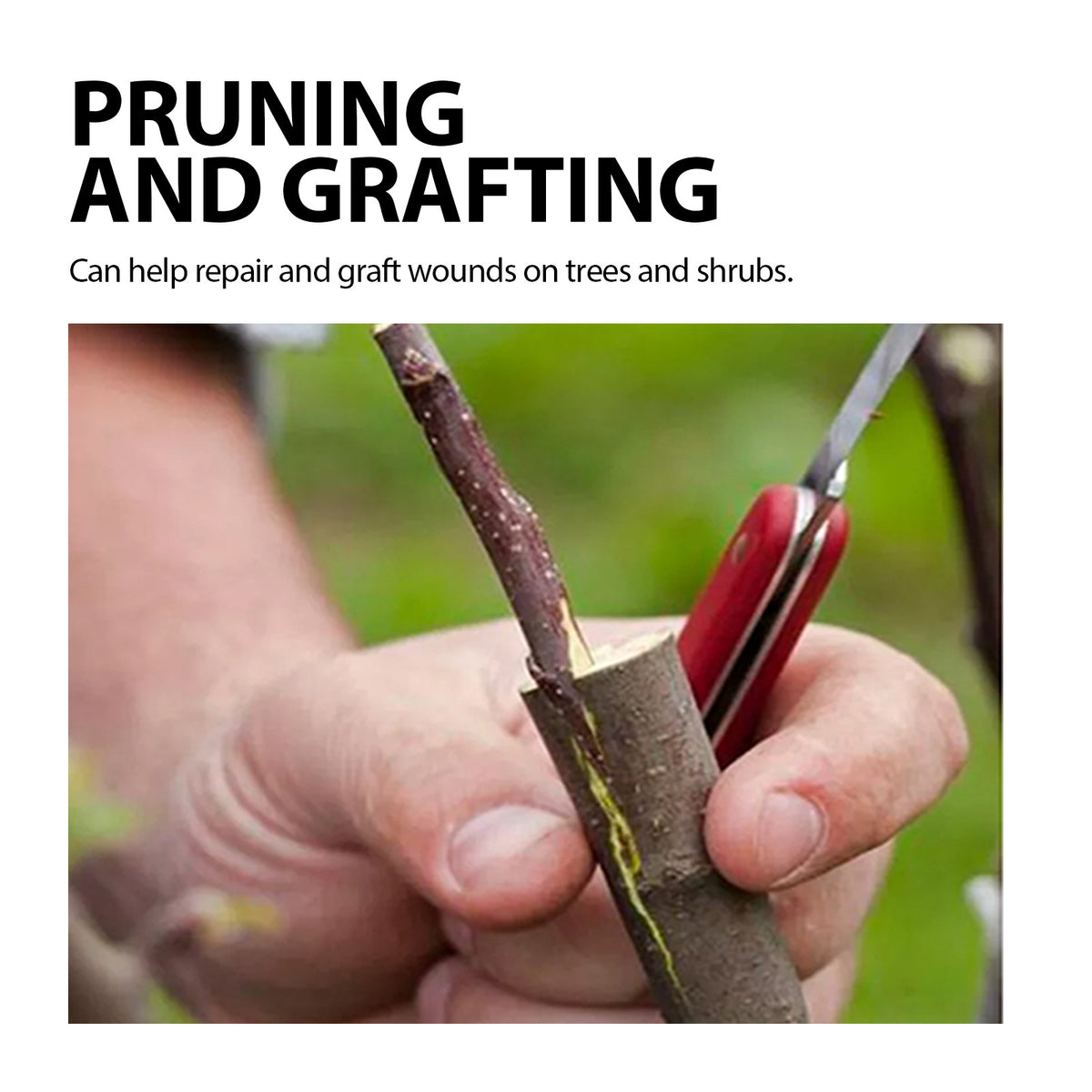
Turn an exposed tree cut into a smooth protective recovery zone with a few controlled brush strokes. This compact 100G kit is ready for pruning, grafting, branch removal, and damaged bark outdoors.
Read the full descriptionTurn an exposed tree cut into a smooth protective recovery zone with a few controlled brush strokes. This compact 100G kit is ready for pruning, grafting, branch removal, and damaged bark outdoors.
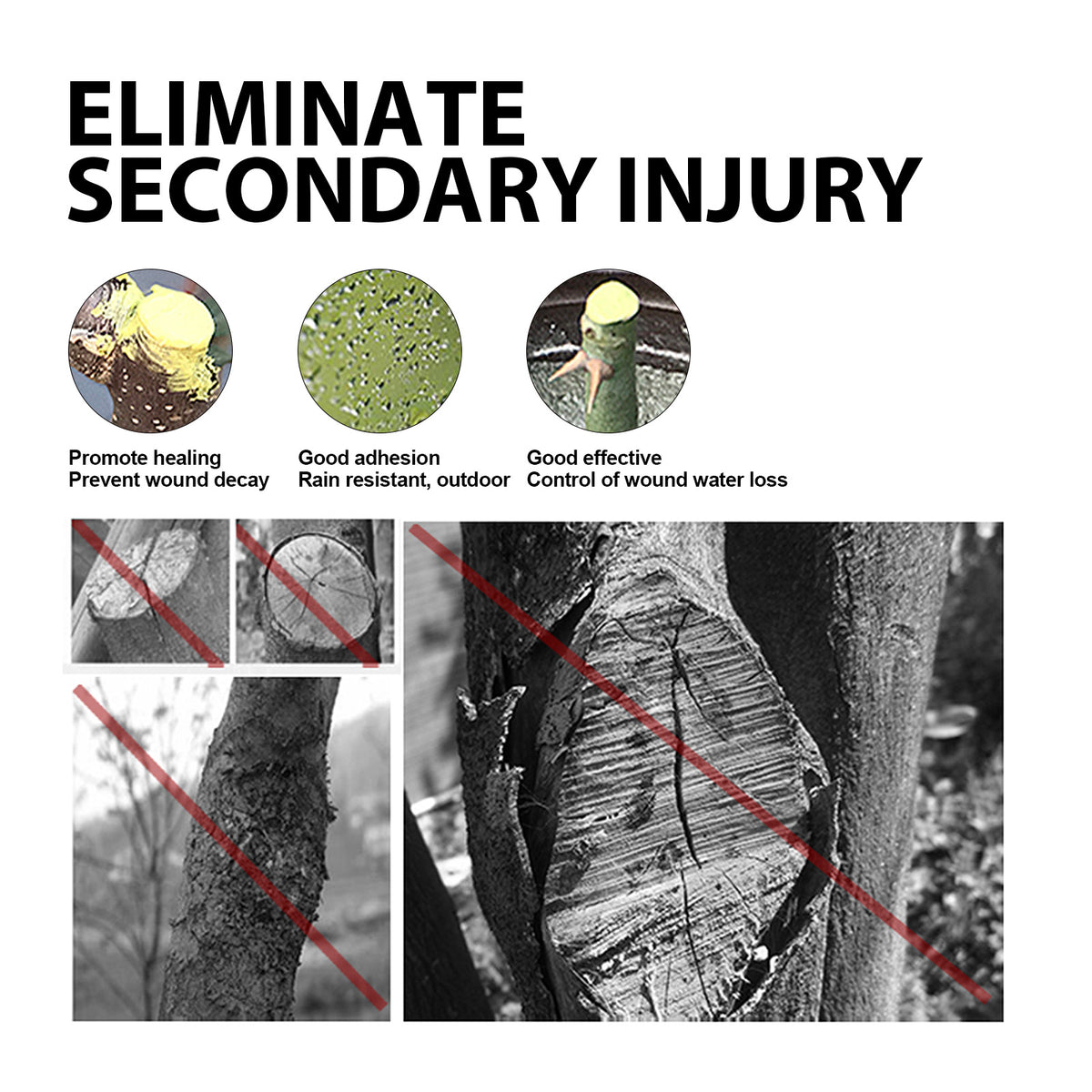
Seal tree wounds to promote healing and help prevent drying, decay, insects, and water loss.
Open pruning and grafting wounds can dry, crack, decay, or invite insects. Brush on a protective barrier to help shield the cut while the tree begins its recovery.

The paste covers exposed cuts to control wound water loss and reduce exposure linked with drying and cracking.

Good adhesion and rain-resistant performance support practical outdoor use after pruning, grafting, or branch removal.
The included wood-handled brush lets you spread the thick dressing across a cut without searching for a separate applicator.
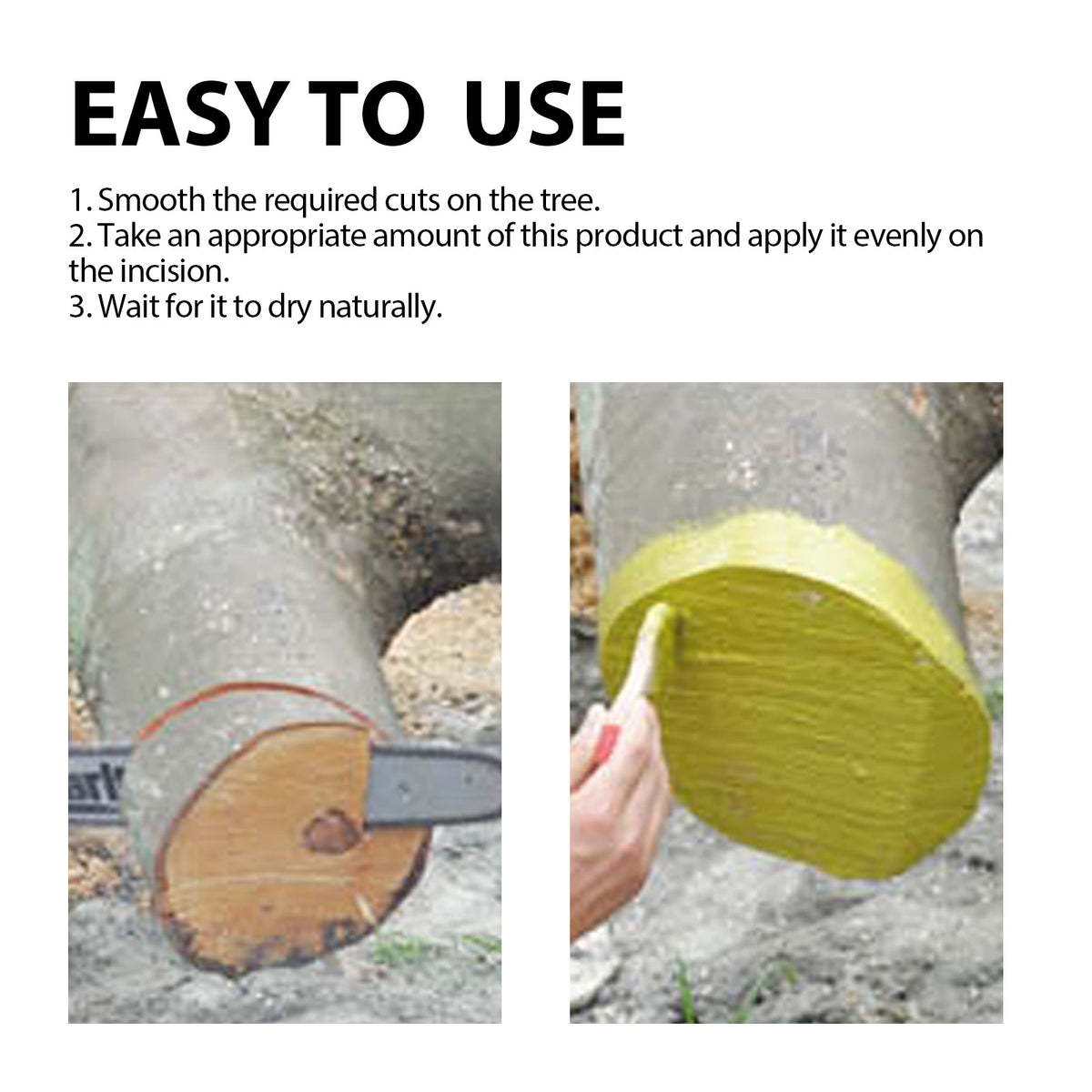
Inspect the pruning, grafting, or damaged area and prepare the surface according to the product directions.
Unscrew the lid and load the included wood-handled brush with enough thick paste for controlled coverage.
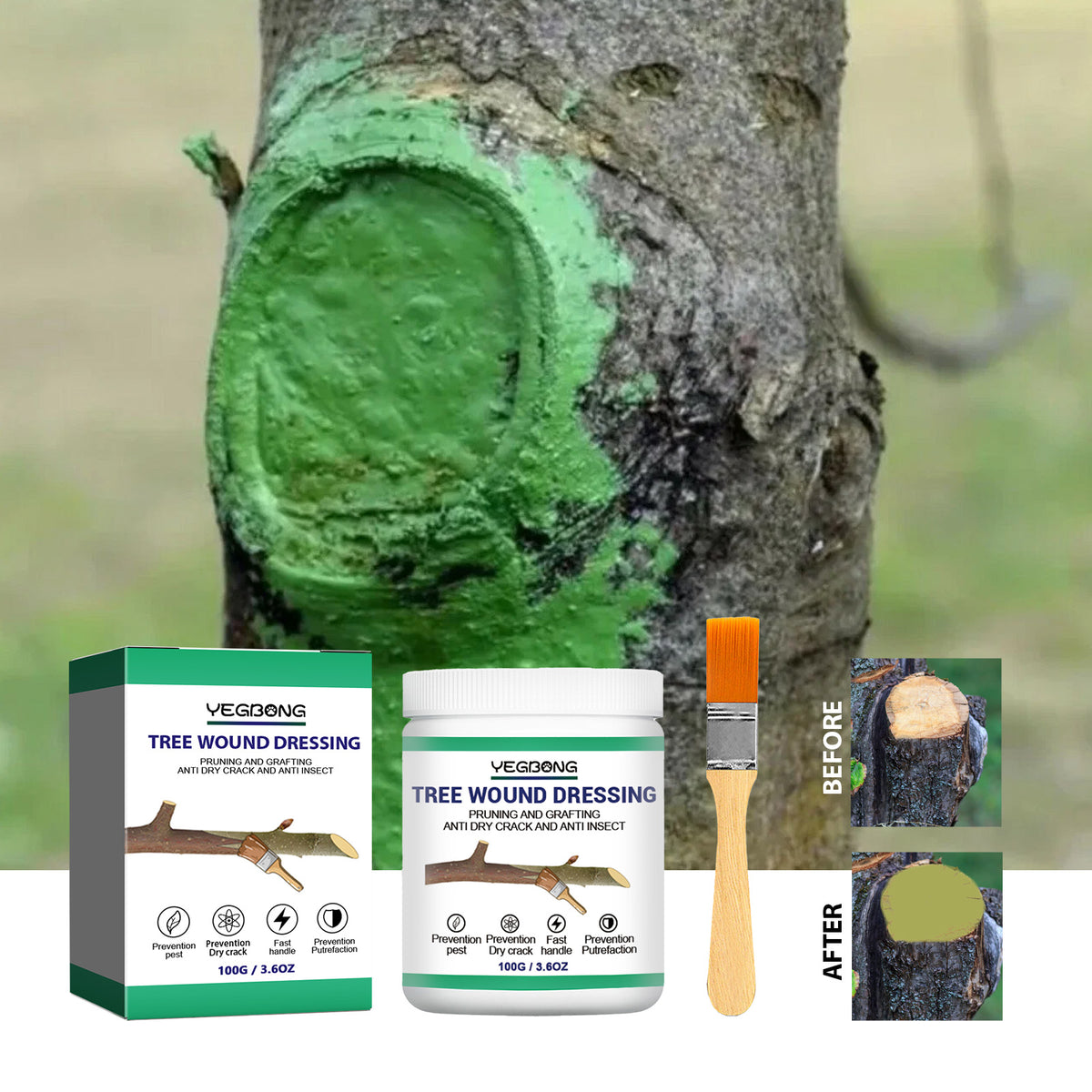
Spread the green dressing smoothly over the intended wound area, covering the exposed wood without leaving obvious gaps.
Close the jar after use, clean the brush according to the directions, and check that the cut has a visible protective layer.
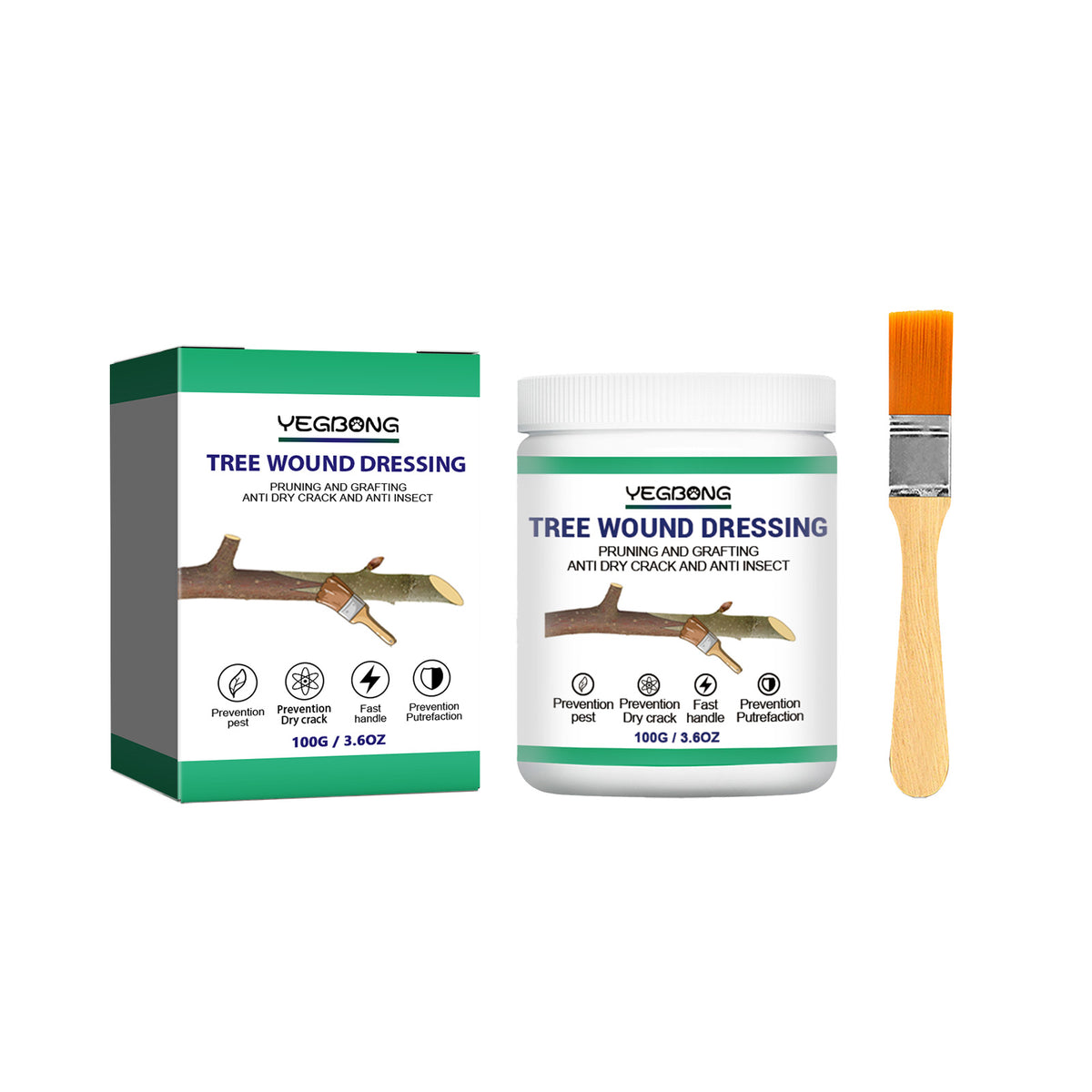
100G of thick green protective paste
Wood-handled brush for controlled coverage
Complete boxed presentation
After pruning, grafting, or accidental bark damage, exposed wood sits at the mercy of drying, cracking, moisture, decay, and insects. The wound may look small, but it is an open point that deserves attention.
Yegbong pairs a thick protective paste with its own wood-handled brush. Open the screw-top jar, load the brush, and spread an even layer across the intended wound area.
The finished cut has a smooth green protective layer that helps limit drying, water loss, decay, insect exposure, and weather contact. You get a tidy, reassuring finish after the pruning is done.
| Yegbong dressing | Leave it bare | Household substitute | |
|---|---|---|---|
| Made for pruning and grafting | — | — | |
| Dedicated brush included | — | — | |
| Visible protective coverage | — | Partial | |
| Rain-resistant outdoor use | — | Unknown | |
| Complete boxed three-item set | — | — |
The packaging identifies the dressing as rain resistant and suitable for outdoor use. Apply an even layer to the intended wound area and follow the product directions for surface preparation and use.
Yes. It is made for pruning and grafting applications, as well as suitable damaged tree bark. Use the brush carefully around graft work so the dressing stays where you apply it.
Coverage depends on the number, size, and depth of the cuts. The jar contains 100G, or 3.6OZ, so it is best suited to home gardens, spot applications, and smaller pruning sessions rather than estimating coverage for extensive orchard work.
Yes. The wood-handled brush gives you controlled application without needing to buy a separate tool. It is especially useful for creating an even layer over a cut.
Yes, the product is intended for damaged areas on fruit and ornamental trees. Inspect the area first and use the dressing according to the product directions.
No. It is a protective step after pruning, grafting, branch removal, or damage. It does not replace correct pruning, clean tools, inspection, or broader tree-health care.


 Tree Wound Dressing for Pruning, Grafting & Healing