Wound Care: Waterproof & Non-Adherent Wound Dressings
5 products
Find wound care products for covering minor cuts, scrapes, and other skin injuries when you need a practical barrier against water, dirt, or dressing friction. This category includes liquid wound films, non-adherent-style protection, and specialty products, so check each label carefully before use and do not confuse non-medical items with human wound dressings.
How to choose wound care products
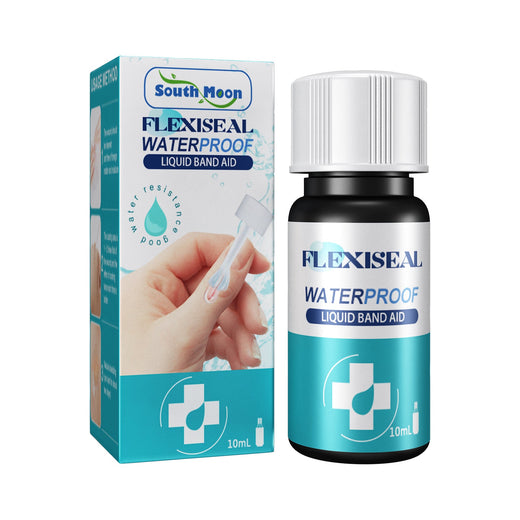
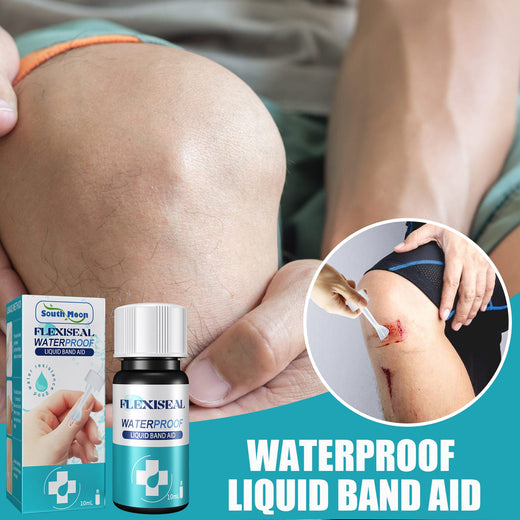
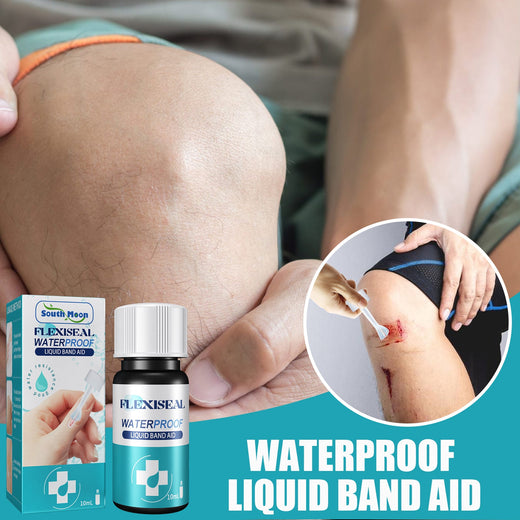
Start by matching the product format to the wound and the situation. A waterproof liquid bandage spray or liquid wound film can suit a small, superficial area where a flexible barrier is useful, while a dressing is more appropriate when you need to cover the site with a separate pad or protect it from rubbing. Look for clear directions about skin preparation, drying time, reapplication, and removal. Avoid products intended for plants, such as tree wound dressing for pruning, grafting, and healing; these are not human wound care products. Also exclude cosmetic items, including waterproof liquid matte lipstick, even if the listing uses words such as waterproof or non-stick. For wound care at home, choose only products clearly labeled for human skin.
What are the types of wound care compared?
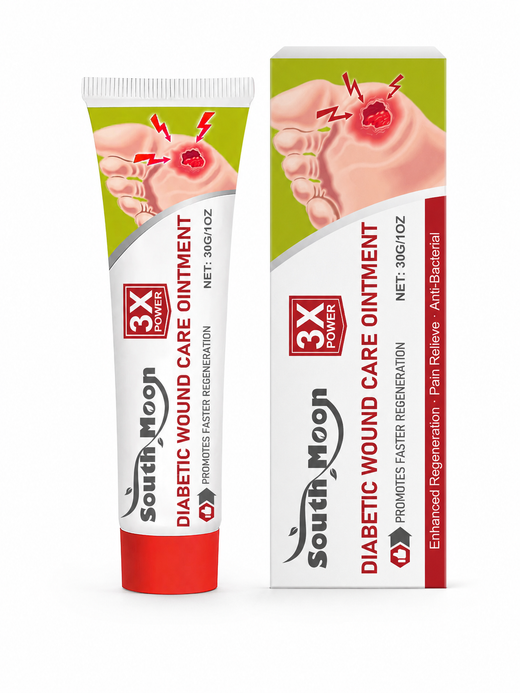
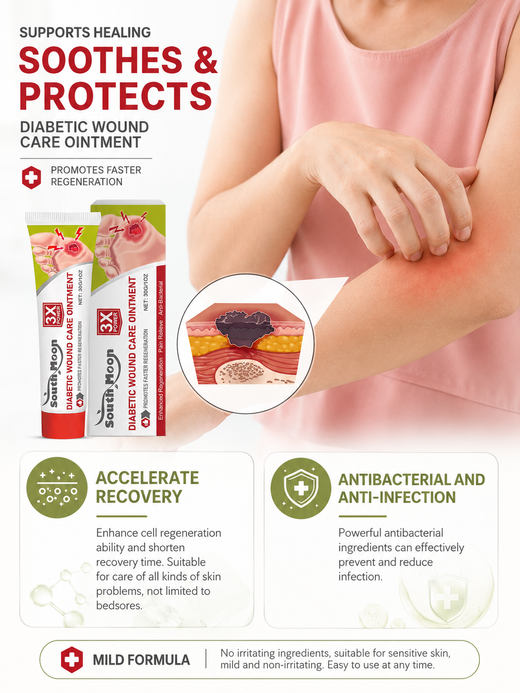
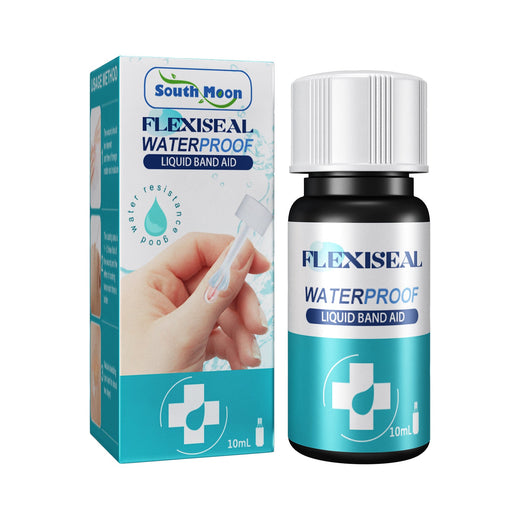
Waterproof liquid bandage products are brush-on or spray-on films that form a surface barrier over suitable minor wounds. They can be convenient for areas exposed to handwashing or light moisture, but they are not a substitute for cleaning, observation, or professional assessment. Non-adherent wound dressings are designed to reduce sticking to the wound surface during a dressing change; use them with the right secondary wrap or fixation method when required. Ointments are a separate category and should be used only when the label is appropriate for the wound and user. Specialty products described for diabetic wound care require extra caution and should not replace advice from a clinician. These types support different wound care routines, rather than representing interchangeable solutions.
What to look for in waterproof wound dressings
Prioritize a product description that states its intended use for human wound care, the wound size or type it covers, and whether it is a liquid film, contact layer, or complete dressing. Check whether the barrier is breathable, flexible, non-adherent, or water-resistant, and confirm how it should be applied around—not unnecessarily into—the wound. Clear instructions should explain when to replace the product and what to do if it causes stinging, redness, rash, or other irritation. Consider the location: joints and high-movement areas may need flexible protection, while a dressing under clothing may need secure edges. Packaging, ingredient details, and expiry information are also useful. If you are comparing wound care products online, do not rely on a product name alone.
How to use wound care at home
Wash your hands, gently clean the area according to trusted medical guidance, and stop bleeding with appropriate pressure before applying a dressing or liquid film. Follow the product directions for drying the surrounding skin and applying the correct amount; do not seal in visible dirt or apply a liquid film where the instructions say not to. Keep the dressing clean and replace it as directed or sooner if it becomes wet, dirty, loose, or damaged. Watch the wound over time rather than covering it and forgetting it. Do not share applicators, and avoid using products near the eyes, inside the mouth, or on deep, heavily contaminated, puncture, bite, or severe burn injuries unless a healthcare professional advises you. Wound care nursing instructions may differ for specific conditions.
What are common wound care mistakes?
A frequent mistake is choosing a product because it says waterproof, non-stick, or healing without checking whether it is made for human wounds. Tree pruning wound dressing and liquid matte lipstick are not appropriate substitutes for medical wound care. Other mistakes include applying a film over an unclean wound, using ointment beneath a product when the directions do not allow it, pulling off an adherent dressing forcefully, or leaving a wet and dirty covering in place. Avoid harsh household chemicals and unapproved home remedies on open skin. Do not keep treating a wound at home if it is worsening, reopening, increasingly painful, persistently bleeding, or showing concerning changes. Search results such as wound care slideshare, wound care ppt, or a wound care pdf can provide general education, but they cannot assess your individual injury.
Who is waterproof wound care suitable for?
Waterproof wound protection may suit adults managing minor, uncomplicated cuts or scrapes who want a temporary barrier during routine activities. The best choice depends on wound location, movement, moisture exposure, skin sensitivity, and whether the product must be removed for inspection. People with diabetes, reduced sensation, poor circulation, recurring wounds, or wounds that are slow to close should seek individualized clinical advice instead of relying on an over-the-counter ointment or liquid bandage alone. Children may need supervision, and anyone with known adhesive or ingredient sensitivities should review the label first. For questions about wound care near me, contact a pharmacist, clinic, or wound-care service. Choose products clearly intended for the person and wound, not simply the most waterproof option.
Frequently asked questions
What helps a wound heal fast?
Keep a minor wound clean, protected, and covered according to the product instructions, and avoid picking at it. A waterproof or non-adherent dressing may help protect the area during daily activities, but no product can guarantee faster healing. Seek medical advice if the wound is deep, contaminated, worsening, or not progressing normally.
What are the five rules of wound care?
A practical starting point is to wash your hands, control bleeding, gently clean the wound, cover it with a suitable dressing, and monitor it for changes. Product directions and individual medical needs can alter this routine. Get professional advice for serious injuries, high-risk conditions, or wounds that are not improving.
What should I do if my open wound isn't healing?
Arrange an assessment with a healthcare professional, especially if the wound is worsening, painful, repeatedly opening, draining, or changing in appearance. Do not keep layering liquid bandage or ointment over a wound that needs evaluation. People with diabetes or circulation problems should seek advice promptly rather than relying on home treatment.
How can I treat a chronic wound at home?
Chronic wounds need an individualized care plan, so home treatment should follow instructions from a qualified healthcare professional. Keep the area protected as directed and use only products specifically recommended for that wound. Do not substitute general waterproof wound care products for assessment, prescribed treatment, or follow-up.
What ointment makes wounds heal faster?
There is no single ointment that is suitable for every wound or guaranteed to speed healing. Use an ointment only when its label and a healthcare professional indicate it is appropriate, and follow the application instructions. Avoid using cosmetic products, plant wound dressings, or unapproved household substances on open skin.
What not to put on an open wound?
Do not apply tree pruning dressing, lipstick, household chemicals, or other products that are not labeled for human wound care. Avoid sealing dirt or debris under a waterproof film, and do not use an ointment if the product directions or professional advice say otherwise. For deep, puncture, bite, heavily contaminated, or severe burn wounds, seek medical care.