Wound Repair: Liquid Bandage, Waterproof & Healing Care
5 items
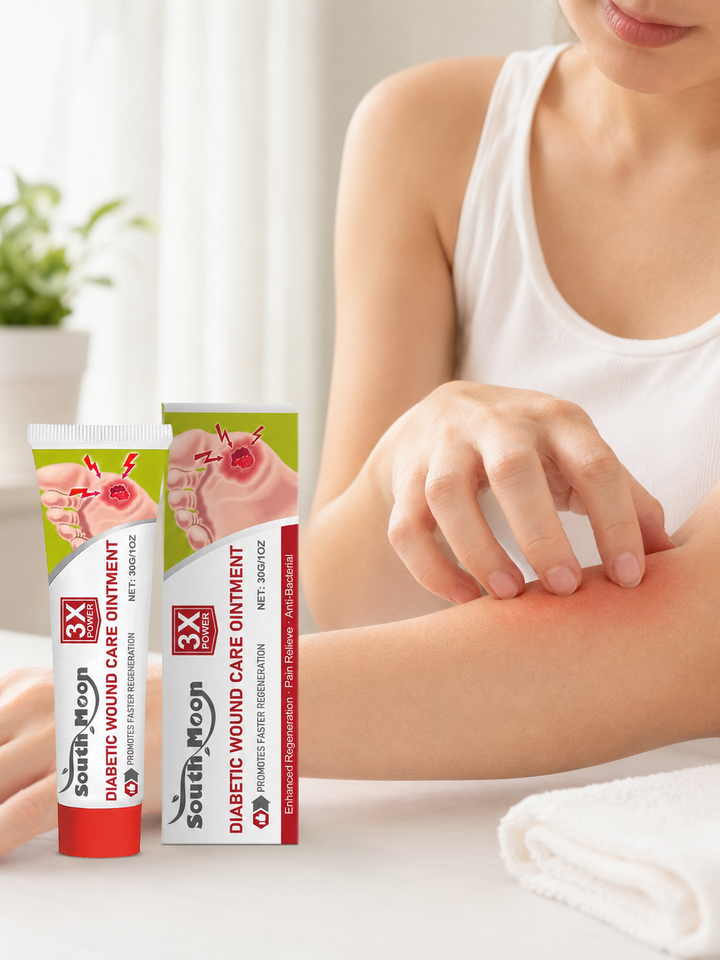
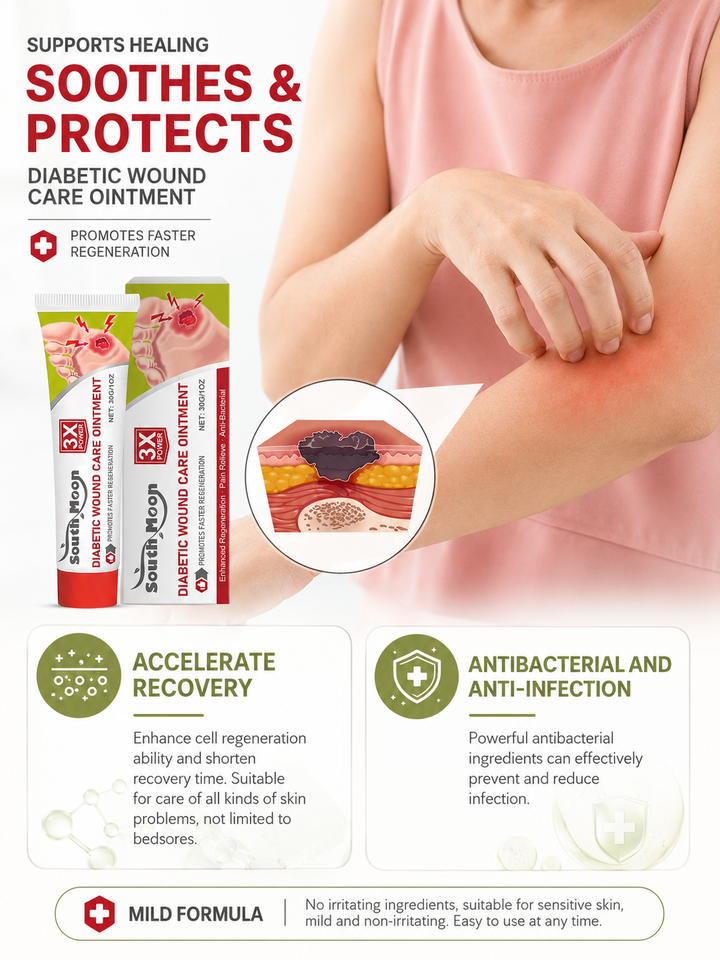

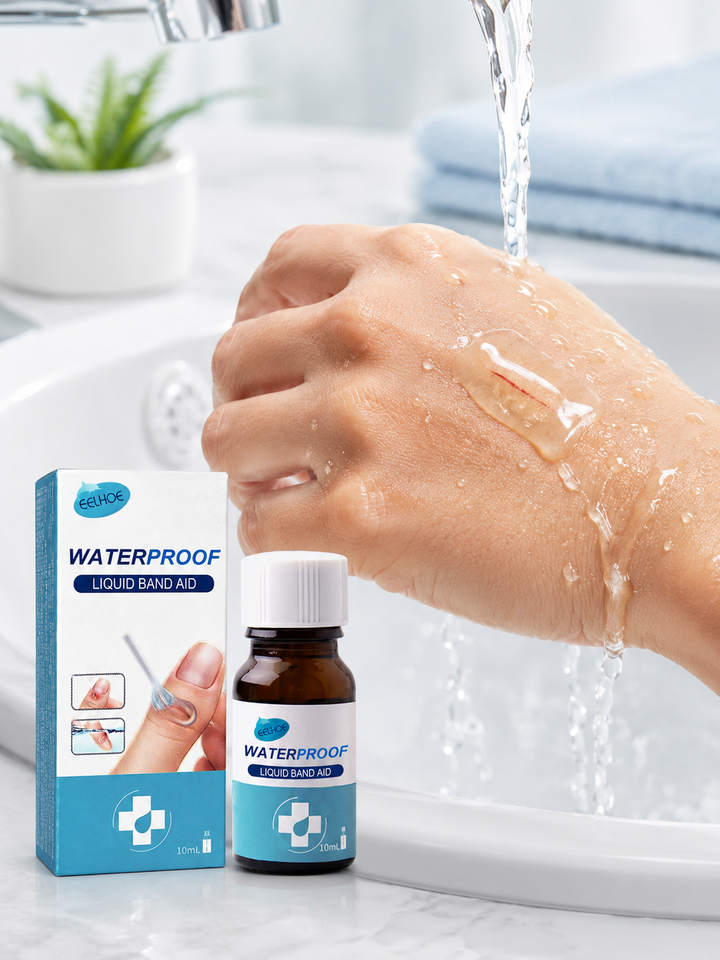
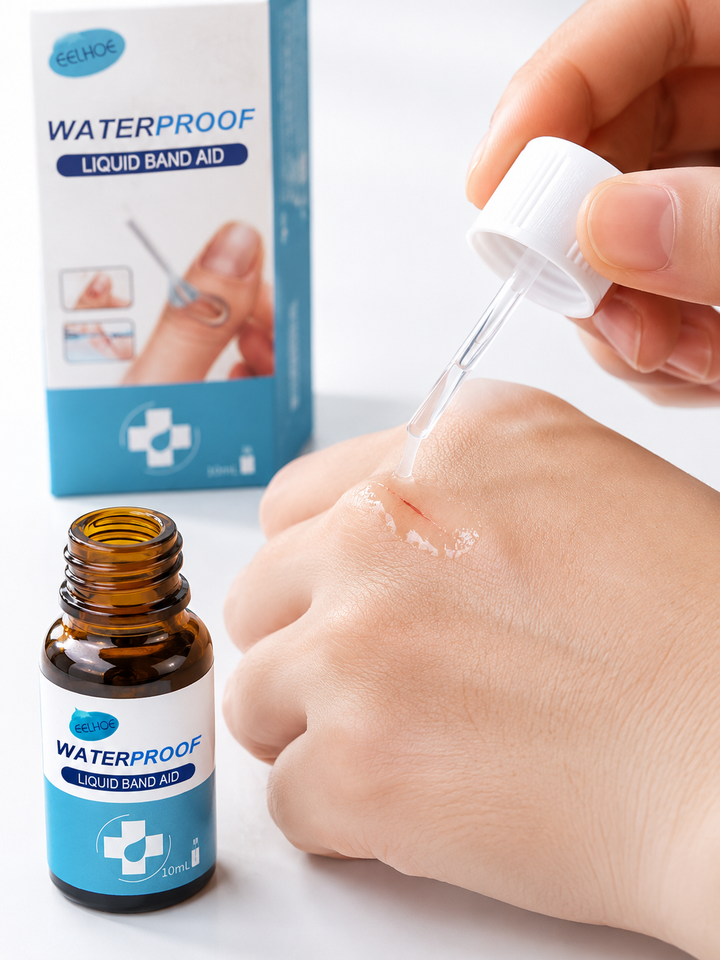
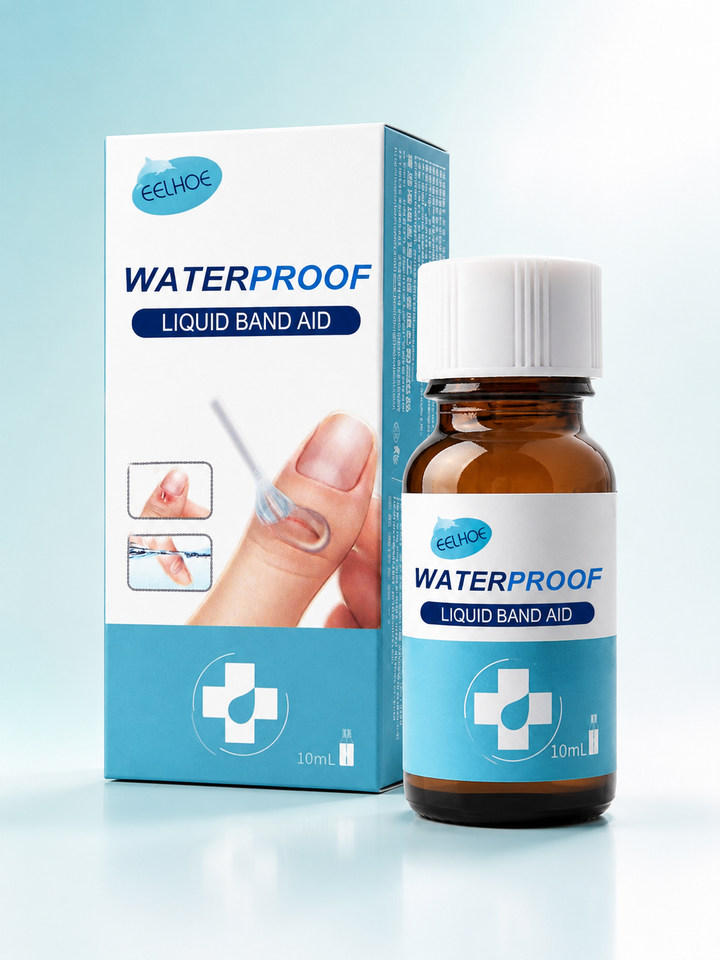

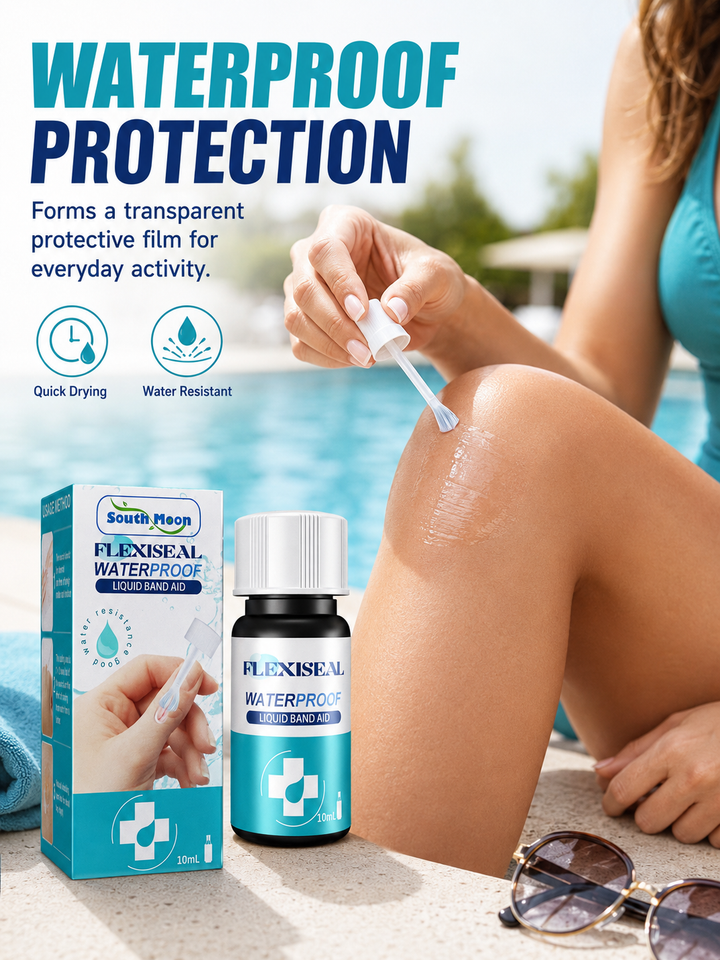
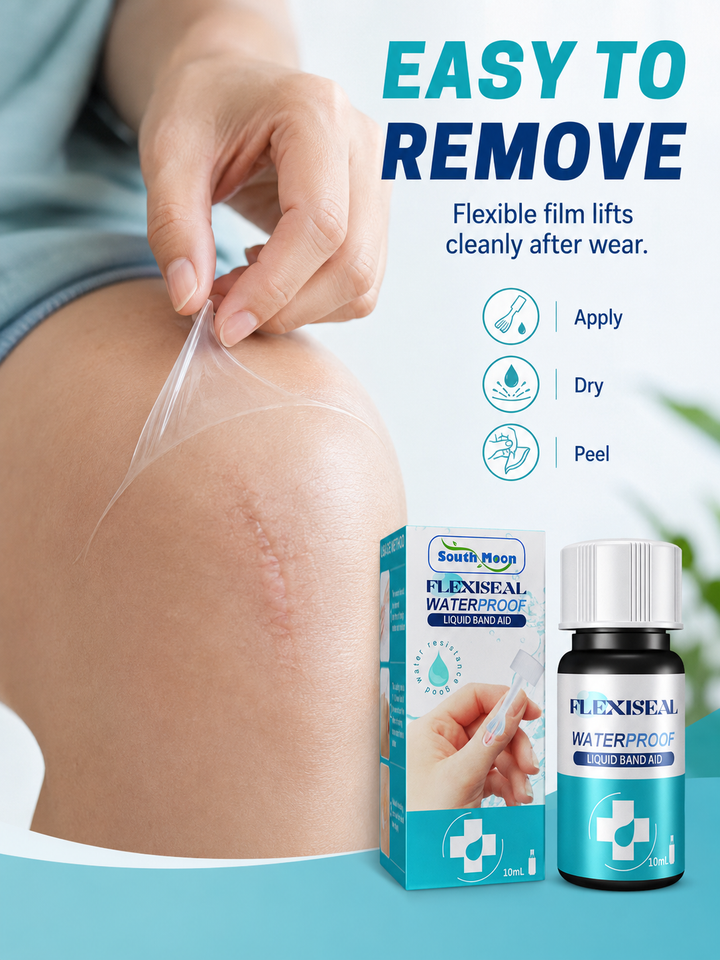
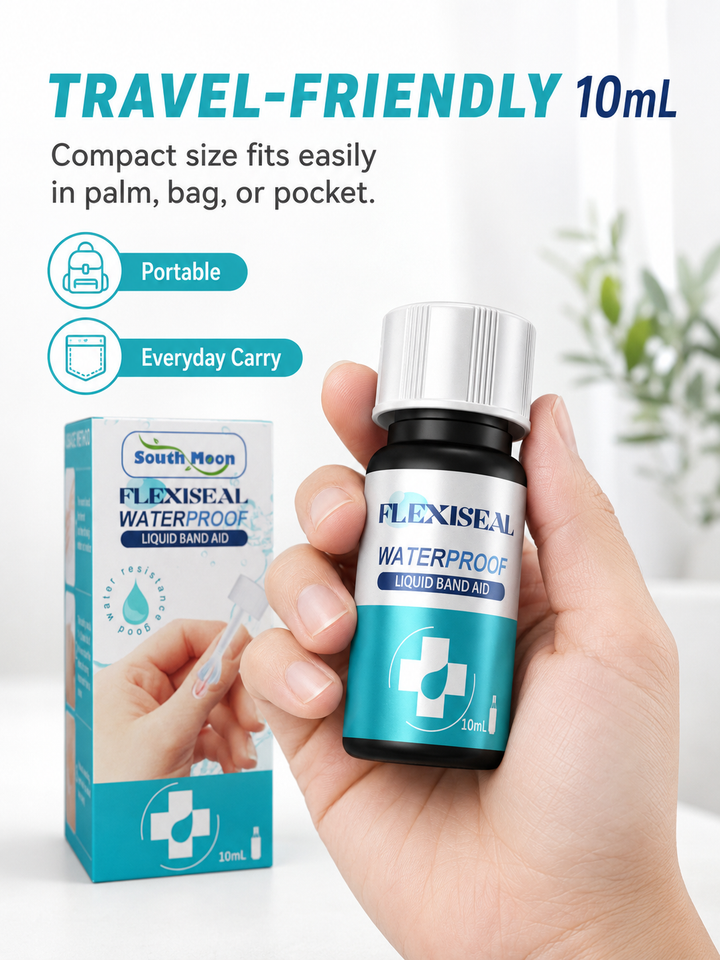

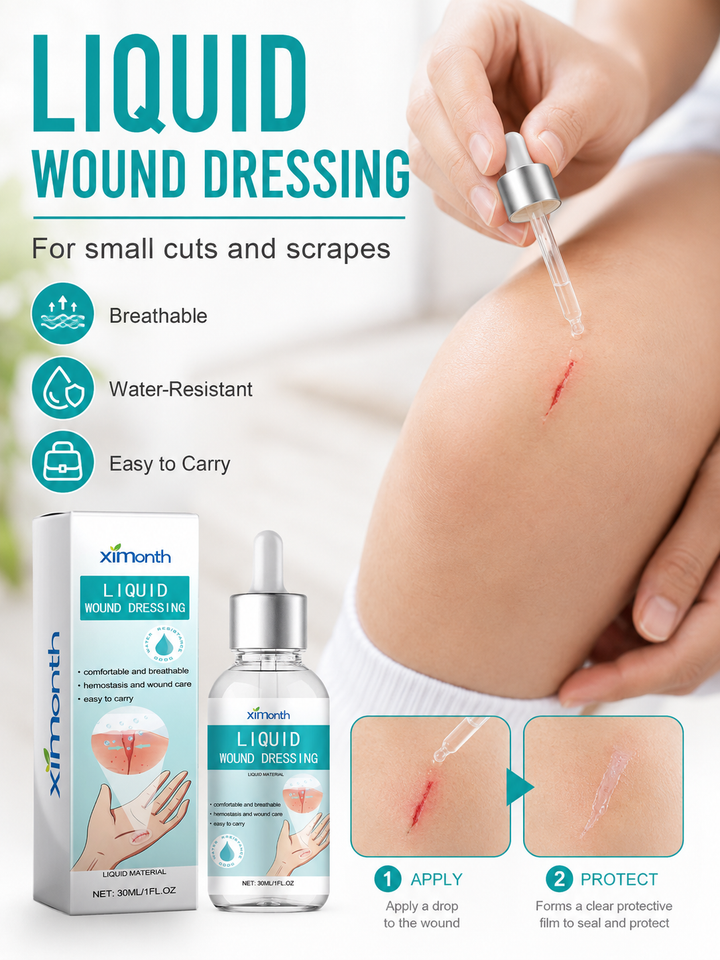
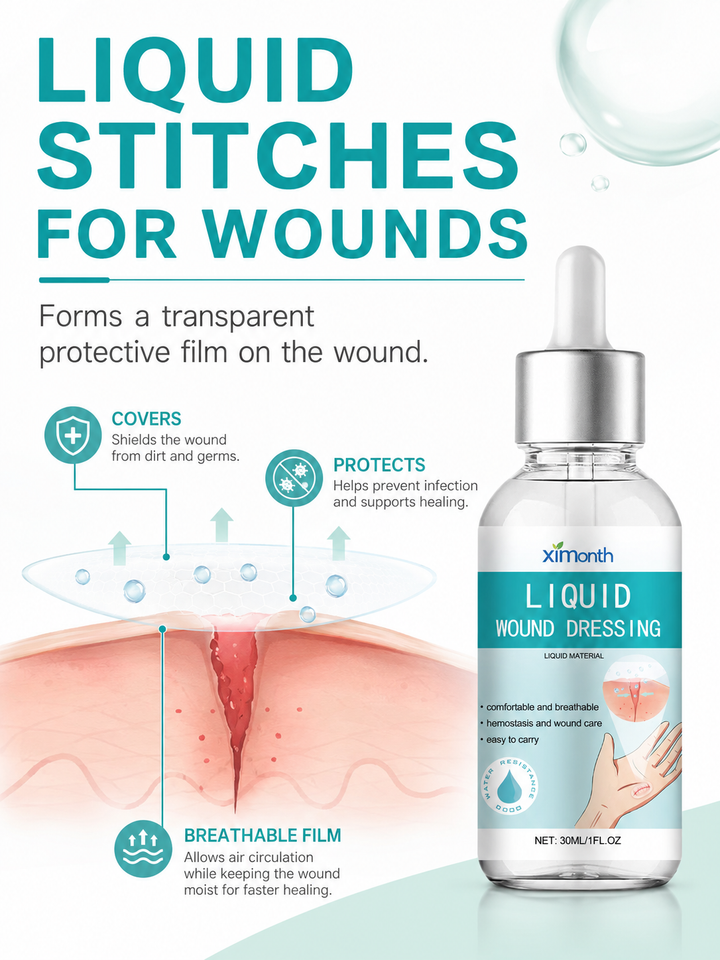
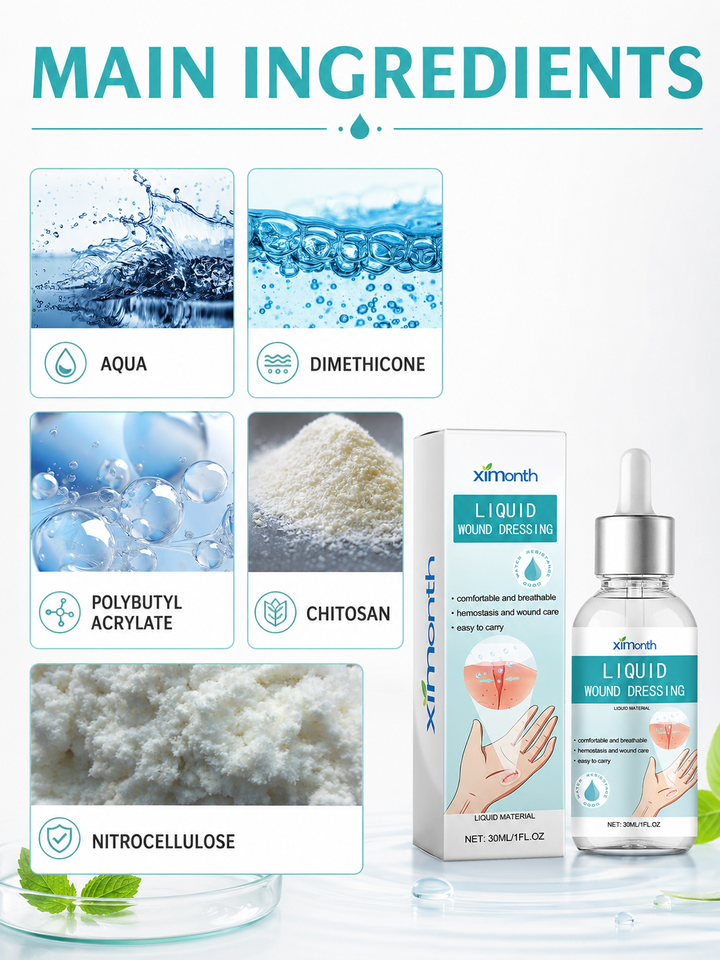

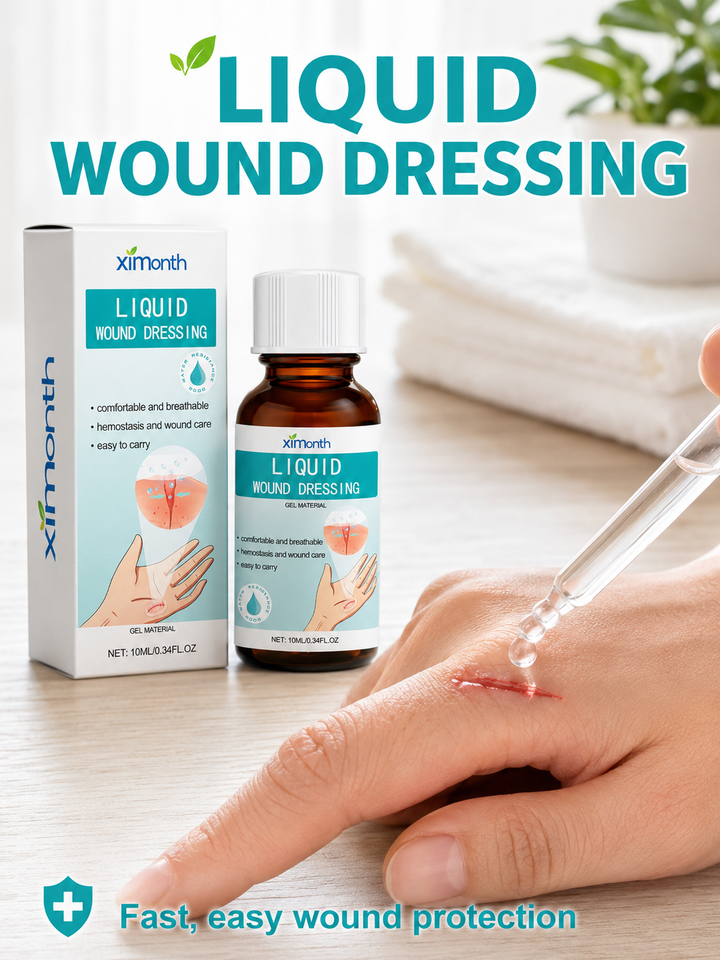
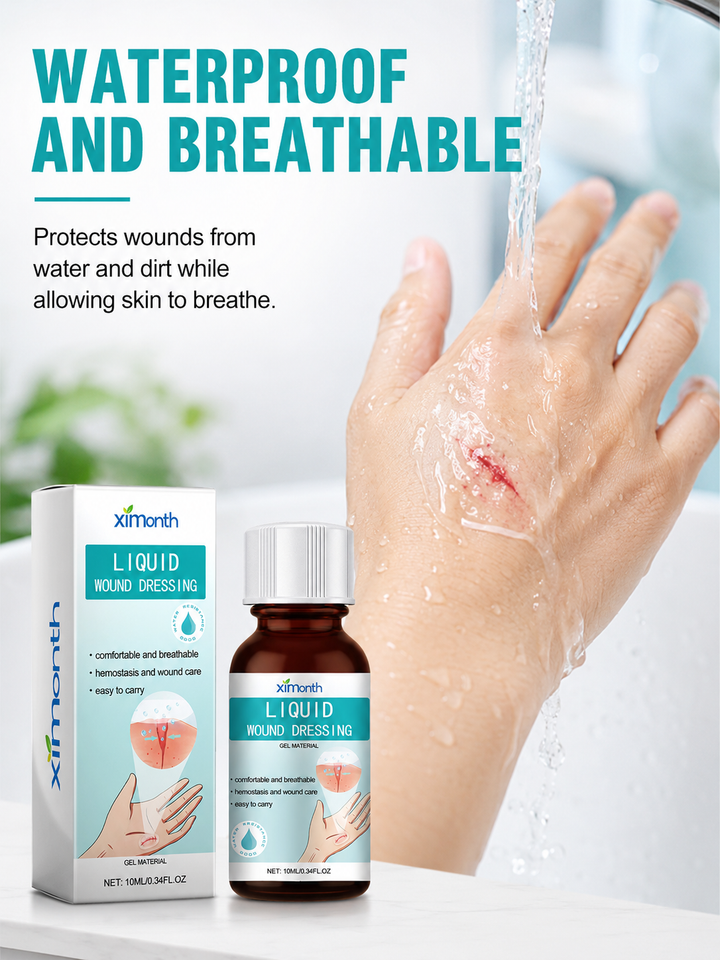
Wound repair products can help protect minor cuts, scrapes, and other superficial skin damage from water, friction, and everyday exposure. This category includes transparent liquid bandages and a wound care ointment, so you can choose a format that fits the wound location, activity level, and care routine.
How to choose a wound repair product
Start by considering the wound’s size, location, and exposure to water or friction. A waterproof liquid bandage can suit small, superficial cuts on areas that need flexible coverage, while a liquid bandage drop format allows more controlled application to a specific spot. Transparent film options are useful when you want to see the covered area without using a conventional adhesive strip. For dry or irritated-looking skin around a minor wound, an ointment may fit a moisture-focused care routine. Always clean the area first and follow the product directions. These products are intended for minor wounds; seek medical advice for deep, gaping, heavily contaminated, infected, or slow-healing wounds.
What are the types of wound repair products?
The main types in this category are liquid bandage films, liquid bandage drops, and wound care ointments. Liquid bandage films dry into a transparent protective layer that can help shield a minor wound from contact and moisture. Drop-style products are practical when you want to place a small amount precisely, while a 10ml liquid bandage can be convenient for repeated household use. Waterproof versions are designed for situations involving handwashing, splashes, or outdoor activity, but they should still be used as directed. Ointment has a different texture and application method, making it suitable for shoppers who prefer topical coverage rather than a drying film. The best choice depends on the wound and the finish you prefer.
What to look for in a liquid bandage
Look for a transparent, flexible film if you want discreet coverage that moves with the skin. Waterproof protection can be useful for minor cuts on hands, fingers, or other areas exposed to water, while a breathable design may feel more comfortable during everyday wear. Check whether the applicator matches the wound: drops can support precise placement, and a brush or built-in applicator may help cover a slightly broader spot. Review the instructions for drying time, reapplication, removal, and suitable skin areas. Avoid selecting a product solely because it says healing or repair; compare the intended use, ingredients, size, and directions. If you have diabetes, reduced sensation, circulation concerns, or a wound that is not improving, ask a healthcare professional before relying on self-care.
How to use liquid bandage for wound care
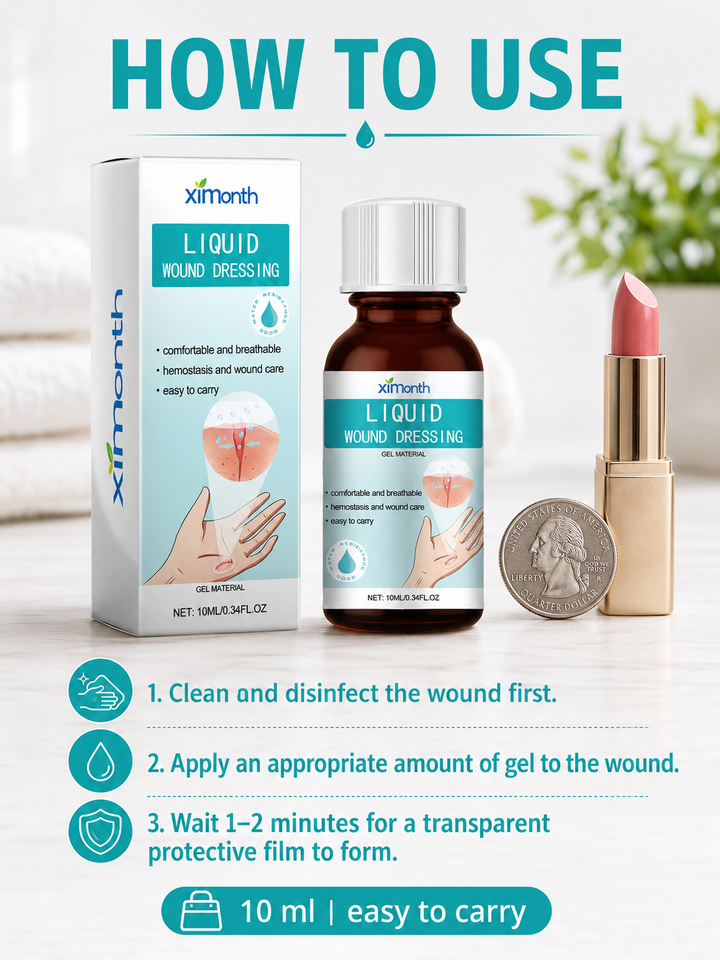
Wash your hands, then gently clean the minor wound and surrounding skin. Pat the area dry so the film can adhere properly, and apply a thin layer only as directed on the packaging. Allow it to dry before stretching the skin or exposing the area to water. Do not pour liquid bandage into a deep wound, use it over heavy bleeding, or apply it to eyes, mucous membranes, or areas not listed in the instructions. Reapply only according to the product directions, and stop using it if significant irritation develops. Keep watching for signs of a problem, such as increasing redness, swelling, warmth, drainage, worsening pain, or fever, and seek medical advice if these appear or if the wound does not show signs of healing.
Should a wound be covered or left uncovered?
For many minor wounds, a clean protective covering can reduce contact with dirt, water, and friction. A liquid bandage creates a thin film that may be more convenient than a traditional plaster for small areas, especially when you want waterproof or transparent protection. Leaving a wound uncovered is not automatically better; the right approach depends on its location, drainage, exposure, and the product instructions. Keep the surrounding skin clean and avoid picking at scabs or peeling film. Replace or reapply protection as directed rather than layering products without checking compatibility. A wound that is repeatedly reopening, becoming more painful, or showing possible infection needs professional assessment rather than simply stronger coverage.
Who is wound repair care suitable for?
These products are generally intended for adults managing minor, superficial cuts, scrapes, and similar skin injuries at home, when the product label allows that use. Waterproof liquid bandages may suit active shoppers or anyone whose hands are frequently washed. Transparent films can be helpful when discreet coverage matters, while an ointment may suit shoppers who prefer a spreadable topical format. They are not a substitute for medical treatment of deep wounds, animal or human bites, punctures, serious burns, wounds with embedded debris, or uncontrolled bleeding. People with diabetes, poor circulation, reduced sensation, allergies, or a history of slow wound healing should obtain professional guidance before choosing a self-care product. Follow age restrictions and label warnings for every item.
Frequently asked questions
What helps wounds heal quickly?
For a minor wound, careful cleaning, protection from friction and contamination, and following the product directions can support sensible wound care. A liquid bandage or ointment may help protect the area, but no product can guarantee a specific healing time. Seek medical advice if the wound is deep, worsening, infected-looking, or slow to improve.
What are three types of wound repair?
In this category, three practical product types are liquid bandage films, liquid bandage drops, and wound care ointments. Films dry into a protective layer, drops allow targeted application, and ointments provide a spreadable topical format. Choose based on the wound, location, exposure to water, and the product directions.
Do wounds heal faster, covered or uncovered?
A clean covering can protect a minor wound from dirt, friction, and repeated contact, while a liquid bandage can provide discreet waterproof coverage. Leaving it uncovered is not always preferable, and the best option depends on the wound and its surroundings. Follow the label and seek advice if healing is delayed or symptoms worsen.
What are the 5 steps of wound healing?
Wound healing is commonly described as overlapping phases: stopping bleeding, inflammation, tissue formation, wound contraction, and remodeling. The timing and appearance can vary by wound and by person. This general process is not a substitute for an assessment of a specific injury.
What is the hardest wound to heal?
Wounds that are deep, infected, repeatedly reopening, poorly supplied with blood, or affected by conditions such as diabetes can be more difficult to manage. A wound’s location, size, contamination, and the person’s overall health also matter. If a wound is not improving or you have reduced sensation or circulation concerns, contact a healthcare professional.
Should I cover a wound or let it breathe?
For many minor wounds, clean protection is useful because it can limit friction and exposure to dirt or water. A waterproof liquid bandage may be convenient for a small superficial cut, provided it is used exactly as directed. Do not seal deep, heavily contaminated, or infected-looking wounds with a consumer liquid bandage; get medical advice instead.