
$69.90
Free delivery · 7–14 days
Wooden Shape Sorter Toy for Early Learning Skills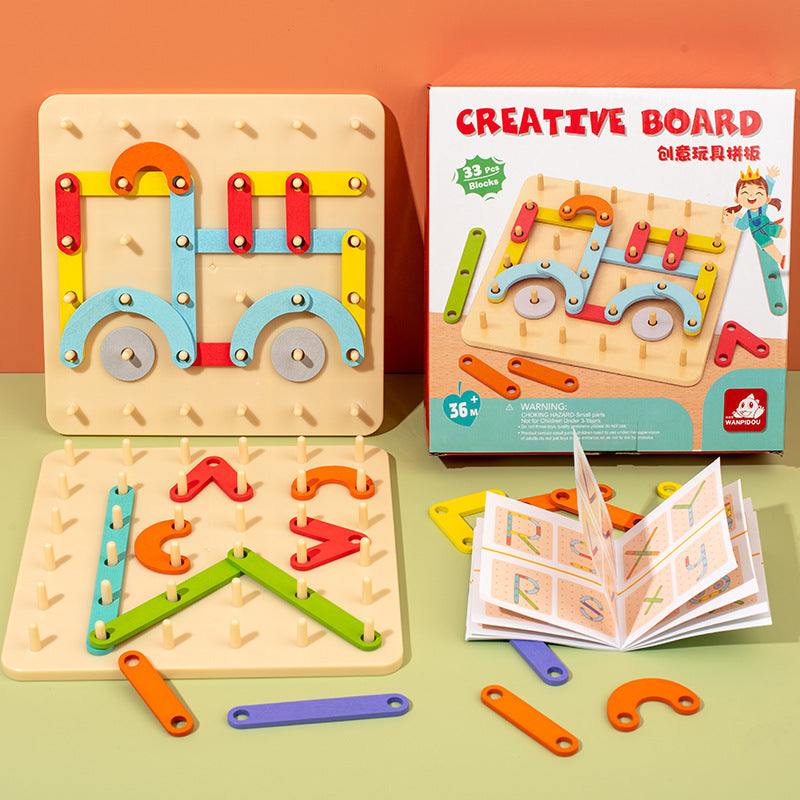
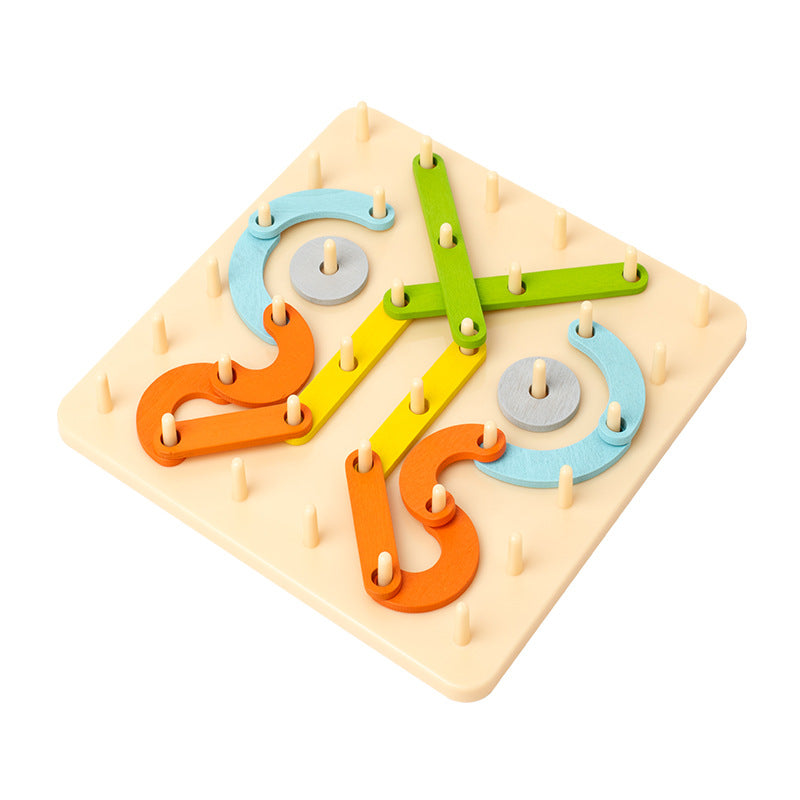
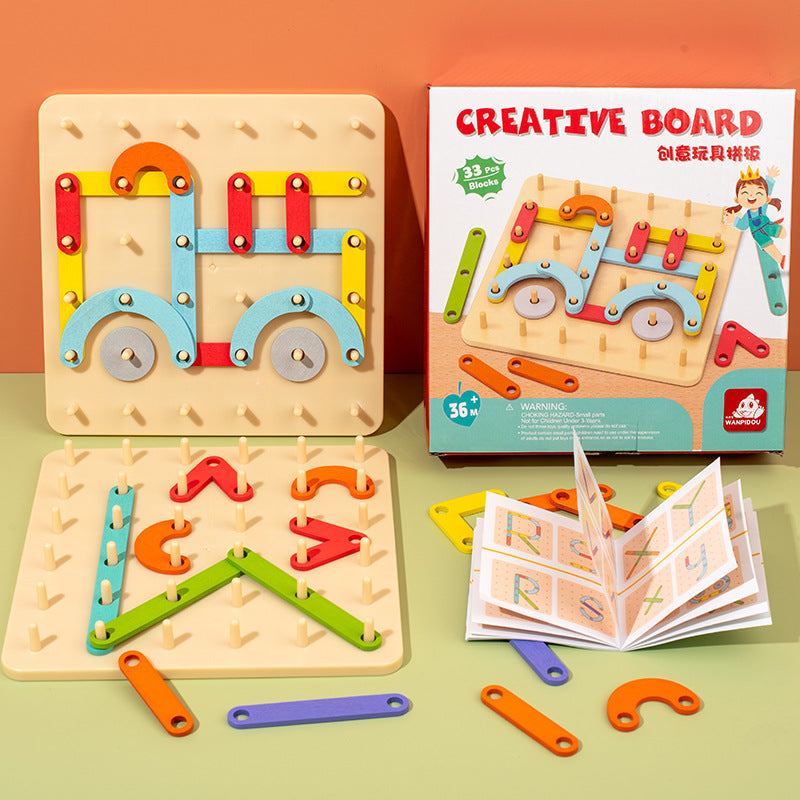
Turn quiet play into a proud building moment with a Montessori wooden puzzle board made for matching, placing, and creating.
Read the full descriptionTurn quiet play into a proud building moment with a Montessori wooden puzzle board made for matching, placing, and creating.
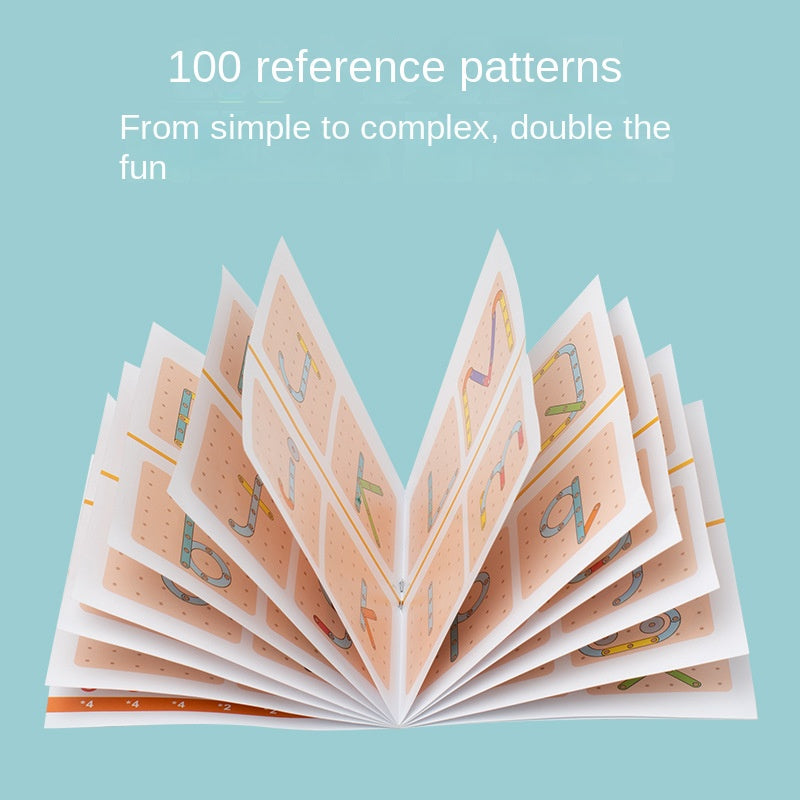
Build up to 100 colorful reference patterns while developing early-learning and fine-motor skills.
Replace passive screen time with hands-on pattern building that grows from simple shapes to colorful, more complex creations. Children practice focus, coordination, and shape recognition while they play.

The illustrated reference book gives children a clear starting point, with patterns that move from simple layouts toward more complex constructions. There is enough variety to keep the next challenge feeling fresh.

Interchangeable geometric bars and arcs fit onto raised pegs, making shape matching and pattern construction physical rather than purely visual. Children can see, feel, and correct their choices as a design develops.

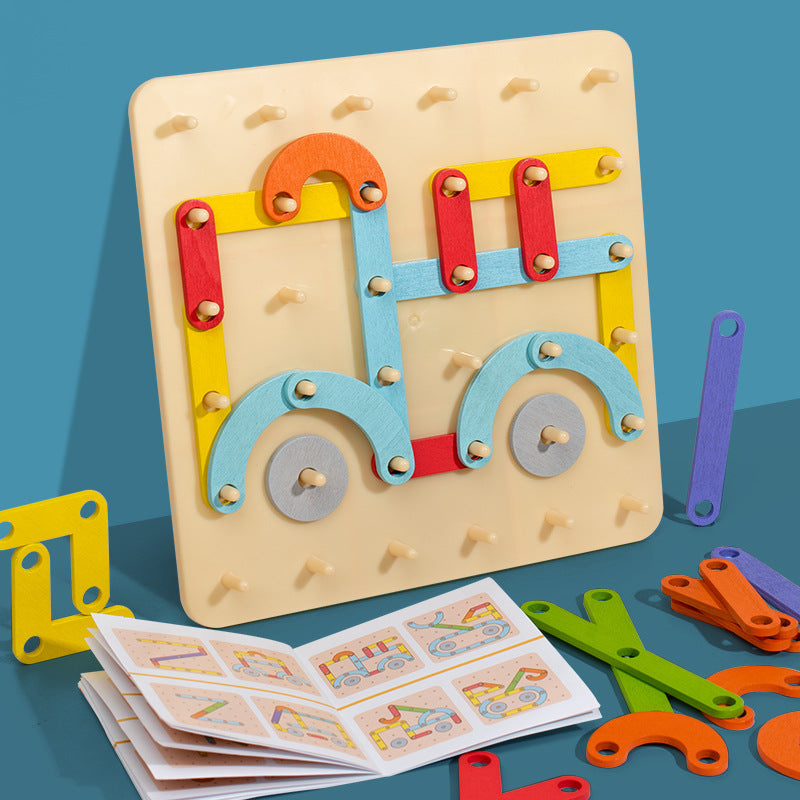
Children can copy a reference, rearrange the colorful pieces, or invent their own vehicle-like designs instead of finishing the toy once. It brings the flexible spirit of creative studio play to a structured board activity.
The matte cream-colored wooden board and brightly coordinated pieces create a calm, tactile activity children want to handle. The reusable format gives the set more staying power than a single-solution puzzle.
Open the illustrated reference book and begin with a simple design that feels approachable.
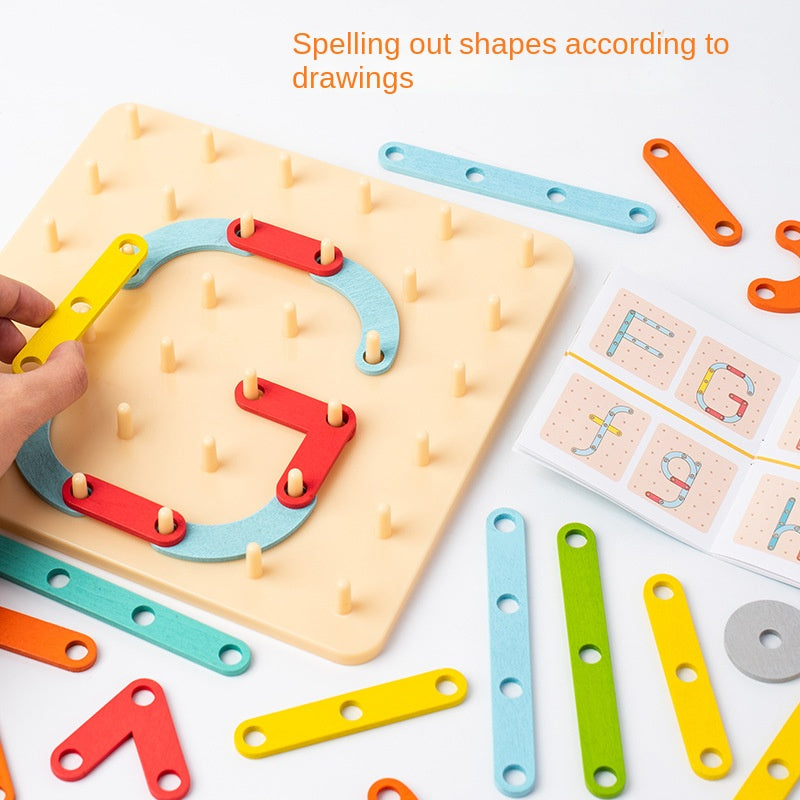
Find the bars and arcs shown in the drawing. Name the colors or shapes together if your child enjoys guided learning.
Position the pieces on the raised pegs and adjust them until the layout matches the reference.
Put the book aside and invite an original pattern, colorful arrangement, or vehicle-like design.
Cream-colored perforated board with raised pegs for construction.
Brightly painted bars, arcs, and other interchangeable shapes.
Illustrated activities progressing from simple to complex.
There are plenty of moments when entertainment is easy to find, but meaningful hands-on play is not. Apps offer quick stimulation, while one-answer puzzles can lose their appeal as soon as they are finished. This board gives children something concrete to choose, touch, and build.
The board turns copying and matching into a physical activity. Children follow a drawing, find the right shape, and place each piece on the raised pegs. The process makes shape recognition and focused construction feel like play rather than a lesson.
A simple layout can become a more complex construction, including colorful vehicle-like designs. Children select pieces, adjust their plan, and see a finished idea take shape. That finished board becomes a small source of pride, and often the reason they reach for it again.
| This board | Single-solution puzzle | Screen-based game | |
|---|---|---|---|
| Hands-on wooden construction | Yes | Yes | No |
| Guided patterns | 100 patterns | Usually one solution | Digital levels |
| Open-ended designs | Yes | Limited | Partial |
| Raised tactile pegs | Yes | Usually no | No |
| Screen-free activity | Yes | Yes | No |
| Reusable learning value | Yes | Partial | Partial |
The exact age range is not provided, so choose based on your child's ability to handle the wooden pieces safely. Supervise children who may mouth, throw, or mishandle small parts, and follow the seller's age guidance.
Yes. The set includes a wooden pegboard, assorted colored geometric pieces, and an illustrated reference pattern book.
A regular shape puzzle often has one intended solution. This board combines raised pegs, interchangeable bars and arcs, and 100 guided patterns, then leaves room for children to create their own designs.
Yes. The drawings are starting points, not limits. After matching a pattern, children can rearrange the pieces, explore colors and shapes, or build an original vehicle-like design.
The value comes from the complete activity rather than a single finished puzzle: smooth wooden construction, a large selection of reusable pieces, and 100 reference patterns create many return visits.
Yes. It suits quiet play, preschool learning, homeschooling, classroom rotations, and parent-child creative time. Adults can introduce a pattern, name shapes, or let children work independently.


 Montessori Wooden Puzzle Board for Creative Learning