
$31.90
Free delivery · 7–14 days
Fingertip Pulse Oximeter with OLED Display and SpO2

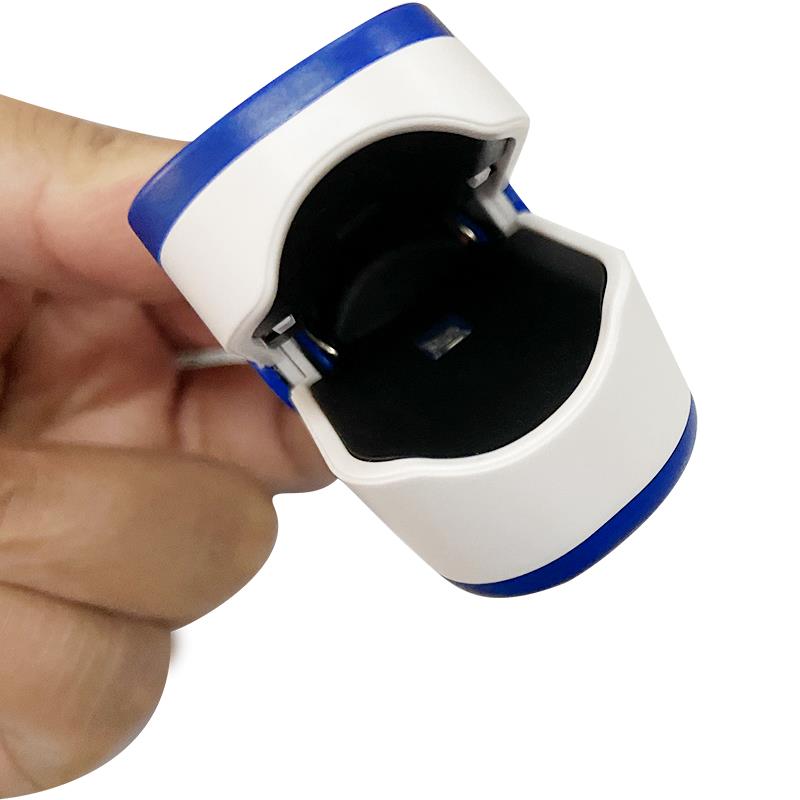
A clip on your fingertip gives you SpO2 and pulse on a bright OLED screen in about ten seconds. Large numerals and a live waveform make the reading easy to trust at home, on the road or during a sick day.
Read the full descriptionA clip on your fingertip gives you SpO2 and pulse on a bright OLED screen in about ten seconds. Large numerals and a live waveform make the reading easy to trust at home, on the road or during a sick day.
Read your blood oxygen and pulse in seconds at home with a simple fingertip clip
Before: guessing how you feel while the clinic is a long wait away. After: a clip on your finger and a clear SpO2 and pulse reading on a bright OLED screen.
SpO2 and pulse appear in large numerals that you can read at arm's length, without leaning in to the screen. The live pleth waveform runs beneath them, so you can see the signal is steady before you trust the figures. One press starts the check.
The body is small and light, and the included hang rope lets you clip it to a bag strap, a hook or a lanyard. It goes from the bedside drawer to a carry-on without taking up meaningful space.
Low power draw gives about 30 hours of measurement from two AAA batteries. A low-voltage indicator appears on the display before readings get unreliable, so you swap batteries on your schedule rather than mid-check.
Press the release to open the spring-loaded finger clip. Choose a clean, warm index or middle finger with dark nail polish removed.
Slide your fingertip fully into the clip and press the single button. The display lights up and starts reading SpO2 and pulse.
Keep your hand resting and your finger still. Wait for the waveform and signal bars to settle, then note the SpO2 and pulse figures. The device turns off within 8 seconds if it loses signal.
Blue body with OLED display and spring-loaded clip
Clips to a bag strap, hook or lanyard
Covers the button, display icons and battery use

You are short of breath, or just run down, and the clinic opens in the morning. Without a reading, every twinge becomes a guess about whether to rest, drink water or call someone. The worry is the hardest part, and it arrives with no numbers attached.

Open the clip, slide your fingertip in and press the single button. The OLED shows SpO2 and pulse in large numerals, with a live waveform underneath. You know within seconds whether the reading is steady enough to act on.
Two AAA batteries run about 30 hours of measurement, so a daily check costs you almost nothing in time or power. Keep one in the bag and one by the bed, and build a resting baseline you can compare against on a bad day.
Insert a finger, press the button once and hold still. Watch the signal bars and waveform settle before you read the SpO2 and pulse numbers.
You start to recognise a regular waveform and strong signal bars, and learn which conditions, such as cold fingers, make readings less steady.
Regular checks build a personal baseline for your resting SpO2 and pulse, which you can bring to your clinician if needed.
The reading depends on a warm, clean and still fingertip. Warm your hands, remove dark nail polish from the test finger and keep still until the waveform steadies. Skin tone is not a setting on this device, so if a number looks off, warm up and recheck before you draw any conclusion.
It gives a fast SpO2 and pulse reading with a live waveform, so you can see whether the signal is steady. Treat it as a home check, not a clinical measurement. If a value is low or keeps changing, contact a clinician rather than acting on one number.
No. The oximeter shows two numbers and cannot diagnose a condition. Read the figures alongside how you feel, and talk to a doctor about any concerning values or symptoms that do not improve.
The live waveform shows the pulse signal, and the signal bars show its strength. Wait for a steady waveform and strong bars before you trust the numbers. If the device loses the signal, it turns off on its own within 8 seconds.
Batteries are not included, so pick up two AAA cells when you unbox it and keep a spare pair in your bag. Two AAA batteries give about 30 hours of measurement, which covers a lot of daily checks, and the low-voltage indicator warns you before readings get weak.




 Fingertip Pulse Oximeter with OLED Display for Home