Pulse Oximeters for Home Use - Finger Pulse Ox Monitors
5 items




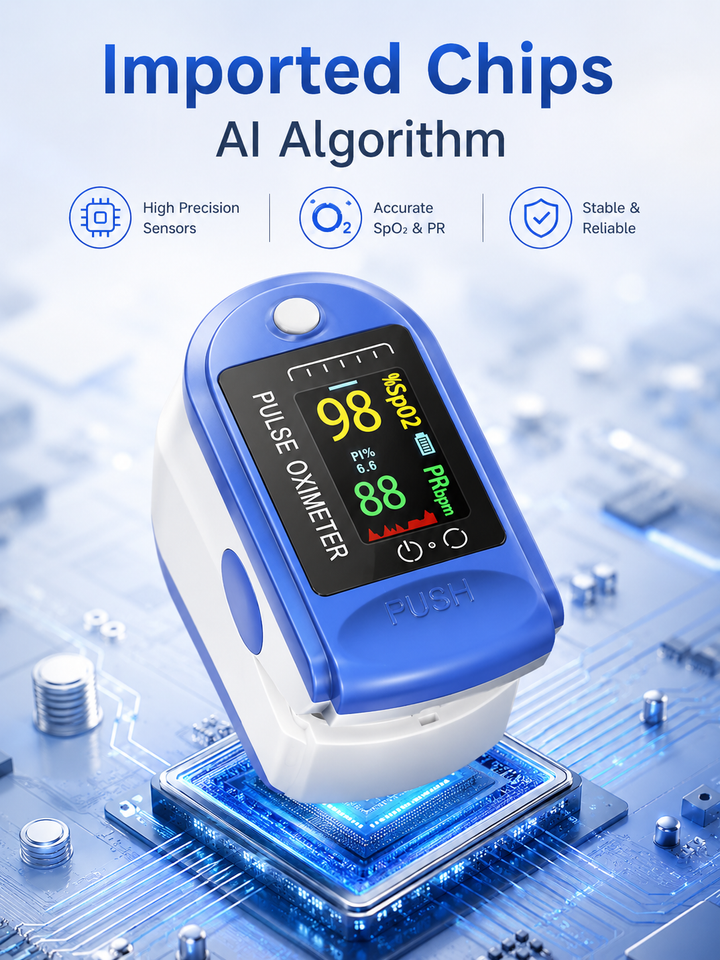

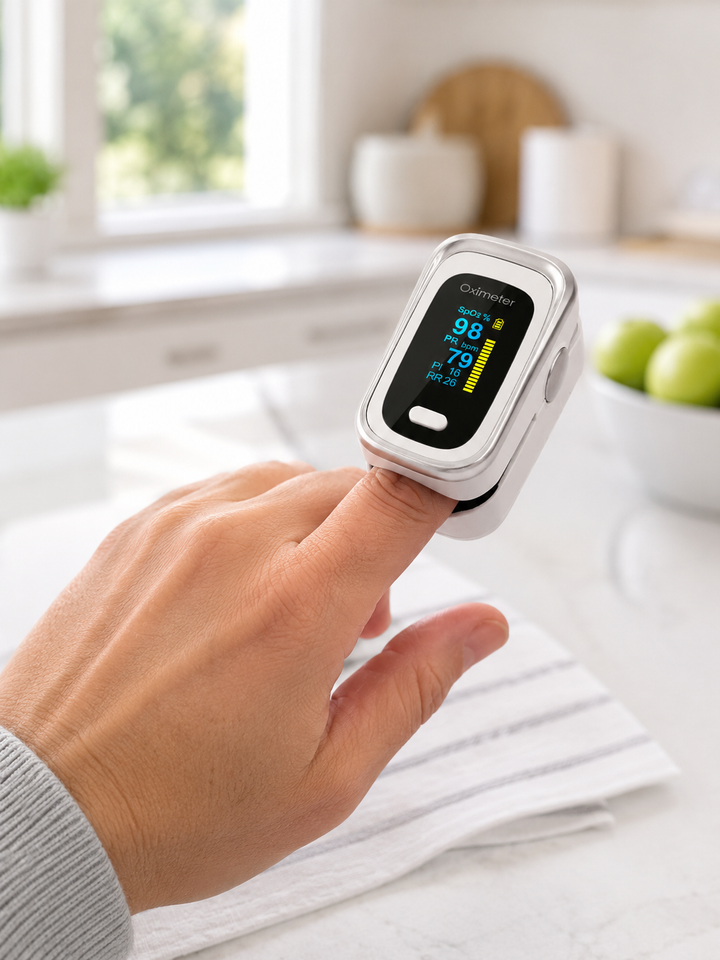
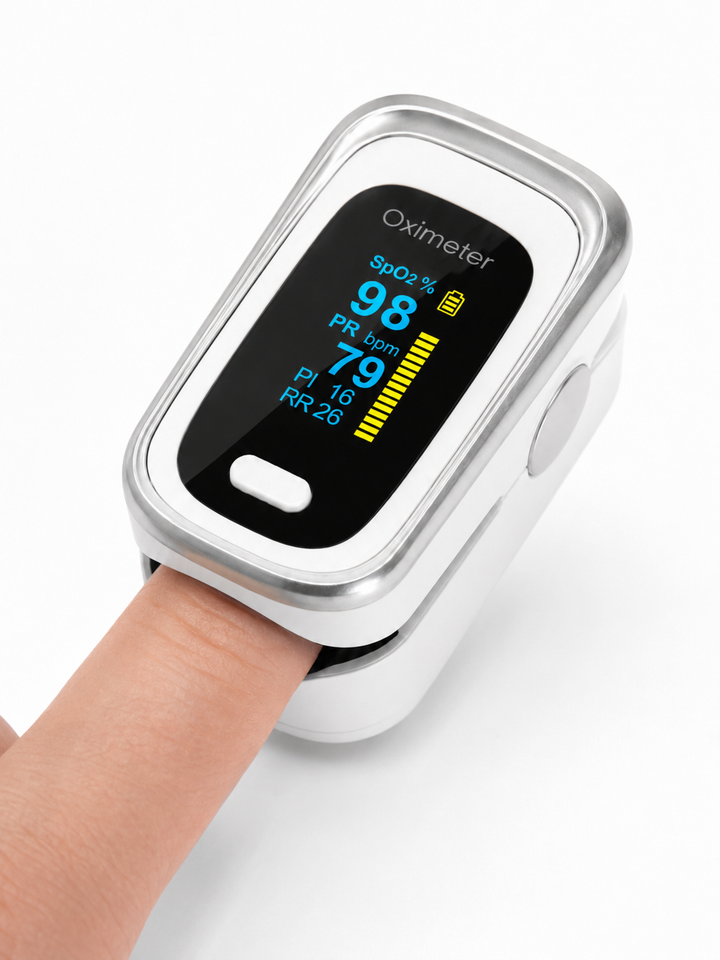
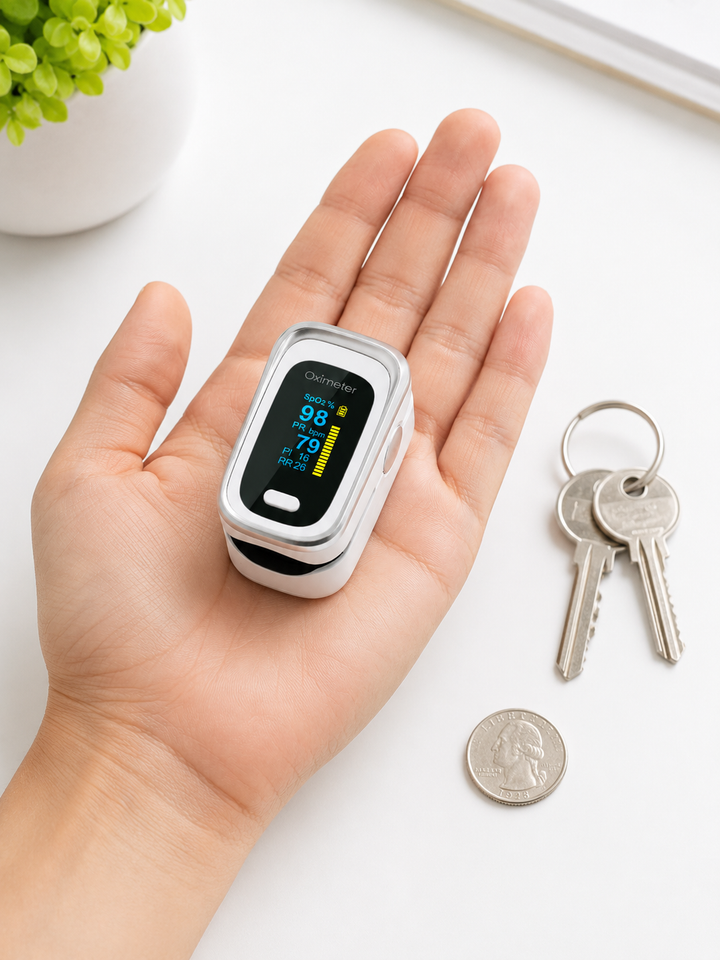


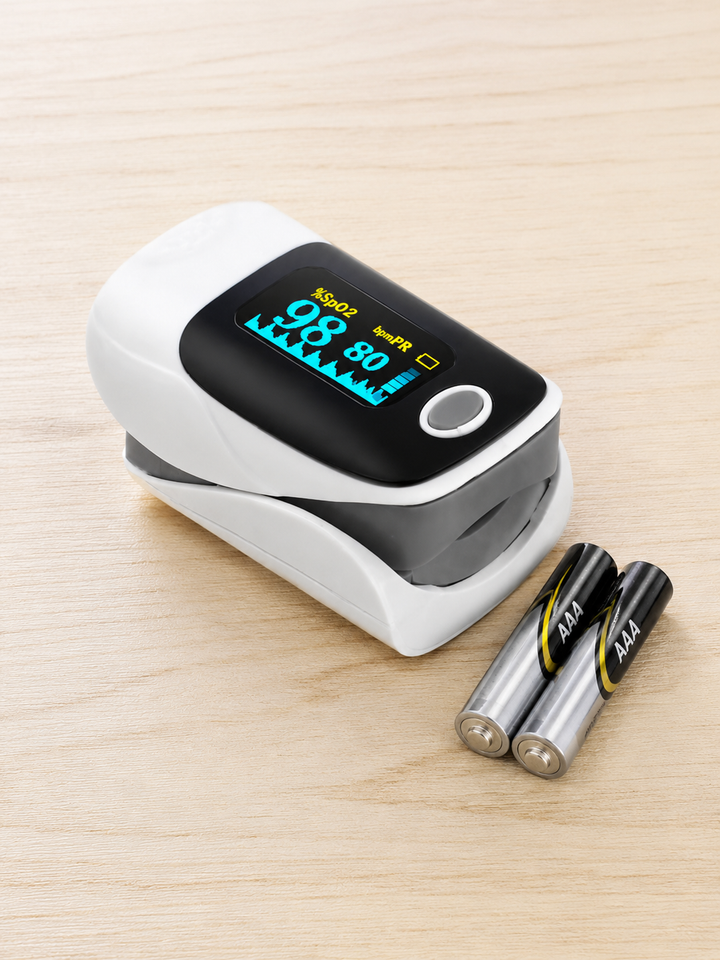
Pulse oximeters are compact fingertip devices designed to display blood oxygen saturation (SpO₂) and pulse rate at home. Compare the available finger pulse ox monitors by display clarity, reading stability, fit, power options, and included measurements before choosing one for your routine.
How do I choose a pulse oximeter for home use?
Start with the measurements you actually want to see. Basic models display SpO₂ and pulse rate, while some 4-in-1 designs also show perfusion and breath-related information. A clear screen matters if you need to read the pulse oximeter from different angles, and a lightweight fingertip design is convenient for occasional checks. Look for simple one-button operation, automatic shutoff, and a secure clip that fits comfortably without excessive pressure. If more than one person will use it, choose a design that is easy to clean between uses. A pulse oximeter is a measurement tool, not a diagnosis. For decisions about symptoms, readings, or treatment, follow guidance from a qualified healthcare professional.
What types of pulse oximeters are available?
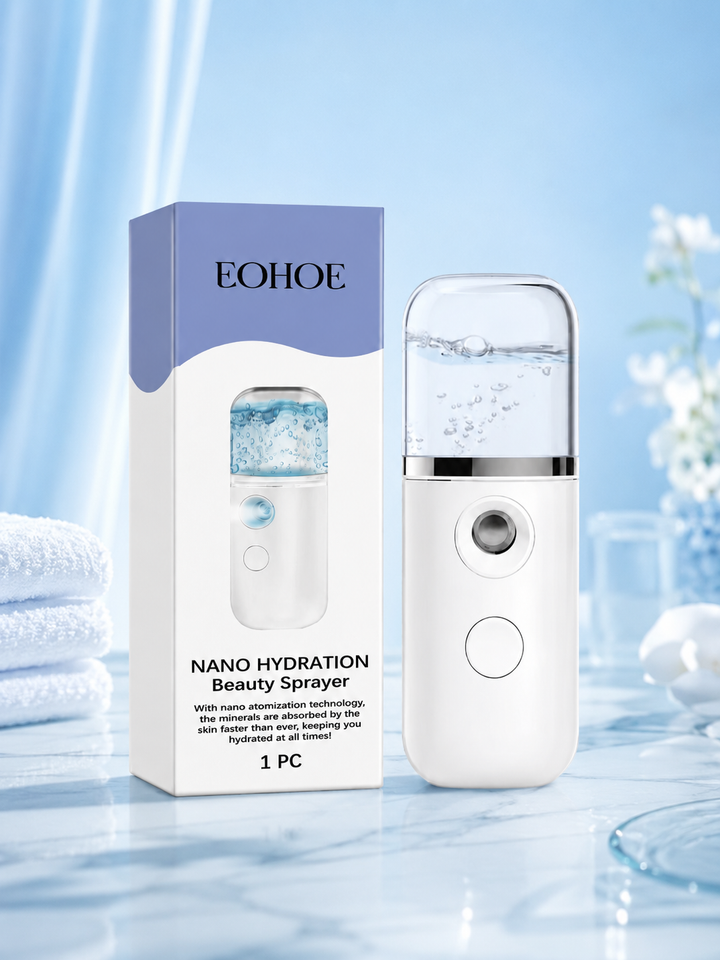
Fingertip pulse oximeters are the most practical choice for many home users because the sensor and display are combined in one small device. A standard finger pulse oximeter may show oxygen saturation and pulse, while a 4-in-1 pulse oximeter can add perfusion and breath-related information for a broader on-screen view. Some models prioritize a bright, easy-to-read display; others focus on compact size for storage or travel. The products in this category are intended for home monitoring, so compare their stated functions rather than assuming every pulse ox monitor has the same sensors, display layout, or accessories. A facial steamer listed nearby is not a pulse oximeter and does not measure blood oxygen or heart rate.
What should I look for in a pulse oximeter?
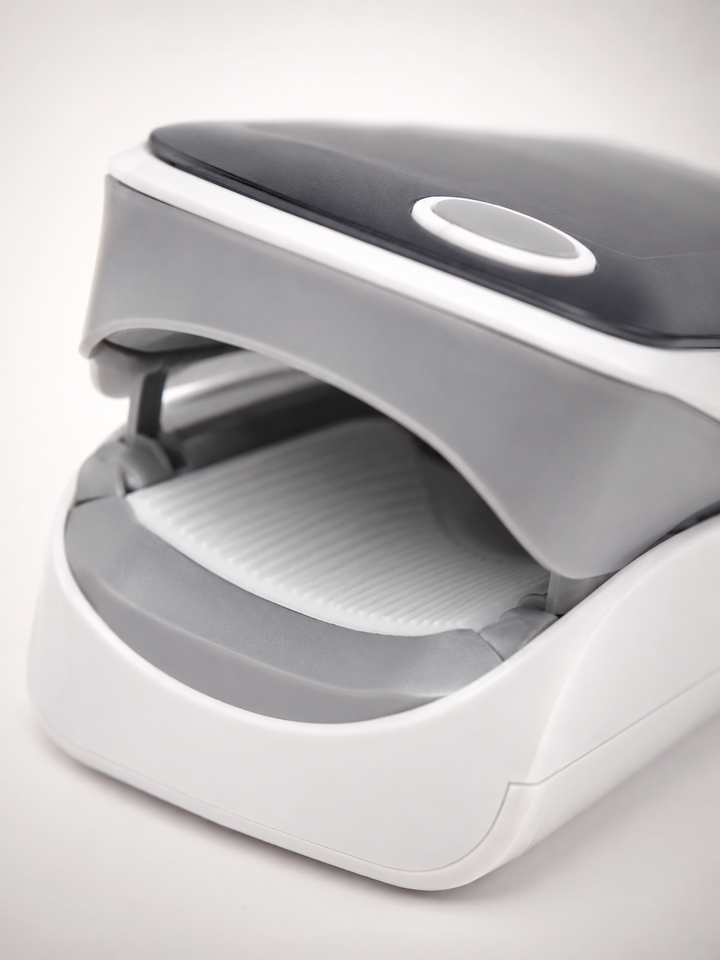
Check the display first: large digits, clear labels, and an orientation that is easy to view can make readings simpler to interpret. Next, consider fit. The clip should sit securely on the fingertip and open smoothly without feeling harsh. A pulse oximeter with a low-battery indicator, automatic power-off, and included batteries can be more convenient for home use. If you want to compare readings over time, choose a model that makes repeated checks straightforward and use the same setup each time. Product descriptions should state whether the monitor shows SpO₂, pulse rate, perfusion, or breath information. Do not choose solely because a listing uses phrases such as “best,” “most accurate,” or “FDA approved”; verify any regulatory information directly from the manufacturer or relevant authority.
How do you use a finger pulse oximeter?
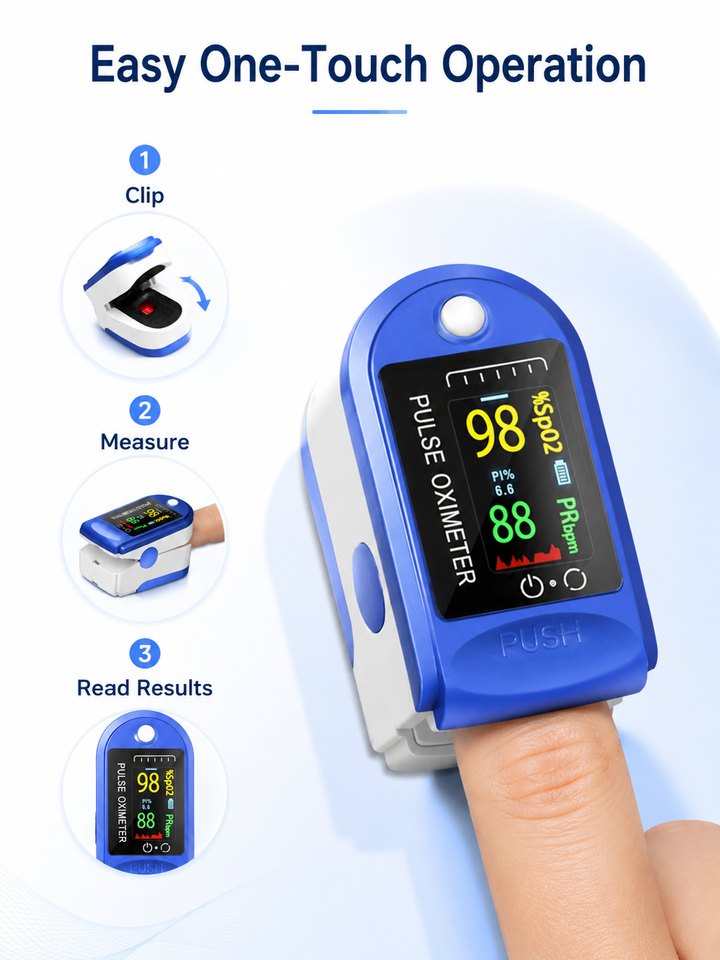
Wash and dry your hands, then sit still and relax before checking. Place the device on a clean fingertip as directed, keep your hand steady, and wait for the display to settle instead of reading immediately after clipping it on. Remove thick nail coverings if they interfere with the sensor, and avoid checking while your finger is cold or moving. Try the same finger and position when comparing readings. The best finger can vary with fit and comfort, so use the one that allows the clip to sit securely and the display to stabilize. Follow the product instructions for battery installation, cleaning, and automatic shutoff. If a result seems unexpected or you feel unwell, repeat the check correctly and contact a healthcare professional for advice.
What are common pulse oximeter mistakes?
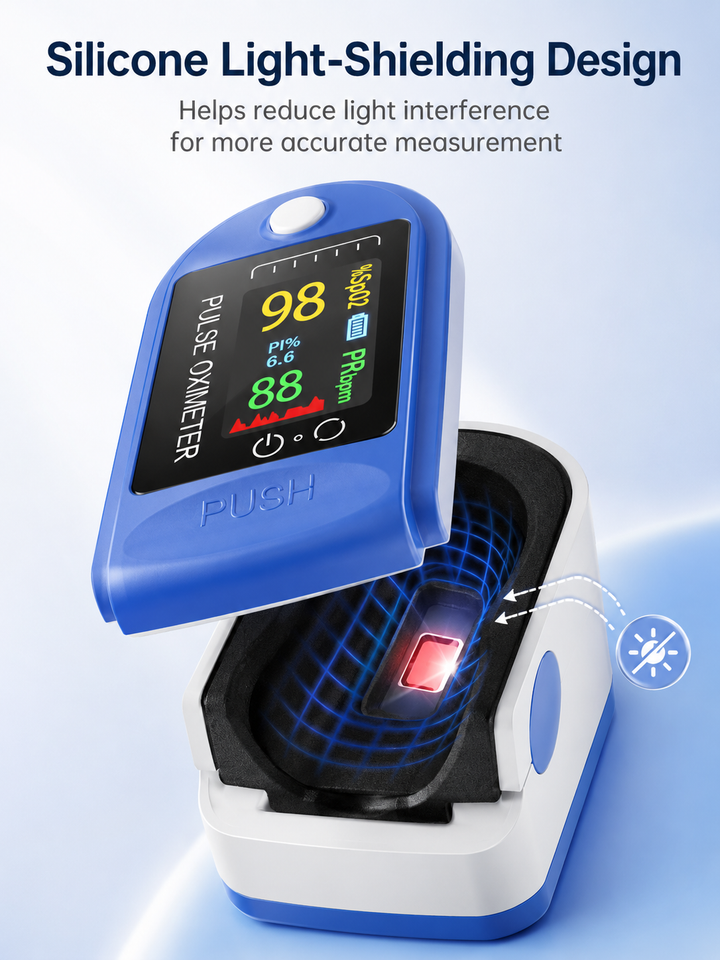
Common errors include moving the hand, placing the clip at an angle, checking over nail coverings, or using the device on a cold finger. Bright light, poor positioning, and a loose fit may also make the display harder to interpret. Do not treat a single number as a complete assessment of your health, and do not rely on an online pulse oximeter readings chart to replace professional guidance. The two primary readings on many devices are SpO₂, shown as a percentage, and pulse rate, shown as beats per minute; they describe different measurements. If readings change repeatedly, look unusual for you, or occur with concerning symptoms, follow your clinician’s instructions rather than changing medication or care based only on the monitor.
Who are home pulse oximeters suitable for?
A home pulse oximeter may suit adults who want a compact way to view SpO₂ and pulse rate during routine checks, travel, or clinician-directed monitoring. Choose a model whose clip fits the intended user and whose display is easy to read. These devices are not a substitute for a medical evaluation, and consumer readings can be affected by movement, temperature, fit, and other conditions. People with an existing health concern should ask their healthcare professional whether home monitoring is appropriate and how to interpret results. If you are shopping for an FDA-cleared or FDA-approved pulse oximeter, check the exact product and intended use through official regulatory information rather than relying on search results, marketplace labels, or consumer reviews alone.
Frequently asked questions
What is a normal reading on a pulse oximeter?
There is no single reading that is appropriate for every person or situation. A pulse oximeter displays SpO₂ and pulse rate, and the result should be interpreted with the user’s symptoms, usual readings, and healthcare guidance. If a result concerns you, contact a qualified healthcare professional.
What pulse oximeter is most accurate?
No device should be called the most accurate without reliable, product-specific evidence and the correct intended use. Look for clear specifications, consistent construction, straightforward instructions, and regulatory information that can be verified through official sources. Correct placement and staying still are also important when taking a reading.
What is a pulse oximeter used for?
A pulse oximeter is a small sensor that displays estimated blood oxygen saturation (SpO₂) and pulse rate. Some models also display measurements such as perfusion or breath-related information. It is a monitoring tool and does not by itself diagnose a condition.
What's the best finger to put a pulse oximeter on?
Use a fingertip that fits the clip securely and allows the display to stabilize, following the product instructions. The index or middle finger may be convenient, but fit, warmth, and stillness matter more than choosing one universal finger. Use the same finger when comparing checks if it remains comfortable and suitable.
How long do you leave an oximeter on to get an accurate reading?
Leave it in place while keeping your hand still and wait for the display to settle, following the monitor’s instructions. The required time can vary by device and conditions, so avoid judging the result immediately after clipping it on. If the reading appears inconsistent, reposition the device and repeat the check.
Is 93 or 94 a good oxygen level?
A reading of 93 or 94 should not be interpreted in isolation because personal baselines, symptoms, device limitations, and healthcare guidance all matter. Recheck the measurement with a warm, still hand and correct placement, then follow your clinician’s instructions. Seek prompt professional advice if the result remains concerning or you have symptoms.