

$34.90
Free delivery · 7–14 days
Disposable Dental Mouth Expander — Hands-Free Patient Comfort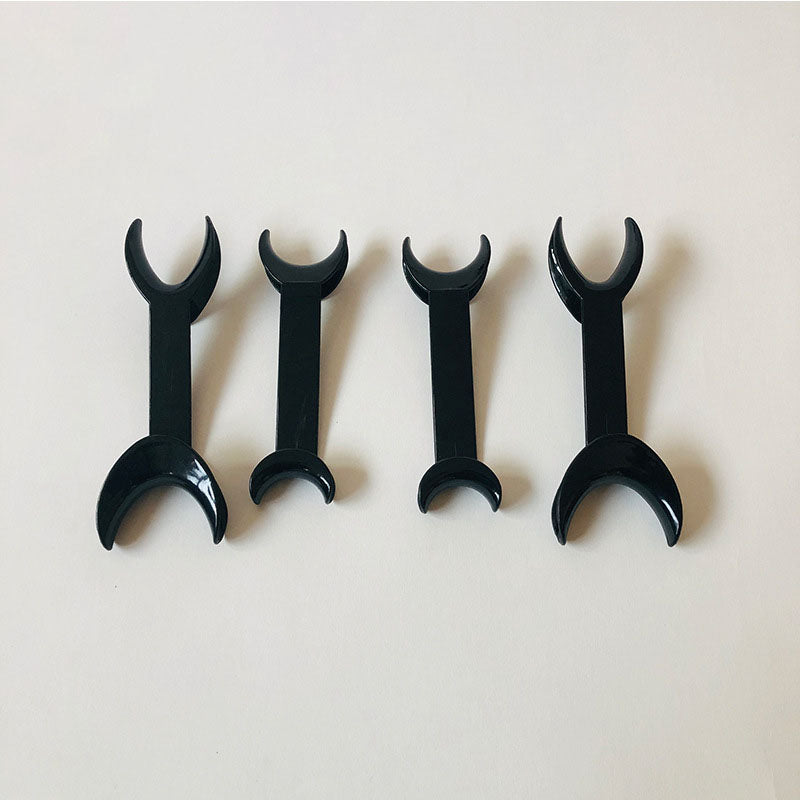
A complete set of sterile disposable oral retractors that gently hold lips and cheeks away, giving dental professionals unobstructed access for every procedure and crystal‑clear intraoral…
Read the full descriptionA complete set of sterile disposable oral retractors that gently hold lips and cheeks away, giving dental professionals unobstructed access for every procedure and crystal‑clear intraoral…
Complete set of disposable oral retractors for clear, comfortable dental access in multiple configurations
A complete set of single-use oral retractors that hold lips and cheeks back without strain, so you can work faster and see better — from routine cleanings to intricate photography.

Crescent‑shaped heads hook both corners in one motion, freeing your hands. Four graduated sizes ensure anatomical fit from small mouths to adult arches.

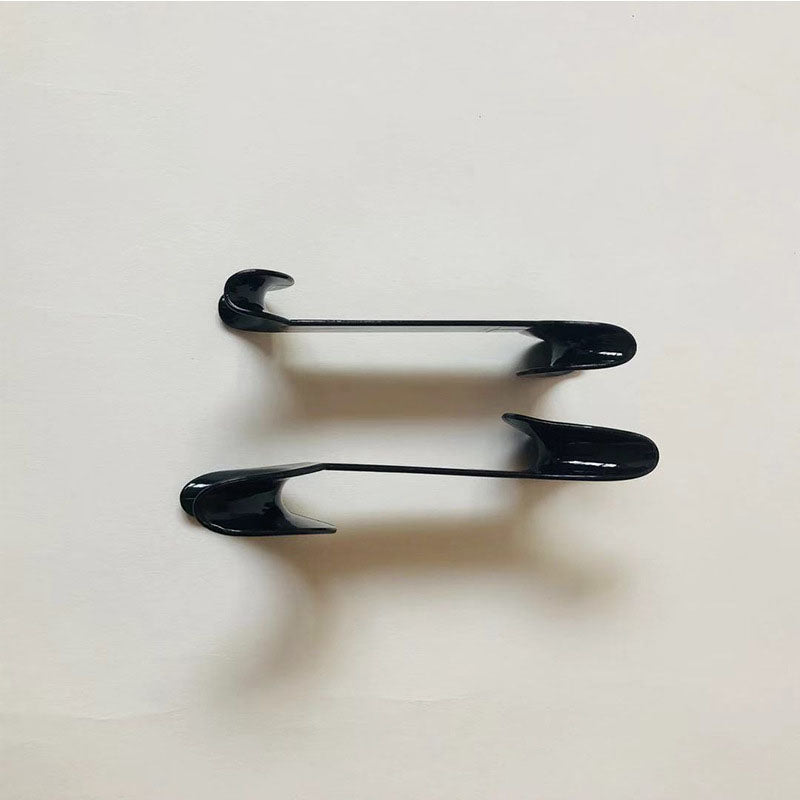
Flexible wire arms sit lightly against the mucosa, ideal for posterior work or patients sensitive to thicker tools. Two per pack mean bilateral setup is instant.

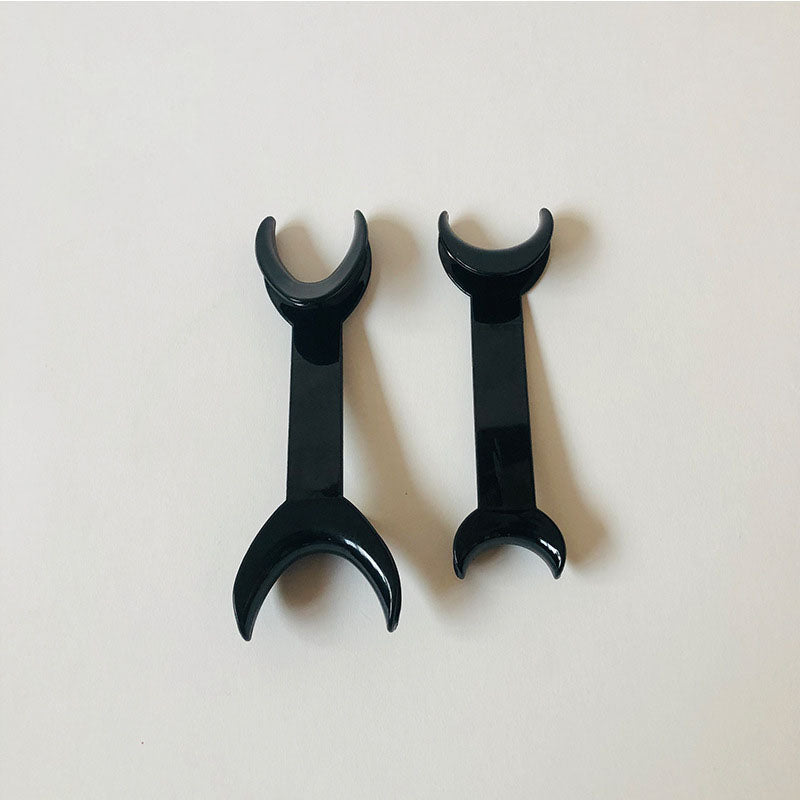
Smooth oval paddles distribute pressure across a wider area, reducing pinch points. Perfect for anterior cosmetic work and intraoral photography where even framing matters.
Ask the patient to open slightly. Gently insert one crescent end into the right corner, then the left. Rotate the handle upward until the retractor self‑locks. Do not force — the curvature should cradle the commissure naturally.
Bend the wire arms slightly outward if needed. Slide one arm behind the cheek, hooking the wire above and below the buccal sulcus. The frame should rest comfortably against the face without pinching. Repeat on the other side.
For the upper lip, place the oval paddle on the vestibule and gently pull outward and upward. The flat paddle distributes pressure evenly. For lower lip work, invert and pull downward. Both lips can be retracted simultaneously with two paddles.
Check retractor stability periodically, especially in longer sessions. If the patient reports discomfort, release tension slightly or switch to a smaller size.
Carefully unhook each retractor and dispose immediately in a clinical waste bin. Do not attempt to clean or reuse.
Dual‑ended, graduated sizes
Flexible arms, light hold
Broad oval ends, two sizes
Manual retraction or bulky reusable tools slow you down and increase cross-contamination risk. One-size-fits-all often doesn't, and patient comfort suffers.
The T-type dual-ended retractor grips both sides at once with gentle crescent wings, while wire and paddle styles offer targeted lifts exactly where you need — all in jet‑black, smooth‑edge plastic.
With four distinct retractor types in multiple sizes, you are covered for orthodontics, whitening, fillings, and intraoral photography — consistently clear access, disposable, and always ready.
| This Set | Reusable Metal | |
|---|---|---|
| Infection control | ✓ Disposable | ✗ Requires sterilisation |
| Multi‑style | ✓ 3 types included | ✗ Often single-style |
| Patient comfort | ✓ Smooth, light | Partial (metal edges) |
| Upfront cost | $ | $$ |
| Ongoing cost | Per patient | After autoclave wear |
| Photography ready | ✓ Black, non‑reflective | Can glare |
Yes. They are manufactured from plastic without reprocessing capability. Dispose after one patient to maintain asepsis and reduce cross-contamination.
No. The material will warp under autoclave temperatures. They are intended for single patient use only.
T-type retractors have curved ends that hook into both corners simultaneously, ideal for full-mouth access. Paddle ends are flatter and wider, providing gentle, even lip retraction perfect for anterior work or photography.
The wire frame is thin and smooth, designed to rest lightly against the mucosa. Most patients report far less discomfort than with bulkier metal retractors. Always use the appropriate size for the patient’s mouth.
Each set includes 4 T-type openers, 2 wire-style cheek retractors, and 2 paddle-style lip retractors — 8 pieces total, covering the most common clinical scenarios.
The smallest T‑type and wire sizes work well for older children and teens with adult supervision. For very young children, consult a paediatric dentist before use.


 Disposable Oral Retractor Set — 4 Styles for Pain-Free