
$69.90
Free delivery · 7–14 days
Battery-Free Portable Water Flosser for Cleaner Teeth


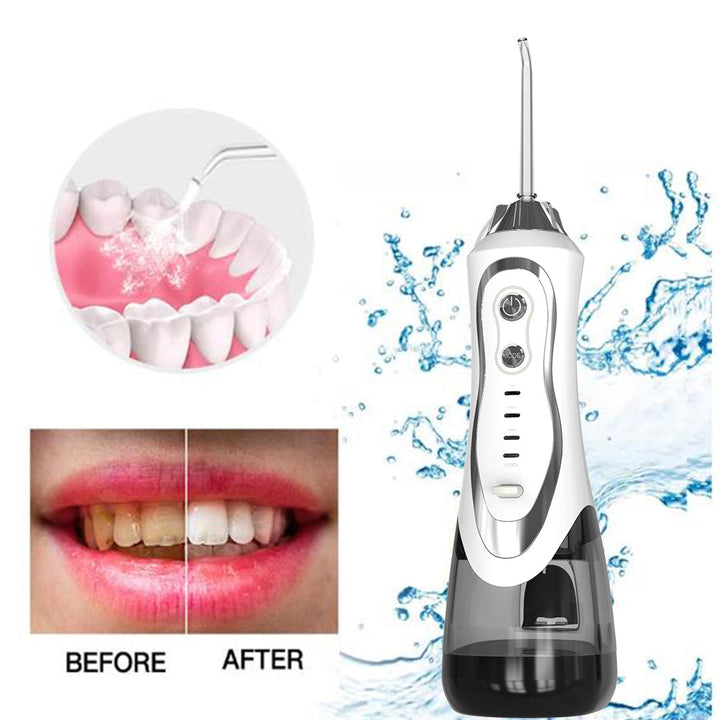


Water flossers use a targeted stream of water to clean between teeth and along the gumline, making them a convenient alternative or addition to string floss. This category includes rechargeable handheld models, countertop-style picks, faucet-connected designs, and complementary oral-care products for different routines and preferences.
Start with how and where you plan to use it. A rechargeable portable water flosser suits travel, small bathrooms, and quick daily routines, while a countertop or faucet-connected model can work well when you prefer a fixed setup. Compare the number of pressure modes, tank or water-source design, nozzle options, charging method, and ease of cleaning. Three pressure modes can help you begin gently and adjust as needed. Look for a sealed, water-resistant body if you expect to use the device near the sink. Shoppers comparing water flossers reviews should also check whether replacement tips are easy to find and whether the reservoir is large enough for a complete session.
Portable water flossers have a built-in reservoir and rechargeable battery, so they are easy to store and carry. They are a practical choice for travel or bathrooms without much counter space. Countertop oral picks generally offer a larger tank, a longer hose, and a broader range of settings, but they need a dedicated place near an outlet. Faucet water flossers connect to a tap and do not require a motorized reservoir, although compatibility with your faucet matters. Some models focus on simple, one-button operation, while others include multiple tips or pressure controls. Choose the design that fits your routine rather than assuming the most powerful water flosser is automatically the best option.
Prioritize controllable water pressure, comfortable handling, and straightforward maintenance. A low setting is useful when you are learning the technique, while higher settings may suit users who prefer a stronger stream. Check whether the unit has a rotating or adjustable nozzle, a pause button, and a reservoir that is easy to remove and rinse. USB recharging is convenient for portable models, especially when traveling. An IPX7-rated design can offer added protection from water exposure when used as directed, but it should still be cleaned and dried according to the instructions. Also consider noise, storage space, tip storage, and the cost of replacement parts before choosing among the best water flossers.
Fill the reservoir with clean, lukewarm water and select the lowest comfortable pressure to begin. Lean over the sink, place the tip in your mouth before switching the stream on, and keep your lips partly closed to reduce splashing. Guide the tip along the gumline and pause briefly between teeth, allowing water to flow into the sink. Follow the product instructions for changing tips and cleaning the reservoir after use. Many people use a water flosser before brushing so loosened food and residue can be rinsed away, but consistency and comfortable technique matter most. If the stream feels uncomfortable, lower the pressure rather than forcing it.
Using too much pressure too soon is a common mistake, particularly with a powerful-looking countertop unit. Start gently and increase only if the stream remains comfortable. Avoid holding the tip in one spot for too long, aiming the stream directly at sensitive areas, or using hot water that may irritate your mouth. Do not share tips unless the product is specifically designed for that use, and replace worn or damaged tips as directed. Leaving water in the tank can also create unpleasant buildup, so empty and rinse it after use. Finally, do not treat a water flosser as a reason to skip brushing; it is intended to fit into a complete oral-care routine.
Water flossers can suit shoppers who find string floss awkward, want a rinsing sensation, or need a convenient option for cleaning around dental appliances and hard-to-reach areas. Portable models are useful for frequent travelers, while countertop and faucet designs may suit households that want a dedicated sink-side device. A gentle setting can make the learning process more comfortable, but everyone should follow the product instructions and stop if use causes persistent discomfort. If you have questions about whether a water flosser fits your specific dental needs, ask a dental professional. Complementary items such as foaming mouthwash, tooth powder, or oral-care mousse should support—not replace—brushing and professional advice.
Many dental professionals recognize water flossers as a useful option for cleaning between teeth and around the gumline. Recommendations can vary by person, so ask your dentist or hygienist which type, pressure, and technique fit your routine.
The best water flosser depends on your priorities. Choose a rechargeable portable model for travel and limited counter space, a countertop unit for a larger reservoir and more settings, or a faucet model if you prefer a tap-connected design.
There is no single model that is right for every shopper or every dental routine. Compare pressure control, tip options, cleaning requirements, water capacity, and comfort, then ask your dental professional for personalized guidance.
A water flosser and string floss use different cleaning methods, and the best choice depends on your technique, comfort, and dental needs. A water flosser can be a convenient alternative for some people or an addition to brushing and other between-teeth cleaning.
Water flossers require filling, rinsing, and occasional cleaning, and some models take up counter space or need regular charging. They can also splash if used incorrectly, and high pressure may feel uncomfortable, so begin with a gentle setting.
Many people use a water flosser before brushing to help dislodge food and rinse the mouth first. Either order may work if you use both consistently and follow the instructions for your device.
Only use mouthwash or other solutions if the product instructions specifically allow them. Plain, lukewarm water is the simplest choice, and the reservoir should be emptied and rinsed after each use.
Browse related: Shop all Portable Pet Water Bottles for Dogs & Cats on the Go · explore tartar removal at home: ultrasonic scaler tools for teeth.