
$54.90
Free delivery · 7–14 days
Poseable Skeleton Anatomy Toy for Hands-On Science Learning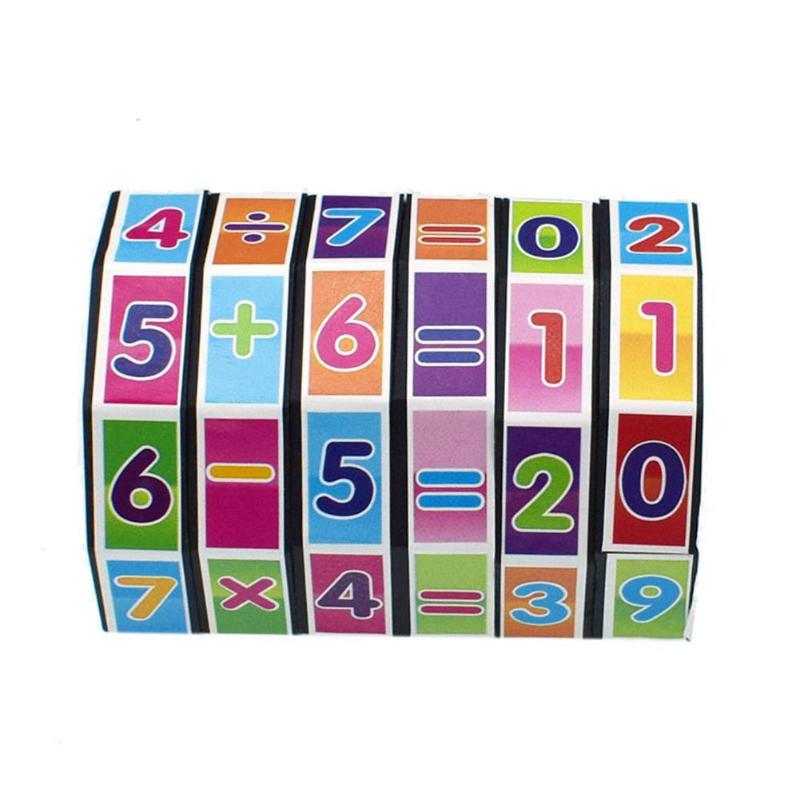
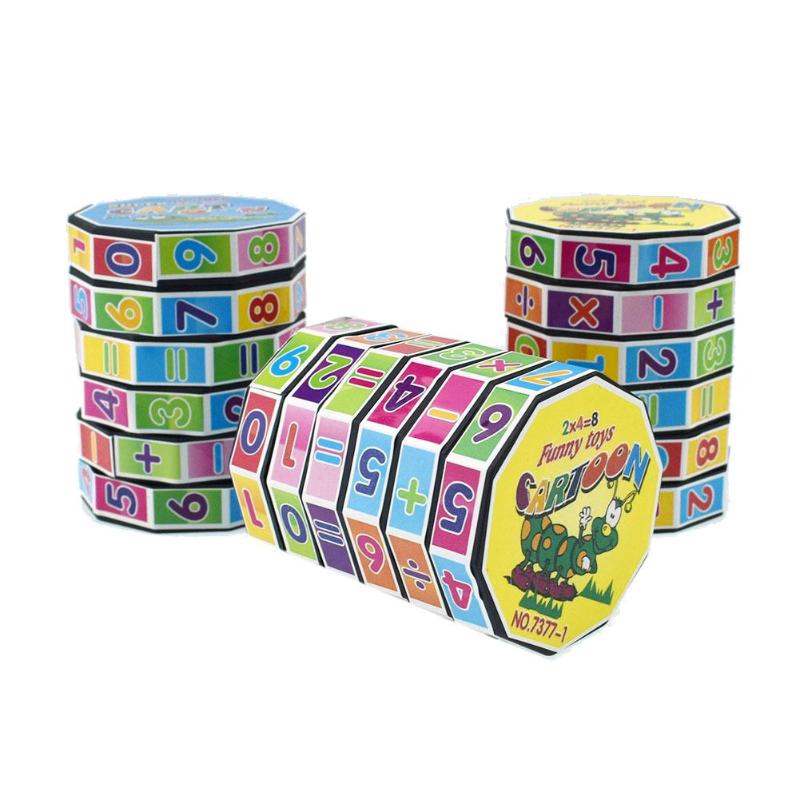
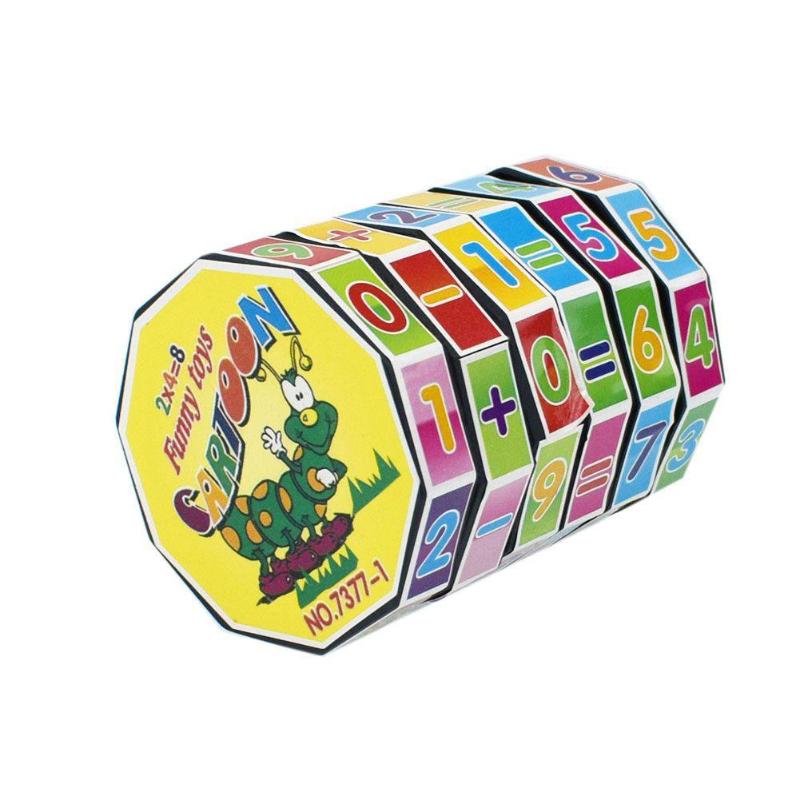
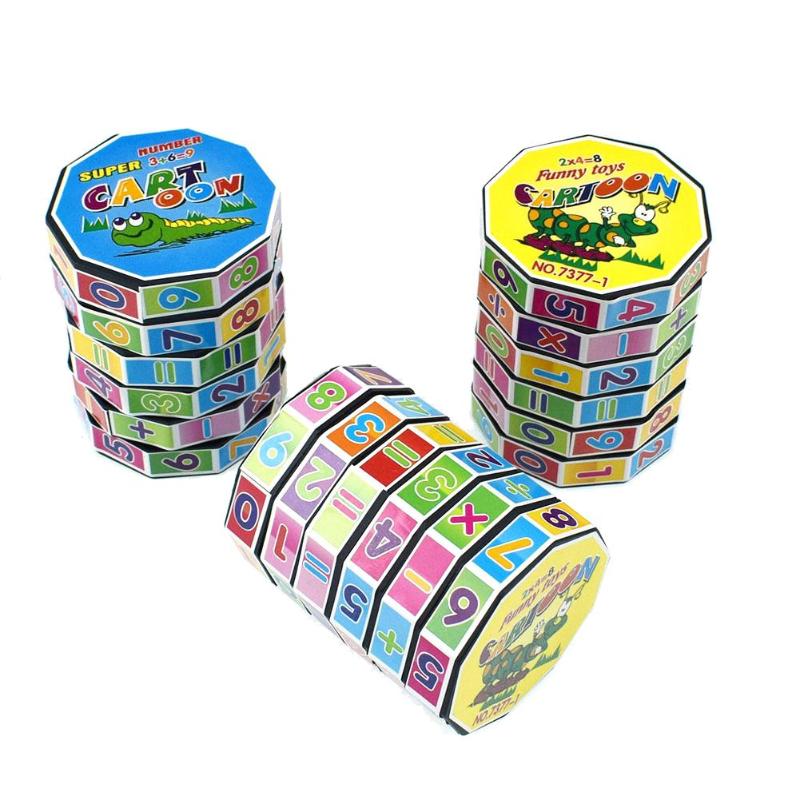
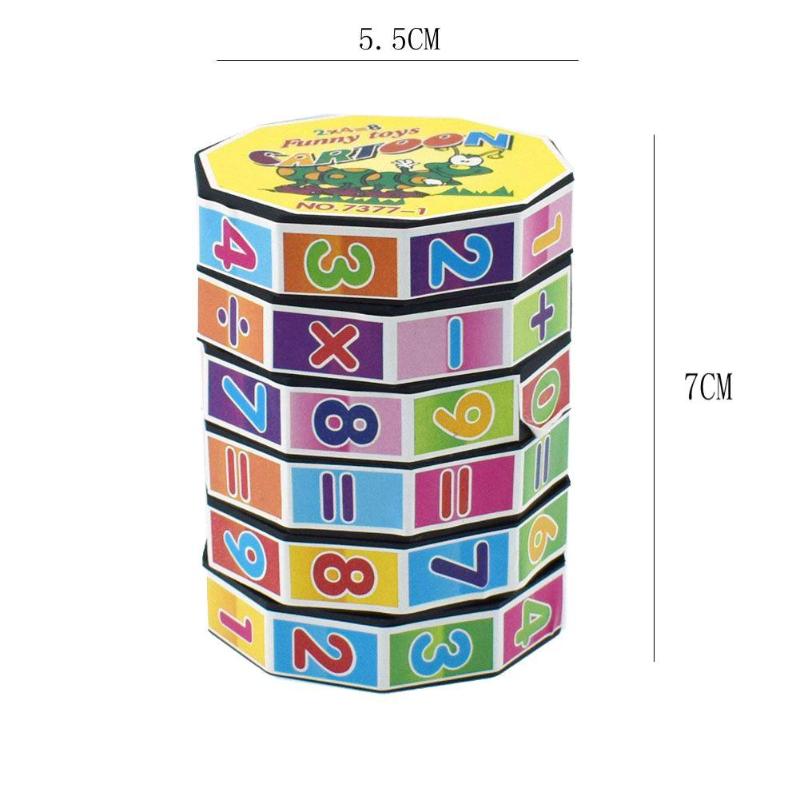
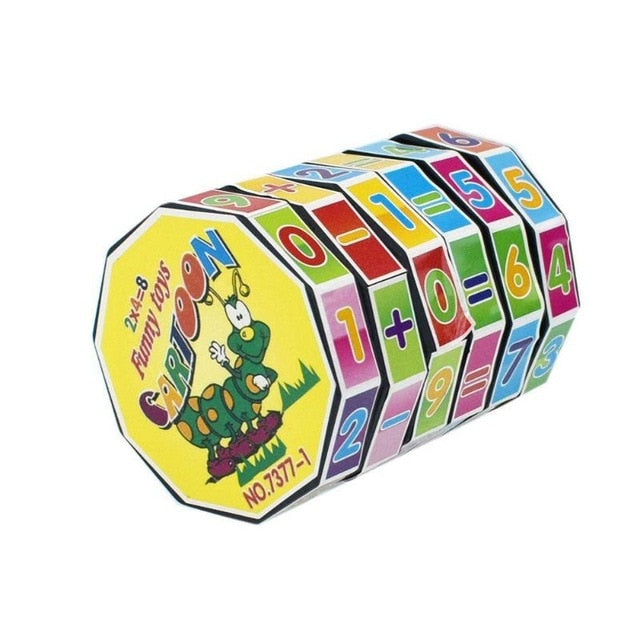
A rotating cylinder that turns arithmetic practice into a hands-on puzzle. Kids twist colorful number bands to build and check addition, subtraction, multiplication and division equations, no screen r
Read the full descriptionA rotating cylinder that turns arithmetic practice into a hands-on puzzle. Kids twist colorful number bands to build and check addition, subtraction, multiplication and division equations, no screen r
Hands-on rotating math puzzle for practicing early arithmetic
Turn number practice from a passive worksheet task into hands-on equation building. Children rotate colorful bands, align symbols and check simple arithmetic through screen-free play.
The rotating number bands and printed operation symbols let a child physically line up the parts of an equation instead of only staring at one on a page. They turn a band, watch the number change, and see the problem take shape piece by piece.

Addition, subtraction, multiplication and division symbols are all printed onto the bands, so the toy grows with the child. Start with simple addition, then move to subtraction and beyond once the basics feel familiar.

This is a compact, stackable-looking cylinder that fits in a backpack, a car door pocket or a shelf by the kitchen table. No charging, no app, no screen, just a toy that's ready the second a child wants to practice.
Let your child spin the bands freely first. Ask them to point out numbers they recognize before introducing any operation.
Choose a single operation, like addition, and rotate the bands until it lines up between two numbers your child already knows.
Have the child say the equation as it appears on the cylinder, then rotate one band to change the answer and try again.
Once addition feels easy, introduce subtraction, then multiplication and division symbols as your child is ready for each step.
Glossy molded plastic body with printed number and symbol bands
Another worksheet lands on the table and the pencil starts to drag. Numbers on a flat page don't move, don't respond, don't invite a second look. A child who could work through a problem loses the thread halfway down the row, not because the math is too hard, but because nothing about it asks to be touched.

Something shifts the moment a child gets to spin instead of just write. Each segmented band clicks into place, a number lines up under a plus or minus sign, and suddenly the equation isn't something to solve on command. It's something they built with their own hands and can rebuild differently the next time.
The cylinder goes back on the shelf, into a bag for the car, onto a classroom table between lessons. It's compact enough to reach for without ceremony, so a five-minute practice moment happens more often, not because anyone scheduled it, but because it's genuinely easy to pick back up.
| Rotating Cylinder | Worksheet | Math App | |
|---|---|---|---|
| Physical interaction | Yes | No | No |
| Screen-free | Yes | Yes | No |
| Visual equation building | Yes | Partial | Partial |
| Reusable without printing | Yes | No | Yes |
| Travels without a device | Yes | Yes | No |
It's built for preschool through early elementary children, right around the stage where they're learning to recognize numbers and connect them to simple operations. A child already comfortable with multi-digit arithmetic will likely outgrow it quickly, but for the early stage it's aimed at, the compact size and bold printing make it easy for small hands to use.
Yes. All four operation symbols are printed on the rotating bands along with equation symbols, so the toy can grow from simple addition into more advanced operations as your child's skills develop.
Once a child understands the rotating mechanism, most can explore numbers and simple equations on their own. Guided sessions help most when introducing a new operation for the first time, then independent play tends to follow naturally.
Yes. It's a compact, stackable-looking cylinder that fits easily in a bag, a car door pocket or a classroom bin, which is exactly why it works for road trips, waiting rooms and rotating math stations.
Think of it as a supplement, not a replacement. It gives children a physical, screen-free way to practice the same arithmetic concepts they see on paper, which tends to make repeat practice feel less like a chore.
It's a glossy molded plastic cylinder. Wipe the surface with a slightly damp cloth as needed and avoid soaking it, since that helps protect the printed bands over time.


 Digital Math Cube Toy for Hands-On Arithmetic Practice