Skip to content
Similar
-32%
In stockautomotive maintenance Buyer protection
wanelo Original

Belt Silencer Spray for Reduced Automotive Belt Noise

Product type
Automotive belt-care spray
Format
Aerosol spray can
Material
Metal
Texture
Liquid
Applicator
Spray
Protection
Protective cap
Size
Compact
Use
Automotive belt noise and rubber-belt maintenance
$40.90$60.00
Save $19.10
or $10.22 × 4 with Wanelo Pay · 0%
1
Free delivery in 7–14 days
tracked shipping, worldwide
30-day returns
easy returns & buyer protection on every order
Secure checkout
SSL-encrypted payment
Sold & shipped by wanelo
Official store
Belt Noise Care

Turn belt squeal into a quieter drive

Abnormal belt noise can make every trip feel like a warning sign. Add a simple maintenance step for a quieter-sounding engine bay and supported rubber-belt care.

TARGETED MAINTENANCE

Built For Belt Care

This is a focused belt-care spray, not a general engine cleaner. Each detail supports a controlled maintenance routine for owners who want a practical response to belt noise.

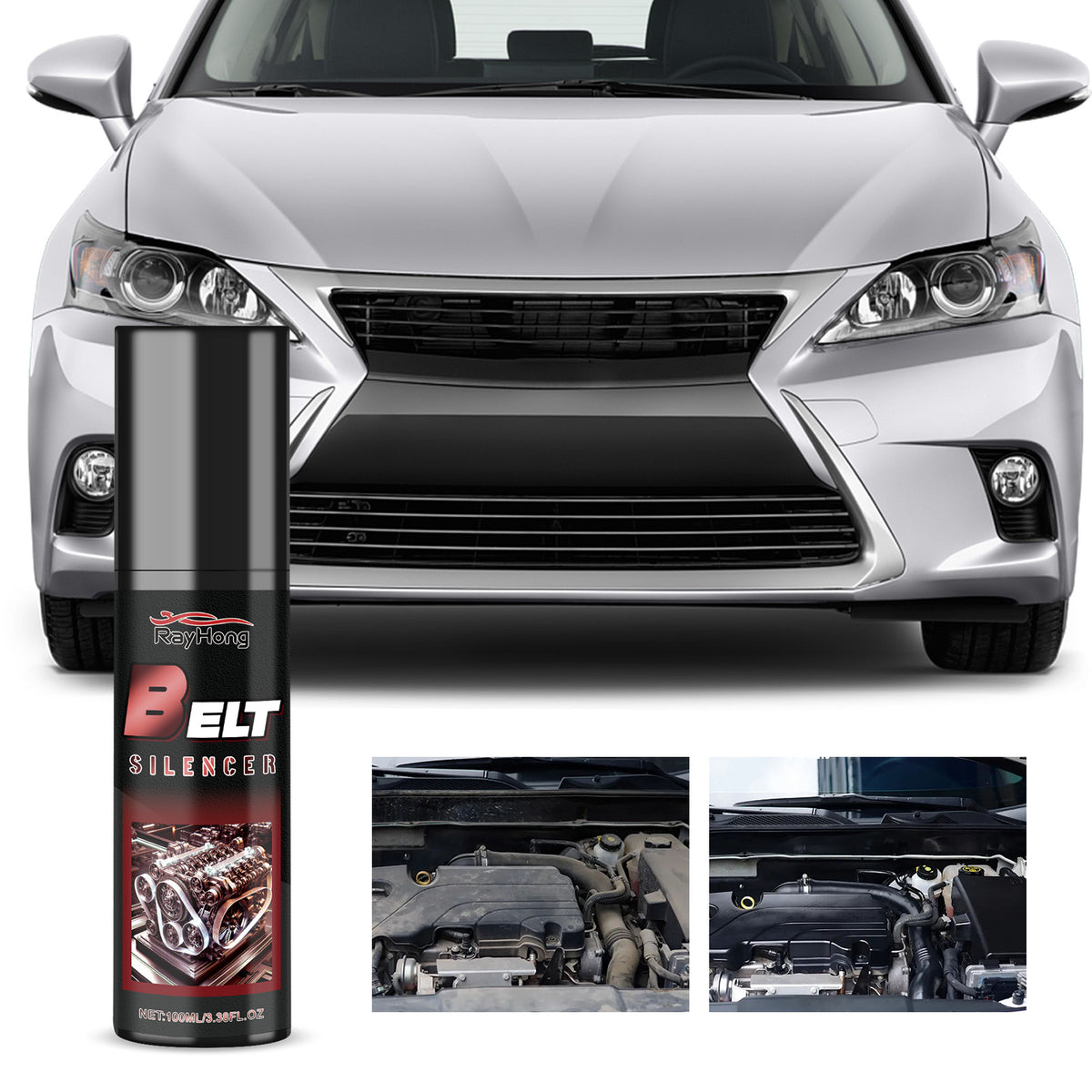
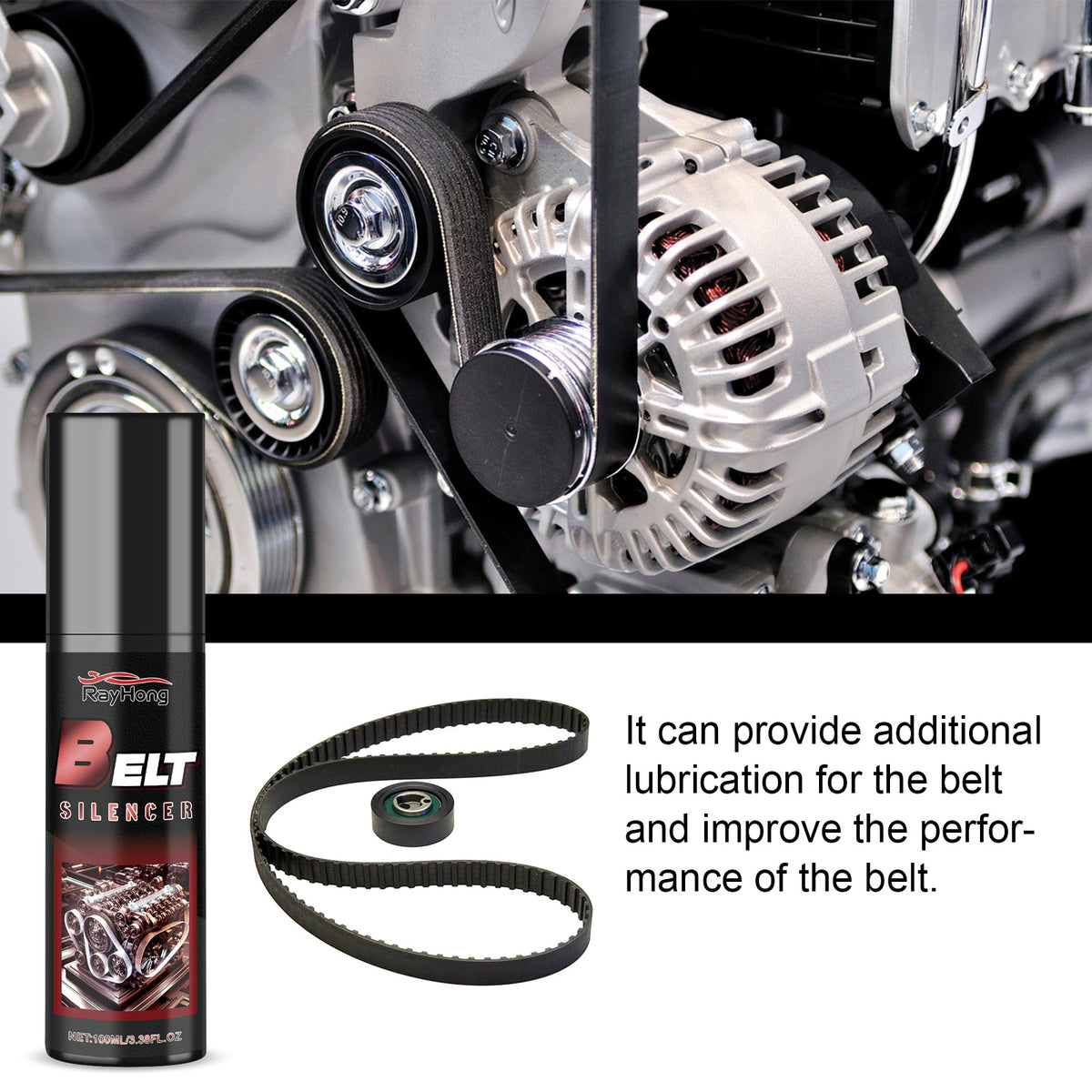
Belt Silencer shown beside automobile engine bay
BELT-SPECIFIC USE

Targeted Noise Care

The product is presented for abnormal automotive belt noise and aging rubber-belt maintenance. That focused use makes it a more considered choice than reaching for a general-purpose spray.

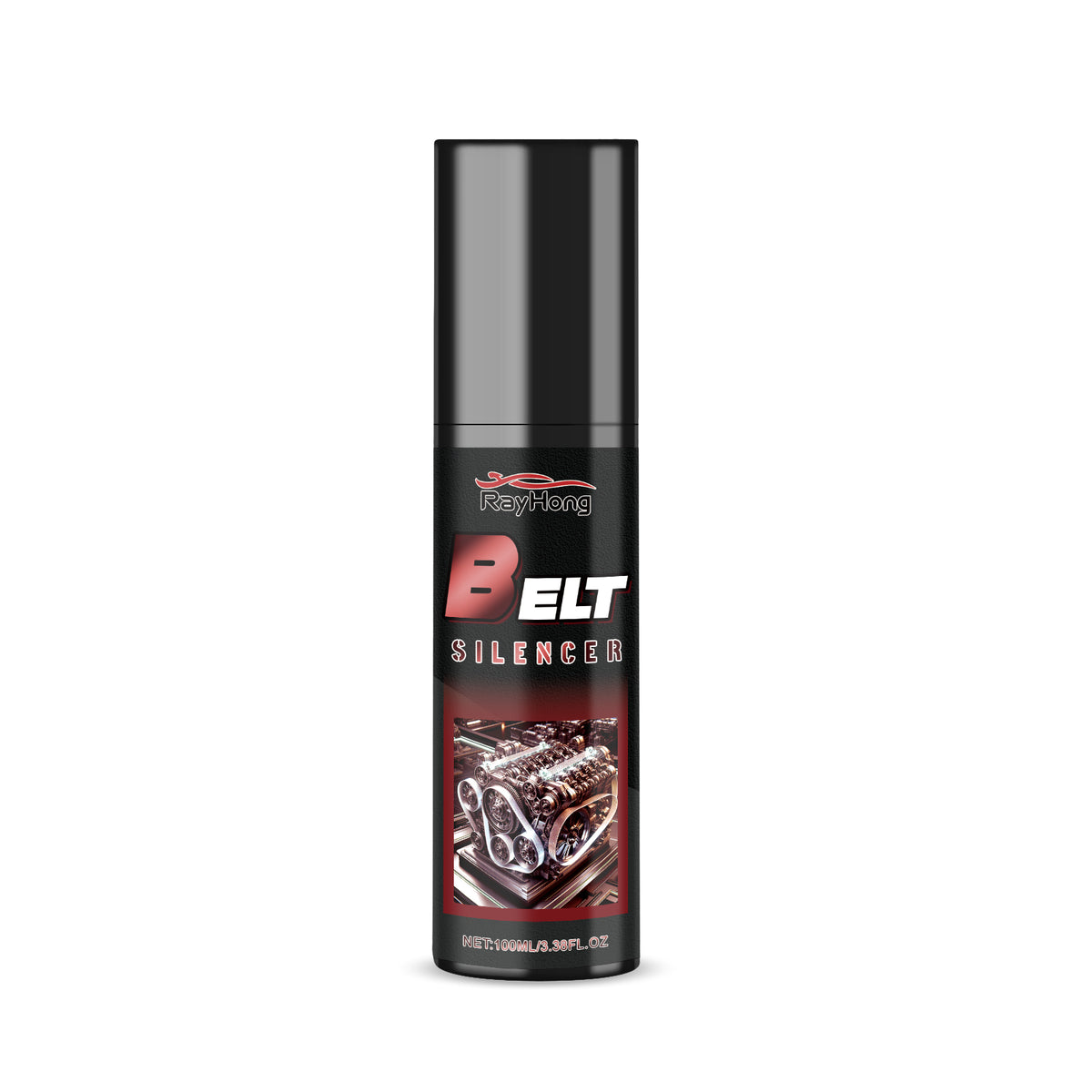
Front label and spray format close product view
EASY APPLICATION

Simple Aerosol Control

The compact can and spray applicator are easy to keep with garage supplies. Used with the engine off and according to the label, the format supports a controlled engine-bay maintenance step.

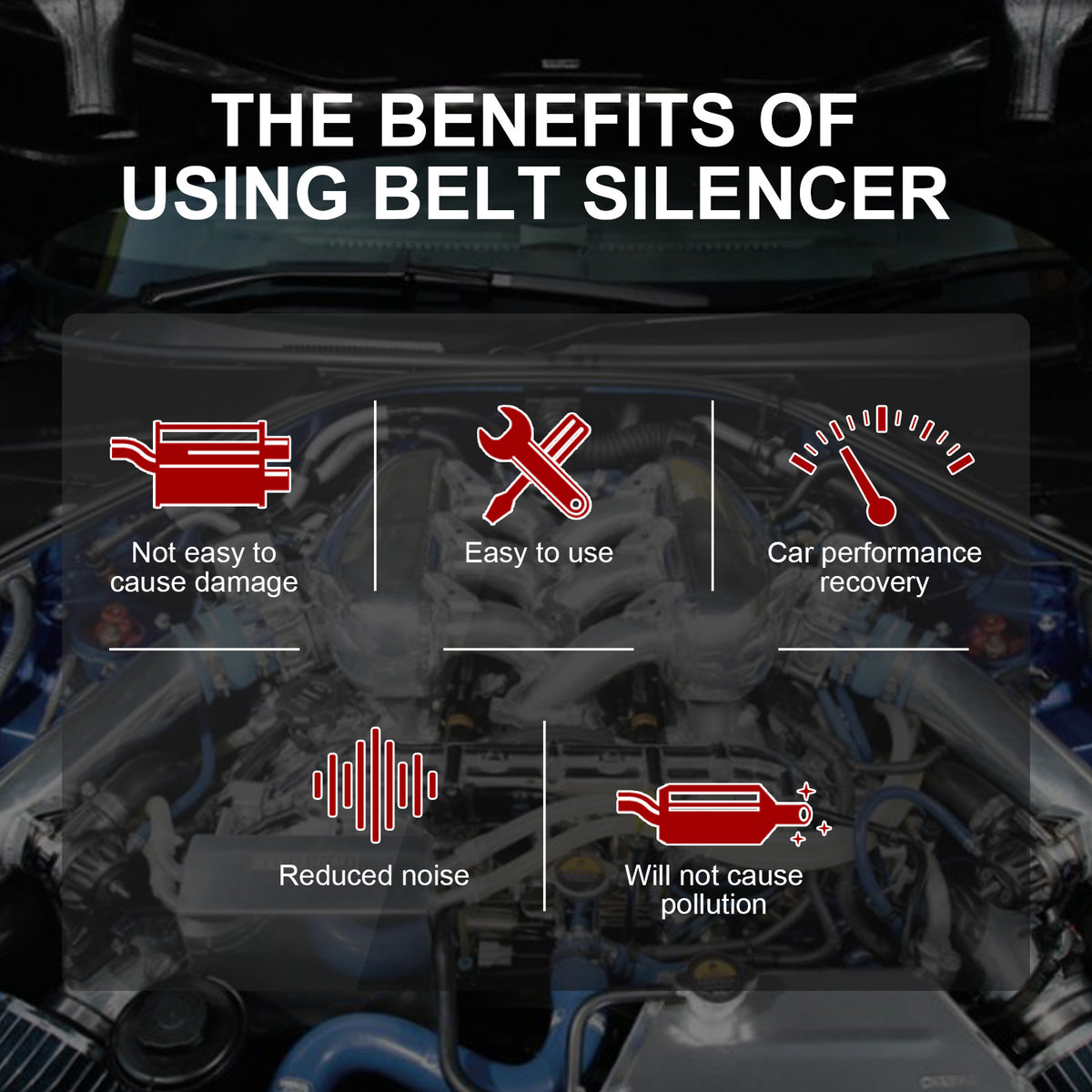
Belt Silencer benefits graphic with automotive claims
MAINTENANCE SUPPORT

Supports Rubber Care

The stated protection-and-maintenance purpose frames Belt Silencer as care support for aging rubber belts. It is not a replacement for a cracked, frayed, glazed, loose, or badly worn belt.

FIRST-HAND

What Owners Notice

Real-world impressions from drivers using a focused belt-care step during everyday vehicle maintenance.

4.8
9 reviews
7questions
O
Owen T.
Verified buyer | Fresno
★★★★★

Bought it for the squeal at startup. It gave me a sensible maintenance step before I decided what needed checking next.

B
Benji Hayes
Community review | Bend
★★★★★

I keep it with the older sedan supplies. The belt noise is less distracting after routine engine-bay care.

P
Pia Silva
1st purchase | Missoula
★★★★★

Compact can, clear purpose, protective cap. It fits neatly in my home garage kit.

K
Kai D.
2nd purchase | Hoboken
★★★★☆

Used it after hearing a chirp near the belt. The spray was straightforward, though I wanted more vehicle-compatibility guidance.

Z
Zara P.
3rd purchase | Charleston
★★★★★

I used it as part of a pre-trip check instead of ignoring the noise. The can is easy to keep beside my car-care tools.

K
Kalinda Ellis
Repeat customer | Des Moines
★★★★★

Picked this up for intermittent squeal on my pickup. Purpose-specific and easy to store.

Z
Zane Patel
Verified buyer | Wichita
★★★★★

I wanted a low-commitment step before booking a diagnosis. It made sense for the belt-care part of the check.

V
Vivienne A.
Community review | Asheville
★★★★☆

Used it with my dad during basic care on my car. The packaging made the purpose clear, but spraying around nearby parts felt a little fiddly.

I
Imani M.
1st purchase | Plano
★★★★★

Added it to the maintenance kit for the vehicles I look after. Handy when belt noise shows up during a routine check.

USE WITH CARE

A Simple Spray Routine

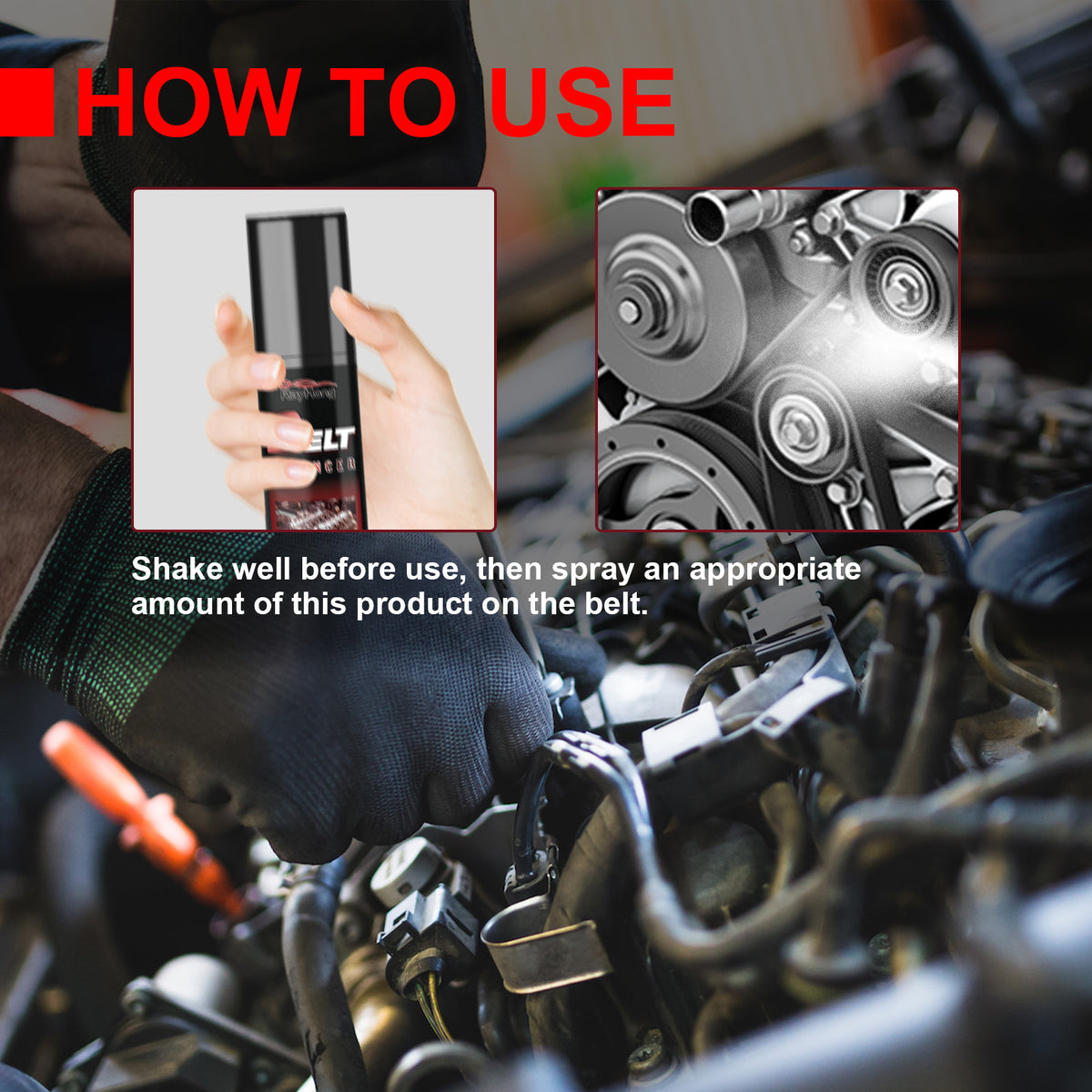
Keep the process controlled. The engine must be off, the belt area should be cool, and the product should be used only as directed on the can.

1

Listen And Inspect First

Confirm the sound appears belt-related and check for obvious cracks, fraying, glazing, missing ribs, or other visible damage before reaching for the spray.

2

Switch The Engine Off

Let the engine cool. Keep hands, clothing, tools, and the spray nozzle away from moving parts, hot surfaces, electrical components, hoses, and painted areas.

3

Apply With Control

Read the label, shield nearby components, and apply only where the instructions permit. Avoid broad overspray across the engine bay.

4

Monitor The Sound

Listen under similar driving conditions. If the squeal continues, worsens, or returns quickly, stop using the spray and arrange inspection of the belt system.

THE PRACTICAL STEP

Before You Replace Parts

Use the spray as a focused first maintenance step when the belt appears intact, while keeping proper diagnosis in view.

Belt SilencerFOCUSED FIRST STEPIgnore The SquealReplace Without Confirmation
Made for automotive belt-noise careYesNoNo
Supports a controlled maintenance routineYesNoPartial
Repairs a damaged belt or faulty pulleyNoNoNo
Keeps diagnosis in viewYesNoPartial
Lower-commitment step before serviceYesYesNo
THE QUIETER ROUTINE

From Squeal To Control

A recurring belt squeal deserves attention, not guesswork. Belt Silencer gives DIY owners a focused maintenance step while keeping inspection in the picture.

Belt Silencer beside car engine bay context
CHAPTER 01

The Squeal You Notice

A sharp chirp at startup or acceleration can turn an ordinary drive into a source of stress. The sound is irritating, but it can also point to an aging belt, pulley, tensioner, alignment issue, or another component that needs attention.

Compact Belt Silencer can for garage maintenance
CHAPTER 02

A Focused First Step

Belt Silencer is a compact automotive aerosol made for abnormal belt noise and aging rubber-belt maintenance. Its purpose-specific format gives you a straightforward option to keep in a garage kit before deciding whether the belt system needs further service.

Close view of Belt Silencer automotive label
CHAPTER 03

Quieter, Still Alert

Reduced belt noise can make the engine bay sound calmer and the drive feel less distracting. If the noise persists, worsens, or returns quickly, treat that change as a reason to inspect the belt, pulleys, and tensioner rather than repeatedly masking the symptom.

About this item

Main information
Categoryautomotive maintenance
Details
Product typeAutomotive belt-care spray
FormatAerosol spray can
MaterialMetal
TextureLiquid
ApplicatorSpray
ProtectionProtective cap
SizeCompact
UseAutomotive belt noise and rubber-belt maintenance
Documents verified

A quieter-sounding engine bay starts with a focused maintenance step. Belt Silencer spray supports abnormal belt-noise care and aging rubber-belt maintenance for DIY vehicle owners.

Helps reduce abnormal automobile belt noise while supporting rubber belt protection and maintenance

  • Squealing or abnormal belt noise
  • Aging rubber belt maintenance
  • Unwanted engine-bay noise
CLEAR ANSWERS

Questions Before Spraying

The right use case is simple: focused belt maintenance with responsible inspection, not a substitute for repair.

Can this fix a cracked, glazed, loose, or badly worn belt?
No. Belt Silencer supports belt care and reduced noise, but it cannot repair visible belt damage or a failed component. Arrange inspection or replacement when the belt is cracked, frayed, glazed, loose, or badly worn.
Is it safe to spray while the engine is running?
No. Switch the engine off and let it cool before application. Moving belts, pulleys, and fans can catch hands, clothing, tools, or the nozzle.
Can I use it around pulleys, tensioners, hoses, or electrical components?
Use it only where the label permits and control the spray carefully. Shield nearby parts and avoid broad overspray across pulleys, tensioners, hoses, electrical components, hot surfaces, and painted areas.
How do I know whether the noise is actually coming from the belt?
A belt-like squeal is not enough to confirm the source. Pulleys, tensioners, bearings, alignment, and other engine accessories can make similar sounds. Have persistent or uncertain noise diagnosed.
Is this suitable for every automotive drive-belt material?
Do not assume universal compatibility. Check the product label and your vehicle requirements before use. If the belt material or application is unclear, ask a qualified technician.
Why use a belt silencer instead of replacing the belt immediately?
It gives you a focused, lower-commitment maintenance step when the belt appears intact and you are investigating intermittent noise. It does not replace inspection or justify delaying a needed repair.
What should I do if the noise continues after application?
Stop repeated application and inspect the belt system. Persistent or returning noise can point to wear, tension, alignment, pulley, tensioner, bearing, or another mechanical issue.
QUIETER STARTS

Give The Squeal A Safer Response

Add to cart
ALSO CHECK

More Car-Care Tools

You might also like

$40.90$60.00