
$64.90
Free delivery · 7–14 days
Boob Tape for Backless & Low-Cut Outfits, Waterproof Lift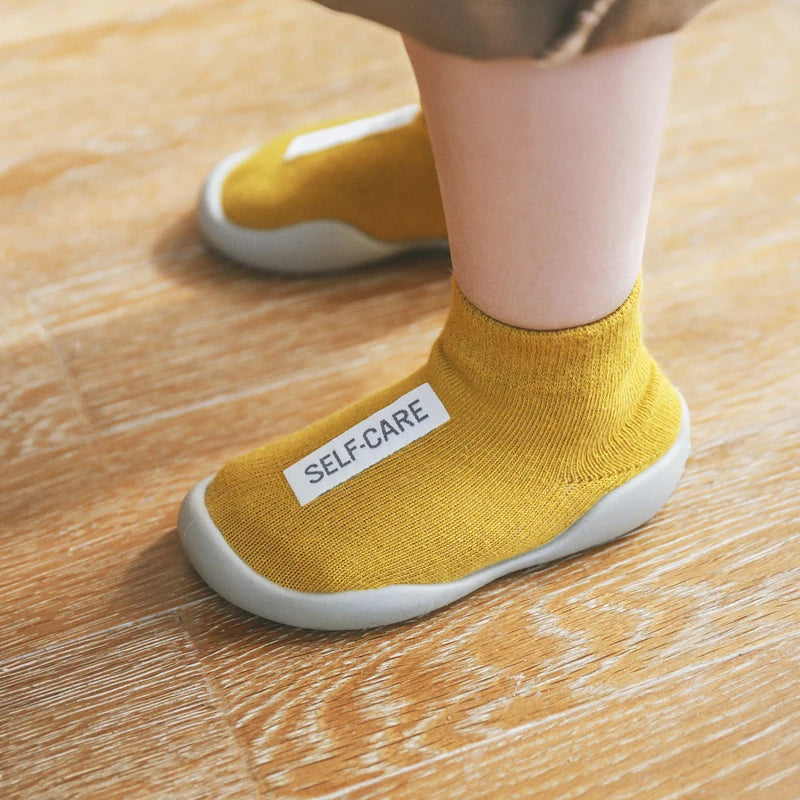


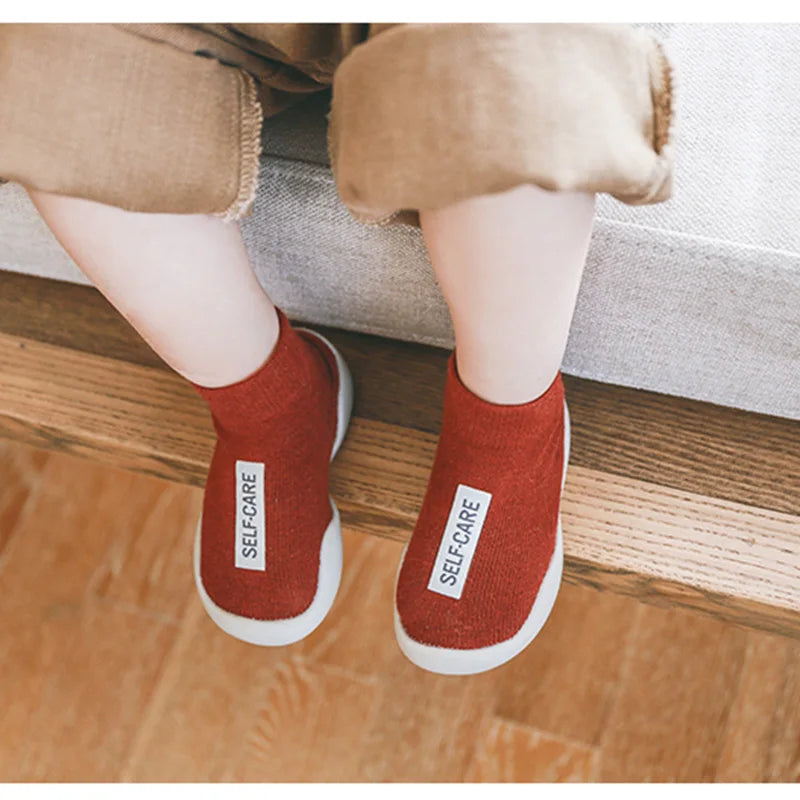
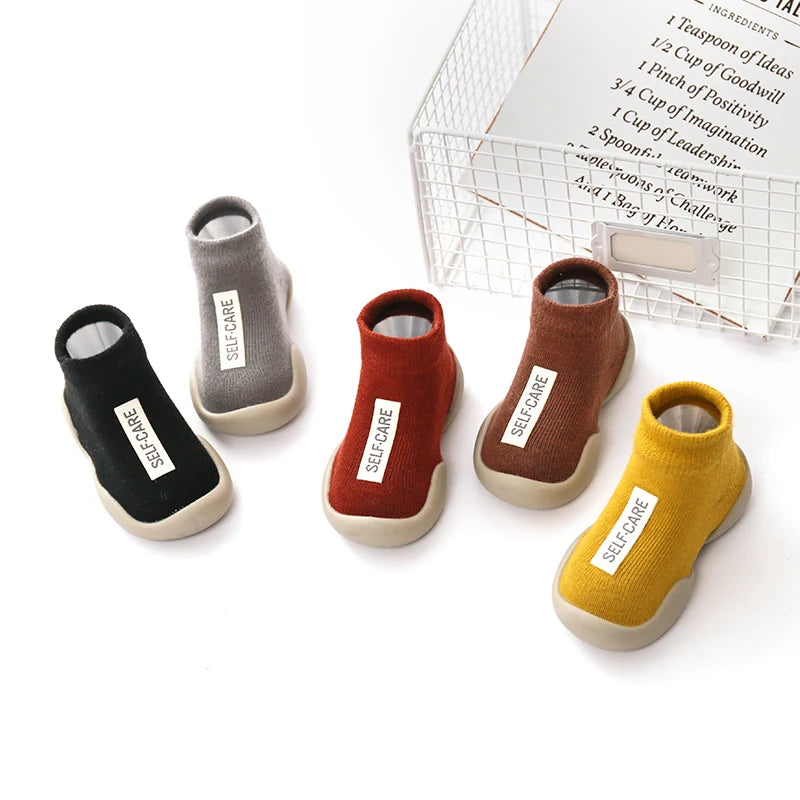
Give early explorers a softer start between slippery socks and stiff structured shoes. These unisex knit booties pair a flexible feel with rubber soles for supervised everyday indoor steps.
Read the full descriptionGive early explorers a softer start between slippery socks and stiff structured shoes. These unisex knit booties pair a flexible feel with rubber soles for supervised everyday indoor steps.
Bulky, stiff shoes can make new walkers uncomfortable. These soft knit booties pair a flexible feel with rubber soles designed for everyday grip as little feet explore.
The knit bootie construction feels gentler and less restrictive than rigid structured footwear. It wraps the foot in a flexible upper that suits the transition from crawling to standing.
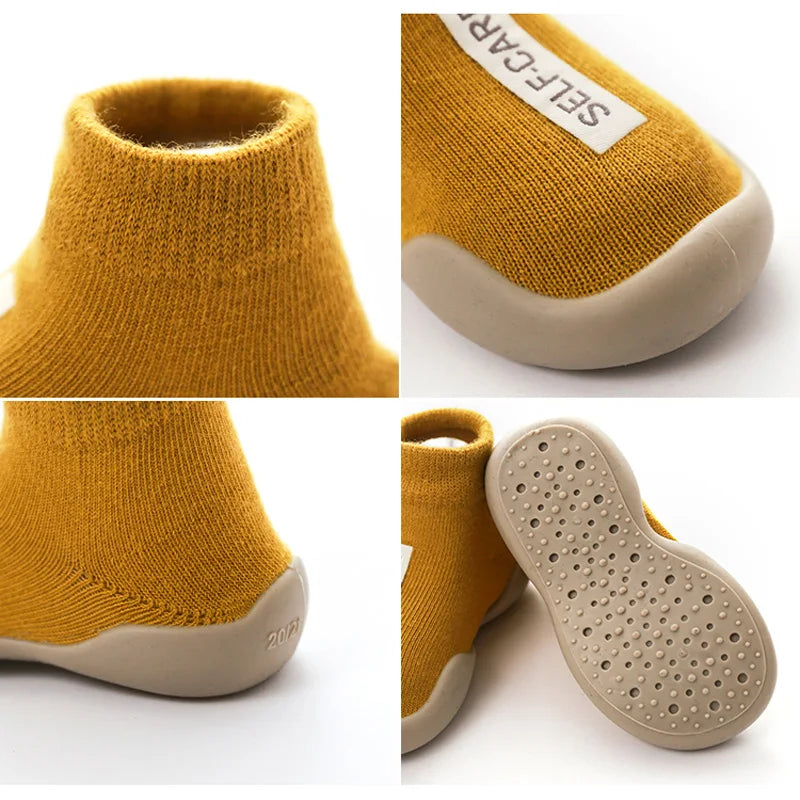
The rubber sole gives the shoe a defined outsole and anti-slip design beyond what ordinary socks provide. It is made for everyday floor contact, with supervision and suitable dry surfaces still important.
The simple unisex design works for supervised indoor play, quick changes, and first-walker routines. Keep a pair near the play mat or in the diaper bag for easy access.
Use the seller's size chart rather than choosing by age alone. Inspect the opening, upper, and sole before putting the shoes on.
Place the shoes on clean, dry feet and check that the heel sits comfortably without obvious looseness or pressure.
Begin with a short indoor session on a suitable dry surface. Stay close and watch how your baby stands, crawls, and moves.
Look for rubbing, fussiness, pressure, or a changed fit. Remove the shoes and reassess whenever they no longer seem comfortable.
Socks disappear during crawling, bunch under tiny feet, and offer little traction on smooth floors. When a baby starts pulling up and reaching for those first steps, keeping footwear comfortable and in place becomes part of every play session.
The knit bootie gives little feet a soft, less restrictive feel, while the rubber sole adds a defined base beneath them. It is a straightforward middle ground between socks alone and stiff structured shoes.
These baby first walker shoes fit naturally into supervised play mat time, standing practice, and quick changes before leaving home. The simple shape keeps the routine easy while your baby explores at their own pace.
Use the seller's size chart, check the fit around the heel and toes, and watch your baby move on a clean, dry surface. With sensible supervision and regular fit checks, this pair is ready for everyday early-walking moments.
Follow the seller's care instructions and avoid harsh cleaning methods.
High heat can affect knit fibers, shape, or attached sole components.
Let the shoes dry gently before putting them back into rotation.
Check the upper, sole, and fit as your baby's feet and routines change.
| 6-12 Months | 12-18 Months | 18-24 Months | 2-4 Years | |
|---|---|---|---|---|
| Sizing method | Use seller chart | Use seller chart | Use seller chart | Use seller chart |
| Fit check | Heel secure | Toes comfortable | No rubbing | Recheck often |
Check the seller's size chart and inspect the fit regularly as baby feet grow quickly.
| Soft first walker shoes | Socks | Rigid structured shoes | |
|---|---|---|---|
| Soft upper feel | Yes | Yes | Partial |
| Defined rubber sole | Yes | No | Yes |
| Flexible everyday feel | Yes | Yes | Partial |
| Useful for indoor first steps | Yes | Partial | Partial |
| Simple alternative to recurring sock loss | Yes | No | Partial |
Use the seller's size chart first, then check the actual fit around the heel and toes. Age ranges are helpful for narrowing the choice, but babies differ in foot length and shape. Recheck often as feet grow quickly.
Yes. They are suited to supervised indoor exploring, standing practice, crawling, and early steps on clean, dry, appropriate floors.
No sole can guarantee traction on every surface. The rubber sole gives the shoes a defined anti-slip design, but wet, dusty, uneven, or slippery floors can still reduce grip.
The bootie shape is made for an easy everyday fit, but the right size matters. Check that the heel sits comfortably and that the shoe is neither obviously loose nor pressing on the foot.
They suit babies in the transition from crawling and pulling up to supported or early independent steps. Use them for short, supervised sessions rather than leaving a baby unattended in them.
Follow the seller's care instructions, clean gently, avoid harsh heat, and let the shoes dry thoroughly. Aggressive washing or high heat can affect the knit, shape, or sole components.


 Baby First Walker Shoes With Soft Anti-Slip Rubber Soles