Wireless Microphones & Systems for Church & Events
1 products
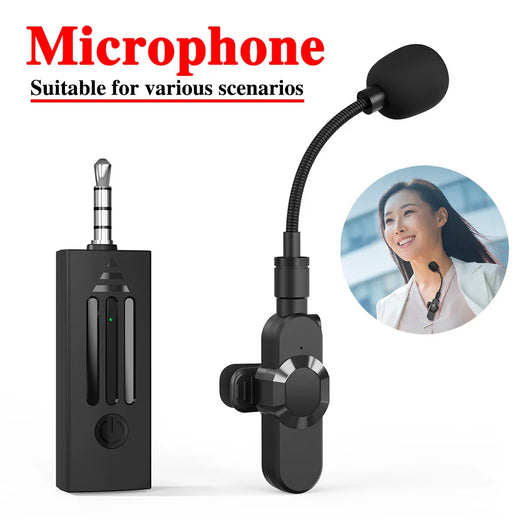
Wireless microphones help speakers, teachers, performers, and event hosts move freely while keeping their voice connected to a sound system or recording device. This category focuses on practical wireless microphone setups, including the K35D Wireless Lavalier Mic with a stated 60m range for teachers and creators.
How to choose wireless microphones for church and events
Start with the way the microphone will be used. A lavalier is a practical choice for teaching, presentations, interviews, worship speaking, and content creation because it clips to clothing and leaves both hands free. Check whether the system includes the receiver and transmitter you need, then confirm that the receiver connection matches your mixer, camera, computer, or mobile device. The K35D Wireless Lavalier Mic is designed for teachers and creators and has a stated range of up to 60m, making it suitable for many classrooms, stages, and event spaces. For singing or louder live performance, compare a handheld or headset format instead, as placement and handling can affect the result.
Wireless microphone types compared
Lavalier microphones clip near the speaker’s chest and are discreet for lessons, sermons, presentations, interviews, and video. Handheld wireless microphones are easier to pass between speakers and are often preferred for singing, announcements, and audience participation. Headset microphones keep the capsule close to the mouth, which can help when the presenter moves frequently or needs both hands free. A wireless microphone system normally includes a transmitter, microphone or mic capsule, and receiver; some products combine these parts in a compact design. The K35D is a wireless lavalier option, so it suits speech-led uses particularly well. If you are searching for a wireless microphone for mobile recording, verify the connector and device compatibility before ordering.
What to look for in a professional wireless microphone
Prioritise compatibility, range, wearing comfort, controls, and setup time rather than choosing by appearance alone. The receiver must connect to the equipment you plan to use, while the transmitter should be comfortable enough for a full lesson, event, or recording session. A stated operating range is useful, but walls, people, other electronics, and the venue layout can affect real-world performance. The K35D Wireless Lavalier Mic lists a 60m range and is aimed at teachers and creators who need hands-free speech capture. For a church or event system, also consider how many microphones may operate at once, how quickly batteries can be changed or charged, and whether the controls are easy to access during a live session.
How to use a wireless microphone receiver and transmitter
Place the receiver where it has a clear path toward the transmitter when possible, then connect it to the mixer, camera, computer, or compatible mobile setup. Secure the lavalier around the upper chest area, keeping the capsule clear of collars, hair, jewellery, and clothing that may rub against it. Switch on the receiver and transmitter, confirm that they are paired or operating on the same connection, and test speech at the volume you will actually use. Begin with the sound system gain low and raise it gradually to reduce unwanted feedback. For events, test from the areas where the speaker will stand or walk. Keep spare power available and switch the system off after use.
Common wireless microphone mistakes to avoid
A common mistake is buying a transmitter without checking the receiver or input connection. Another is placing a lavalier too close to fabric, where movement can create rubbing noise, or hiding it under layers that reduce clarity. Do not assume the advertised range will be identical in every building; walls and other equipment can change performance. Avoid setting the microphone gain too high, because excessive level can cause distortion or feedback through speakers. For singing, a lavalier may not provide the handling style or vocal placement you want, so compare formats before purchasing. If several wireless microphones are used at one event, plan their connections and operating channels in advance rather than adding units at the last minute.
Who are wireless lavalier microphones best for?
A wireless lavalier microphone is well suited to teachers, presenters, trainers, interviewers, worship speakers, tour leaders, and creators who need to speak while moving or using their hands. The K35D is specifically positioned for teachers and creators and offers a stated 60m range, so it can be a useful option for classrooms, demonstrations, presentations, and video work where a clip-on format is convenient. It may be less suitable if your priority is a traditional handheld microphone for singing, passing between performers, or audience participation. Before buying, check the intended device connection and the receiver arrangement. For church and event use, confirm that the system fits your existing audio equipment and the size of the venue.
Frequently asked questions
What is the best wireless microphone?
The best wireless microphone depends on the application, connection, microphone style, and venue. For hands-free speech, teaching, presentations, and creator work, the K35D Wireless Lavalier Mic is a practical category option with a stated 60m range. For singing or passing between speakers, compare handheld systems instead.
What is the 3 to 1 rule for microphones?
The 3 to 1 rule is a microphone placement guideline: when using multiple microphones, try to keep the distance between microphones at least three times the distance from each microphone to its sound source. It can help reduce bleed and phase-related problems, but room acoustics, microphone type, and the sound system still affect the result.
What are the best brands of wireless microphones?
Brand is only one part of the decision. Compare the microphone format, receiver connection, operating range, power method, compatibility, and support for your intended use. For teachers and creators seeking a clip-on setup, the K35D Wireless Lavalier Mic is the product available in this category.
Which wireless microphone has the best sound quality?
Sound quality depends on microphone placement, gain settings, the receiver connection, the room, and the connected audio equipment. A lavalier such as the K35D is designed for convenient speech capture, while a handheld or headset may be a better format for some singing and performance situations. Test the complete system in the space where it will be used.
What are the disadvantages of wireless mics?
Wireless microphones require power and can be affected by range, obstacles, interference, pairing, or connection compatibility. They may also cost more and require more setup than a wired microphone. Planning the receiver position, checking connections, testing before the event, and keeping spare power available can reduce common problems.
What is the best budget wireless mic?
The best budget choice is the one that matches your device and use without requiring extra adapters or equipment. For teachers and creators who want a clip-on microphone, the K35D Wireless Lavalier Mic offers a stated 60m range and a hands-free format. Check the receiver connection and intended device compatibility before ordering.