
$89.90
Free delivery · 7–14 days
Portable UV Sterilizer Box for Phones and Jewelry Care


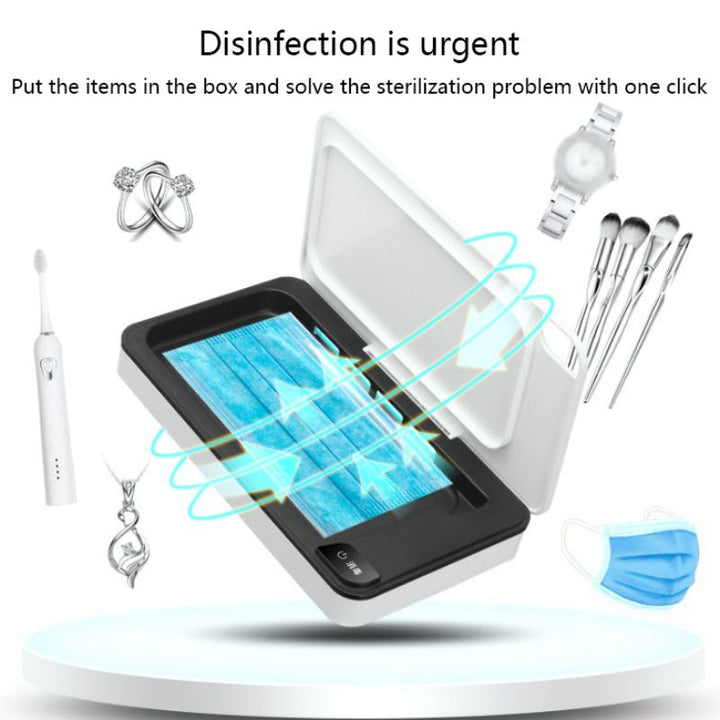
UV sterilizers use ultraviolet light to help reduce microorganisms on selected surfaces or in flowing water, depending on the device design. This category includes phone sanitizers, toothbrush sterilizers and dispensers, and a UV-ozone CPAP sanitizer, so choosing the right format matters as much as choosing the right UV output.
Start with the item you want to treat. A UV phone sanitizer is designed for compatible phones and small personal items, while a UV toothbrush sterilizer or dispenser is made for toothbrush storage and drying between uses. A CPAP sanitizer is purpose-built for CPAP equipment and may combine UV light with ozone, so check the instructions carefully before use. For water or aquarium applications, look for a device specifically rated for that flow path and setup; a phone sanitizer or UV sterilizer box is not a substitute for an aquarium or water-treatment unit. Also compare internal dimensions, cycle time, power connection, controls, and whether the lid or door must remain closed during operation.
UV sterilizers vary by what they treat and how the UV light reaches the surface. Phone sanitizers commonly use an enclosed box and may include wireless charging, letting you run a cycle while the phone is inside. Toothbrush models hold one or more brushes in a dedicated compartment and may combine sanitizing with dispensing or storage. CPAP UV-ozone units are designed around masks, tubing, and related equipment rather than household objects. Aquarium and water devices work differently: they are installed inline or over a water path, such as an aqua UV sterilizer or hang-on UV sterilizer, so water passes near the lamp. Match the product type to the application instead of comparing wattage alone.
For a home UV sterilizer, prioritize an enclosed treatment area, clear controls, automatic shutoff, and enough room for the objects you plan to place inside. A transparent or open lamp is less convenient for everyday items because direct UV exposure should be controlled according to the manufacturer’s instructions. For phone use, check device compatibility and whether charging works through the sanitizer. For toothbrushes, review the number and size of holders, dispenser design, and cleaning access. If considering a UV sterilizer for water or an aquarium, confirm flow-rate guidance, connection type, replacement-lamp information, and whether it suits freshwater or marine setups. Do not select an aquarium UV sterilizer based only on a claim that it is the best UV sterilizer.
Read the product manual before the first cycle and use only the included controls or settings. For an enclosed phone or toothbrush unit, place items so the intended surfaces are exposed and do not overcrowd the chamber. Remove dirt, residue, and moisture when the instructions require it; UV light does not replace ordinary cleaning. Keep the lid or door closed during operation, and never look directly at an active UV lamp. For a CPAP UV-ozone sanitizer, follow the required airing or waiting steps and use it only with compatible equipment. Aquarium and water systems need correct installation, water flow, and lamp maintenance. Unplug the unit before cleaning or replacing components.
One common mistake is buying a UV sterilizer box for an application that needs flowing water, such as an aquarium or household water line. Another is placing objects in a way that blocks the light; shaded areas may not receive the intended exposure. Heavy soil, dust, or residue can also interfere with surface treatment, so clean items as directed first. Do not open an operating unit, bypass a safety switch, or use an unapproved container with a UV lamp. With a CPAP UV-ozone model, do not skip any post-cycle ventilation instructions. Aquarium owners should also avoid ignoring flow rate, lamp age, sleeve cleanliness, and freshwater compatibility. Follow the manual rather than assuming every UV sterilizer works the same way.
A home UV sterilizer suits shoppers who want a dedicated, enclosed way to treat frequently handled personal items between regular cleanings. A phone sanitizer is useful for compatible phones and small accessories, while a toothbrush sterilizer or dispenser keeps brushes in a purpose-built holder. A CPAP sanitizer may suit users seeking a device designed specifically for compatible CPAP components, provided they follow the manufacturer’s operating and airing instructions. Aquarium keepers should shop in a separate product class: an aqua UV sterilizer, freshwater aquarium UV sterilizer, or hang-on UV sterilizer must match the tank’s plumbing and flow requirements. If you need water treatment, choose a UV sterilizer for water rather than a countertop personal-item device.
UV light can help reduce microorganisms when the correct wavelength, exposure, distance, and surface coverage are provided. Results depend on the device and how it is used, so an enclosed phone or toothbrush model should be operated exactly as directed. UV treatment does not remove dirt and should not replace routine cleaning.
UV devices require correct positioning and exposure, and shaded or dirty surfaces may not receive the intended treatment. They also need cleaning, maintenance, and sometimes replacement parts such as lamps or protective sleeves. Direct UV exposure can be hazardous to eyes and skin, while UV-ozone models require careful ventilation and handling according to their instructions.
UV light may affect mold and other microorganisms when they receive sufficient direct exposure, but effectiveness depends on the device, distance, exposure time, and surface conditions. Shadows, porous materials, dust, and hidden growth can limit results. UV should not be treated as a complete mold-remediation method.
The best choice depends on what you want to treat. Choose a phone sanitizer for compatible phones and small items, a toothbrush sterilizer for brush storage, or a CPAP UV-ozone sanitizer for compatible CPAP equipment. For aquarium or household water applications, select a purpose-built inline or hang-on unit that matches the required flow and connections.
There is no single best brand for every application because phone sanitizers, toothbrush units, CPAP devices, aquarium systems, and water filters have different requirements. Compare the intended use, enclosure, capacity, safety features, compatibility, maintenance instructions, and replacement-part availability. For aquarium or water use, flow-rate and installation guidance are especially important.
Wattage alone does not determine whether a UV sterilizer is suitable. For aquarium or water systems, match the manufacturer’s guidance for water volume, flow rate, lamp type, and installation; for enclosed home devices, use the model designed for the item and chamber size. Do not substitute a higher-wattage lamp or device unless the product instructions specifically allow it.
Browse related: Shop all Smart LED Light Strips with App and Voice Control for Any Room · explore portable air purifiers | small hepa air purifier for home.