Skip to content

Turn Signal Lights & Bulbs: Front & Rear Indicator Lights

6 products

Shop turn signal lights and bulbs for front indicators, rear indicators, side markers, brake and signal functions, and mirror-mounted displays. This range includes LED replacement bulbs, amber sequential side markers, arrow panels, and CanBus-compatible options to help match your vehicle’s fitting, wiring, and warning-light requirements.

How to choose the right turn signal light replacement

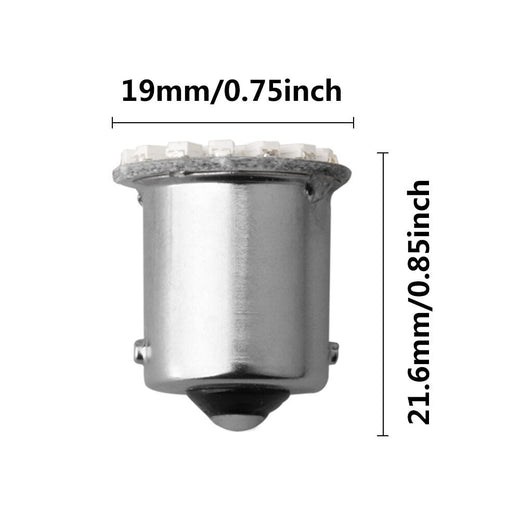
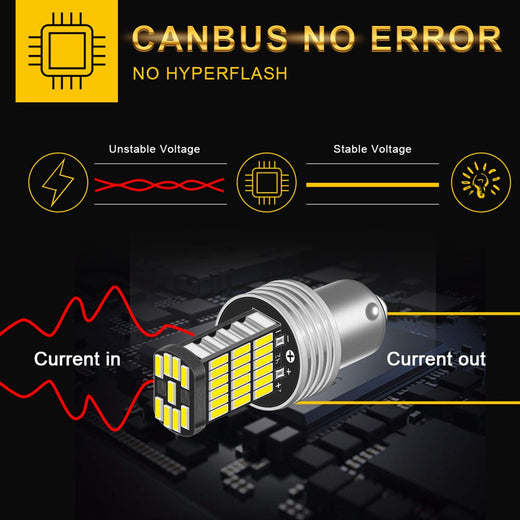
Start by checking your vehicle handbook, the marking on the original bulb, or the bulb socket before ordering. Common fittings in this category include P21W 1156 BA15S, but a matching base does not guarantee that every bulb suits every vehicle. Confirm whether you need a front turn signal bulb replacement, rear turn signal bulb replacement, side marker, or mirror-mounted arrow panel. Check the required colour too: amber is commonly used for indicator functions, while some housings use a clear bulb behind an amber lens. If your vehicle monitors bulb load and displays a dashboard warning after an LED upgrade, choose a CanBus or error-free listing where compatible. Compare dimensions, LED layout, polarity requirements, and connector style with the original part.

What types of turn signal lights are available?

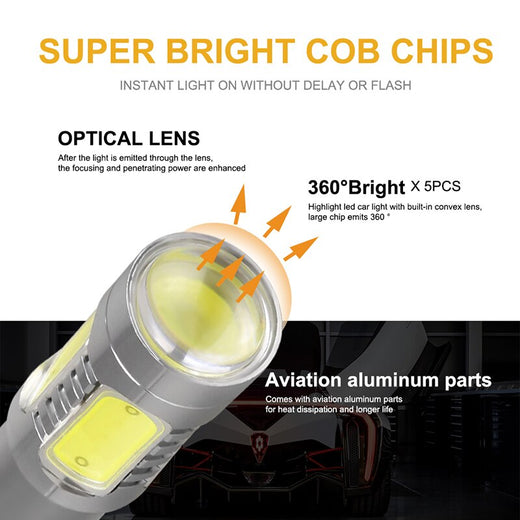
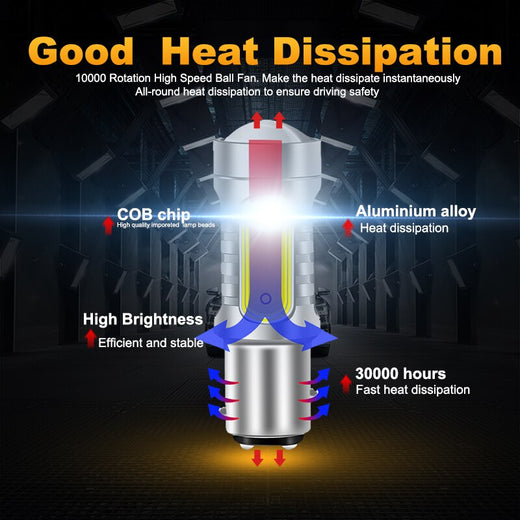
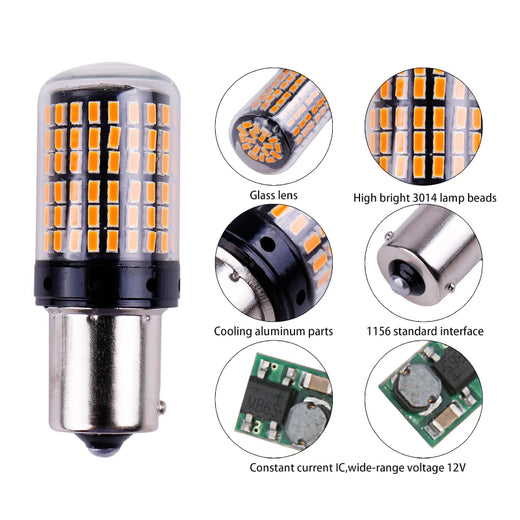
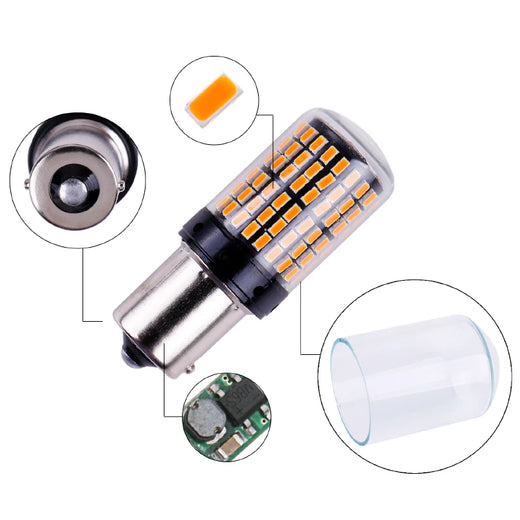
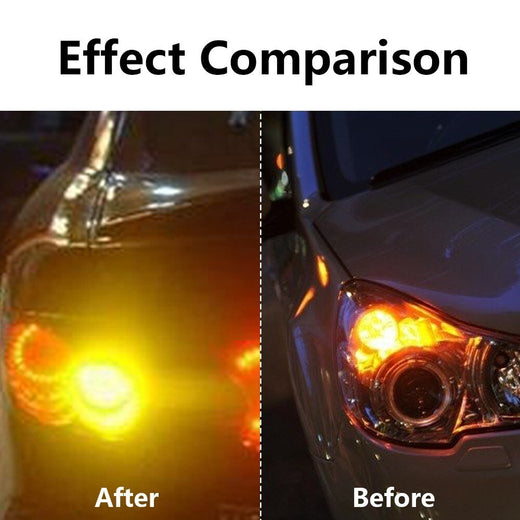
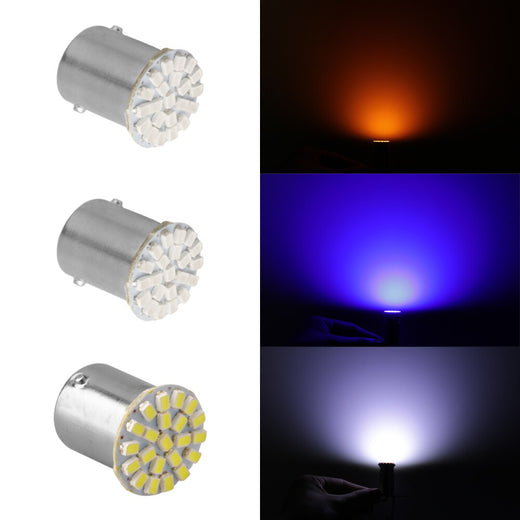
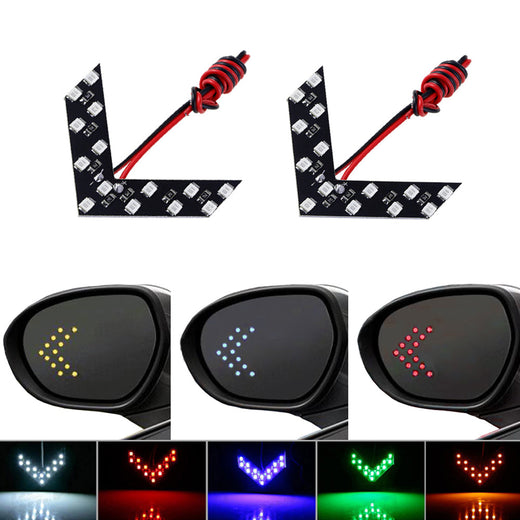
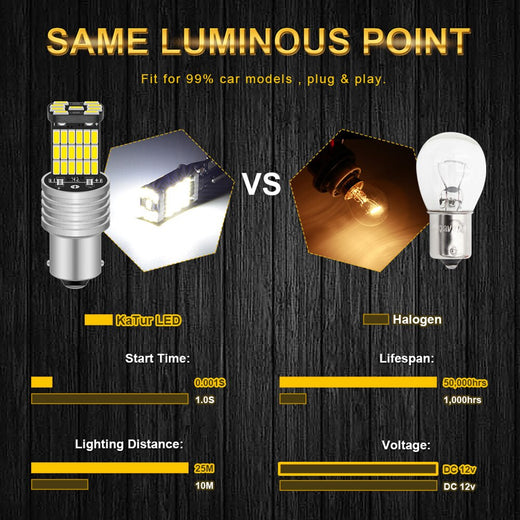
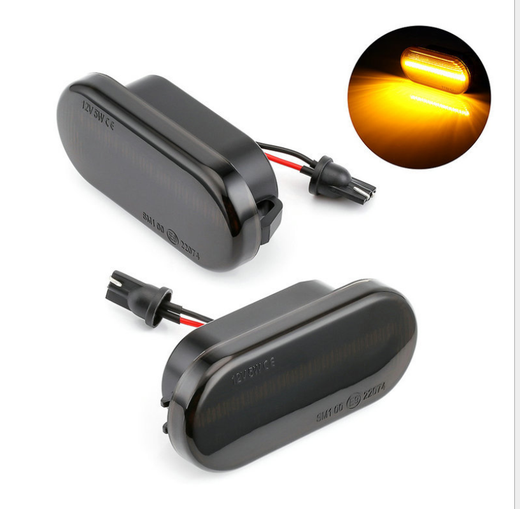
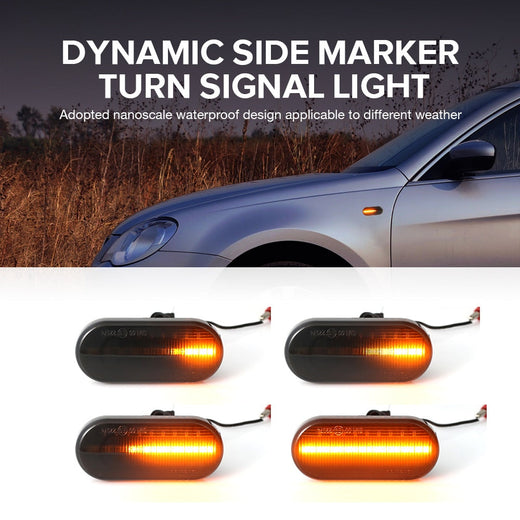
LED replacement bulbs are a direct-style option for many front and rear indicator housings, with products here including 22SMD, COB, P21W 1156 BA15S, and 144SMD designs. Their exact fit depends on the base, housing clearance, and vehicle wiring. Amber sequential LED side markers are designed for vehicles using compatible side-marker fittings and provide a moving light effect when activated. The 2 Pcs/lot LED arrow panel is intended for a rear-view mirror application rather than a standard bulb socket, so installation space and wiring access matter. Some products are aimed at signal and brake-light positions, while others are specifically indicators. Select by function first, then match the fitting and electrical requirements.

What to look for in front and rear turn signal bulbs

For front turn signal lights, check the socket type, lens colour, available space, and whether the bulb is visible through a clear or tinted housing. For rear indicators, confirm that the replacement is approved for the intended signal position and does not interfere with nearby brake or tail-light functions. Look for the correct base, connector orientation, voltage, and dimensions rather than choosing only by LED count. A CanBus-compatible bulb may help reduce bulb-out warnings on vehicles with electronic monitoring, but compatibility still depends on the vehicle. Consider brightness and light spread within the original reflector or lens. If buying side markers or mirror arrow panels, verify the number of pieces, mounting position, wire routing, and whether left and right units are included.

How to replace and use turn signal lights

Switch off the vehicle and lights before removing a bulb, then access the indicator through the lamp housing, wheel arch, boot, or engine bay as specified by the vehicle handbook. Remove the old bulb without forcing the socket, compare the replacement’s base and size, and install the LED firmly. Some LED bulbs are polarity-sensitive; if the signal does not illuminate, switch off the power, remove the bulb, rotate it if the fitting allows, and test again. Refit the housing or connector securely to help keep moisture out. Test the hazard lights and both indicators from the front and rear, checking left and right operation, flash rate, brightness, and dashboard warnings. Follow the vehicle maker’s instructions for any coding or load-resistor requirements.

What are common turn signal bulb replacement mistakes?

The most common mistake is ordering by appearance without confirming the socket or bulb code. A P21W 1156 BA15S bulb, for example, should only be selected when that base and function match the vehicle. Another error is fitting a white LED behind an amber-free lens when an amber output is required, or fitting an amber bulb where the housing already supplies the intended colour. Do not assume a CanBus or error-free description guarantees compatibility with every car. Check for dashboard warnings, rapid flashing, poor fit, or contact with the housing after installation. Avoid changing only one side when the other bulb has similar age and colour differences matter. Keep the old bulb until the replacement has been tested successfully.

Who are LED turn signal lights suitable for?

These products suit drivers replacing failed or dim indicator bulbs, refreshing front or rear signal lighting, or converting compatible fittings to LED. They are also useful for vehicles that need replacement side markers or mirror-mounted arrow panels, provided the original part uses a compatible design. Choose a standard replacement bulb when you want the simplest socket-based installation. Choose a brighter LED, COB design, or high-SMD option when its dimensions, output colour, and electrical behaviour suit the housing. A CanBus-style bulb may be worth considering for vehicles that monitor bulb load. DIY replacement is practical for accessible fittings, but tight housings, sealed lamp units, custom mirror panels, and wiring changes may require an installer. Always confirm local lighting rules before modifying exterior lamps.

Frequently asked questions

What are turn signal lights?

Turn signal lights are exterior lamps that flash to show whether a vehicle is turning or changing direction. They are also called indicators or indicator lights and are usually fitted at the front and rear, with some vehicles also using side markers or mirror-mounted signals.

What are signal lights called?

They are commonly called turn signals, indicators, direction indicators, or indicator lights. In some listings, you may also see terms such as front indicator bulb, rear indicator bulb, side marker, or signal lamp.

Can I replace my turn signal bulb myself?

Many socket-style bulbs can be replaced at home if the fitting is accessible and the vehicle handbook provides removal instructions. Switch off the vehicle, match the original base and bulb type, test for polarity and flash rate, and check for warnings before securing the housing. Mirror panels, sealed assemblies, and wiring changes may need professional installation.

Which turn signal is left and right?

Left and right are identified from the driver’s seated position, facing forward. The left turn signal operates the lamps on the vehicle’s left side, while the right turn signal operates the lamps on the vehicle’s right side.

Which goes first, left or right?

There is no universal requirement to activate the left signal before the right signal. Use the signal for the direction you intend to travel, and activate it early enough to give other road users clear notice, following local driving rules.

What is the correct signal for a left turn?

Use the vehicle’s left turn indicator, which flashes the front and rear lamps on the left side and may also activate a side marker or mirror signal. Check that the correct side flashes normally and cancel the signal after completing the turn when the vehicle does not cancel it automatically.