
$64.90
Free delivery · 7–14 days
Stone Countertop Polish for Lasting Shine and Protection


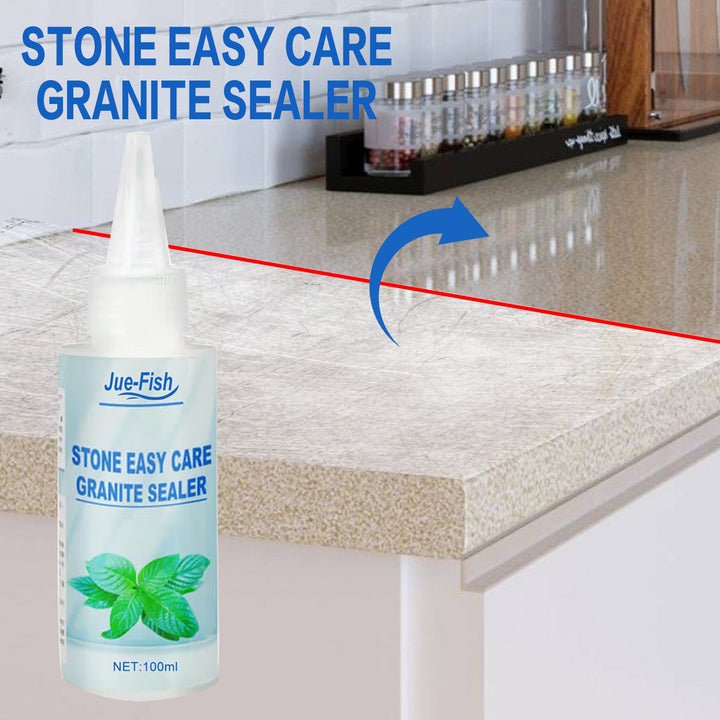
Tile coating and porcelain sealer products can refresh the appearance of hard surfaces, simplify routine cleaning, and add a protective finish when used on compatible materials. This category includes a ceramic tile coating agent for sealing and brightening stone, plus a tile cleaner spray for damage-free floor maintenance.
Start by identifying the surface: ceramic tile, porcelain tile, natural stone, glazed tile, or an existing coated floor. A ceramic tile coating agent is intended for sealing and brightening compatible stone and tile surfaces, while a tile cleaner spray is for removing everyday dirt without replacing a coating. Check whether the product is suitable for floors, walls, wet rooms, or frequently handled surfaces before buying. If you are searching for epoxy paint for tiles in the bathroom, remember that paint and a clear protective coating are different products with different preparation requirements. For a renovation project, consider the finish you want, the condition of the grout, and whether the coating should change the tile's appearance.
A tile sealer is generally used to help protect compatible tile or stone from moisture, staining, and everyday wear, but it does not repair cracked tiles or damaged grout. A clear coat is chosen when you want to preserve the existing appearance while adding a finished layer; always confirm that the surface and existing finish are compatible. Epoxy paint or clear epoxy over tile is a more substantial resurfacing approach and usually requires thorough cleaning, preparation, curing time, and careful ventilation. It may not be the best match for every floor or wet area. The ceramic tile coating agent in this category is suited to shoppers looking for a seal-and-brighten treatment rather than a full tile replacement.
Look for clear surface compatibility instructions, especially if you have porcelain, ceramic, polished stone, textured tile, or sealed grout. For bathroom and floor applications, check whether the finish is intended for wet areas and foot traffic, and follow the stated drying and curing guidance. If slip resistance matters, do not assume that any glossy coating is non-slip. Searchers comparing the best anti slip coating for tiles should look for a product that specifically identifies slip-resistant use or a compatible additive, rather than relying on appearance alone. Also consider whether the finish is meant to brighten, seal, or simply clean. A tile coating agent and a cleaner spray solve different problems, so keeping both on hand can make maintenance more practical.
Begin with a small test area in an inconspicuous location. Remove dust, soap residue, grease, and loose debris with a suitable tile cleaner, then allow the surface to dry fully. The Tile Cleaner Spray for Bright, Damage-Free Floors can help with routine preparation where its directions allow, but heavy buildup may require additional cleaning. Apply the Ceramic Tile Coating Agent — Seal & Brighten Stone only as directed for the compatible surface, using an even, controlled layer and avoiding puddles in grout lines or textured areas. Keep the area free from traffic, water, and cleaning products for the stated time. Open windows or improve airflow when the label recommends it, and never mix cleaning or coating products unless the instructions specifically allow it.
Applying coating over dirt, wax, soap film, or damp tile can lead to uneven results and poor adhesion. Another common mistake is treating every tile as the same: glazed ceramic, porcelain, and natural stone can respond differently, so read the surface instructions first. Do not use a glossy clear coat as a substitute for a product designed to make tile non-slip. Avoid applying too much product, coating over failing grout, or exposing a fresh finish to water before it has dried or cured. Shoppers also sometimes use a cleaner spray expecting it to seal the surface. The Tile Cleaner Spray is for ongoing cleaning, while the coating agent is the product to consider when sealing and brightening is the goal.
Tile coating suits shoppers who want to refresh sound, tired-looking tile or compatible stone without removing the existing surface. It can be useful when the tile is structurally intact but looks dull, collects surface grime, or needs a maintained protective finish. Tile resurfacing may be worth considering when the design is outdated but the underlying tile is stable; coating is less suitable for loose tiles, deep cracks, damaged grout, or persistent moisture problems behind the surface. If you are asking whether you can apply floor coating over tile, the answer depends on the coating, tile material, existing finish, and preparation. Replacement or professional assessment may be more appropriate where the substrate is moving or water damage is suspected.
It can be worthwhile when the existing tile is firmly bonded and the main issue is a worn, dull, or outdated surface. A coating may refresh compatible tile or stone without full removal, but it will not correct loose tiles, major cracks, failing grout, or underlying moisture problems.
Sometimes, but compatibility and preparation are essential. Clean and dry the tile thoroughly, check the coating instructions for the exact surface and location, and test a small area before treating the whole floor.
Some products are designed specifically to improve slip resistance, but not every tile coating has that property. Look for clear slip-resistance guidance and consider the tile texture, moisture exposure, and cleaning routine before applying a finish.
Yes, a clear coat may be suitable for some tile or stone surfaces when the product is compatible with the material and any existing finish. Follow the preparation, application, drying, and curing directions, and test an inconspicuous area first.
You may be able to seal ceramic tile, but the need depends on whether the tile is glazed, unglazed, or already treated. Check the product directions before applying a ceramic tile coating agent, and do not assume that a sealer is suitable for every tile or grout surface.
Clear epoxy can be used in some tile resurfacing projects, but it requires product-specific preparation and careful application. The tile must be clean, dry, stable, and compatible with the epoxy; pouring it over damaged grout, loose tile, or an unsuitable finish can produce poor results.