Skip to content

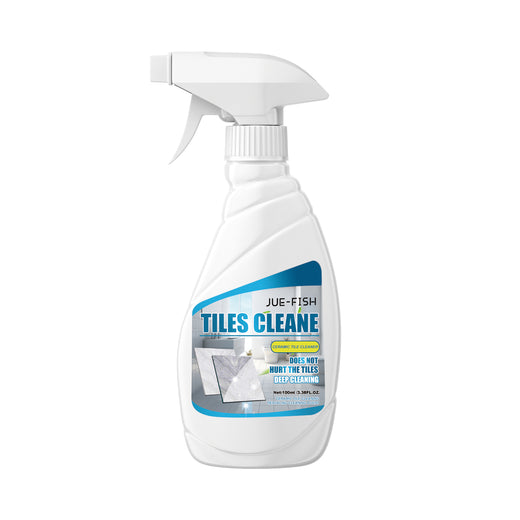
Tile Cleaner for Walls, Floors & Showers—Cut Soap Scum and Grime

5 products

Find a tile cleaner for walls, floors, showers, and grout, with options for routine cleaning, soap scum, scale, polish, and deeper residue removal. This range includes cleaning tablets, liquid and spray formulas, polish, and grout-focused products so you can match the cleaner to the surface and type of soil.

How do I choose the best tile cleaner?

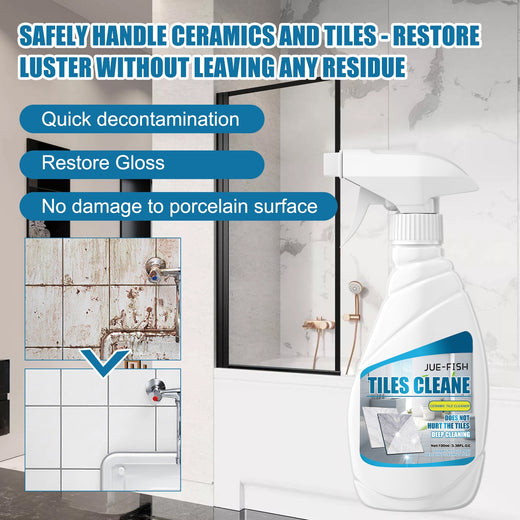
Start with the surface and the mess you need to remove. For everyday dirt on ceramic tile floors, a tile cleaner liquid or spray can provide a quick routine clean. For shower walls and bathroom tile, choose a formula aimed at soap scum and scale stains. If grout lines hold dark residue or tracked-in grime, a grout deep-cleaning tile cleaner is a more targeted option. Cleaning tablets may suit shoppers who prefer a measured format for sparkling surfaces, while tile cleaning polish is designed for floors that look dull or dusty after cleaning. Always check the product directions and test an inconspicuous area first, especially on decorative tile, porous surfaces, or sealed grout.

What types of tile cleaner are available?

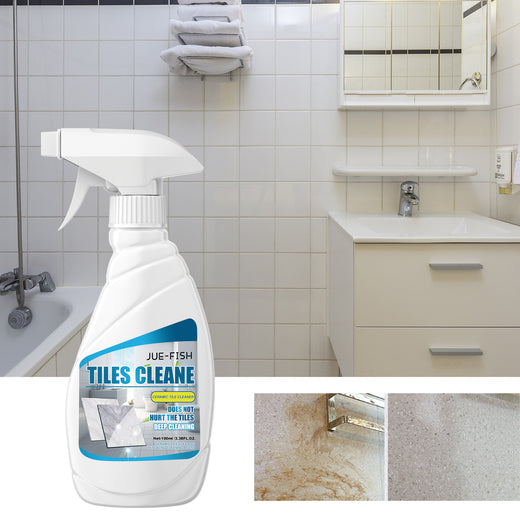
Tile cleaner products differ mainly by format and purpose. A tile cleaner spray is convenient for shower walls, splash areas, and small sections that need spot cleaning. Liquid cleaner is useful for broader floor-care routines when you need to cover a larger tiled area. Ceramic tile cleaning tablets offer a pre-measured approach for sparkling surfaces, subject to the stated mixing and use instructions. Tile cleaning polish is intended for brighter-looking, dust-free floors rather than heavy soil removal. A grout-focused cleaner targets residue in joints between tiles, while bathroom cleaning spray is suited to soap scum and scale stains. A tile cleaner machine is a separate equipment category, so confirm whether a formula is intended for manual use or machine application before buying.

What should I look for in a professional tile cleaner?

For a professional tile cleaner feel at home, look for a product that matches the job rather than one that promises to handle every surface. A residue-free grout cleaner can be helpful where floor joints collect soil, while a bathroom spray is better suited to soap scum and scale on shower tile. For regular floor maintenance, choose a tile cleaner that is easy to dilute or apply according to its directions and that does not leave a noticeable film. If shine is your priority, consider a tile cleaning polish after the surface has been cleaned and dried. Check the label for compatible tile types, recommended contact time, ventilation guidance, and whether rinsing is required. Do not assume a stronger formula is safer or more effective.

How do I use tile cleaner on floors and showers?

Remove loose dust and hair before applying any tile cleaner, since dry debris can spread during wet cleaning. Apply a spray or liquid to a manageable area, follow the stated contact time, and wipe or scrub with a suitable non-abrasive cloth or brush. For grout, work along the joints rather than flooding the entire floor. On shower tile, focus on soap scum and scale-prone areas, then rinse if the instructions call for it. Use cleaning tablets only as directed for mixing and application. After cleaning floor tile, remove excess moisture and allow the surface to dry before judging its appearance or applying polish. Keep products off unapproved surfaces and never mix different cleaners.

What should you not clean tile floors with?

Avoid using any cleaner that the label excludes for your tile, grout, finish, or sealing system. Abrasive powders, rough scouring tools, and unsuitable strong chemicals may scratch, dull, or mark some surfaces, especially decorative or polished tile. Do not mix tile cleaner with bleach, acids, ammonia, or another household product unless the manufacturer specifically says it is safe; mixing cleaners can create hazardous fumes. Excess water can also be unhelpful on floors with porous grout or areas where moisture can collect. Use a clean, non-abrasive tool and change dirty water or cloths as needed. If you are unsure, test the product in a hidden spot and stop if the finish changes.

Who needs a tile cleaner for walls, floors, or showers?

This category suits anyone maintaining ceramic tile in kitchens, bathrooms, hallways, utility areas, or shower spaces. Choose a floor tile cleaner for routine cleaning across larger areas, a spray for quick bathroom touch-ups, and a grout cleaner when residue is concentrated in the joints. Shoppers trying to make floor tiles clean and shiny may prefer a two-step approach: remove dirt with a suitable cleaner, then use tile cleaning polish if the product and surface are compatible. A shower-focused bathroom spray is useful for soap scum and scale stains, while tablets suit people who prefer a measured cleaning format. If you need powered scrubbing, look for a compatible tile cleaner machine separately and verify product instructions before use.

Frequently asked questions

What is the best thing to clean tiles with?

The best choice depends on the tile surface and the type of dirt. Use a general tile cleaner for routine floor or wall cleaning, a grout-focused formula for residue in joints, and a bathroom spray for soap scum or scale on shower tile. Check compatibility and follow the product directions.

What is the best cleaner to clean tile?

There is no single best cleaner for every tile. A spray is convenient for small areas, liquid cleaner suits broader floor cleaning, tablets offer a measured format, and polish is intended for a brighter-looking finish after cleaning. Choose according to the surface, soil, and whether rinsing is required.

What should you not clean tile floors with?

Do not use products that are not approved for your tile, grout, or finish. Avoid abrasive tools and do not mix tile cleaner with bleach, ammonia, acids, or other household cleaners unless the label specifically permits it. Test an unfamiliar product in a hidden area first.

How do I make my floor tiles clean and shiny?

First remove loose dirt, then clean with a suitable floor tile cleaner and remove residue as directed. Let the floor dry before assessing the finish. If the surface is compatible, a tile cleaning polish can help create a brighter, dust-free appearance; use it only according to its instructions.

How do I get my dull tiles to shine again?

Dullness may come from soil, cleaner residue, or a worn finish, so clean the tile thoroughly before polishing. Use a residue-free cleaner where appropriate, rinse or wipe as directed, and allow the surface to dry. A compatible tile cleaning polish may improve the appearance, but it will not replace repairs for damaged or permanently worn tile.

What is the best tile floor cleaner for getting the best shine?

For the best-looking finish, use a tile cleaner that removes the specific dirt without leaving excess residue, then consider a compatible tile cleaning polish. A grout-focused cleaner helps when dirty joints make the whole floor look dull. Always check the label for suitable surfaces and follow the stated application instructions.