Non-Contact Voltage Tester Pens | Electric Voltage Detectors
1 products
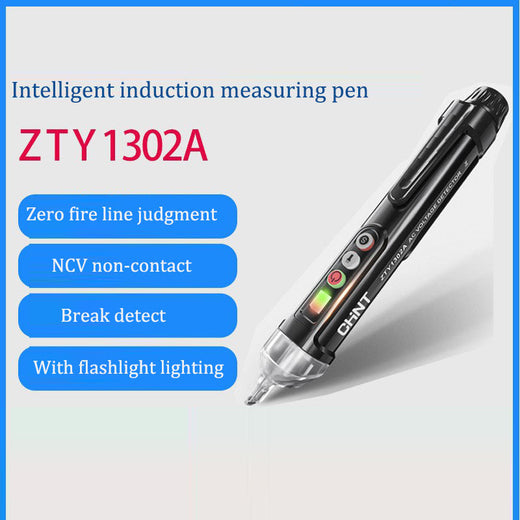
Test pens in this category are non-contact voltage tester pens designed to help detect the presence of alternating electrical voltage near wires, outlets, switches and other electrical points. The NCV Voltage Tester Pen — Non-Contact Live Wire Detector lets you check for a possible live circuit without touching the conductor with a metal probe, but it should be used only as a preliminary check and not as the sole confirmation that power is off.
How do I choose a non-contact voltage tester pen?
Start by choosing a test pen designed specifically for non-contact voltage detection rather than a writing pen, continuity tester or contact-style voltage meter. Check that the product description matches the work you intend to do, such as checking outlets, switches, cables or exposed wiring areas. A clear visual indicator, an audible alert and a pointed sensing tip can make the NCV Voltage Tester Pen easier to use around common household electrical points. Consider the pen's shape and controls too: a pocket-friendly design is convenient for quick checks, while simple one-button operation helps reduce setup time. Before buying, confirm the battery type, included accessories and operating instructions. For repairs, use the tester as one step in a wider isolation and verification process.
What types of test pens are there, and how do they compare?
A non-contact voltage tester pen detects an electrical field near a potentially energized conductor without requiring the sensing tip to touch bare metal. This differs from a contact voltage tester, which uses probes that must touch test points, and from a multimeter, which can measure voltage and other electrical values when set up correctly. A continuity tester is intended to check whether a circuit path is complete, not simply whether voltage may be present. The NCV Voltage Tester Pen is suited to quick screening of likely live wires, outlets and switches. It does not replace a multimeter when you need a numerical voltage reading or a detailed circuit diagnosis. If someone asks about a “dyne pen,” clarify the intended tool, because that term may refer to a different type of measuring or testing device.
What should I look for in the best pen tester?
When comparing the best pen tester options, focus on usable detection features rather than the name alone. Look for a clear indication when voltage is detected, controls that are easy to operate with one hand and a tip that can reach around outlet slots, wire insulation and switch boxes. A compact, pen-shaped body is useful for carrying in a tool pouch or pocket, while a clip can help keep it secure between checks. Read the product instructions for the supported electrical environment and detection limitations before purchase. The NCV Voltage Tester Pen is a practical choice when you want a dedicated, non-contact detector for preliminary checks. Also check whether batteries are included and inspect the casing and sensing tip before each use.
How do I use a non-contact test pen?
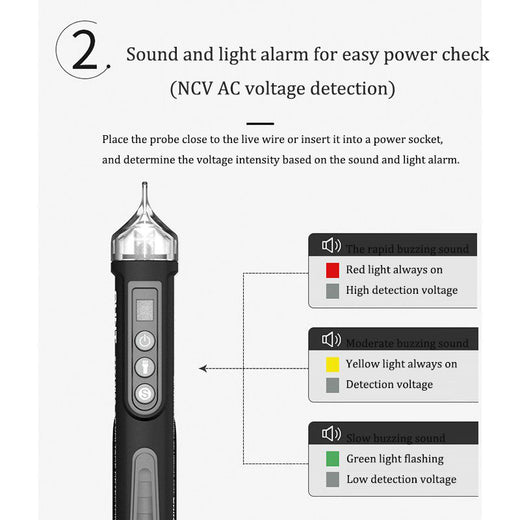
Read the instructions first, then switch on the NCV Voltage Tester Pen and use its built-in self-check or known-live source procedure if the instructions provide one. Bring the sensing end close to the insulated wire, outlet, switch or other point you want to check without forcing the tip into an opening. Watch and listen for the product's voltage indication, and scan nearby conductors when the source location is unclear. A negative result does not prove that a circuit is safe: detection can vary with insulation, distance, wiring layout, interference and the tester's condition. Turn off the relevant circuit at the breaker before electrical work, follow local procedures and use an appropriate contact meter to verify de-energization when required. Do not use the pen as permission to touch conductors.
What are common mistakes when using a test pen?
One common mistake is failing to check whether the tester works before relying on it. Test the pen according to its instructions, keep the batteries fresh and stop using it if the casing, tip or controls are damaged. Another mistake is treating silence as proof that no voltage is present; a non-contact detector can miss a source because of distance, shielding, interference, a weak battery or unsuitable conditions. Users may also scan only one wire, overlook nearby circuits or assume the pen identifies the exact energized conductor. Keep the sensing tip clean and dry, avoid using the tool outside its stated conditions and do not open or modify it. For repair work, isolate the circuit and confirm the result with the appropriate method.
Who is a non-contact voltage tester pen suitable for?
The NCV Voltage Tester Pen suits homeowners, maintenance workers, installers and electricians who need a quick preliminary indication of possible AC voltage near common electrical points. It can be useful when tracing a likely live wire, checking an outlet before closer inspection or screening a switch and cable area without placing a metal probe against the conductor. It is less suitable when you need an exact voltage reading, continuity information, phase identification or a definitive professional isolation test; choose a properly rated meter and follow the required work procedure instead. Beginners should use the pen only within the limits stated in the instructions and should not attempt electrical repairs beyond their training. Anyone working near mains electricity should treat every circuit as potentially hazardous until correctly isolated and verified.
Frequently asked questions
What is a test pen used for?
A non-contact test pen is used to detect a possible electrical voltage field near insulated wires, outlets, switches and cables. It provides an indication without requiring the sensing tip to touch a bare conductor. It is a preliminary checking tool, not a substitute for proper circuit isolation and voltage verification.
What are some good exam pens?
If “exam pens” means pens used for writing tests, that is a different product category from electrical test pens. For electrical checks, look for a clearly marked non-contact voltage tester with a visible or audible alert, simple controls and instructions that match your intended use.
What is a dyne pen?
“Dyne pen” is not the usual name for a non-contact voltage tester pen. It may refer to another type of testing or measuring tool, so check the required application before buying. For detecting possible live AC voltage near wiring, choose an NCV voltage tester pen.
How do I test a pen?
To test an NCV pen, follow its instructions and use the specified self-check or a known-live electrical source before checking an unknown circuit. Confirm that the indicator responds as expected, and inspect the casing, sensing tip and battery condition. If it does not respond reliably, do not use it to make safety decisions.
Is it safe to use a test pen?
A non-contact voltage tester can reduce the need to touch a conductor, but it does not make electrical work risk-free. Follow the instructions, check the tester before use, isolate circuits before work and use an appropriate verification method when confirming that power is off. Never treat a lack of indication as proof that a circuit is safe to touch.
What is the best pen tester?
The best pen tester depends on the job, but a suitable model should be purpose-built for non-contact voltage detection, easy to operate and clear about its operating limits. The NCV Voltage Tester Pen is intended for preliminary checks around likely live wires, outlets, switches and cables. Choose a different meter when you need a measured voltage value or another electrical test.