Skip to content

Solar Chargers for Phones & Vehicles | Solar Panels

4 products

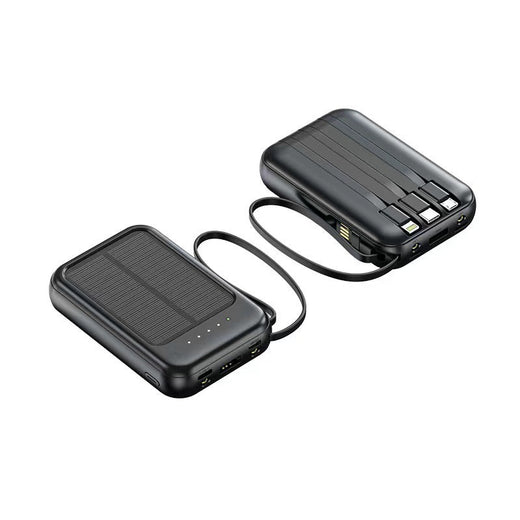
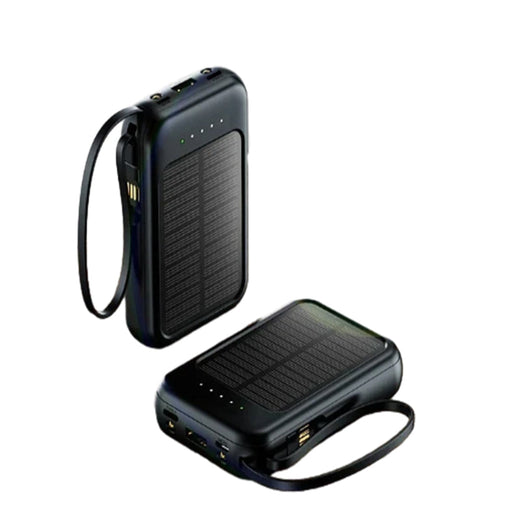
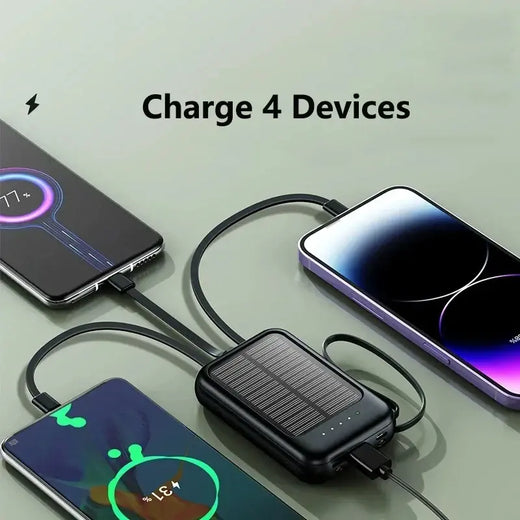
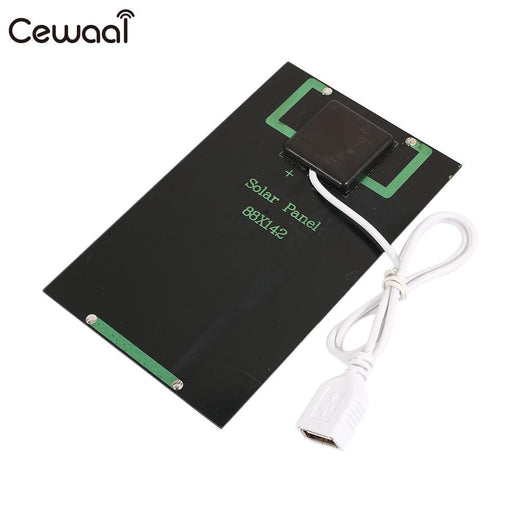
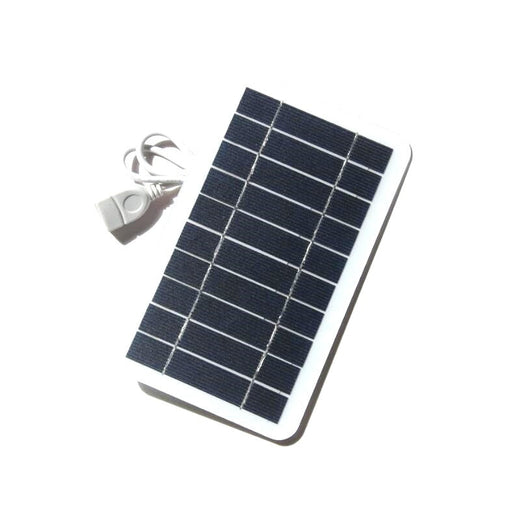
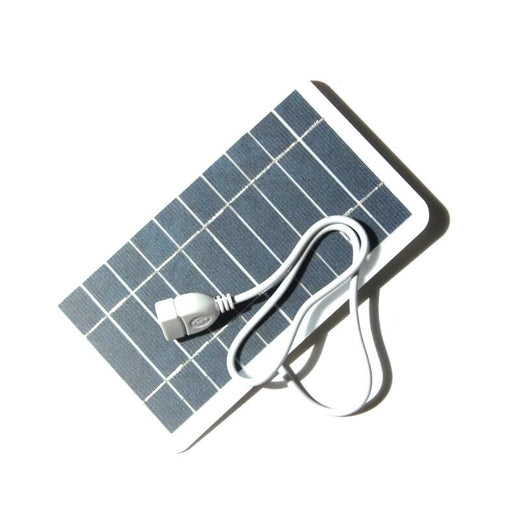
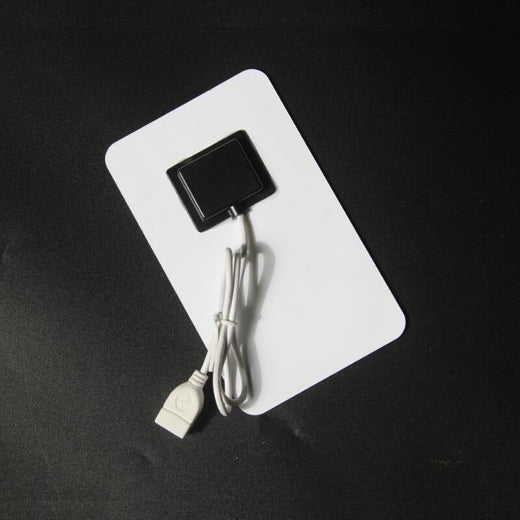
Solar chargers give you a practical way to top up phones and other USB devices when you have access to sunlight, whether you are camping, traveling, or preparing for an outage. This category includes a compact 5W USB solar panel, a dedicated solar phone charger panel, and a 20000mAh solar power bank for charging up to four devices off-grid.

How do I choose the best solar charger?

Start with how and where you plan to charge. A 5W USB solar panel charger is a lightweight choice for phones, small electronics, and day trips when you can position the panel in direct sunlight. A solar phone charger panel suits shoppers who want a simple panel dedicated to charging a cell phone. If you need power after sunset or while moving between locations, choose the 20000mAh solar power bank, which can charge four devices and store energy for later use. Check your devices' USB requirements before buying, and consider whether packability, stored capacity, or direct sunlight charging matters most. The best portable solar charger power bank is the one that matches your routine rather than the one with the most features.

What types of solar chargers are available?

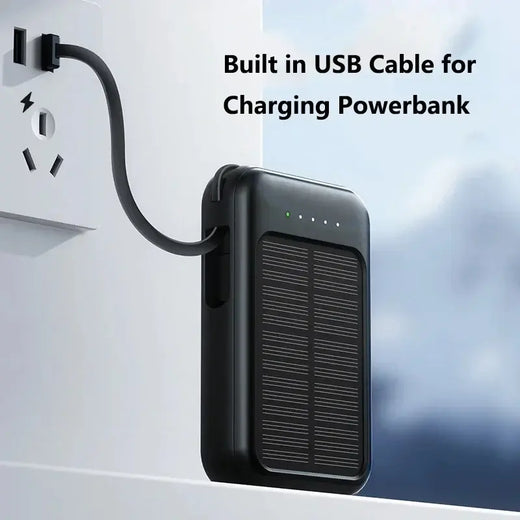
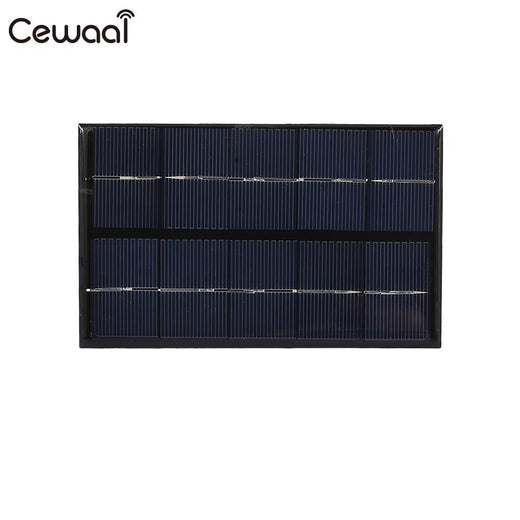
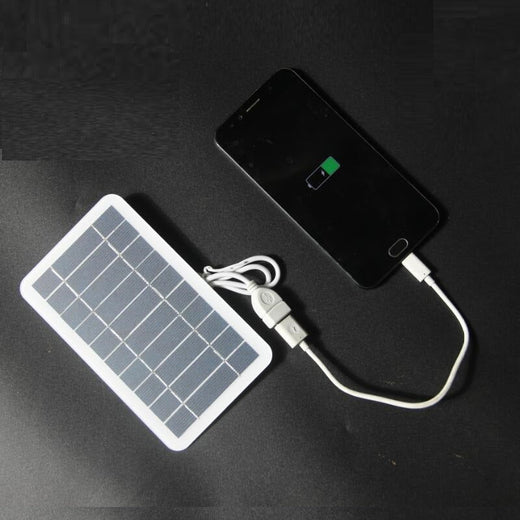
Solar chargers generally fall into two useful groups: solar panels and solar power banks. A panel converts sunlight into power while it is positioned outdoors, making it useful for camping, hiking, travel, or emergency charging. The 5W USB Solar Panel Charger and Solar Phone Charger Panel are designed for direct USB charging, so they work best when placed in strong, consistent sunlight. A solar power bank combines a battery with solar charging, allowing you to connect devices from stored energy when sunlight is unavailable. The 20000mAh Solar Power Bank is suited to people carrying several devices or needing charging away from a wall outlet. For solar chargers for cell phones, choose a panel for lightweight simplicity or a power bank for more flexible timing.

What should I look for in a portable solar charger?

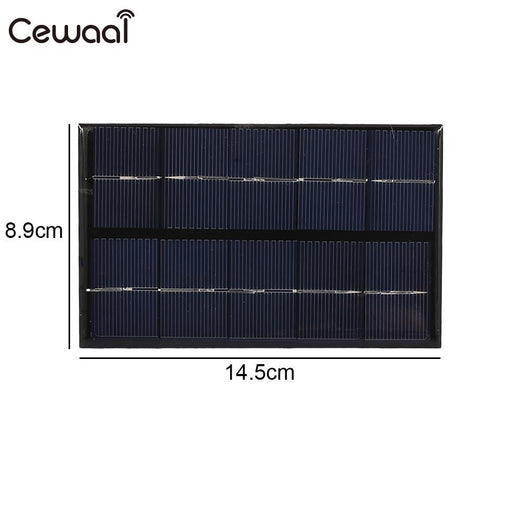
Look at panel output, battery capacity, device compatibility, portability, and the number of USB connections. The 5W panel is a compact option for topping up a phone or other small USB device in suitable sunlight. A solar charger power bank is more convenient when you want energy stored for later, especially during travel or camping. The 20000mAh model is designed to charge four devices, which can help when several people need power. Also consider how easily the charger fits in a backpack, vehicle, or emergency kit. A solar charger for an Android phone should have a compatible USB connection and should be used with the phone's normal charging cable when needed. Solar input varies with sunlight, positioning, and weather, so treat panels as an off-grid charging option rather than a guaranteed wall-outlet replacement.

How do I use a solar charger for my phone?

Place the solar panel where it receives direct, unobstructed sunlight, then connect your phone with a suitable USB cable. Keep the panel angled toward the sun and reposition it as the sun moves, especially during longer charging sessions. For a solar power bank, charge the bank in sunlight according to its instructions before connecting your phone; stored power can then be used when you are indoors or traveling after dark. Keep the charging surface clear of dirt and avoid covering the panel with clothing or gear. If clouds, shade, or changing angles interrupt the connection, charging may slow or stop. A portable solar charger for a phone works best when the phone is not being heavily used during charging, since navigation, video, or gaming can increase power demand.

What are common solar charger mistakes?

A common mistake is expecting a small panel to charge at the same speed in every condition. Shade, clouds, windows, poor positioning, and moving sunlight can reduce available power, so place the charger outdoors in a clear, stable location when possible. Another mistake is confusing a solar panel with a battery: a panel usually needs sunlight while the device is connected, while a solar power bank stores energy for later. Do not leave a phone or power bank in excessive heat, and use the correct cable for your device. Shoppers also sometimes choose based only on battery capacity without checking portability or USB connections. For camping, test your setup before leaving home so you know how the panel, cable, and device work together.

Who are solar chargers best suited for?

Solar chargers suit campers, hikers, travelers, drivers, and anyone who wants an alternative to a wall outlet for USB devices. The 5W USB Solar Panel Charger is a sensible lightweight option for occasional phone top-ups when you can leave the panel in sunlight. The Solar Phone Charger Panel is aimed at shoppers seeking a direct solar charging setup for a cell phone. The 20000mAh Solar Power Bank is better for people who want stored energy, need to charge four devices, or expect to be away from outlets for longer periods. These products can also be useful in a vehicle or emergency kit, but they are not a whole-home power system. For home power, look for a larger solar setup designed for the appliances and loads you need to run.

Frequently asked questions

What is the best solar-powered charger?

The best choice depends on whether you need direct sunlight charging or stored energy. Choose a 5W panel for a compact setup, a solar phone charger panel for direct phone charging, or the 20000mAh solar power bank when you want to store power and charge up to four devices.

Do solar phone chargers really work?

Yes, solar phone chargers can provide USB charging when the panel receives suitable direct sunlight. Charging speed and consistency vary with weather, shade, panel position, and the phone's power demand, so they work best as an off-grid top-up option.

What is the best solar charger for home power?

The products in this category are intended for phones and other USB devices, not for powering an entire home. For household appliances or backup circuits, you would need a larger solar generation and battery system designed for those electrical loads.

What are the downsides of using solar chargers?

Solar chargers depend on available sunlight, so charging can be slower or interrupted by clouds, shade, indoor placement, or poor positioning. Small panels also provide limited output, while a power bank adds stored capacity but may be larger and heavier than a basic panel.

What is the lifespan of a solar charger?

Lifespan varies by product construction, battery use, storage, and exposure to heat, moisture, and physical damage. Follow the product care instructions, keep panels clean, protect electronics from harsh conditions, and store a power bank appropriately when it is not in use.

Why are people getting rid of their solar panels?

People may replace or discard panels because of damage, reduced performance, changing energy needs, installation changes, or upgrades to a larger system. For portable solar chargers, regular wear, battery aging in power-bank models, and changing travel habits can also influence whether someone continues using the product.