
$42.90
Free delivery · 7–14 days
Replacement 2.5mm Coiled Headphone Cable for Bose QC35


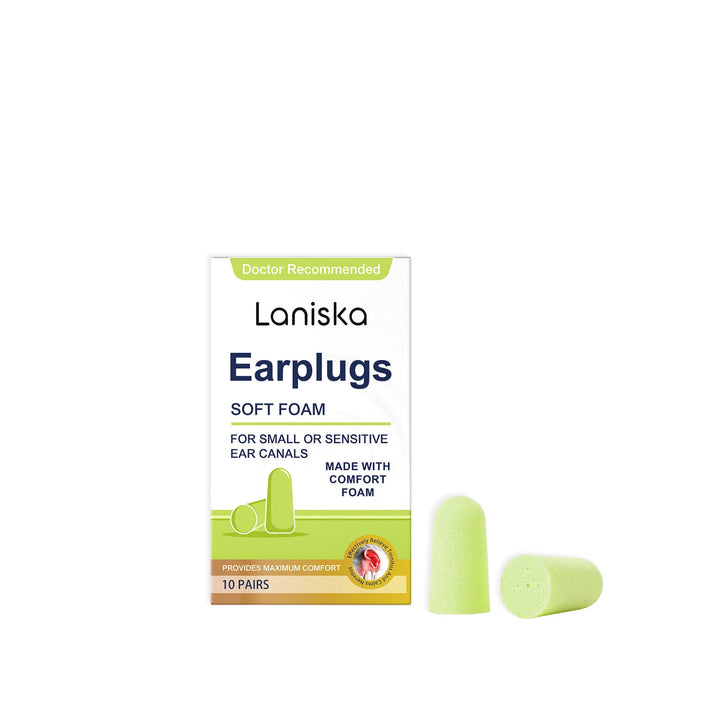


Find sleeping ear plugs designed to reduce everyday bedroom noise while staying comfortable through the night. This category includes small earplugs, flexible silica gel options, and silicone ear plugs that can suit different sleeping positions, noise levels, and fit preferences.
Start with the noise you want to reduce and the way you sleep. For occasional background sounds, Small Earplugs for Comfortable Noise Reduction at Rest offer a compact option that may feel less noticeable. If a snorer, traffic, or household noise is your main concern, Soundproof Earplugs for Sleeping — Silica Gel, Anti-Snoring provide a flexible style intended for a close fit. For shoppers who want one pair for bedtime and events, Silicone Ear Plugs for Sleeping & Concerts — Hear Clearly are a versatile choice. Side sleepers should pay close attention to the part of the ear plug that sits outside the ear, since a low-profile shape is less likely to press against a pillow. Choose the style that feels secure without requiring force or discomfort.
Sleeping ear plugs generally differ by size, material, shape, and intended use. Small earplugs can be a practical starting point when you prefer a compact design or have smaller ears. Silica gel earplugs are flexible and can be useful when you want a soft, adaptable fit for sleeping or reducing snoring noise. Silicone ear plugs offer another flexible option and may appeal to shoppers who want ear plugs for both sleep and concerts. No ear plug blocks every sound, and these are passive noise-reduction products rather than electronic noise-cancelling devices. When comparing types, consider whether you sleep on your side, change positions often, share a room with a snorer, or want a pair that works beyond the bedroom.
Comfort depends on more than the material. Look for a size that sits securely without feeling overly tight, a shape that does not stick out into your pillow, and a surface that feels smooth against the ear. Side sleepers often prefer a low-profile design, while people who move during sleep may value a shape that stays in place without constant adjustment. Check whether the product is described for repeated use and follow its cleaning or replacement guidance. If you are comparing the best earplugs for sleeping with a snorer, prioritize a stable seal and comfort over the most rigid fit. Product details can help you compare small, silica gel, and silicone designs before ordering from an online marketplace or shopping for sleeping ear plugs near me.
Wash and dry your hands before handling sleeping ear plugs, and make sure the ear area is clean and dry. Insert or position the ear plugs according to the product instructions; do not push them farther into the ear than recommended. The fit should feel secure but not painful, and you should be able to remove the plugs without force. Test them while awake before using them overnight so you can check comfort, movement, and how much sound remains audible. Keep reusable plugs clean and dry between uses, and replace them if the material becomes damaged, dirty, or difficult to fit. If a plug causes persistent discomfort, irritation, or a blocked sensation, stop using it and consider asking a qualified healthcare professional for advice.
A common mistake is assuming that the strongest-feeling or largest ear plug will always be the best choice. An oversized design can be uncomfortable, especially for side sleepers, while a poor seal may let in more sound than expected. Another mistake is choosing based only on the phrase noise cancelling; most sleeping ear plugs reduce sound passively and do not actively cancel it. Shoppers also sometimes overlook cleaning instructions, use one pair longer than recommended, or share ear plugs with another person.
Sleeping ear plugs may suit adults who want to reduce household sounds, a partner’s snoring, light outside noise, or other bedtime distractions. Small Earplugs for Comfortable Noise Reduction at Rest may work well for shoppers who prefer a compact design. Soundproof Earplugs for Sleeping — Silica Gel, Anti-Snoring may suit people seeking a flexible option for shared bedrooms, while Silicone Ear Plugs for Sleeping & Concerts — Hear Clearly can suit anyone wanting a sleep-and-event pair. They are not ideal if you need to hear alarms, children, a partner, or other important sounds without delay. Consider an alarm with vibration or another alert method if appropriate, and avoid using ear plugs when you must remain fully aware of your surroundings.
Many people use sleeping ear plugs to reduce everyday bedroom noise, provided the plugs fit comfortably and are used as directed. Keep reusable plugs clean, do not force them into the ear, and stop using them if they cause pain, irritation, or persistent discomfort. Make sure you can still respond to important alarms or alerts.
The best choice depends on your ear size, sleeping position, preferred material, and the noise you want to reduce. Small earplugs may suit compact-fit preferences, silica gel may appeal to shoppers seeking flexibility, and silicone ear plugs can be useful if you also want them for concerts. Side sleepers should look for a low-profile design that does not press against the pillow.
Sleeping ear plugs are a simple option for reducing passive sound from snoring, household activity, or outside noise. You can also consider practical changes such as closing windows, adding soft furnishings, or using steady background sound. Ear plugs do not block every sound, so choose a fit that is comfortable and realistic for your environment.
Side sleepers often prefer small or low-profile ear plugs that do not protrude far from the ear. A flexible silica gel or silicone design may feel more adaptable, but comfort varies by ear shape and pillow position. Try the ear plugs while awake first and stop if they create pressure or irritation.
Alternatives include a white-noise machine, a fan, a sleep headband with built-in speakers, heavier curtains, or moving the bed away from a shared wall. These options may reduce how noticeable noise feels without placing anything in the ear. Choose based on whether you need sound reduction, sound masking, or a change to the room.
There is no single ear plug that suits everyone, so an audiologist may consider fit, comfort, ear shape, and how the plugs will be used. For general shopping, compare small, silica gel, and silicone options and follow the product’s fitting and cleaning instructions. If you have ongoing ear discomfort or specific hearing concerns, ask a qualified hearing professional for personalized guidance.