Snore Relief Breathing Spray for Quiet, Restful Sleep
11 items
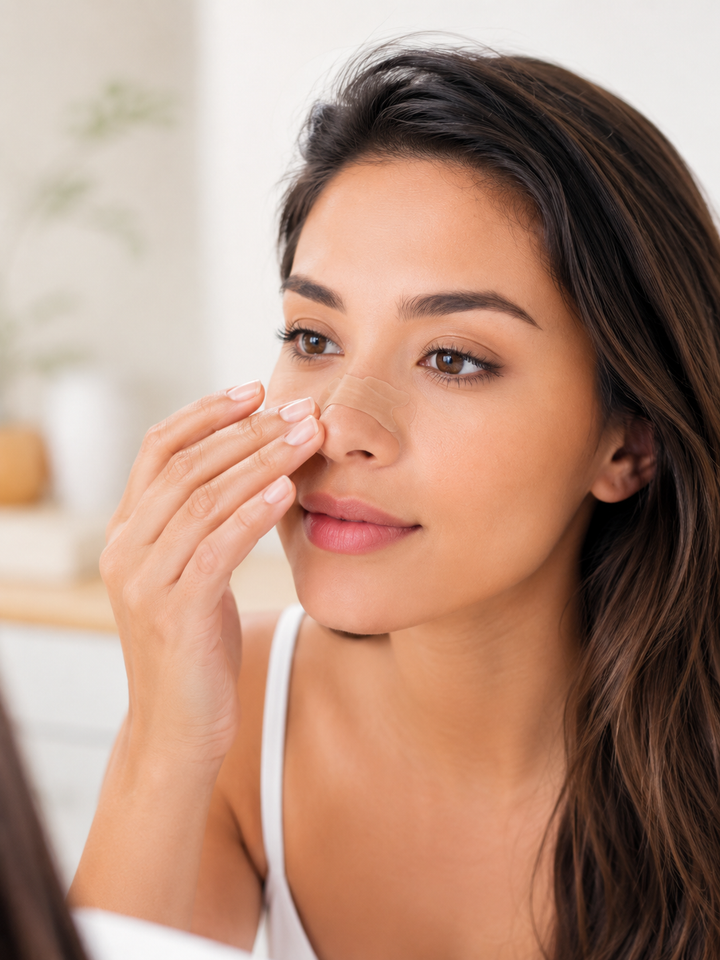
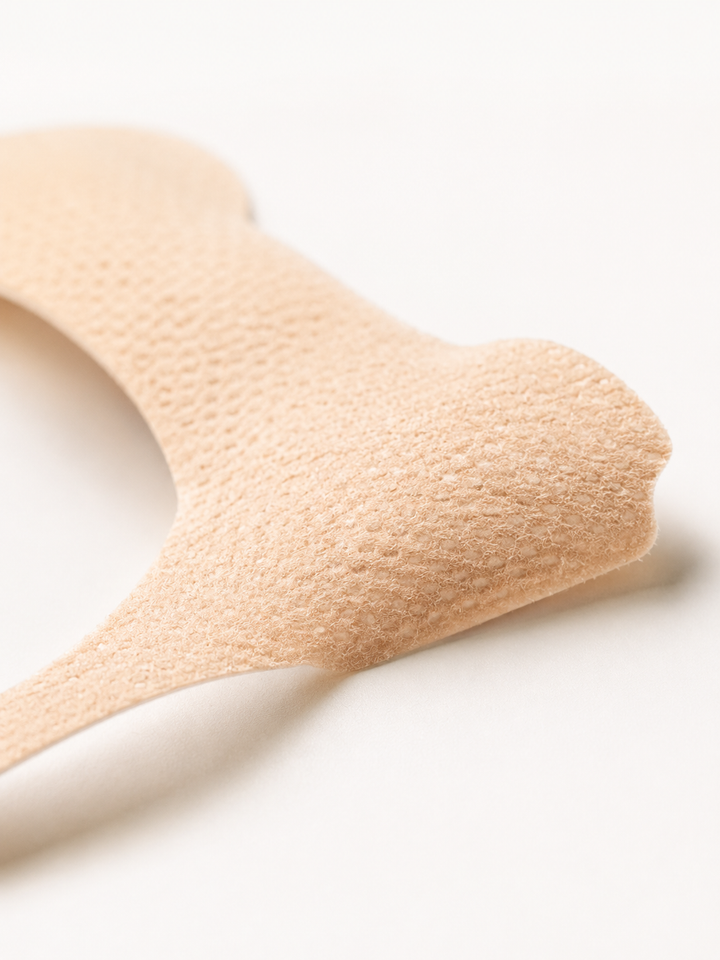
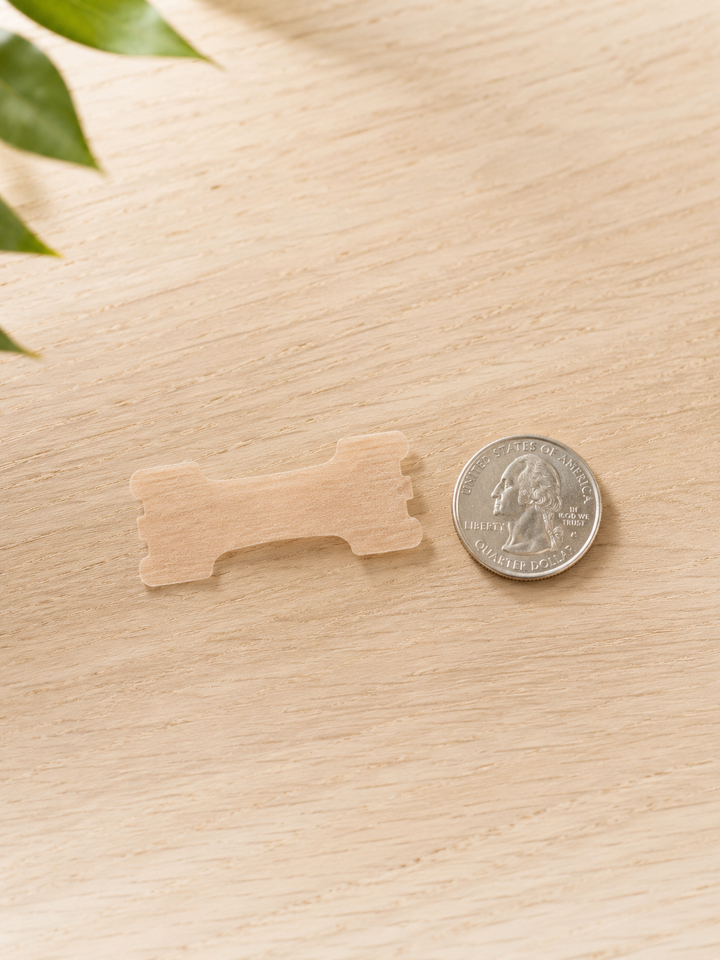

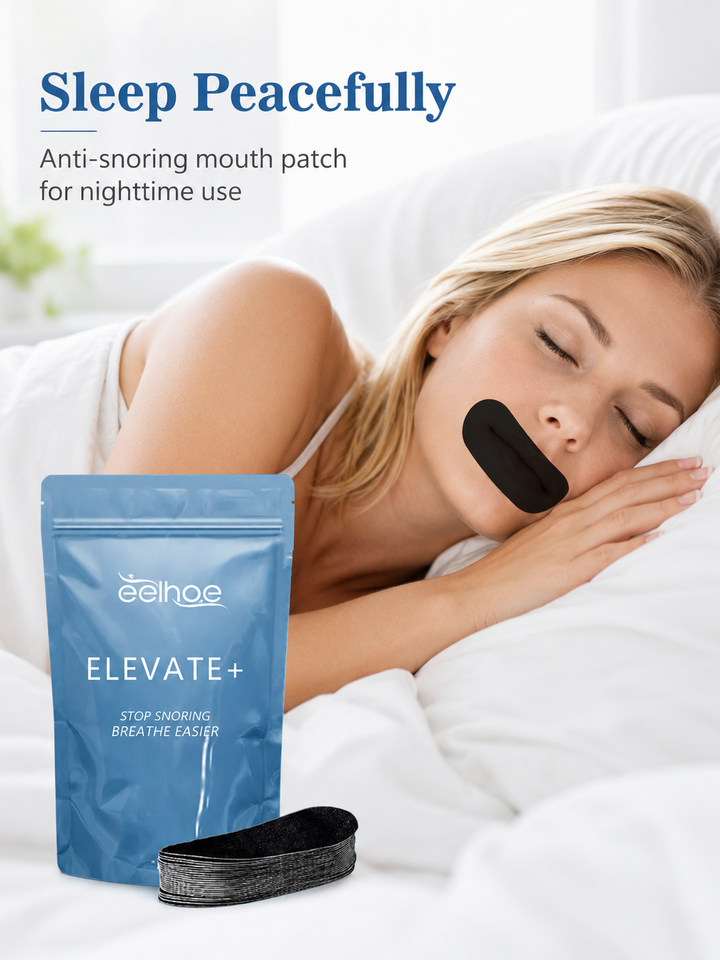
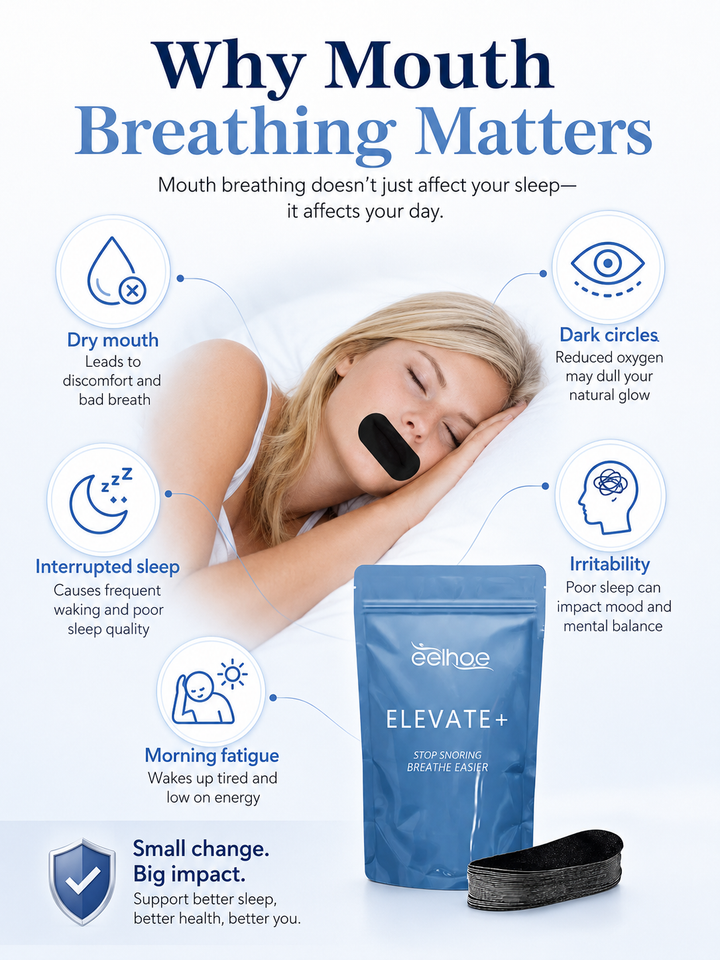
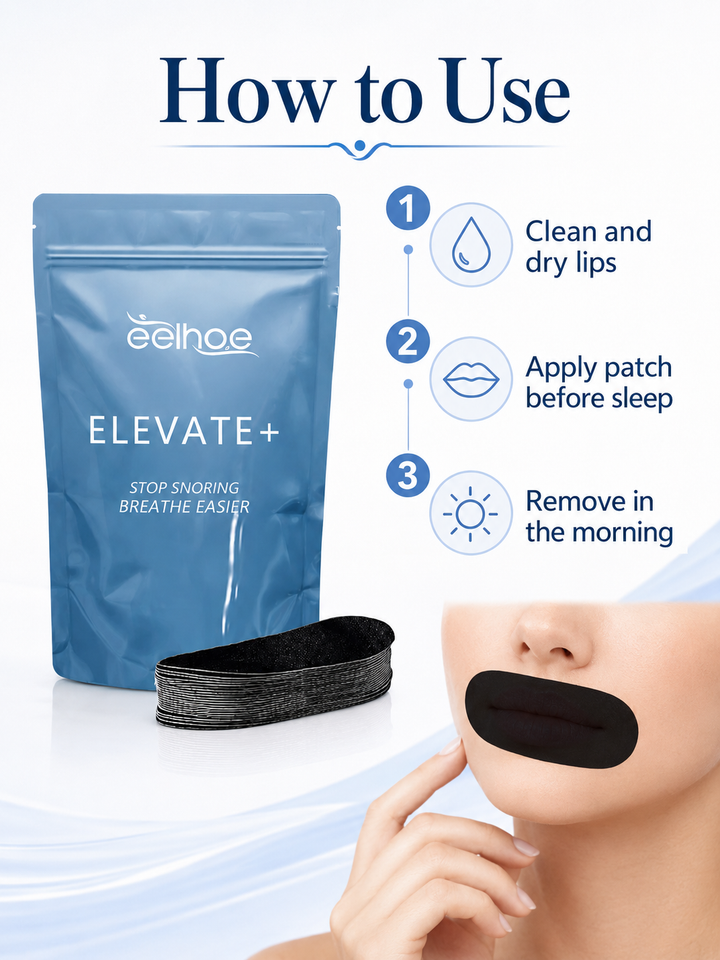



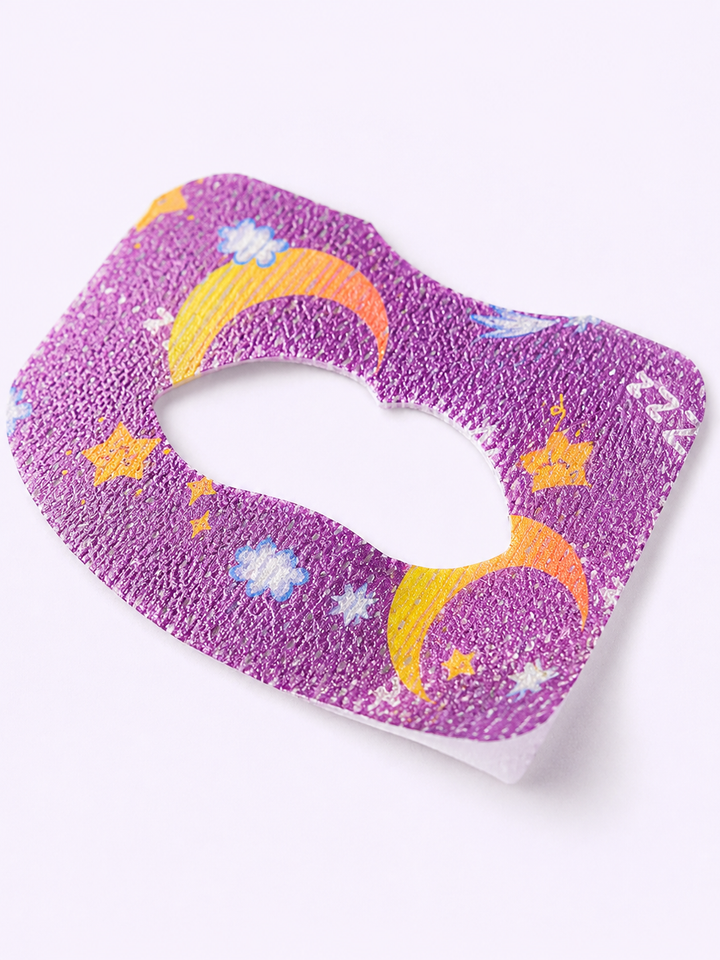

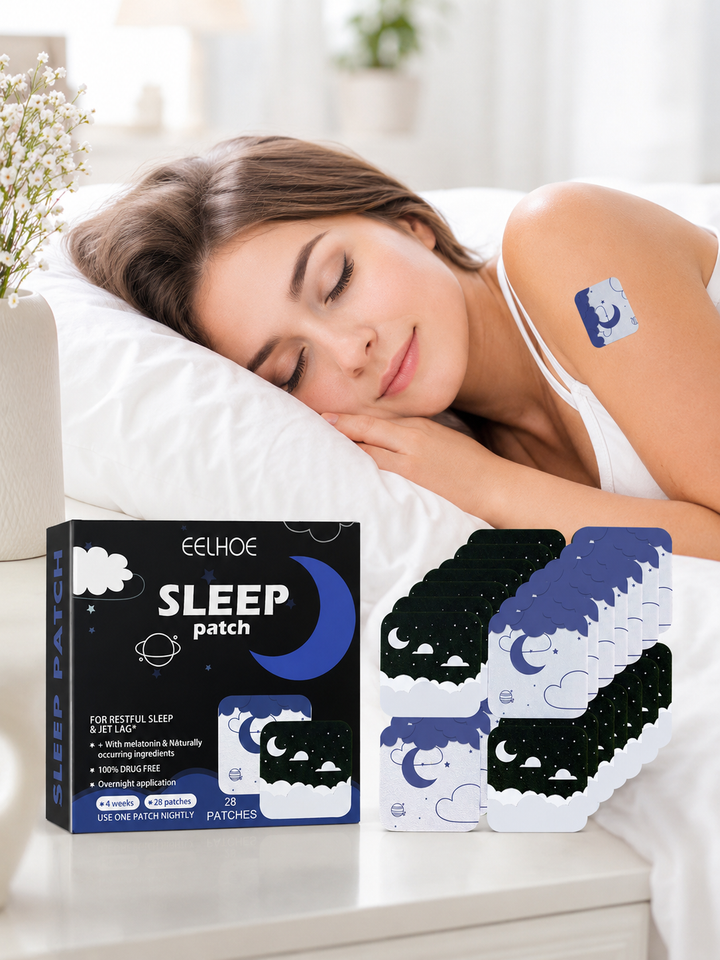
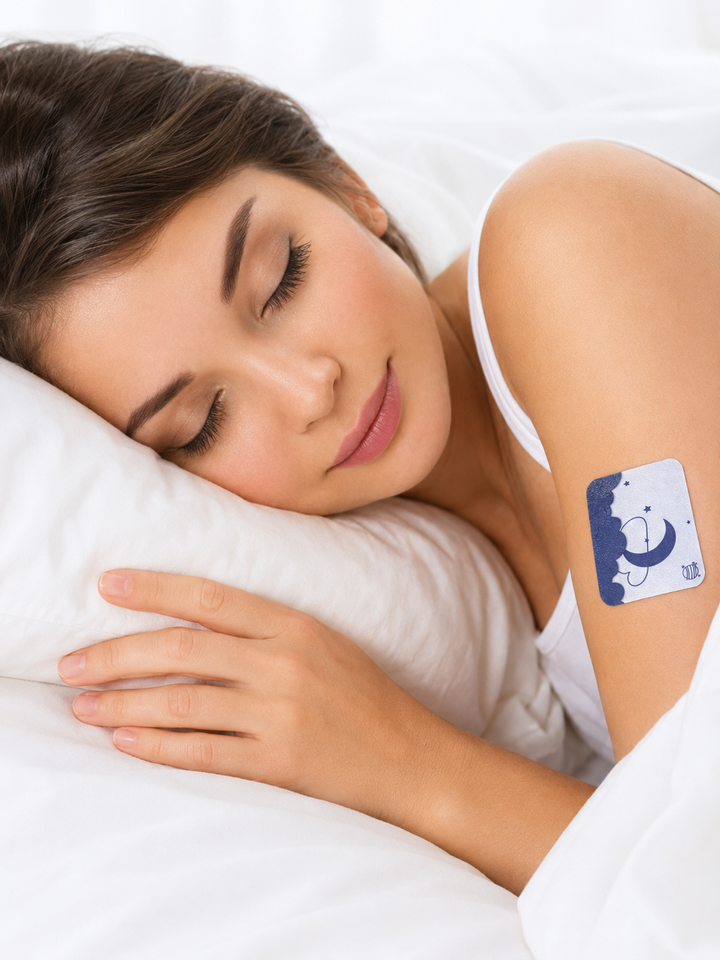
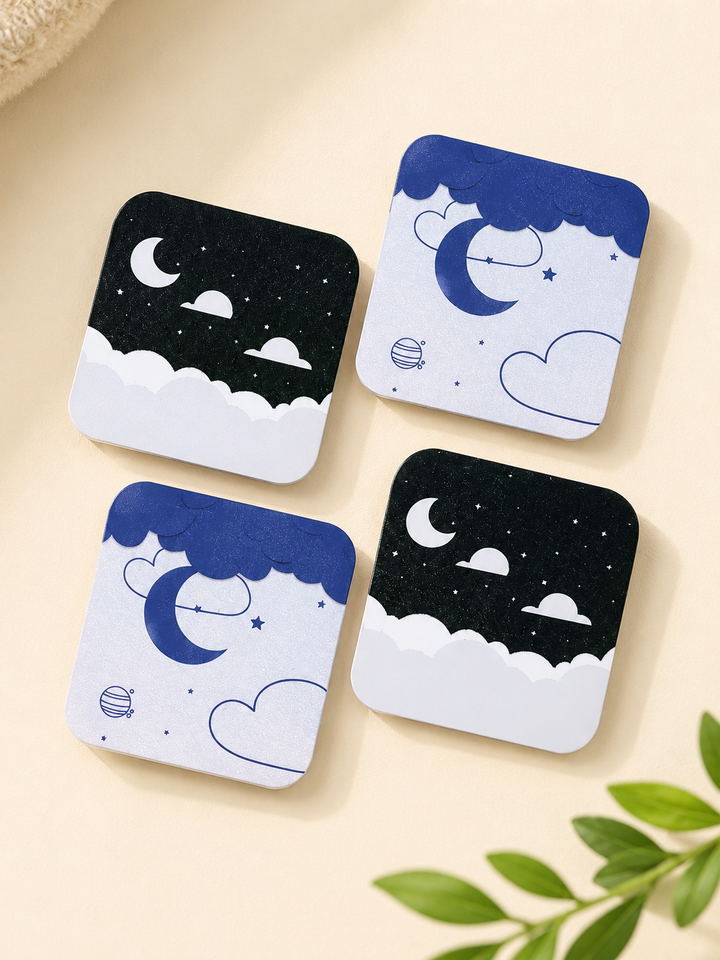

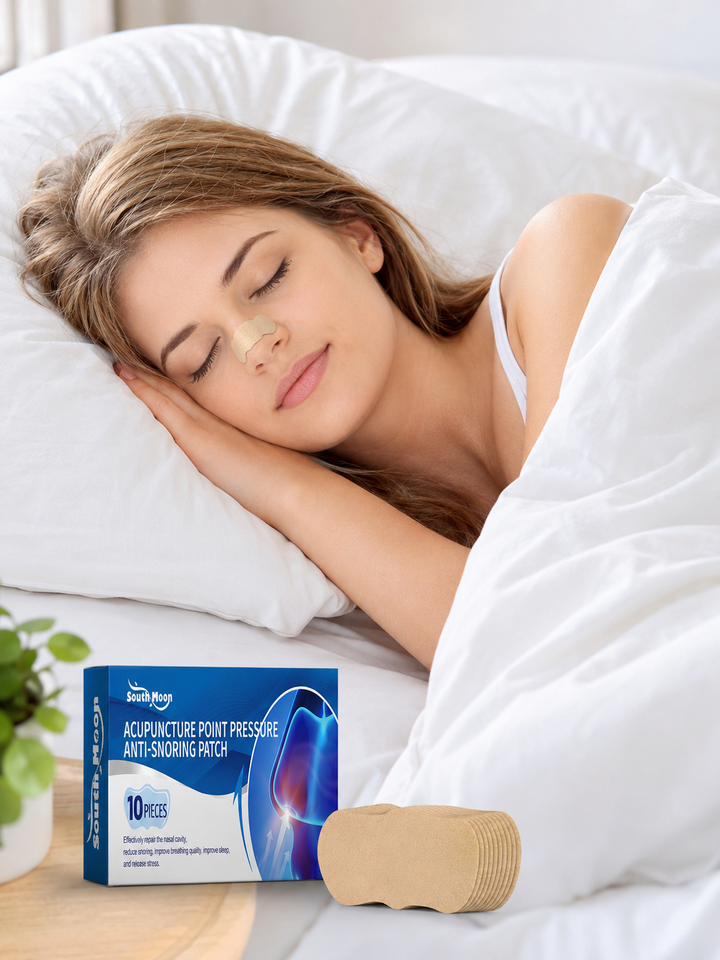
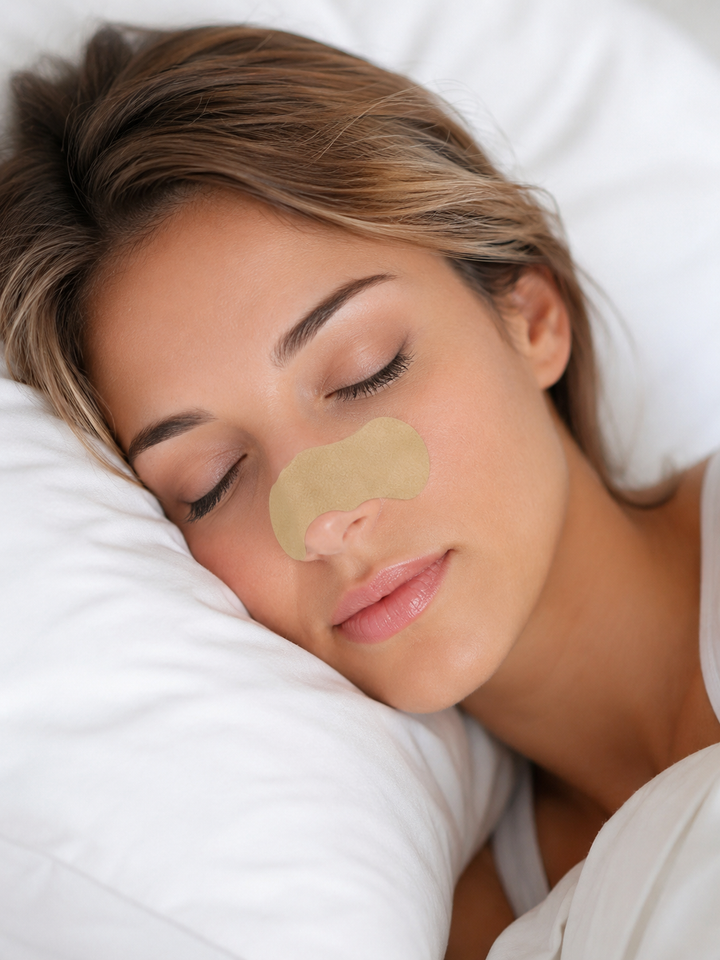



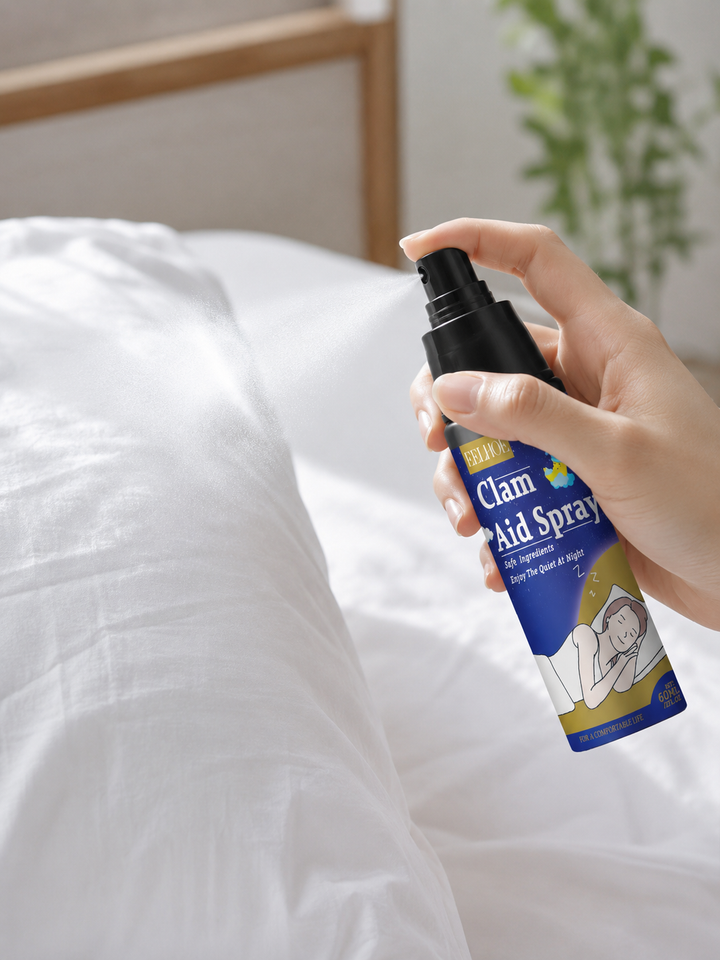
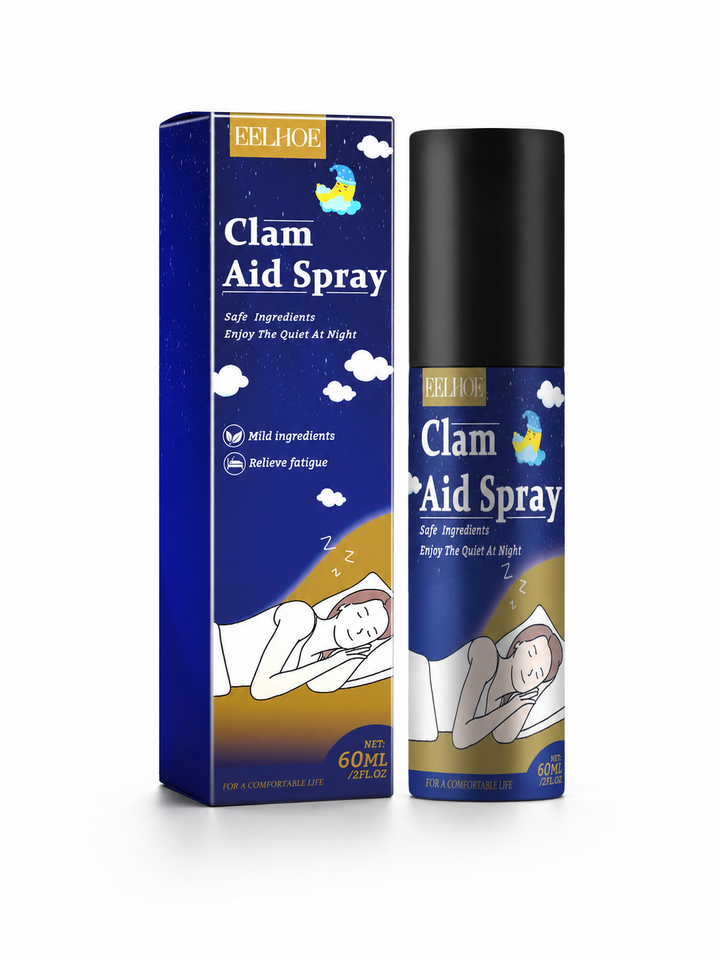

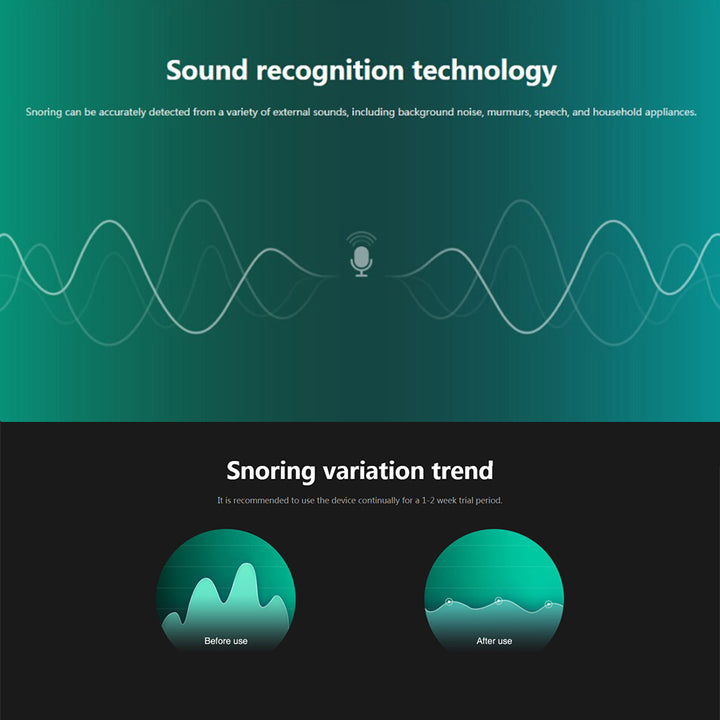
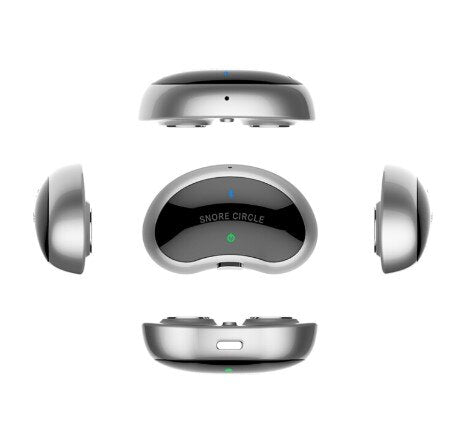
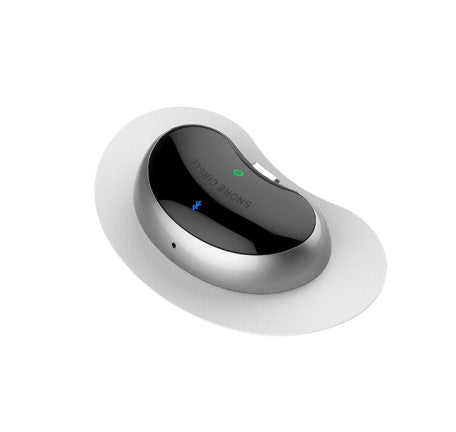

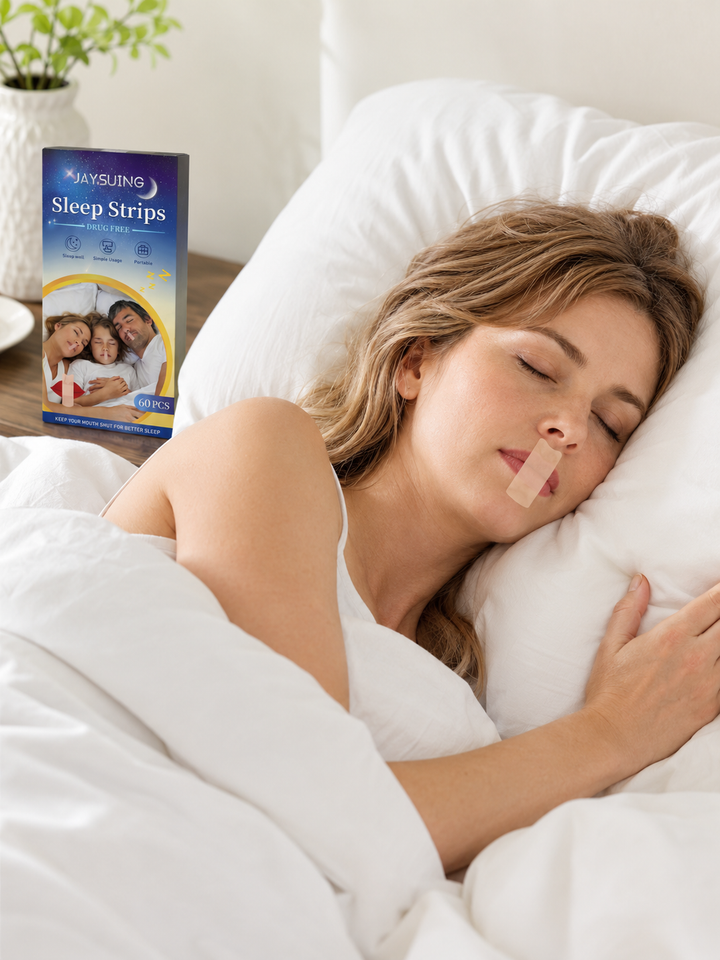
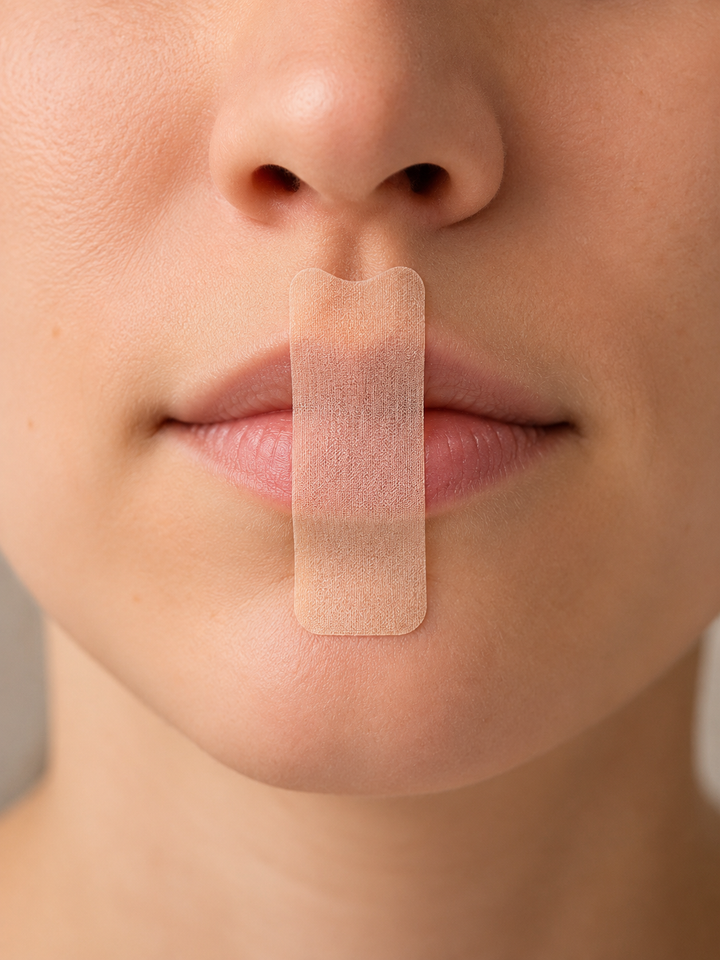
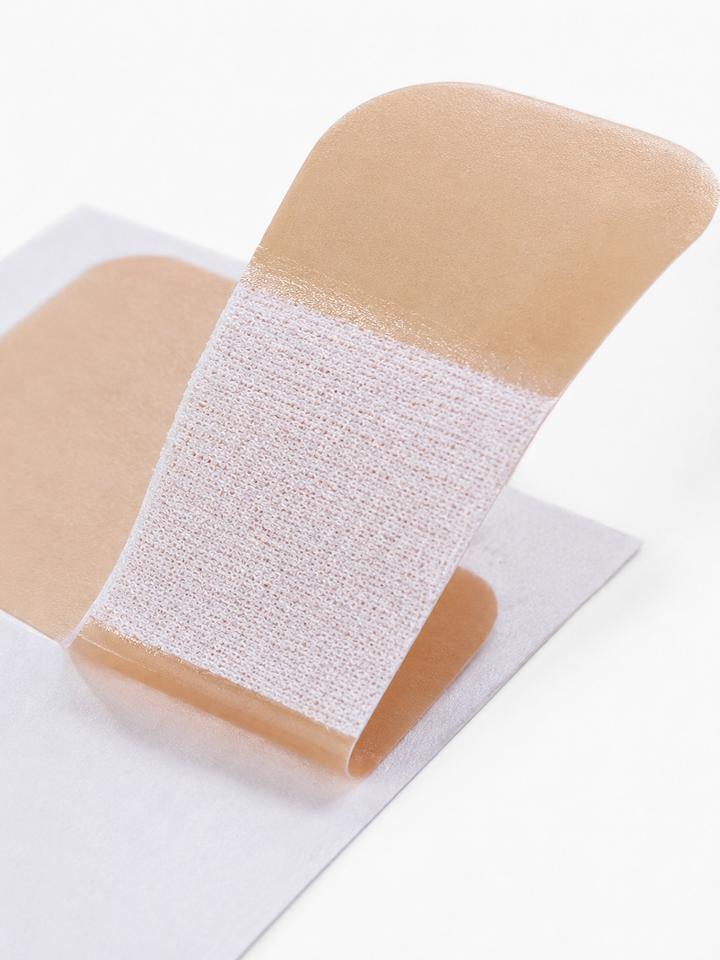

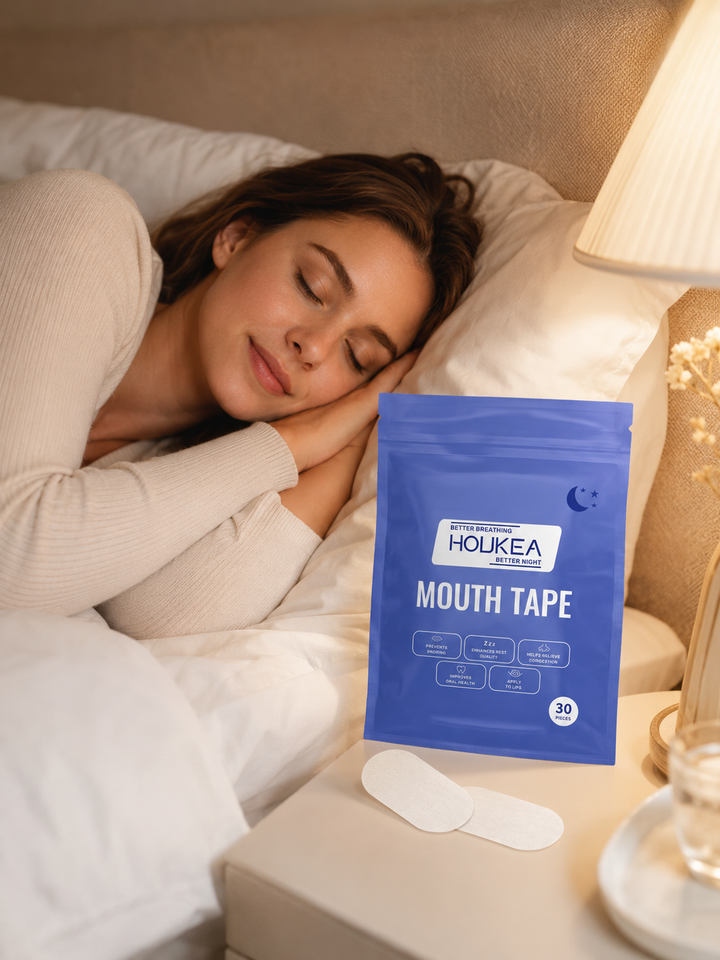
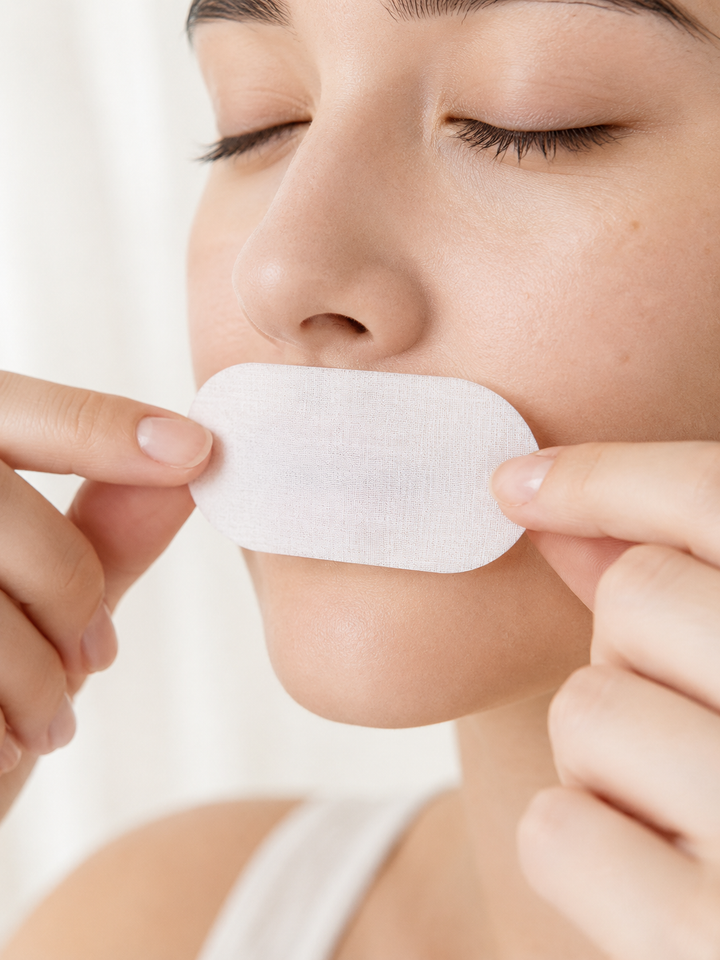
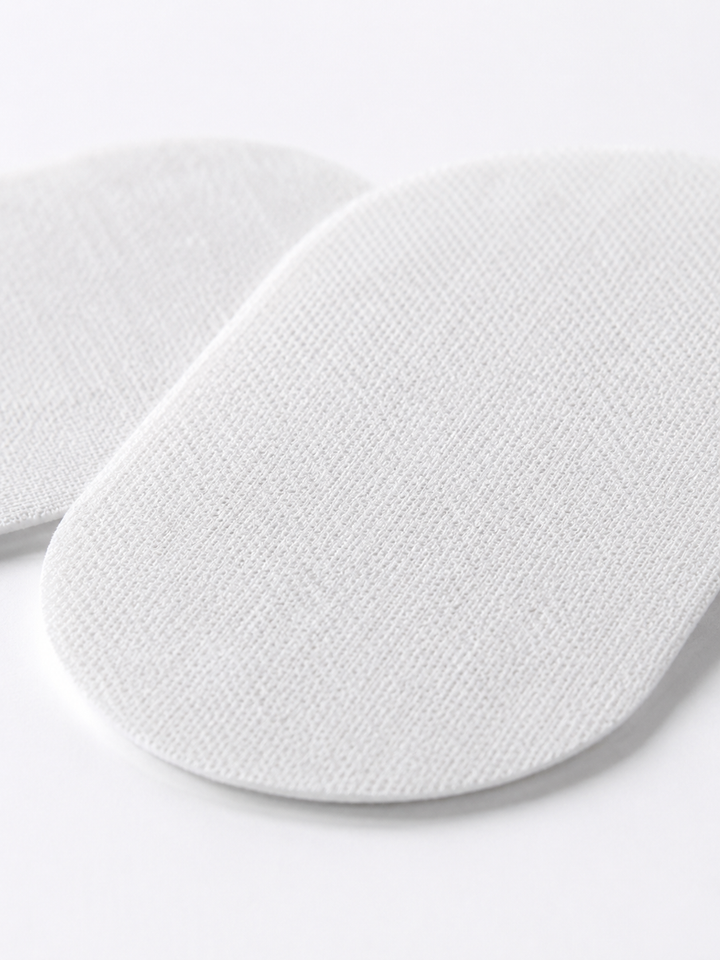

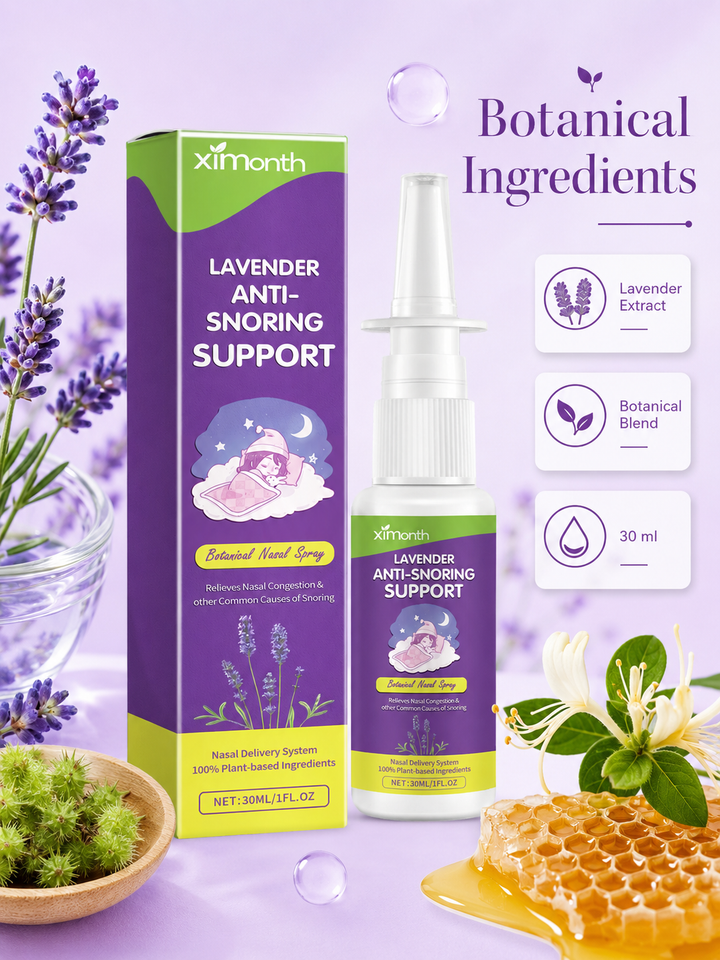
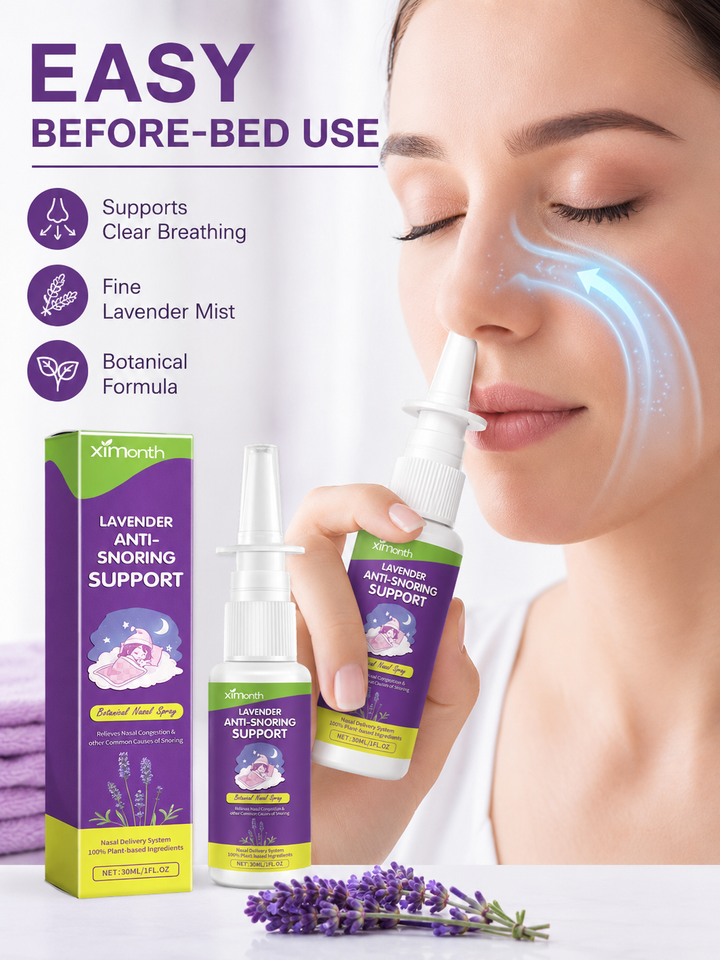
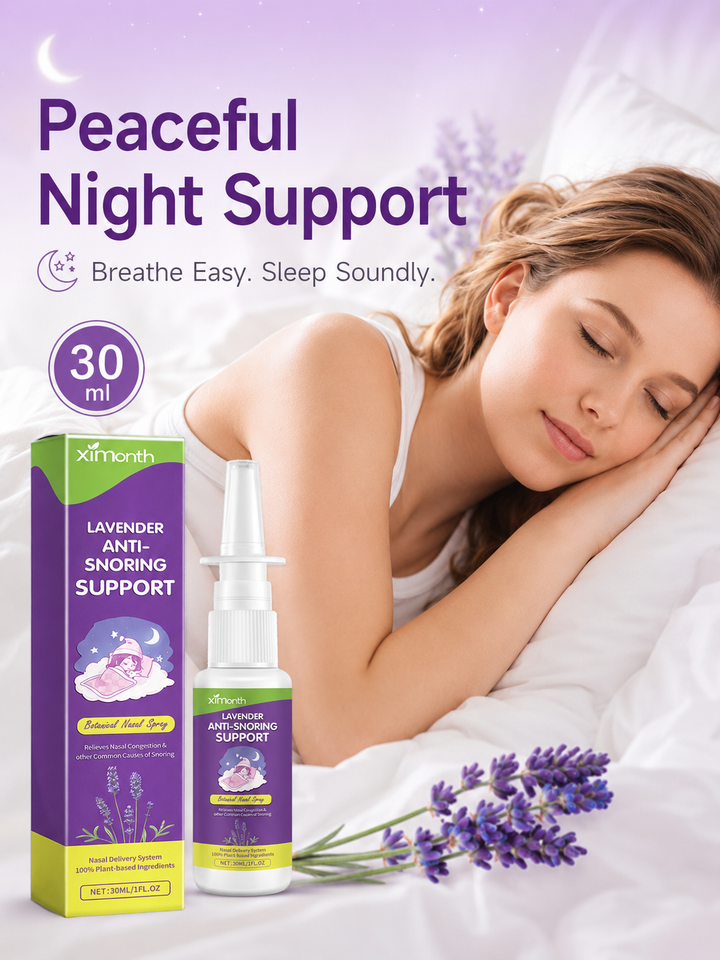
Find practical snore relief options for different bedtime routines, from breathing sprays and nasal patches to mouth tape and sleep-tracking devices. This guide compares the available formats so you can choose a product that fits your comfort preferences, sleep habits, and desired level of support.
How to choose snore relief for your bedtime routine
Start by considering where you notice the most discomfort: nasal breathing, mouth breathing, or general bedtime relaxation. A lavender anti-snoring nasal spray or portable mesh nebulizer may suit shoppers who prefer a mist-based routine, while an anti-snoring nasal patch provides external support without applying liquid. Mouth tape is designed for people who are comfortable using a strip at bedtime and want a drug-free option. If you want feedback about sleep patterns, the Smart Snore Stopper Biosensor combines snore-related support with sleep tracking. For a simple routine, choose one format and follow its instructions rather than combining several products immediately. Shoppers comparing the best anti snoring device should also check whether they prefer a wearable, a spray, or a reusable electronic product.
What types of anti-snoring products are available?
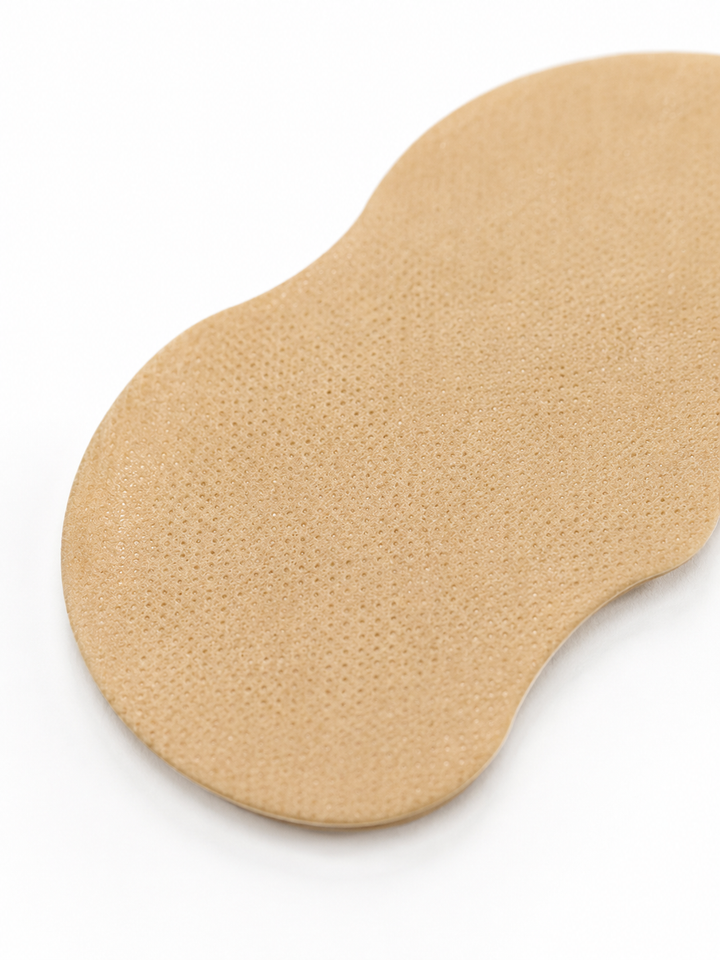
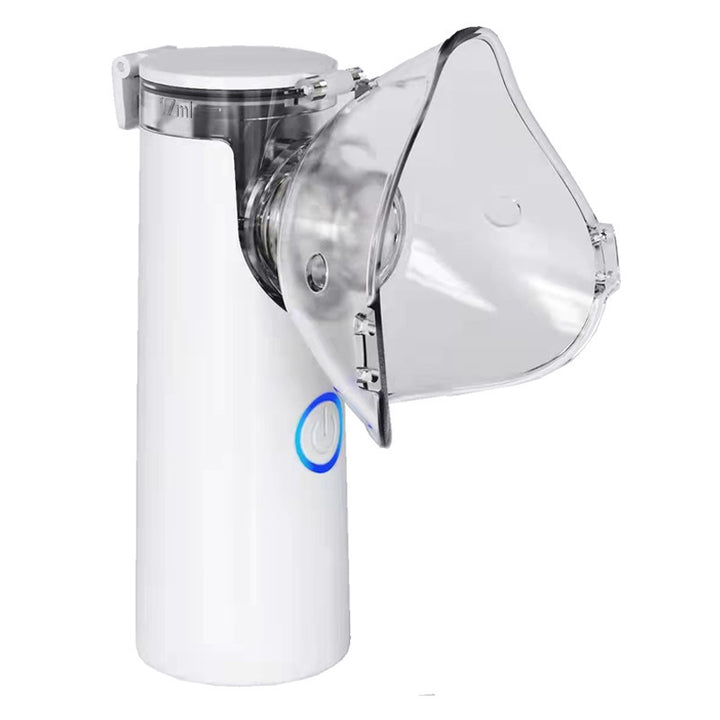
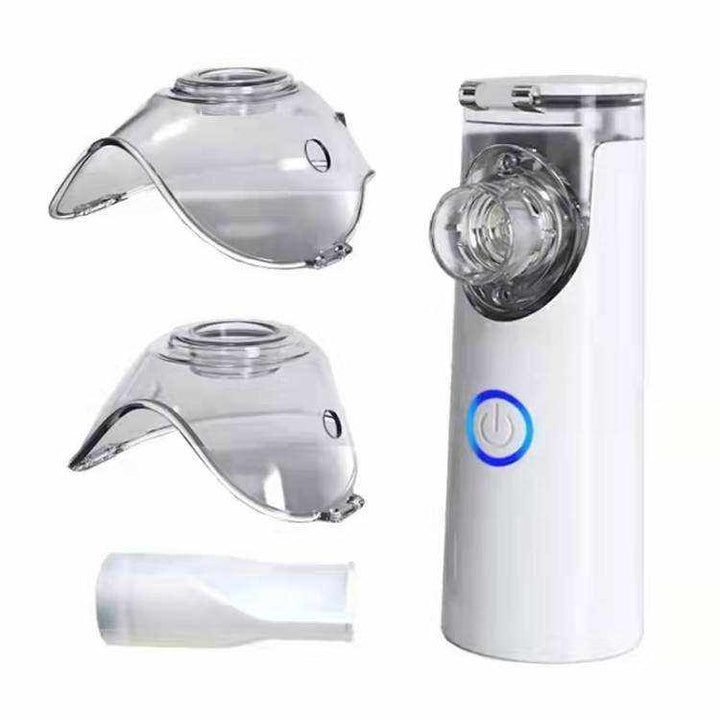
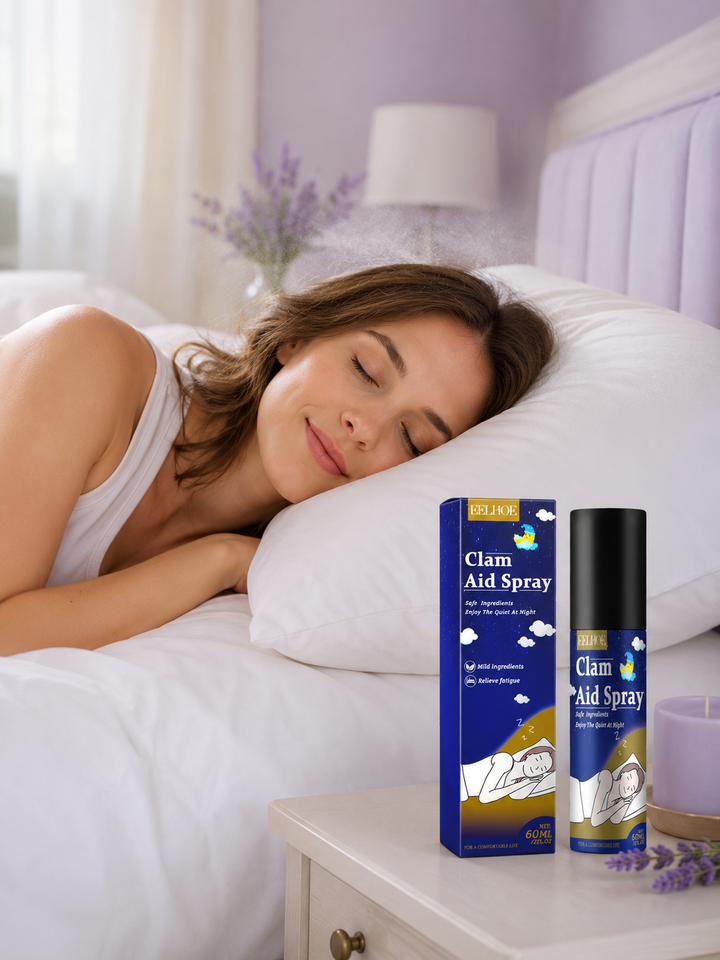
Breathing sprays are applied as part of a pre-bed routine and are available in lavender or other sleep-oriented formats. Nasal patches and acupressure-style patches sit externally and require no liquid, making them convenient for travel or shoppers who dislike sprays. Mouth tape is a drug-free strip intended for bedtime use, while a biosensor offers a technology-based approach with sleep tracking. A portable mesh nebulizer creates a fine mist and can be useful for shoppers who want a rechargeable device rather than a pump spray. Sleep sprays focus on a calming nighttime ritual, and a melatonin-infused sleep aid patch is intended for shoppers seeking a patch format for their broader sleep routine. Compare application, cleanup, portability, and comfort before deciding.
What to look for in a snore relief spray or device
For a breathing spray, check the application directions, scent preferences, container size, and whether the format is suitable for carrying in an overnight bag. A lavender formula may appeal to shoppers who like a botanical bedtime scent, while a portable mesh nebulizer offers rechargeable operation and a mist-based format. For patches, look for clear placement instructions and a shape that feels comfortable during sleep. With mouth tape, review the product guidance carefully and choose a design that feels manageable for your routine. A biosensor should be evaluated for its tracking features, setup process, and charging needs. Avoid choosing solely on claims such as “best medicine for snoring”; these products are intended as consumer sleep accessories and should be used exactly as directed.
How to use snore relief products at night
Read the package instructions before the first use and make the product part of a consistent wind-down routine. Apply a nasal spray only as directed, and avoid sharing the container. Place nasal or acupressure patches on clean, dry skin according to the stated position. If using mouth tape, follow the preparation and placement guidance and remove it if it becomes uncomfortable. Charge a portable mesh nebulizer or biosensor before bedtime when needed, then check that the device is operating as intended. Keep sleep spray and patch products stored as instructed. You can also try a sleeping position to stop snoring, such as lying on your side, alongside your chosen product. If snoring is persistent, disruptive, or accompanied by breathing concerns, seek advice from a qualified healthcare professional.
What are common mistakes when trying to stop snoring?
A common mistake is expecting one product to work immediately for every person. Snoring can vary with sleep position, congestion, alcohol, allergies, and other personal factors, so track how you feel and what you notice rather than switching products repeatedly in one night. Do not apply more spray than directed, place patches on irritated skin, or use mouth tape without reading the instructions. Another mistake is overlooking comfort: a patch, sensor, or tape strip that disrupts sleep is unlikely to suit your routine. Home remedies for snoring, such as adjusting your sleeping position or keeping a regular bedtime, may be simple options to try, but they are not guaranteed solutions. Avoid using household products such as Vicks VapoRub in ways not listed on their labels.
Who can benefit from a snore relief bedtime routine?
These products may suit adults who want to experiment with a structured nighttime routine and prefer a spray, patch, tape, nebulizer, or tracking device. They can also be useful when partners are looking for practical ways to manage bedtime disruption, including when a wife or other household member snores. Women and men can compare the same formats; product choice should be based on comfort and instructions rather than gender. A lavender spray or sleep spray may suit someone who enjoys a calming scent, while a biosensor may appeal to shoppers who want sleep data. People who prefer minimal application may choose an external patch. Anyone with ongoing, loud snoring or possible breathing interruptions should discuss the situation with a healthcare professional instead of relying only on a consumer product.
Frequently asked questions
What is the best thing to stop snoring?
There is no single best option for everyone. Try a consistent routine that may include side sleeping, a nasal spray, nasal patch, mouth tape, or a sleep-tracking device, depending on your preferences and the product instructions. Persistent or disruptive snoring should be discussed with a qualified healthcare professional.
How can I stop snoring as a woman?
The same practical options can be considered regardless of gender: side sleeping, reviewing bedtime habits, and trying a suitable spray, patch, tape, or device as directed. Choose a format that is comfortable and easy to use consistently. If snoring is frequent or linked with breathing concerns, seek professional advice.
What can I do when my wife snores?
Discuss the issue when you are both rested and agree on a routine to try, such as side sleeping or a suitable snore relief product. A nasal spray, patch, mouth tape, or sleep-tracking device may fit different preferences, but it should be used exactly as directed. Ongoing or severe snoring warrants advice from a qualified healthcare professional.
What are some home remedies for snoring?
Common at-home steps include trying a side-sleeping position, keeping a regular bedtime, and avoiding personal triggers that seem to make snoring worse. You can also add a directed nasal spray, sleep spray, or patch to your evening routine. Home remedies are not guaranteed, so seek professional guidance if the problem continues.
Is Vicks VapoRub good for snoring?
Vicks VapoRub should only be used according to its own label directions; it is not included as a snore relief product in this category. Do not apply household products in or around the nose or mouth unless their instructions specifically allow it. Consider a purpose-designed nasal spray or patch and follow its directions instead.
What can I drink at night to stop snoring?
There is no guaranteed drink that stops snoring. Choose a drink that fits your usual bedtime routine and avoid anything you know disrupts your sleep or worsens snoring. A directed spray, patch, or other sleep accessory may be a more practical category option, while persistent snoring should be assessed by a healthcare professional.